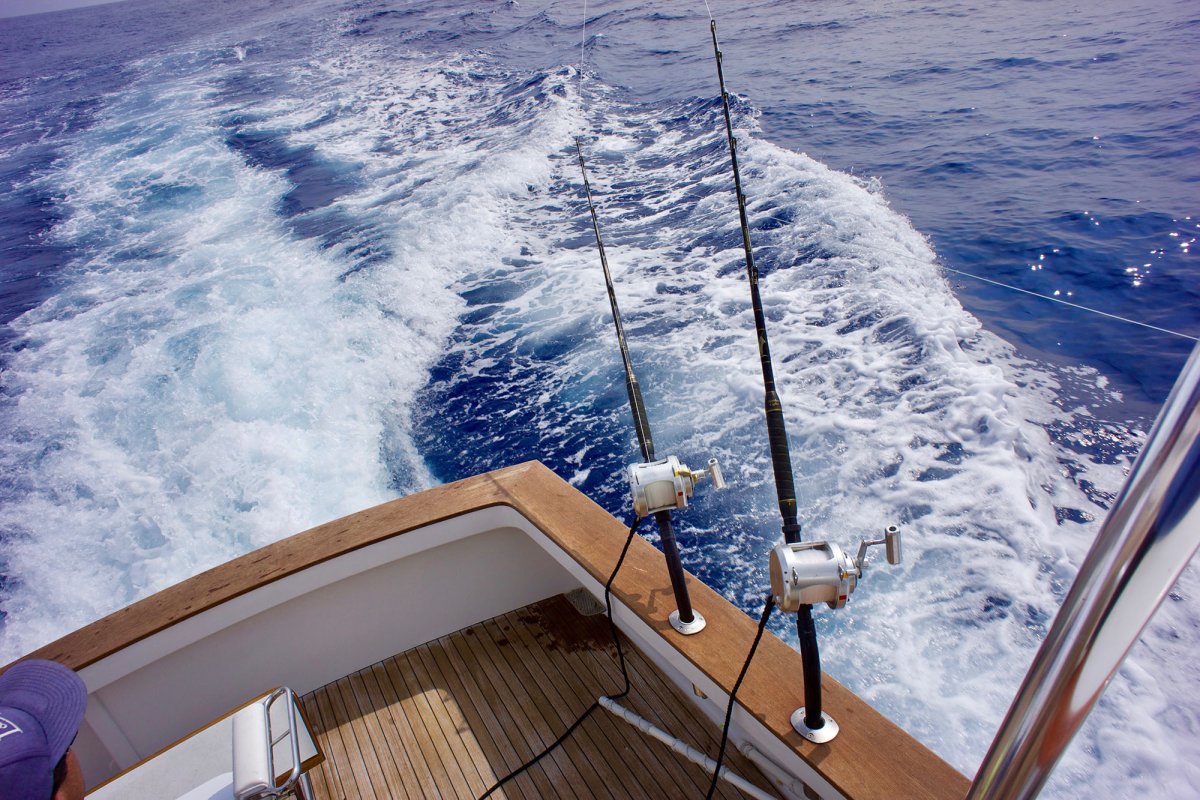


Deep-sea fishing boat with rods rigged and ready off the Hawaiian coast

Hawaii Fishing Guide: Charters & Shore Spots

John C. Derrick

Founder & certified Hawai'i travel expert with 20+ years of experience in Hawai'i tourism.

Hawaii sits in the middle of the Pacific Ocean, surrounded by water that drops to thousands of feet within miles of shore. That geography creates some of the best sport fishing on the planet. Blue marlin over 1,000 pounds. Yellowfin tuna that fight like freight trains. Mahi-mahi so bright they look electric. This isn’t a lake in Minnesota.

I wrote a version of this article back in 2022. Four tips and a wave goodbye. That wasn’t enough. If you’re spending real money on a fishing charter in Hawaii, you deserve specifics — which harbors, which species, which months, and how to avoid overpaying. This is the full breakdown.
What Deep-Sea Fishing in Hawaii Actually Looks Like

Most charters launch between 6:00 and 7:00 AM. You’ll motor out from a harbor, and within 20–30 minutes you’re over deep water. The crew rigs the lines — typically trolling with lures or live bait at varying depths. You sit, watch, talk story, and wait for a strike.

When a fish hits, it hits hard. The rod bends, the reel screams, and you’re strapped into a fighting chair trying to crank in something that weighs more than your carry-on luggage. On a good day, you might land three or four fish. On a slow day, you might troll for hours and come back with one mahi-mahi. That’s fishing. The ocean doesn’t owe you anything.

Most boats carry 6 passengers max on shared charters. You’ll rotate who’s in the fighting chair. Private charters give your group the whole boat — more rod time, more control over the plan, and usually a captain willing to adjust based on what’s biting.

Charter Types and What They Cost

Shared half-day charter (4 hours): $150–$250 per person. You’ll share the boat with strangers. Good for a taste of offshore fishing without committing a full day. Morning trips are almost always better — calmer seas, more active fish.

Shared full-day charter (6–8 hours): $250–$400 per person. More time means you can run farther offshore and target bigger species. If blue marlin is the goal, a full day is the move.

Private charter: $800–$2,000+, depending on boat size, duration, and island. Your group gets the boat to yourselves. Worth it for families or groups of four or more — the per-person math starts making sense fast. A private half-day for four people can work out to $200–$300 each, which is competitive with shared pricing and a much better experience.

Most charters include rods, tackle, bait, ice, and fishing licenses. Some include drinks and snacks. Almost none include lunch on full-day trips — bring your own. Tips for the crew run 15–20% of the charter cost. These crews work hard. Tip them.

Target Species by Season

Hawaii’s waters are warm year-round, so something is always biting. But different species peak at different times.

Blue marlin — Peak season runs June through October. The Hawaii International Billfish Tournament in Kona every August draws anglers from around the world for a reason. Kona’s waters produce more Pacific blue marlin than anywhere else. Fish over 500 pounds are caught every season. The grander — a marlin over 1,000 pounds — is the white whale of sport fishing, and Kona is where it happens.

Mahi-mahi (dorado) — Spring through fall, roughly March to November. Fast, acrobatic, and arguably the best-eating fish in the ocean. You’ll find them around floating debris and weed lines offshore.

Ahi (yellowfin tuna) — Year-round, with peaks in summer and fall. Yellowfin tuna are powerful, deep-diving fighters. They’re also the fish behind your favorite poke bowl. Ahi in the 100-pound range are common on Hawaiian charters.

Ono (wahoo) — Best from May through September. Ono means “delicious” in Hawaiian, and the name is accurate. These fish are fast — they can hit 60 mph — and they taste incredible grilled.

Striped marlin — Winter months, roughly November through March. Smaller than blues but more acrobatic. Good winter fishing target when the blues slow down.

Shortbill spearfish — Year-round, more common in winter. Lighter tackle, fun fight. Not a trophy fish, but a solid catch.

Island-by-Island Fishing Guide

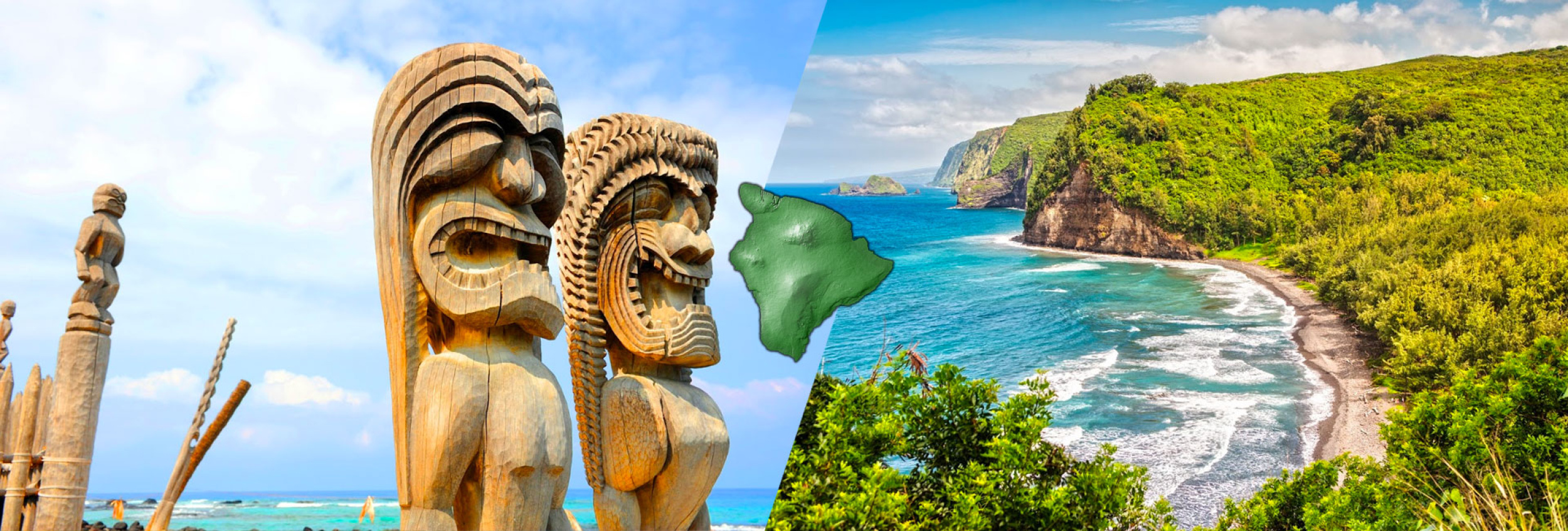
Big Island (Kona Coast)

The Kona coast is the epicenter of Hawaiian sport fishing. The Big Island’s western shoreline drops into deep water fast — you’re over 1,000-foot depths within a mile of the harbor. That proximity to deep blue water is why Kona produces more big game fish per boat than any port in the Pacific.

Kailua-Kona Harbor is the main launch point. Over a dozen charter operations run out of here daily. The harbor is small and easy to find — right in downtown Kailua-Kona along Ali’i Drive.

The Kona coast is sheltered from trade winds by Mauna Kea and Mauna Loa, so the water stays calm most of the year. That matters. Calmer water means fewer seasick passengers and more fishable days. If you only have one shot at a Hawaiian fishing charter and blue marlin is the dream, Kona is where you go.

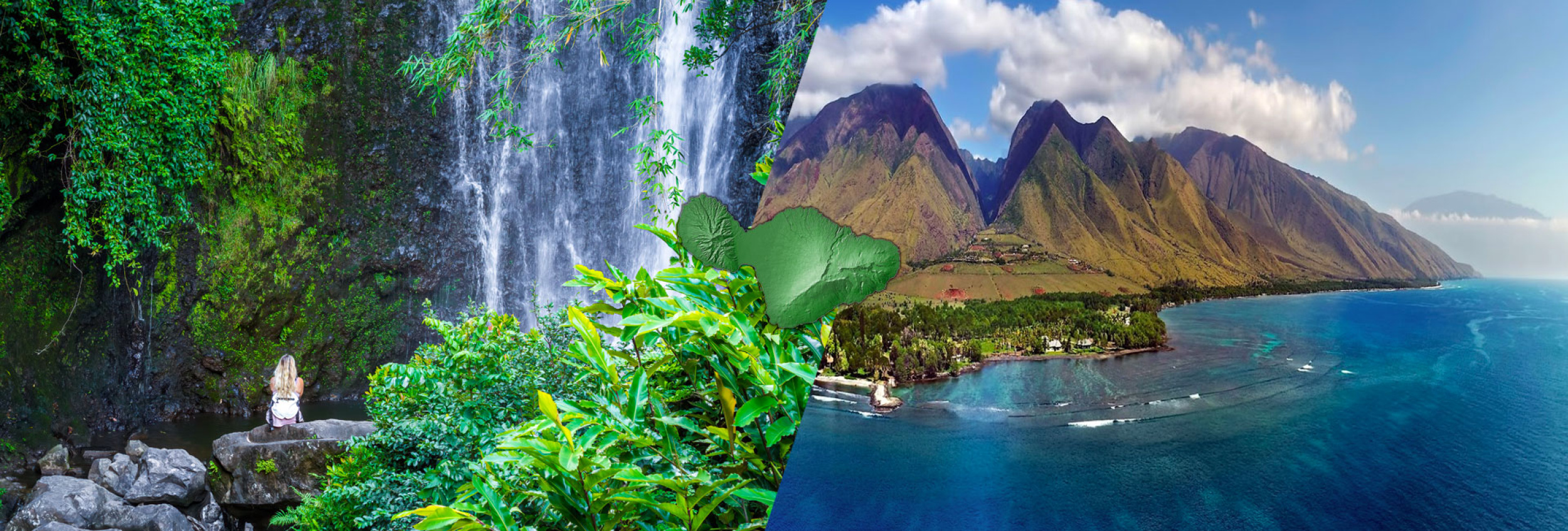
Maui

Maui has two main fishing harbors: Lahaina Harbor on the west side and Ma’alaea Harbor in central Maui.

Lahaina Harbor puts you in the Au’au Channel between Maui and Lana’i. Good trolling grounds for marlin, mahi-mahi, and ono. The channel funnels currents and bait, which draws predators. Several well-established charter companies operate here.

Ma’alaea sits at the southern end of the central valley. Charters from Ma’alaea can run south toward Molokini or offshore into deeper water. It’s a good base if you’re staying in Kihei or Wailea.

Maui’s charter scene is slightly smaller than Kona’s, but the fishing is excellent. You won’t find the same concentration of grander-class marlin, but mahi-mahi, ahi, and ono are consistently strong here.

Oahu

Kewalo Basin is Oahu’s primary sport fishing harbor, located between Waikiki and downtown Honolulu. It’s convenient if you’re staying in the tourist corridor — a short drive or rideshare from most Waikiki hotels.

Haleiwa Small Boat Harbor on the North Shore is the other option. Winter swells can make North Shore launches dicey from November through February, but summer fishing out of Haleiwa is productive. The FADs (fish aggregation devices) anchored offshore attract tuna and mahi-mahi.

Oahu charters tend to be slightly cheaper than Kona or Maui due to competition. More boats, more operators, more pressure to fill seats. That works in your favor. Shared half-day trips from Kewalo Basin sometimes dip below $150 per person.

Kauai

Kauai has fewer charter boats than the other major islands, but the fishing is just as good — and the smaller fleet means less pressure on the fish.

Port Allen on the south shore is the main sport fishing harbor. It’s also where Na Pali Coast boat tours launch, so the harbor is well-maintained and easy to access. Charters from Port Allen fish the south and west coasts, where deep water is close to shore.

Nawiliwili Harbor near Lihue is the other option, primarily on the east side. Conditions here can be choppier due to trade wind exposure, but some operators prefer it for ahi and marlin.

Book early on Kauai. Fewer boats means fewer available slots, especially during peak travel months.

Shore Fishing: Free and Everywhere

Not every fishing experience in Hawaii requires a boat. Shore fishing is a deep part of local culture and costs almost nothing.

You don’t need a fishing license for shore fishing in Hawaii. That’s right. Hawaii is one of the few states with no recreational fishing license requirement for hook-and-line fishing from shore. Grab a rod, some tackle from a local Walmart or fishing shop, and find a spot.

What you’ll catch from shore: papio (baby giant trevally or ulua), moi (threadfin), bonefish on the flats, various reef fish, and if you’re lucky, an ulua over 10 pounds from a rocky point at night. Shore fishing won’t put a 500-pound marlin on your wall, but it connects you to the ocean in a different way. It’s quiet. It’s meditative. And a sunrise session on a rocky Kauai shoreline with a spinning rod is one of those Hawaii memories that costs nothing but stays with you.

If you want to try shore fishing, ask at any local bait and tackle shop for current hot spots. Locals are generous with information if you’re respectful. Don’t leave trash. Don’t stand on the coral. Don’t keep more than you’ll eat.

Booking Tips That Actually Matter

Book 2–4 weeks ahead. Popular charters fill up, especially during summer and holiday travel windows. Last-minute openings happen, but you’ll get stuck with whatever’s left. If you have a specific captain or boat in mind, don’t wait.

Morning departures are better. Fish are more active early. Winds pick up in the afternoon. Seas get choppier. Most experienced anglers choose the AM slot every time.

Ask about the fish-keeping policy before you book. Some charters let you keep your catch. Some keep everything and sell it. Some split it. This varies by boat and captain. If eating fresh ahi for dinner is part of your plan, confirm the policy upfront. Many restaurants near fishing harbors will prepare your catch for a fee — “cook your catch” is a real thing in Kona and Lahaina.

Seasickness is real. Take Dramamine or Bonine the night before AND the morning of. Don’t eat a heavy breakfast. Stay on deck where you can see the horizon. If you’re prone to motion sickness, a half-day trip is the smarter bet.

Check reviews, not just prices. A $50 savings on a charter means nothing if the boat is run-down and the crew is checked out. Read recent Google and TripAdvisor reviews. Look for comments about the captain’s knowledge and the crew’s attitude, not just whether fish were caught.

Getting to the Harbor

Most fishing harbors in Hawaii are not walkable from resort areas. Kewalo Basin on Oahu is the exception — it’s close enough to Waikiki for a rideshare under $15. Everywhere else, you’ll want a rental car.

Kailua-Kona Harbor is a 15-minute drive from most Kohala Coast resorts. Lahaina Harbor is 30–45 minutes from Wailea. Port Allen on Kauai is 30 minutes from Poipu and 45 from Princeville. These early morning drives on empty Hawaiian roads are actually beautiful — just don’t be late. Charter boats leave on time, with or without you.

I recommend booking through Discount Hawaii Car Rental for the best rates across all islands. Having your own car makes the whole trip more flexible — not just for fishing, but for everything else you’ll want to do while you’re here.

Budget Breakdown: What to Expect

Here’s a realistic budget for a fishing charter in Hawaii for two people:

Expense Shared Half-Day Private Half-Day
Charter cost $300–$500 (2 pax) $800–$1,200
Crew tip (18%) $55–$90 $145–$215
Snacks/drinks $15–$30 $15–$30
Rental car (daily) $45–$80 $45–$80
Total $415–$700 $1,005–$1,525

Full-day trips push these numbers higher by 40–60%. Private full-day charters for serious marlin hunters can run $1,500–$2,500 with tip. That’s real money, but if you hook a blue marlin off the Kona coast, you won’t be thinking about the bill.

For budget-conscious travelers, a shared half-day morning charter is the sweet spot. You get 4 hours of open-ocean fishing, a shot at mahi-mahi or ahi, and you’re back at the harbor by noon with the whole afternoon free.

Fishing in Hawaii is one of those experiences that goes beyond the typical vacation checklist. You’re not standing behind a railing watching from a distance. You’re in the chair, rod bent, ocean pulling back. The crew is yelling. The reel is singing. And somewhere below the surface, something enormous is deciding whether to fight or run.

Every island offers something different. Kona for the marlin hunters. Maui for a balanced charter scene with great harbors. Oahu for convenience and value. Kauai for a quieter, less crowded experience. And every shoreline offers free fishing to anyone willing to bring a rod and some patience.

Book your charter, get to the harbor early, and let the Pacific do what it does best.

Plan the Rest of Your Hawaii Trip

Get Hawaii Tips in Your Inbox

Join 150,000+ subscribers. Free Hawaii travel tips, deals, and local insights. Unsubscribe anytime.

Travel Tips Oahu Maui Kauai Big Island

Affiliate Disclosure: We may earn commissions from some travel partners (like Amazon or Expedia) which helps us maintain this site. These links are at no extra cost to you and don't impact our honest & unbiased recommendations.

Article Published: