
Hawaiʻi tends to give back about what you bring to it. Arrive rushed, over-scheduled, and half-looking at a screen, and you get a rushed, half-seen version of the islands — pretty, forgettable, gone by the time the tan fades. Arrive a little slower and a little more open, and something else happens. The place stops being a backdrop and starts being the trip.
That's the half of a Hawaiʻi trip nobody can plan for you. We can hand you the live trail status, the surf, the fees, the right week for whale season. We can't make you put the phone down on a beach at dusk, or sit through the quiet part of a place instead of rushing to the next photo. That part is yours. It's also the part that decides whether you ever come back.
Letting Hawaiʻi in isn't a mindset you buy at the airport. It's a handful of small, ordinary choices repeated over a week. Drive the long way. Eat where the line is locals. Learn a few words and mean them. Stand at a heiau or a lookout long enough to feel why it matters. Treat the place — and the people whose home it is — like you're a guest, because you are.
Bring yourself with care. Let Hawaiʻi set the rest. That line has anchored this site for a quarter-century. Hawaiʻi Calls You Back is the observation behind it — most travelers come once, then keep coming back. This page is the other side of that coin: what you actually do once you're here. The planning's handled. The presence is on you.
Four ways to meet the day you're actually in
Not a checklist. A posture — a few small choices that leave room for Hawaiʻi to do what it does.
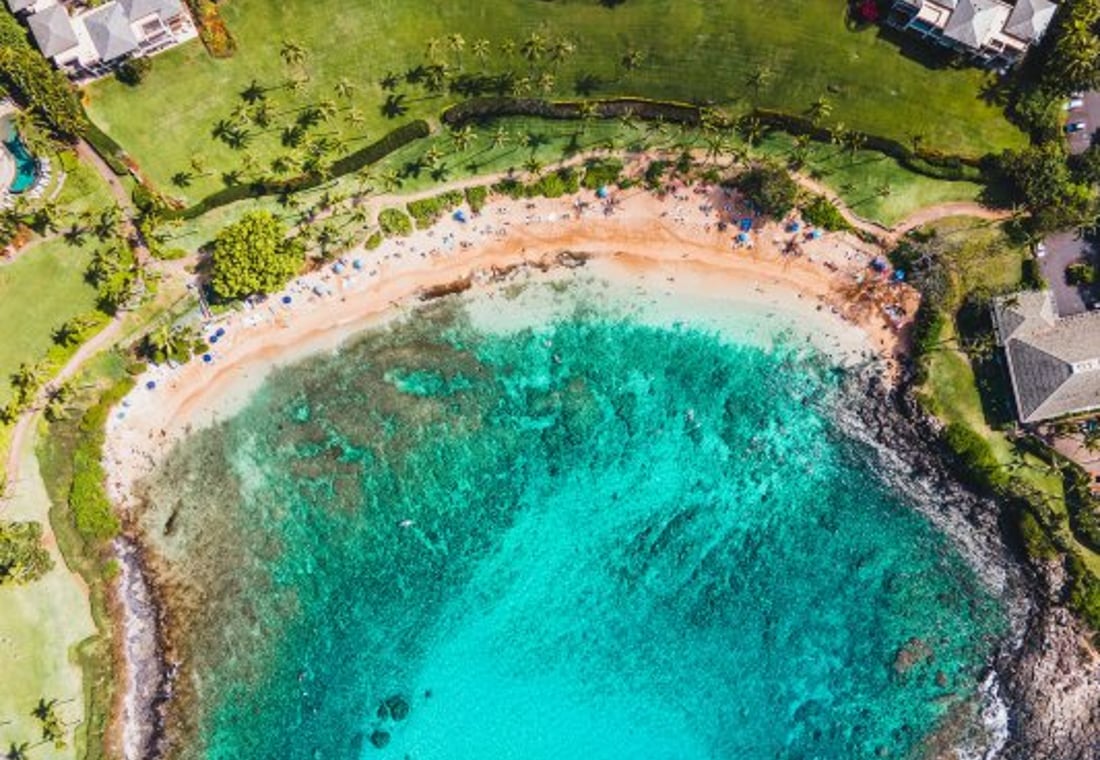
Choose less, then be there for more of it.
One island well beats four islands half-seen. Give your trip enough space for the road, the weather, the line at the plate-lunch window, and the beach you weren't planning to love.
Start with one island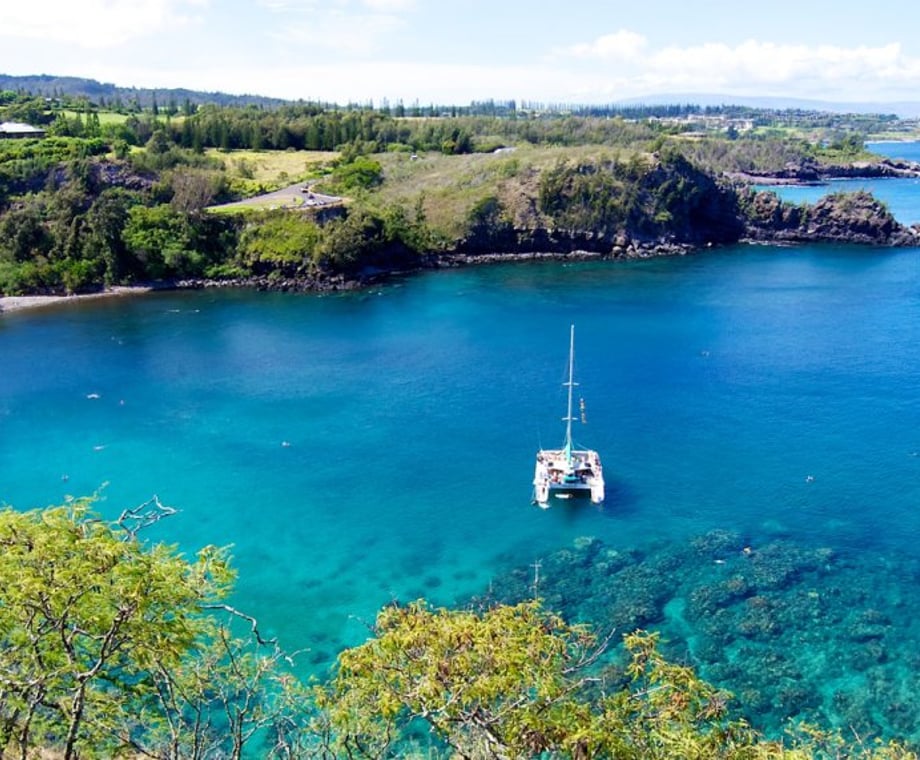
Let the ocean set the tempo.
Some days are for snorkeling. Some days are for watching the sets roll in from dry sand. Check the conditions first, then let the water tell you what kind of day it is.
Read today's ocean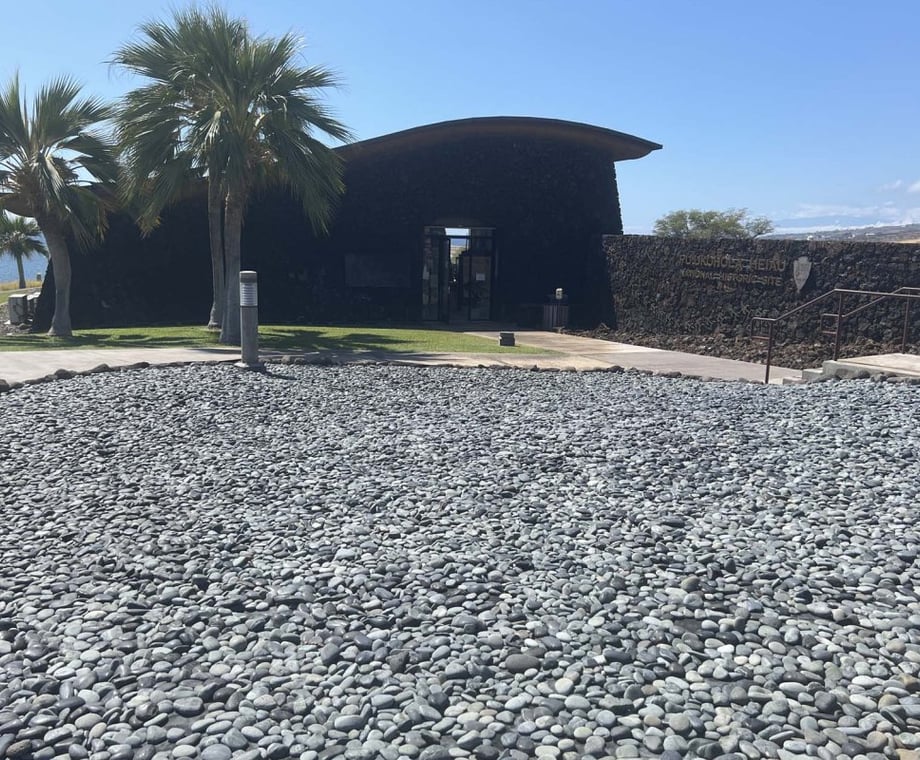
Stand still long enough to understand where you are.
Cultural places are not props. Learn the names, read the signs, hear the story before the camera comes out, and let respect change the pace of the stop.
Learn the culture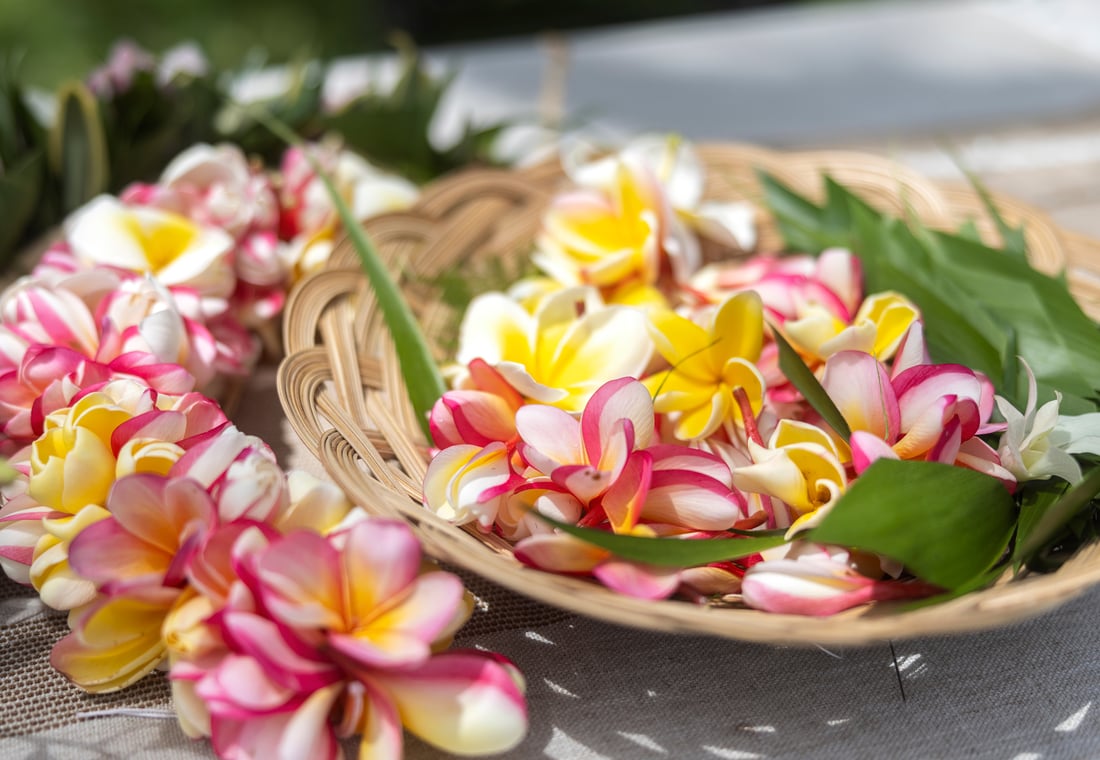
Leave it better than you found it.
You're a guest in a living place. Follow the posted guidance, spend with local businesses, and move through cultural and natural spots like they belong to someone — because they do.
Travel like a guest Water first
Let the day be specific.
The best version of a Hawaiʻi day usually starts with one honest read: water, walking, culture, food, or light. Pick the signal, then use the tool and go lightly.
Float if the ocean says yes.
Read the surf, wind, and warning flags before you commit. A good water day starts with humility, not momentum.
Check the ocean reportCheck what matters.
Then put the phone away.
The point is not to stare at tools all day. It is to know the surf, weather, closures, light, and costs quickly enough to get back into the place in front of you.
Three ways to think about the same place
Hawaiʻi calls you back. You let it in. Over time, you fall for it. This page is the middle one — here are the other two.
A nudge when it's worth slowing down for.
We send a short note when something timely is worth knowing — a swell window for the south shores, the right week for whale season, a festival worth the trip. No regular cadence. No marketing funnel. Just useful notes when they matter.
Plan the trip. Then let it go.
Get the logistics handled with one set of free planning tools, so you can be present for the part that actually matters.