
This is a developing story. Conditions, road closures, and advisories are changing rapidly. Information below was current as of March 25, 2026, but may no longer reflect the latest situation. Check official sources before making travel decisions.
Two back-to-back Kona storms have left Hawaii reeling. Governor Green has estimated over $1 billion in damage and is requesting major federal aid — asking the federal government to cover 90% of recovery costs. This is the worst flooding event Hawaii has seen in 20 years. The immediate storm threat has passed and trade winds are returning, but infrastructure recovery is far from over. Roads are slowly reopening, but beaches remain under brown water advisories, and the gap between official messaging and on-the-ground conditions persists. If you have a Hawaii trip planned in the coming weeks or months, this is essential reading.
Current Conditions Across the Islands
As of March 25, 2026, the immediate storm threat has passed, but recovery is ongoing and conditions vary widely by island:
- Oahu — The hardest hit overall. Muddy floodwaters smothered vast stretches of the North Shore, lifting homes and cars and prompting evacuation orders for 5,500 people. Manoa Stream surged from 3 feet to 12 feet during the second Kona low, forcing evacuations at UH Manoa. Mayor Blangiardi said first responders conducted 233 rescues with no reported fatalities. As many as 115,000 residents faced power outages — most have been restored. Recovery is being driven largely by residents and volunteers clearing mud and debris, but the need for more hands, equipment, and safe drinking water remains urgent.
- Maui — A sinkhole opened at South Kihei Road near Kamaole Beach Park II. A wastewater release in Lahaina reached the ocean. Waiʻānapanapa State Park remains closed through at least March 30 due to a damaged pole, powerline, and transformer requiring replacement. West Maui (Kaanapali area) looks normal with cleanup complete, but ocean water quality remains poor.
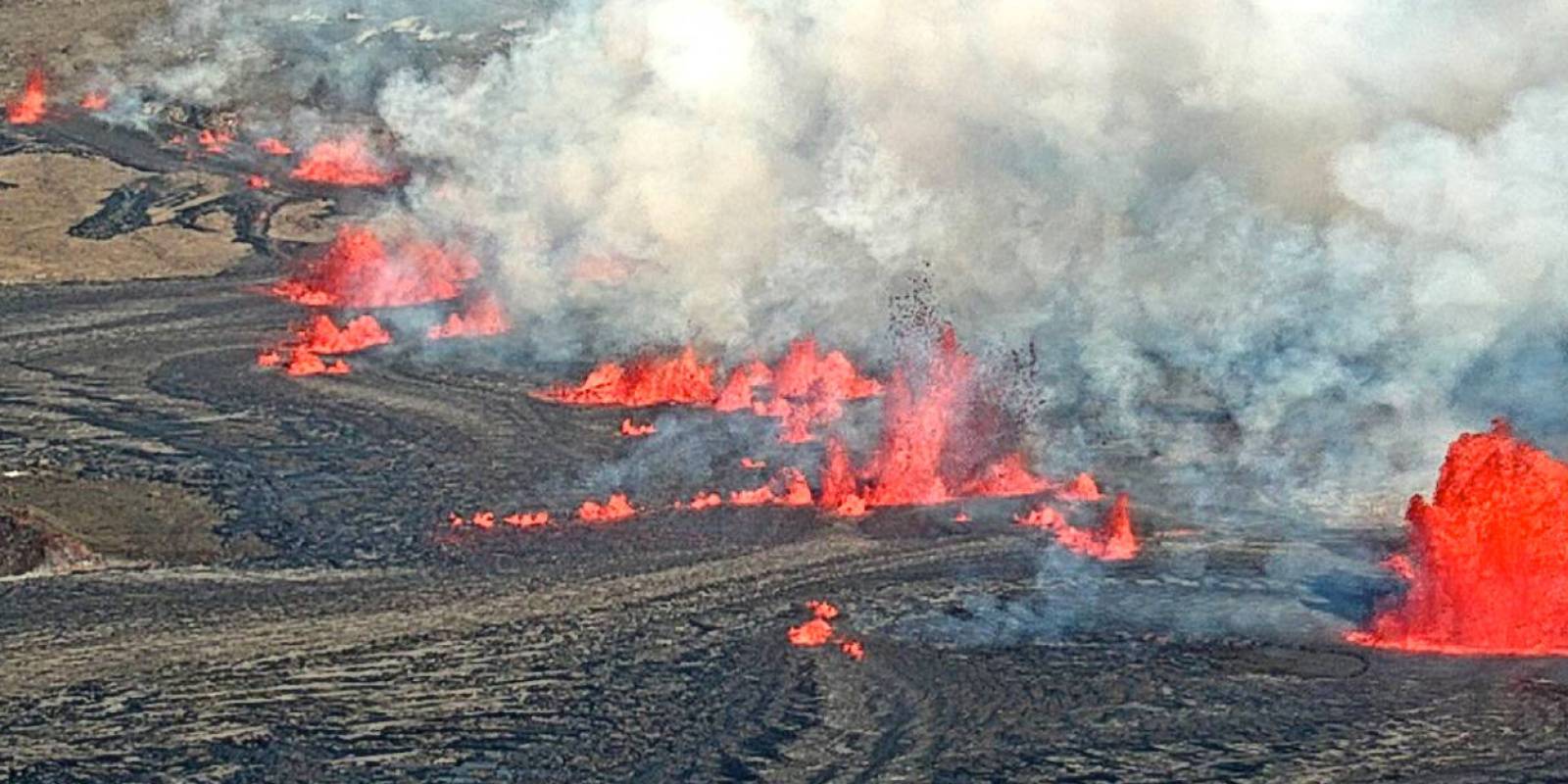
- Big Island — The Ka’ū District took heavy damage, with Highway 11 in Waiʻōhinu turning into a raging river. Between Ka’ū and South Kona, 18 to 20 people were rescued. Hawaiʻi Volcanoes National Park has partially reopened with access restored to the Kīlauea summit area and Chain of Craters Road, though Mauna Loa Road beyond Kīpukapuaulu remains closed due to combined storm and volcanic eruption impacts.
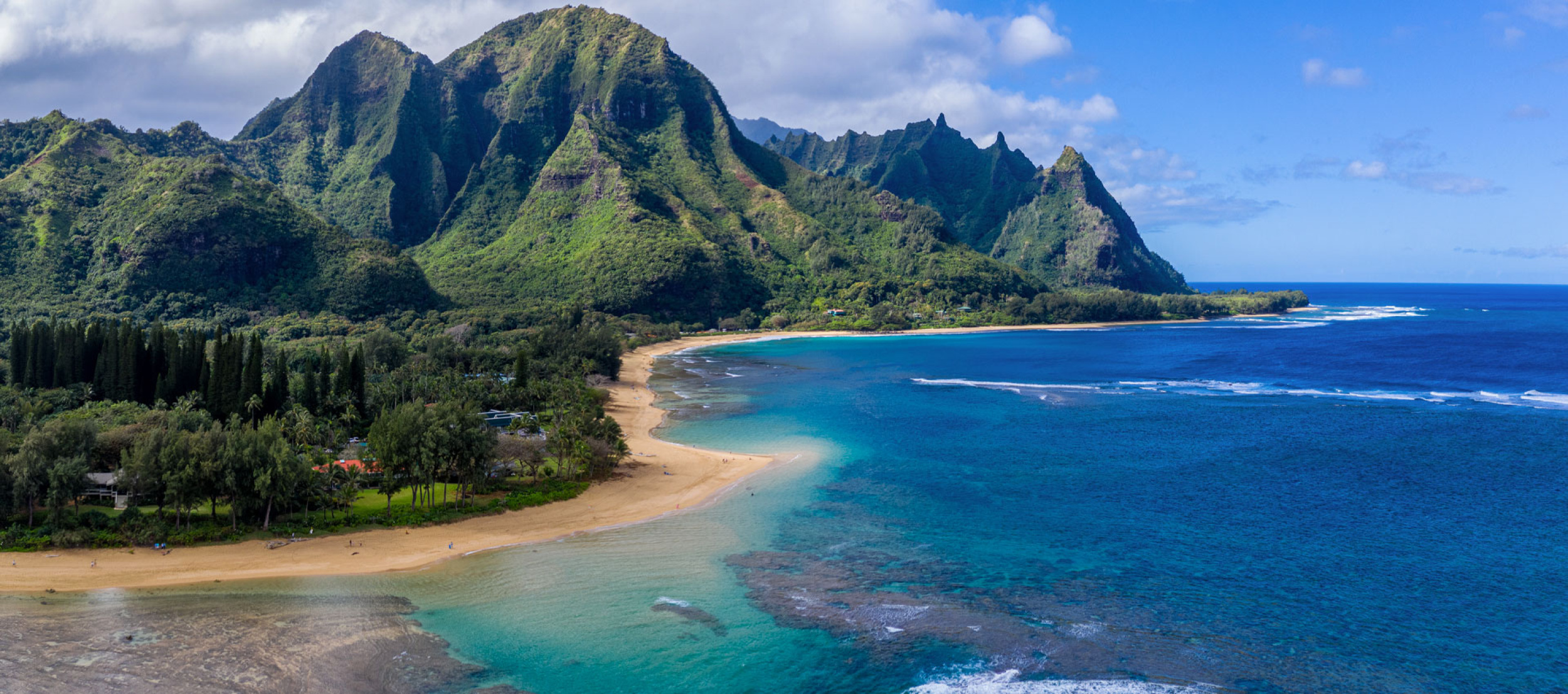
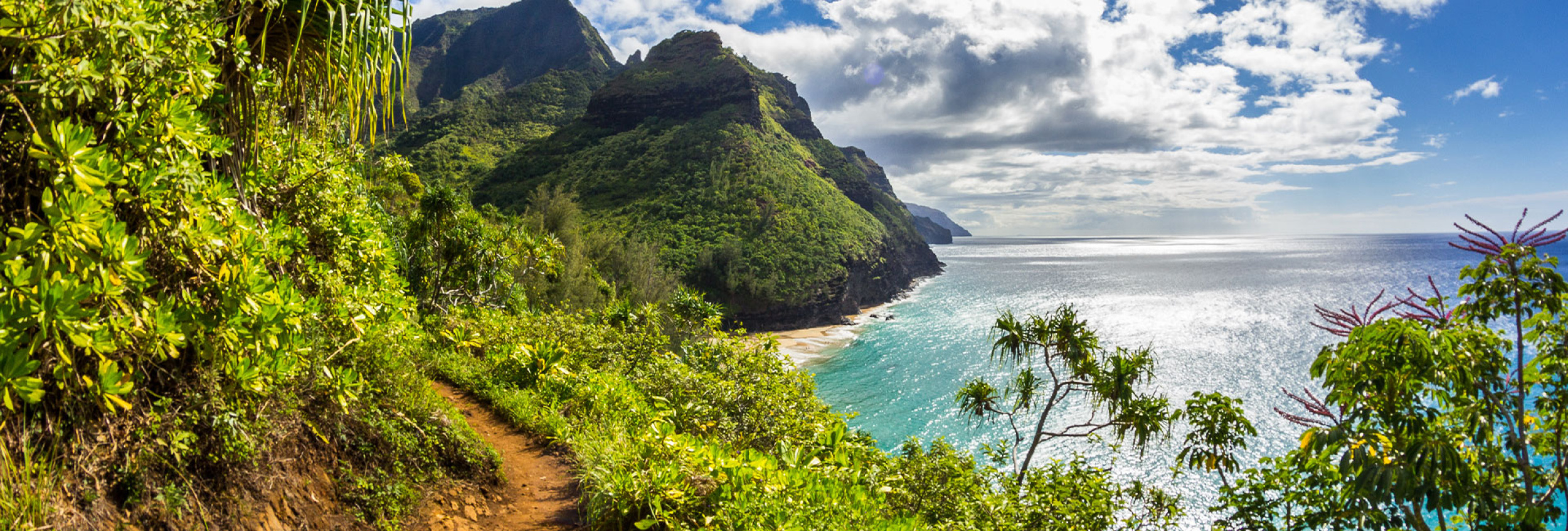
- Kauai — Fared the best of the four main islands. Brown water advisories, road problems, and debris cleanup affected the Garden Isle too, but Kauai came back faster than the other islands.
- Brown water advisories remain in effect statewide across Kauai, Oahu, Maui, and the Kona coast. On Oahu, wastewater spills were confirmed at facilities serving the Kailua and Kaneohe areas, with Waimanalo Beach recording dangerously high enterococci levels (over 24,000 per 100 mL — safe limits are 130).
- A boil water notice remains in effect for all North Shore water users from Mokulēʻia to Turtle Bay. Officials are hoping to determine by Wednesday or Thursday whether parts of the water system can safely reopen.
Key Road Closures & Restrictions
Some of Hawaii’s most popular scenic drives and attractions remain closed or restricted. Road repairs are actively underway, and some routes have partially reopened:
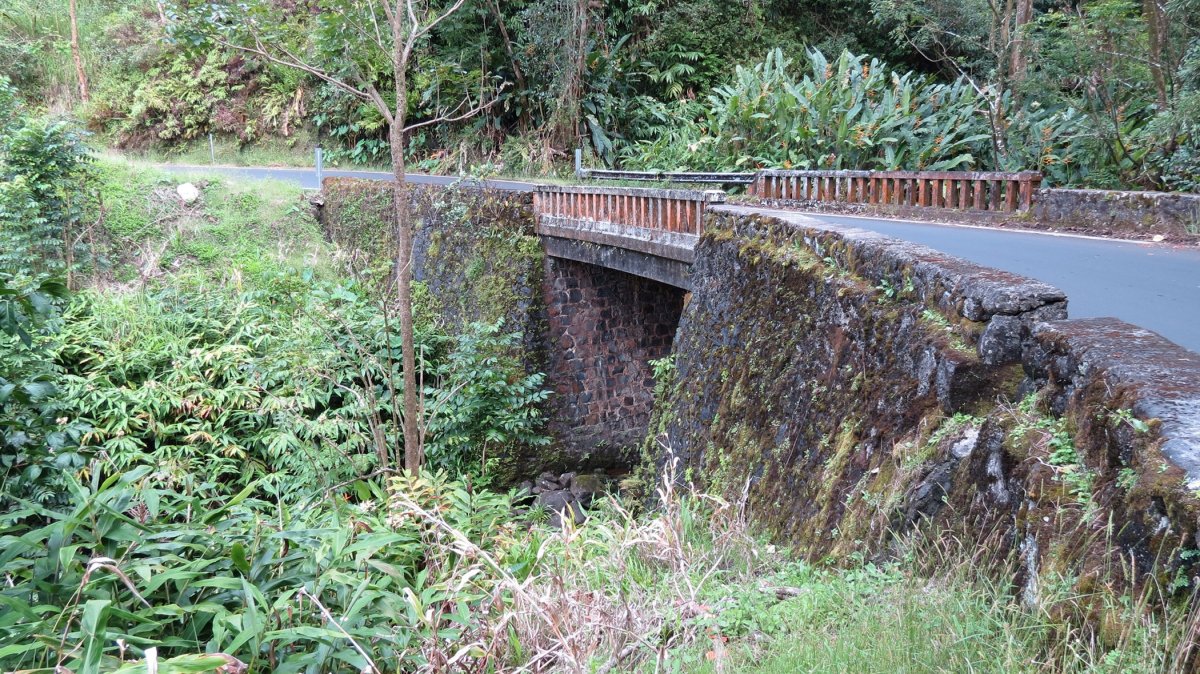
- Hana Highway (Maui) — The road to Hana has partially reopened from Hana Town to the Twin Falls area, but police checkpoints remain in place and visitor access is limited. Multiple hazards persist, including roving single-lane closures for guardrail repairs, emergency tree removal, and rock scaling work. If Hana matters to your trip, it’s not accessible right now. Check our Hana Highway closures page for the latest status.
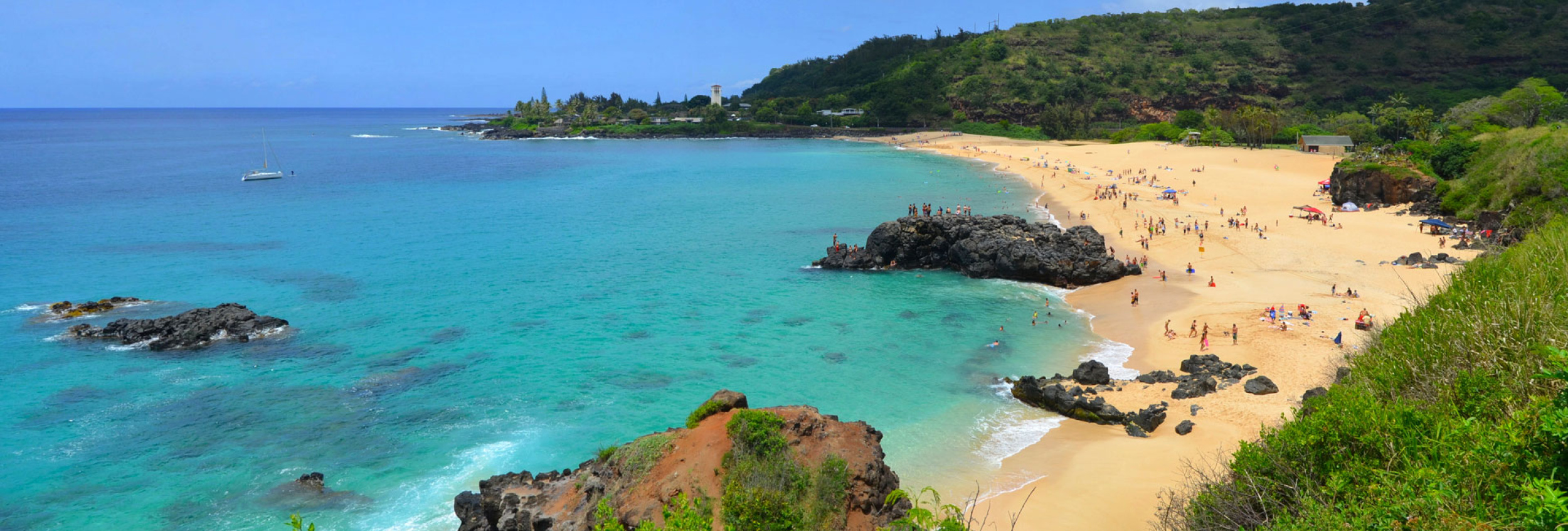
- Kamehameha Highway (Oahu) — Repairs are underway near Waimea Bay after a second landslide struck while crews were already fixing damage from the first Kona low. The Waikane Bridge section has reopened in both directions, and one lane of the Waialua Beach Road Bridge has reopened to vehicles. But Kamehameha Hwy at Lihikai Dr. remains fully closed due to a landslide, and Farrington Hwy north of Keaau Bypass is closed in all directions.
- Kalaniana’ole Highway (Oahu) — Closed in both directions from Lower Auloa Road to Castle Junction due to landslides. Tinker Road lanes have been cleared.
- Haleakala (Maui) — Closed from mile marker 2.5. Verify conditions before planning a summit visit.
- Pali Highway (Oahu) — The far-right town-bound lane between Waokanaka St. and Country Club Rd. is closed. Expect lane closures on Likelike Highway as well.
- Oahu’s North Shore — Roads remain affected, with ongoing flood damage and cleanup in Haleiwa, Waialua, and Wahiawā. Schools in Waialua won’t reopen until at least Friday pending safety clearance. Do not assume normal operations.
- Waiʻānapanapa State Park (Maui) — Closed through at least March 30. HECO has identified a damaged pole, powerline, and transformer requiring replacement, with no estimated timeline for repairs.
- Honoapiilani Highway (Maui) — Rockfall damage from the Kona low. A large sinkhole has also been reported at Liloa St. and Laalo St. in Lahaina.
Which Island Should You Visit Right Now?
Beat of Hawaii raised a good question this week: after the worst flooding in 20 years, which island should you actually visit? Here’s how we see it:
Kauai is the safest bet. Not because the Garden Isle dodged the storms entirely — it didn’t. Brown water advisories, road debris, and cleanup affected Kauai too. But compared with Oahu and Maui, Kauai bounced back faster. The gap between what officials are saying and what visitors will actually find is probably the smallest on Kauai right now.
Maui is the hardest sell. Hana Highway has police checkpoints blocking visitor access. Haleakala is closed from mile marker 2.5. A wastewater release reached the ocean in Lahaina. A sinkhole swallowed part of South Kihei Road near Kamaole Beach Park II. West Maui resort areas like Kaanapali look normal and cleanup is complete there, but if your Maui trip depends on Hana, Haleakala, or freedom to move around the island, you’re going to hit walls.
Oahu took the worst beating — especially the North Shore, where homes and cars were swept away and 5,500 people were under evacuation orders. Waikiki and the south shore are functioning, but North Shore access remains limited, boil water notices persist, and road repairs will take weeks.
The Big Island is a mixed bag. Ka’ū and South Kona got hammered, but Hawaiʻi Volcanoes National Park has partially reopened with access to the Kīlauea summit and Chain of Craters Road. The Kona resort coast is largely operational.
If your trip is in late March or early April, you need to be flexible regardless of which island you choose. Late April through May is a better window — the weather improves, tourist crowds thin out, and infrastructure repairs should be substantially further along.
The Gap Between Messaging and Reality
The Hawaii Tourism Authority has said there is no reason to cancel trips. That’s a hard message to square with 233 rescues, 5,500 evacuation orders, $1 billion in damage, and ongoing road closures across three islands.
We understand the importance of tourism to Hawaii’s economy — the Kona low storms have already triggered millions in tourism losses. But travelers deserve accurate information so they can plan accordingly and set realistic expectations. Industry representatives have indicated that full recovery will require several weeks at minimum. Saying “don’t cancel” is not the same as saying “everything is fine.”
What Travelers Should Do Right Now
If you have a trip to Hawaii coming up, here’s our advice:
- Check road conditions daily. Visit the Hawaii Department of Transportation and county road closure pages before you head out each day. Conditions are shifting as repairs progress, and a road expected to reopen in a week can slip if more damage is uncovered.
- Build flexibility into your itinerary. Don’t plan a trip that hinges on a single route or attraction being open. Have backup plans ready.
- Respect brown water advisories. Stay out of the ocean for at least 72 hours after heavy rainfall — and avoid any water that appears brown or murky even after that, especially near stream mouths and drainage outlets. Waimanalo Beach recorded enterococci levels of over 24,000 per 100 mL (safe limits are 130). This is a serious health concern, not a suggestion. Review our ocean safety tips for more guidance.
- Have a rental car lined up. With public transit disrupted and rideshare availability spotty outside resort areas, a rental car gives you the flexibility to reroute around closures. Book through Discount Hawaii Car Rental — their free cancellation policy means you can lock in a rate now and adjust if your plans change.
- Confirm reservations within 48 hours of departure. Tours, activities, and excursion schedules are still in flux. Don’t assume your booking is operating as planned.
- Consider your timing carefully. If your trip is scheduled for late March or early April, understand that conditions may not be back to normal. Kauai is the most stable option right now. Hawaii is still a wonderful destination, but the trip you planned may need to look different.
Looking Ahead
The full scope of recovery is still being assessed. The state DOT projects $23 million in highway damage. Kula Hospital on Maui may require hundreds of millions more. From March 1 to 24, Kuiki on Maui recorded 68.35 inches of rain — the first Kona storm alone dropped 44 inches in Kula with wind gusts up to 135 mph.
Federal and state aid is mobilizing. The Hawaiʻi Department of Agriculture has announced one-time emergency grants of $1,500 for farmers and ranchers, plus low-interest emergency loans up to $100,000 at 3%. NASA’s Disasters Response Coordination System has been activated to support HIEMA’s response. The state DCCA Insurance Division is helping residents file damage claims.
Trade winds are returning and weather is expected to improve through the rest of the week, but infrastructure repairs, beach restoration, and road clearing will take weeks — likely well into April. Late April through May offers traditionally excellent weather and manageable crowds, giving the state time to get things back in order. We’ll continue to update this page and our island-specific guides as conditions change.
Updated March 25, 2026. Sources: Beat of Hawaii, Beat of Hawaii (recovery timeline), Hawaii News Now, Hawaii News Now (Volcanoes NP), Honolulu Civil Beat, Honolulu Star-Advertiser, KHON2 (road repairs), Deseret News, Hawaii DOD/HIEMA, Kauai Now
Related Guides
Stay informed with these related resources for your Hawaii trip.