

PARK MAUI is no longer a vague “coming soon” beach-parking idea for South Maui. The County of Maui announced that the program would begin at the paved lots for Kamaole Beach Parks I and III on July 15, 2026. If you are driving to Kihei for a beach morning, that means a payment step, a license-plate session, and a resident-priority window on weekends and county-observed holidays. Here is the correction I keep making for readers: this first Kihei launch is not every South Maui beach lot. PARK MAUI’s current beach page lists Kamaole I and Kamaole III, with Kamaole II absent from the first beach-parking rollout. If you are driving to any Maui beach, the sign at the lot still wins. If you are driving specifically to Kamaole I or III, plan for PARK MAUI. What follows is the practical version: what you pay, when residents get priority, how to start a session, and how to avoid building a beach day around a parking rule you did not see until you were already there.
What you actually need to know
-
Where it applies now: the paved parking lots at Kamaole Beach Parks I and III in Kihei, plus separate PARK MAUI-managed areas in Wailuku and around Lahaina Harbor.
-
Visitor beach rate: $10 daily, $50 weekly, $150 monthly for non-residents at the beach lots, per PARK MAUI.
-
Weekly and monthly passes: app-only, per the same PARK MAUI beaches page.
-
Resident benefit: Hawaii residents with a valid Hawaii driver’s license park free at the beach locations after starting a session in the app or at a pay station (PARK MAUI).
-
Resident-only mornings: on weekends and county-observed holidays, the Kamaole I and III paved lots are reserved for residents before 10 a.m. (PARK MAUI). The beach parks themselves stay open to everyone.
-
Payment method: the PARK MAUI mobile app or an on-site pay station, per the official FAQ. The system reads license plates, so type carefully before you walk away.
Read the sign, enter the correct license plate, start the session before you leave the lot.
Where PARK MAUI beach parking applies
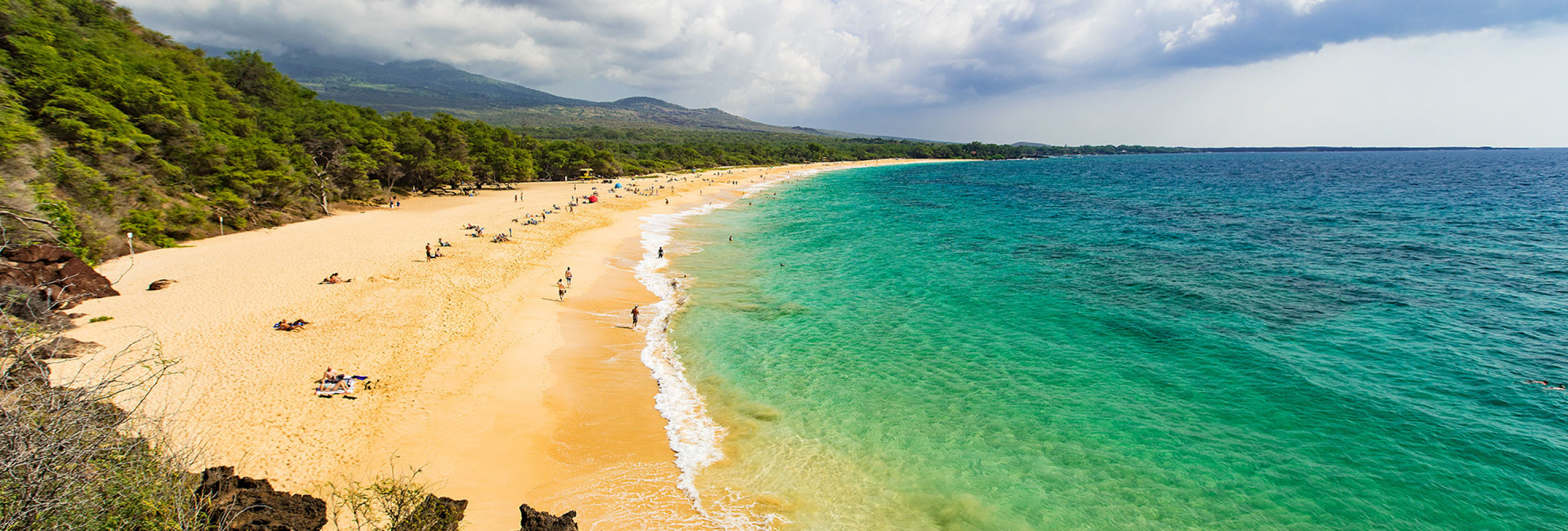
PARK MAUI’s current beaches page names two Kihei locations: Kamaole I and Kamaole III. The official Maui County launch notice describes the same first phase as the paved lots at Kamaole I and III. That distinction matters because a lot of visitor summaries lump them together as “Kamaole beaches” or “Kamaole I, II, and III.” Do not assume Kamaole II runs on the same beach-parking setup unless the posted lot sign says so. Kamaole I and III are the workhorse South Maui beaches: lifeguards, restrooms, showers, lawn space, and easy access from the Kihei condo corridor. They are also exactly the kind of lots that fill early. The county is trying to keep those stalls turning over and preserve resident access during the most contested morning hours. My rule for visitors is narrow and boring: if you turn into a PARK MAUI lot, start a valid session before you head to the sand. If you are not in a PARK MAUI lot, read that lot’s own sign instead of assuming the same app, zone, or rate applies.
What you pay
Per the official PARK MAUI beaches page, the posted beach-pass structure is:
- Daily parking: $10.
- Weekly pass: $50.
- Monthly pass: $150.
- Weekly and monthly passes: mobile-app purchase only. For most visitors the math is simple. Driving to Kamaole I or III once or twice? Pay the daily. Kihei condo routine of “Kamaole every morning”? The weekly pass pays off after five days. Staying within walking distance? Skip the lot entirely and leave the rental car at your lodging. This is parking, not beach admission. The PARK MAUI FAQ states Maui County does not charge entry fees at beaches. You are paying for the managed parking session, not the sand.
The resident-only morning window
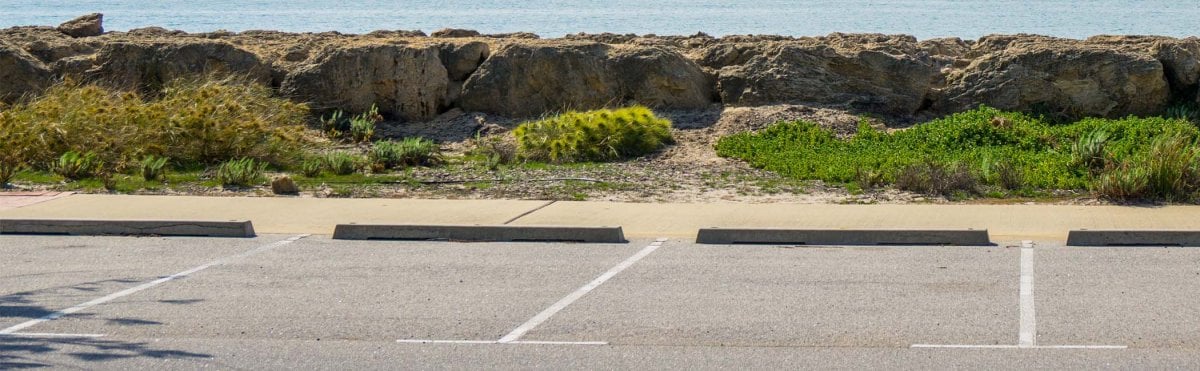
This is the rule that catches visitors off guard. On weekends and county-observed holidays, the paved lots at Kamaole I and Kamaole III are reserved for Hawaii residents before 10 a.m. (PARK MAUI). Residents still need to start a free session with a valid Hawaii driver’s license, either in the app or at a pay station, so the plate is linked to an authorized vehicle. You can still use the beach park. You just cannot drive into those paved lots before 10 a.m. on a Saturday, Sunday, or county holiday. Walk from nearby lodging, rideshare, use another legal public parking option, or make Kamaole your later-morning stop. Weekdays are simpler: pay and park through the posted PARK MAUI process. Even then, arrive early if the beach is important to your day. South Kihei lots fill before the ocean looks crowded.
How to pay without wasting your beach morning
The PARK MAUI FAQ says you can start a session in the PARK MAUI app or at an on-site pay station. The county’s launch notice lists the Kamaole beach parking areas in Zone 797. Do not rely on that number from memory. Read the posted sign at the lot, because zones can change and a mistyped zone leaves you unpaid. Here is the routine I use:
- Photograph the sign and your stall area.
- Enter the rental car’s license plate exactly as shown.
- Choose the correct beach zone and pass type.
- Wait for the session confirmation before you leave the lot.
- Set a phone alarm for a few minutes before your session ends. If you do not want another app on your phone, use the pay station. If you do use the app, install it when you have strong service, not while standing in the sun with a family waiting and a beach bag on your shoulder.
Wailuku and Lahaina are separate parking situations
PARK MAUI is broader than Kihei beach parking. In Wailuku, the Wailuku Garage uses ticketless, plate-based parking. PARK MAUI lists visitor parking at $1 per hour with a $10 daily maximum, and paid hours from 8 a.m. to 6 p.m. (PARK MAUI Wailuku). Hawaii residents get the first two hours free once per day with a valid Hawaii driver’s license, per the same page. Around Lahaina Harbor, PARK MAUI lists public parking at 500 Front Street and 116 Prison Street with a three-hour limit between 8 a.m. and 6 p.m., plus permit-only parking at 750 Luakini Street (PARK MAUI Lahaina). Lahaina access rules remain sensitive because the community is still recovering from the 2023 fires, so do not treat a parking lot as permission to wander into closed or residential recovery areas. Follow posted signs and current county guidance. Do not assume PARK MAUI means one rule everywhere. Kihei beach passes, Wailuku Garage parking, and Lahaina Harbor time limits are different programs under the same name.
Does this change your rental-car decision?
Not really. PARK MAUI does not make a rental car useless — it just makes the old “drive to whichever beach feels easy” habit less automatic at a few high-demand lots. Budget parking into the daily rental cost if you plan to hit Kamaole often, or skip the car days you are not leaving Kihei. Our broader Hawaii parking apps and meters guide covers the island-by-island pattern, and Discount Hawaii Car Rental is the partner I use to compare Maui rates.
Bottom line
PARK MAUI is now a real planning detail for anyone driving to Kamaole I and III in Kihei. The rate is straightforward, the resident-first morning window is the part that surprises people, and the payment process is easiest when you set it up before the lot is already full. Keep the lesson specific. This is not a statewide beach-access rule, and it is not even every Maui beach lot. It is a county parking program at designated places. Check the posted sign, start the session correctly, and build your beach plan around the parking reality instead of arguing with it after you arrive.
Related Maui and parking guides
Use these next if parking affects where you stay, drive, or beach-hop.