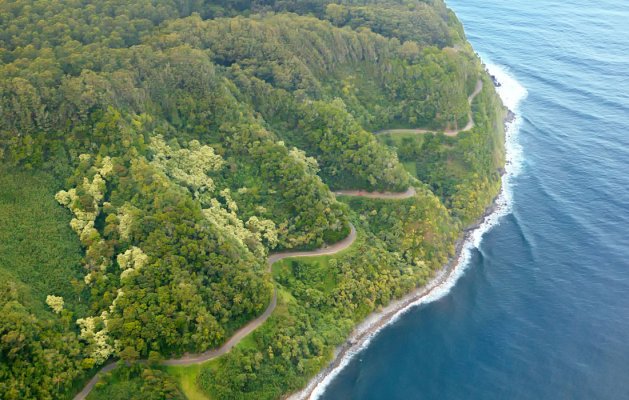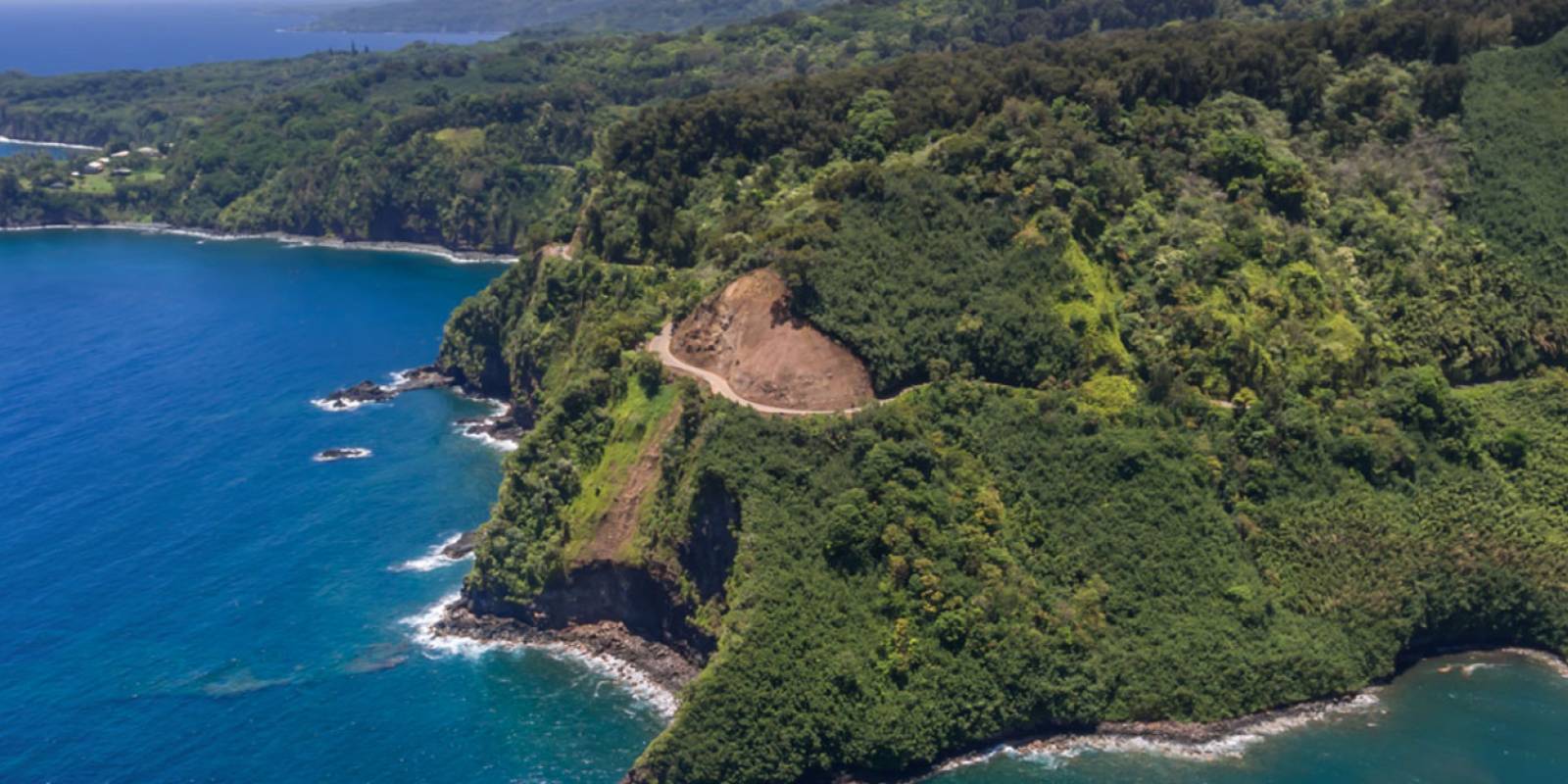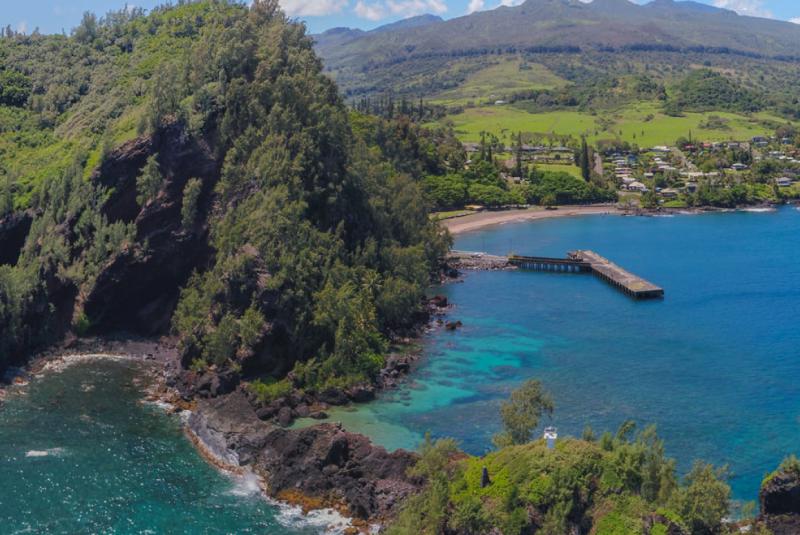


Winding Road to Hana highway along Maui's lush northeastern coastline

Road to Hana Traffic 2026: What Changed

John C. Derrick

Founder & certified Hawai'i travel expert with 20+ years of experience in Hawai'i tourism.

The Road to Hana has a traffic problem, and it isn’t new. What is new: Maui County and the state have spent the last five years installing no-parking signs, levying fines, and debating a reservation system for the entire highway. If you last drove this road before 2021, the rules have changed significantly.

I’ve been covering Hana Highway for over two decades. The pandemic era brought a strange lull followed by a flood of visitors that overwhelmed every pulloff and trailhead along the route. The county responded with enforcement. Here’s where things stand right now and how to plan your drive in 2026.

The No-Parking Crackdown: Where You Can't Stop Anymore

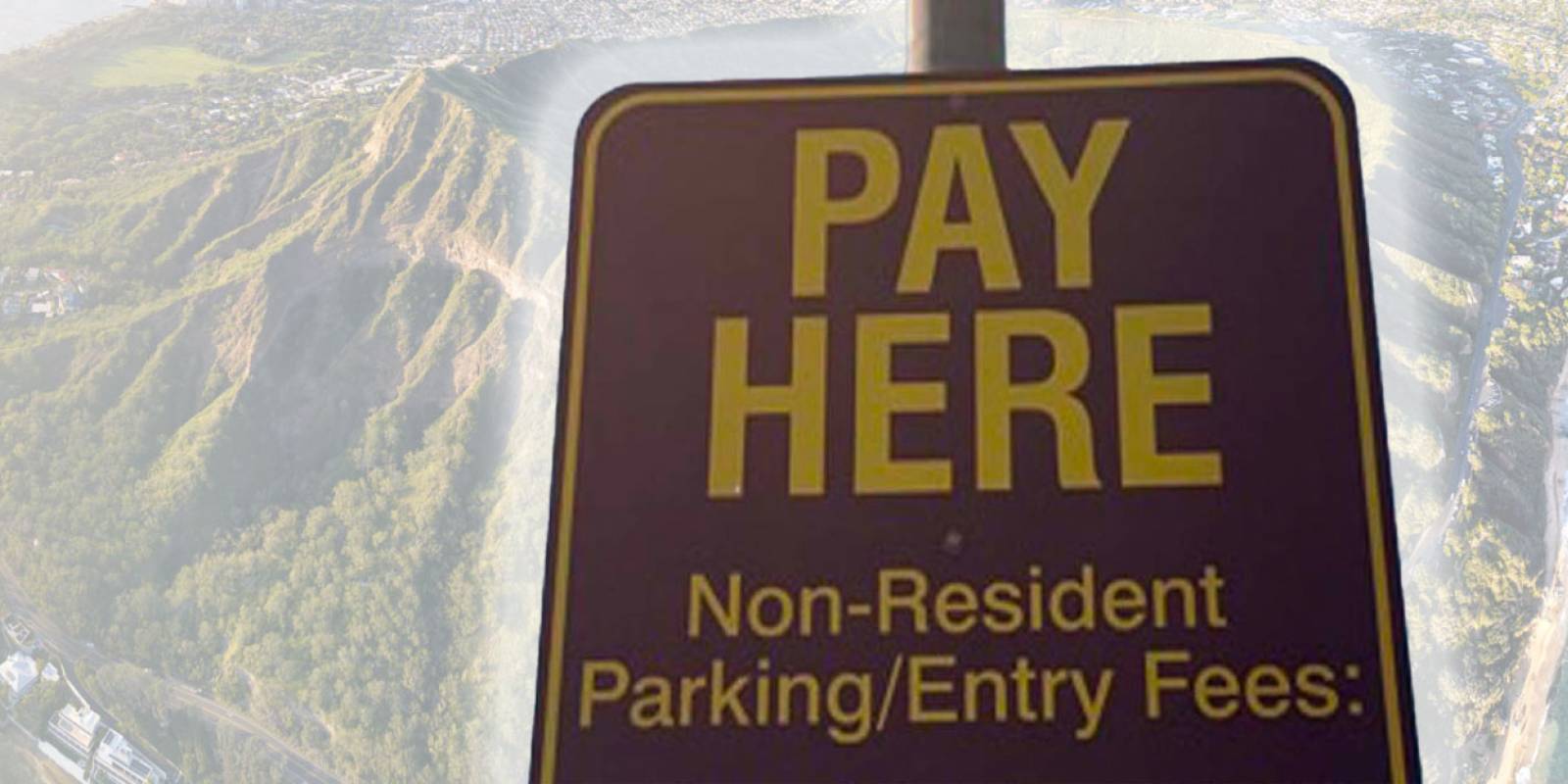
Starting in late 2021, Maui County began installing no-parking signs at the most congested spots along Hana Highway. The signs are backed by real enforcement. Get caught stopping illegally and you’re looking at a $35 parking fine plus a $200 surcharge — $235 total for pulling over where you shouldn’t.

The major no-parking zones include:

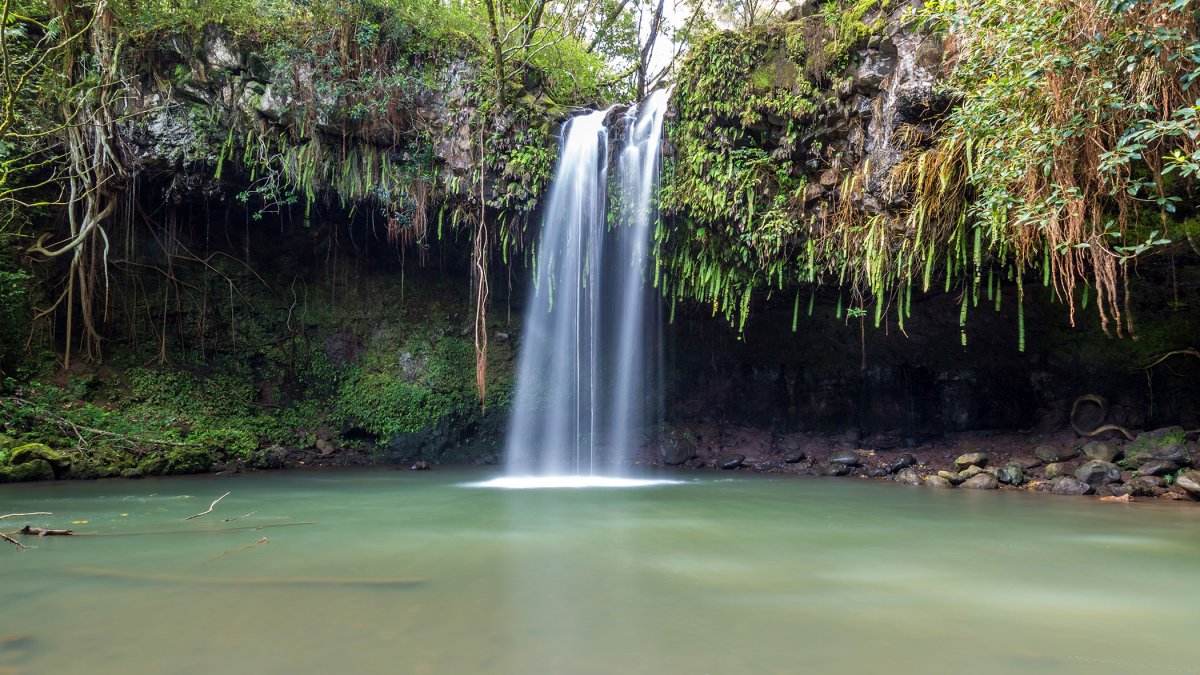
  • Twin Falls (mile marker 2) — The first big attraction on the drive. Roadside parking that once lined the highway is now restricted. There is a small private lot at the trailhead, but it fills early.
  • Bamboo Forest / Waikamoi area — The narrow shoulders here were never designed for parking. Signs now make that official.
  • Ching’s Pond — Another spot where visitors used to line the road. No-parking signs are posted and enforced.
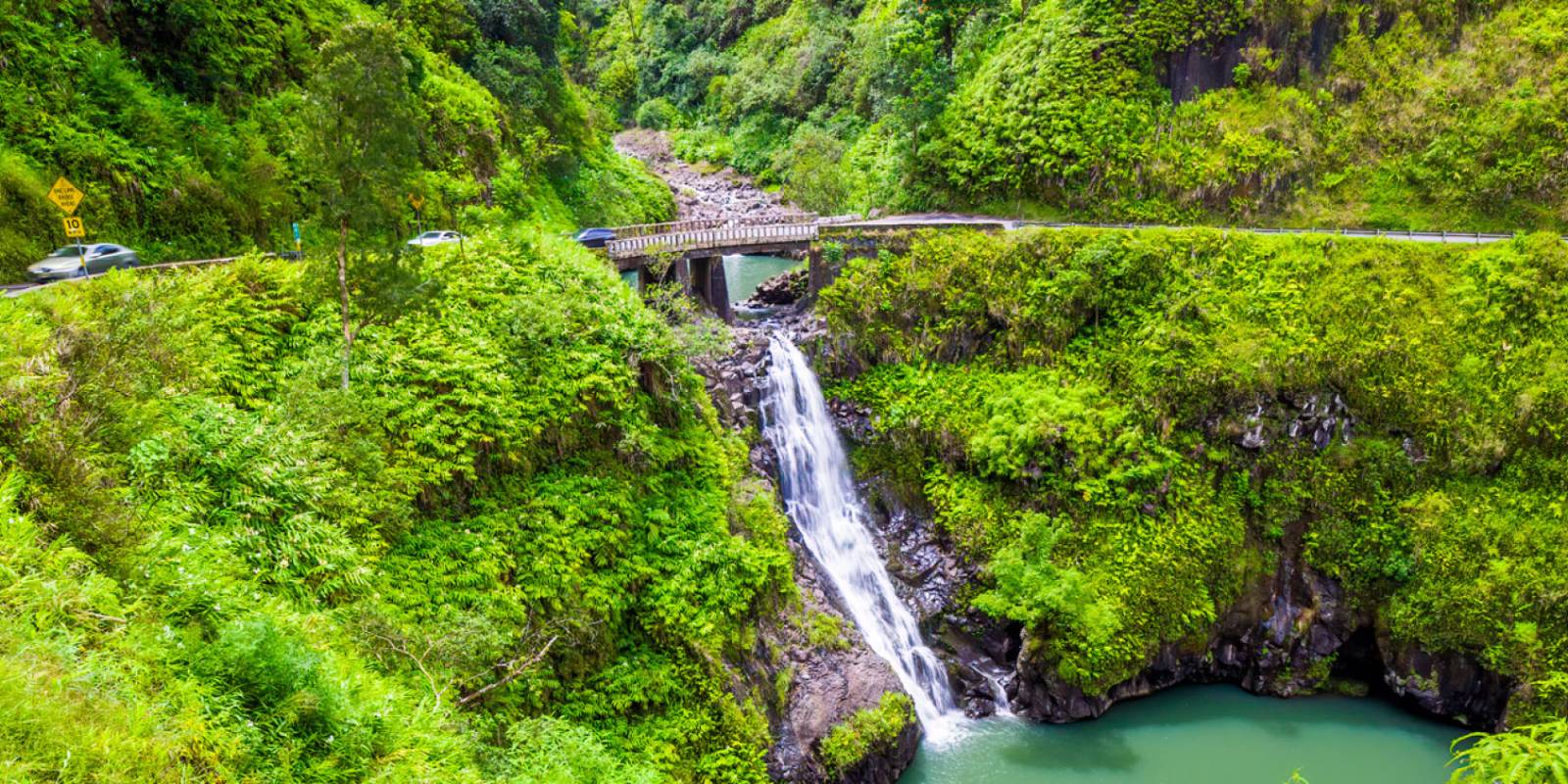
  • Hanawi Stream — Restricted roadside stopping. The bridge area gets dangerously congested.
  • Pua’a Ka’a State Wayside Park (mile marker 22.5) — The small parking lot fills fast. Overflow parking along the highway is now prohibited.

These aren’t suggestions. County enforcement officers patrol the route, especially on busy weekends and holidays. I’ve talked to visitors who assumed the signs were outdated or unenforced. They weren’t.

Wai'anapanapa State Park: Reservations Required

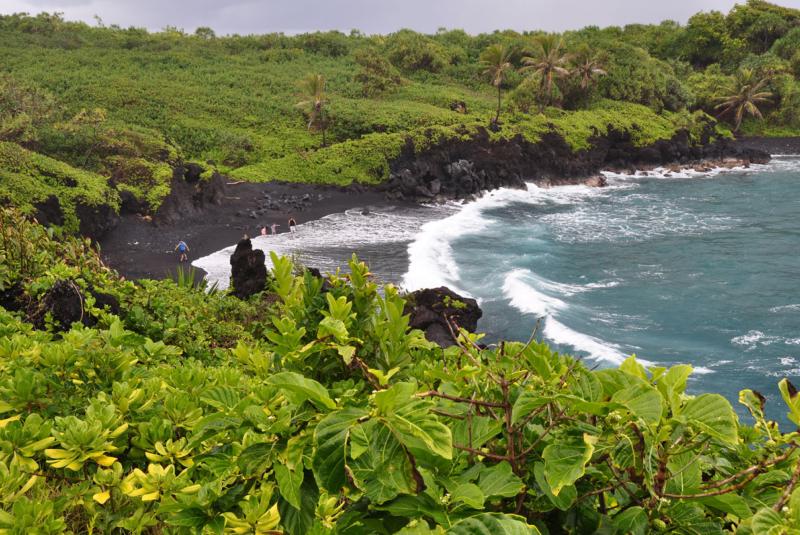
If you’re driving to Hana, you probably want to see Wai’anapanapa State Park — the black sand beach, the sea caves, the blowhole. Since 2021, you need a reservation to enter. No reservation, no entry. This isn’t loosely enforced; they check at the gate.

The cost: $5 per person (non-resident) plus $10 for parking. Reservations are made through the Hawai’i DLNR reservation system. Time slots fill up, especially during peak season (December through March and June through August). Book as early as the system allows — slots can sell out weeks in advance.

This reservation system has actually helped the park itself. The beach isn’t as crushingly packed as it was in 2019. But it means you need to plan ahead, not just show up and hope.

For a full breakdown of park fees and reservation requirements across all islands, check our fees and reservations guide.

The Bigger Question: A Reservation System for the Whole Highway?

For years, Maui County officials, state legislators, and Hana residents have debated implementing a reservation or permit system for the entire Road to Hana — not just individual parks.

The concept: cap the number of vehicles entering the highway each day, possibly through a timed-entry reservation and shuttle system. Proposals have included designated parking hubs in Kahului or Pa’ia where visitors would board shuttles rather than driving themselves.

As of March 2026, no comprehensive reservation system for the full highway has been implemented. The discussions continue. Bills have been introduced, community meetings held, studies commissioned. But the logistics are complex — this is a state highway that also serves as the only road for Hana residents, and any system needs to guarantee locals unrestricted access.

What has happened is incremental enforcement: the no-parking signs, the Wai’anapanapa reservation requirement, increased police presence, and periodic closures of specific trailheads when parking lots reach capacity. It’s a patchwork approach, but it’s the reality on the ground right now.

The Hana community has been vocal about one thing: they want fewer cars on the road. Whether that takes the form of a formal reservation system or continued enforcement expansion, expect the trend toward restricted access to continue.

Self-Drive vs. Guided Tour: The Honest Trade-Offs

This is the first decision you need to make, and the parking situation has tilted the math.

Self-driving gives you full control. You stop where you want, stay as long as you want, and set your own pace. The Road to Hana rewards spontaneity — an unmarked waterfall, a fruit stand, a stretch of coastline that catches the light just right. You lose all of that on a fixed itinerary.

But self-driving also means you own the parking problem. You’re competing with hundreds of other rental cars for a handful of legal spots. You’re responsible for not getting a $235 ticket. And you’re driving 620 curves and 59 bridges on a narrow, unfamiliar road — which is genuinely stressful for some people.

Guided tours eliminate the parking headache entirely. The driver knows where to stop, where to skip, and how to time the route to avoid the worst congestion. Good tour operators have relationships with private landowners for access to stops you can’t reach on your own. You also get context — the history, the ecology, the Hawaiian place names and their meanings.

The downside: you’re on someone else’s schedule. Most tours pack in too many stops and rush through each one. You don’t get to linger. And you’re in a van with strangers.

My take: if you’re a confident driver and willing to start early, self-drive is still the better experience. If driving stresses you out or you’re short on time, a tour makes sense. Either way, you need a rental car for the rest of your Maui trip. I recommend booking through Discount Hawaii Car Rental — they aggregate rates from the major agencies and consistently beat direct booking prices.

Practical Tips for Beating the Congestion

I’ve driven this road more times than I can count. Here’s what actually works.

Leave before 7 AM. This is the single most effective thing you can do. The bulk of visitors leave their hotels between 8 and 9. If you’re past Twin Falls by 7:30, you’ll have the first half of the drive largely to yourself. The waterfalls are better in morning light anyway.

Go on a weekday. Saturdays and Sundays are the worst. Monday through Thursday thins the crowd noticeably. If your schedule allows it, pick a Tuesday or Wednesday.

Don’t try to see everything. This is the mistake that creates the traffic. People treat the Road to Hana like a checklist — 20 stops in 12 hours, racing from one to the next. Pick five or six spots that genuinely interest you. Spend real time at each one. You’ll see more by seeing less.

Consider the reverse route. Driving the “back road” to Hana — south side of the island through Kaupo — flips the typical traffic pattern. You arrive in Hana from the opposite direction while everyone else is still inbound on the north shore. The southern route past ‘Ohe’o Gulch is rougher (some rental companies technically prohibit it, though enforcement varies), but it’s dramatic and uncrowded.

Fill your gas tank in Pa’ia. There’s one gas station in Hana. Its prices reflect the monopoly. Fill up before you start.

Pack food and water. Roadside stands sell great banana bread and fresh fruit, but don’t count on finding a meal at a specific time. Bring more water than you think you need, especially if you’re hiking.

Respect Hana Town

One thing that gets lost in the traffic conversation: Hana is a real community. About 1,200 people live there. The highway is their only road — to work, to school, to medical appointments in Kahului.

When thousands of tourists clog that road every day, then turn around at the black sand beach without spending a dollar in town, it creates resentment. Understandably.

If you drive to Hana, actually go to Hana. Eat at a local restaurant. Browse the shops. Visit Hana Cultural Center. The town is beautiful and has a pace of life that most of Maui lost decades ago. Give it more than a windshield view.

And on the drive itself: use the pulloffs to let faster traffic pass. If you’ve got three cars behind you, pull over. It’s not just courtesy — it’s the law in Hawai’i. Slower traffic must yield.

The Bottom Line for 2026

The Road to Hana is still one of the best drives in America. That hasn’t changed. What has changed is that you can’t wing it anymore.

Know the no-parking zones before you go. Book your Wai’anapanapa reservation early. Start your drive at dawn. Pick your stops in advance. Respect the community you’re driving through.

The era of unlimited, unmanaged access to this road is ending. The enforcement will only increase. Plan accordingly, and the drive is still extraordinary. Show up unprepared, and you’ll spend the day stressed about parking tickets instead of watching waterfalls.

Plan Your Road to Hana Trip

Get Hawaii Tips in Your Inbox

Join 150,000+ subscribers. Free Hawaii travel tips, deals, and local insights. Unsubscribe anytime.

Maui

Affiliate Disclosure: We may earn commissions from some travel partners (like Amazon or Expedia) which helps us maintain this site. These links are at no extra cost to you and don't impact our honest & unbiased recommendations.

Article Published: