
Hawaii rental car break-ins are one of the most common property crimes visitors report. Not violent crime. Not scams. A back window punched out at a trailhead while you’re up at the waterfall. A bag pulled from under the seat at a beach park while you’re in the water. The fix is mostly a short routine you do before you ever leave the hotel. The recent advisories are real. In January 2024, the Hawaiʻi Police Department warned the public about an uptick in vehicle break-ins in Kona, with most cases involving either unlocked cars or visible valuables. (Hawaiʻi Police Department) On Kauaʻi, KPD opened an investigation into a string of Wailua-area break-ins in July 2023 and reissued the same warning: lock the car. Take your valuables with you. Park where people can see. (Hawaii News Now) Maui PD ran a similar advisory that November about thefts from vehicles at Iao Valley, South Maui beach parks, and highway pullouts. (Maui News) The encouraging news: the problem is shrinking on Oʻahu where it used to be worst, and the prevention playbook is simple. Here’s how summer 2026 visitors should handle it.
Why It Happens to Visitors
Rental cars are easy to spot. They’re newer and cleaner, and they sit at exactly the spots where the driver is going to be away from the car for an hour or more — a popular trailhead, a snorkel beach, a scenic lookout. Thieves who target these lots aren’t looking for a long heist. They want a window broken and a bag grabbed in under a minute. Most reported cases involve either unlocked vehicles or valuables left in plain view. (Hawaiʻi Police Department) The Honolulu Police Department puts it plainly to visitors: “Lock car doors and don’t leave packages or bags in plain view,” and store valuables in a hotel room safe instead of carrying them around the island. (Honolulu Police Department) Anyone watching a parking lot at a popular trailhead figures out quickly which cars are tourist rentals and which ones look “shopped.” Yours doesn’t have to.
The Honolulu Surveillance Story (Why Some Lookouts Are Now Boring Targets)
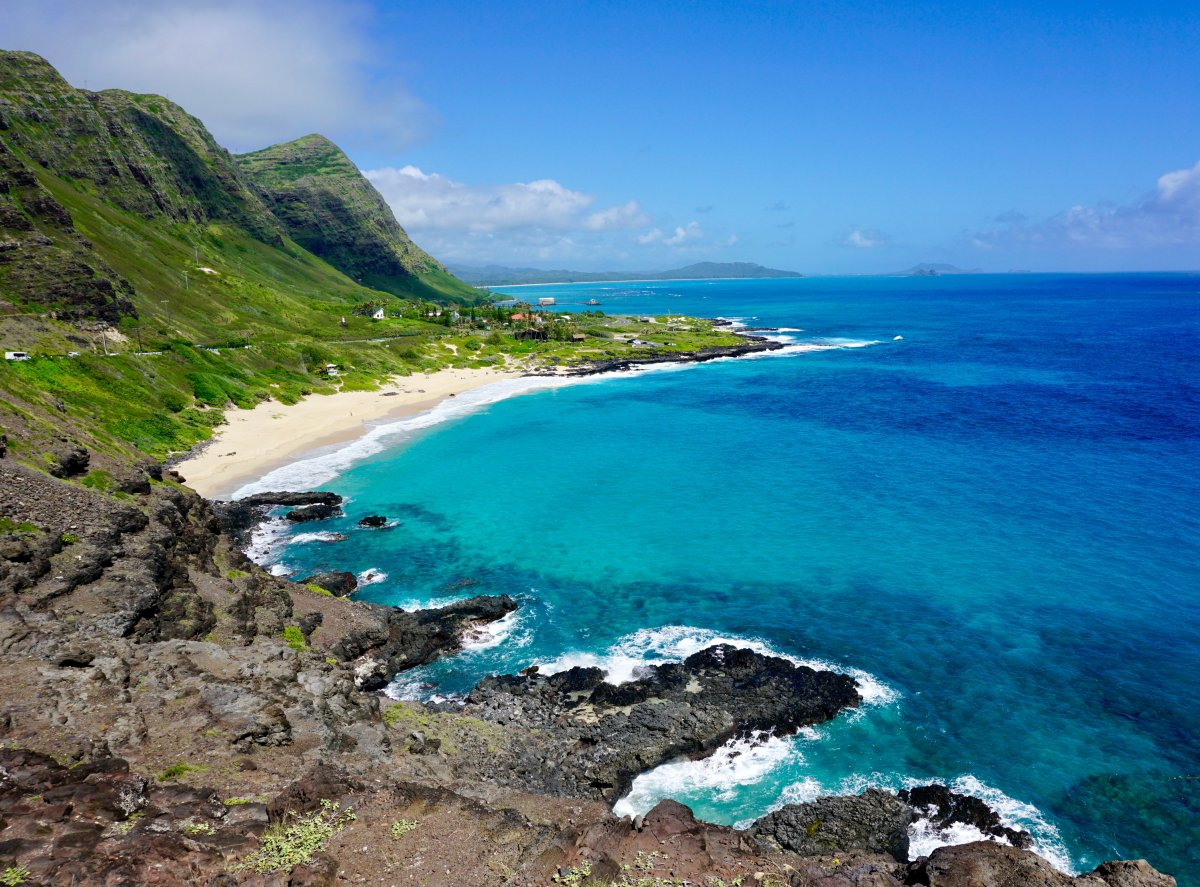
In 2023, East Honolulu’s scenic lookouts were a disaster zone for visitors. HPD recorded 255 vehicle break-ins at lookouts including Makapuʻu, the Halona Blowhole, and several others on the East Oʻahu loop. In August 2024, the city deployed an overt camera-trailer system at four of the worst lots, funded by a $65,000 pilot under City Council Resolution 24-64. The first month after deployment, break-ins at those lookouts dropped from 42 the prior month to zero. (Hawaii News Now, KHON2) Two takeaways for summer 2026 visitors. First, the East Oʻahu Circle Island stops most travelers do — Makapuʻu, the Blowhole, the Sandy Beach overlook — became dramatically safer once cameras went up. Second, those camera trailers don’t cover every popular pull-off on every island. Trailheads and beach parks elsewhere still see advisories, which is why the prevention routine below applies anywhere you park a rental.
Where Break-Ins Still Happen
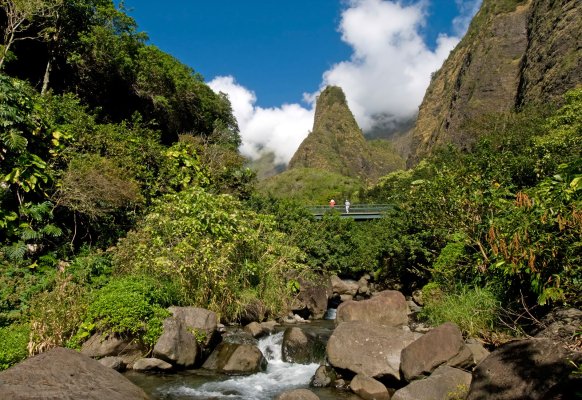
Trailhead lots like Iao Valley on Maui are exactly the kind of spot break-ins target — high turnover, isolated parking, and visitors clearly gone for at least 30–60 minutes. Maui PD has named it in past advisories.
You won’t find an official heat map, because police departments report by district, not by trailhead. But the patterns from the past two years of advisories tell a consistent story. Treat any spot that meets all three of these criteria as a higher-risk lot:
- Visitors are clearly gone for an hour-plus. Trailheads to waterfalls and ridge hikes, scenic lookouts where people walk a quarter-mile path, snorkel beaches where you're in the water.
- Parking is set back from foot traffic. Dirt pullouts on the Hāna Highway. Roadside parking at the Pololū Valley overlook. Residential streets near Lanikai. Anywhere a thief can work without being watched by a steady stream of pedestrians.
- Most cars in the lot are obvious rentals. Hawaiʻi rentals carry Hawaiʻi plates, so license origin isn't the giveaway. Model year, cleanliness, and contents (sun hat on the dash, beach bag visible, GPS suction-cup ring on the windshield) all flag a tourist.
Specific spots that have shown up in police advisories over the last few years: trailhead lots in Mānoa Valley on Oʻahu, Hāna Highway pullouts, Iao Valley parking, and South Maui beach parks (per Maui PD’s November 2023 advisory (Maui News)), the Wailua corridor on Kauaʻi (per KPD’s July 2023 advisory (Hawaii News Now)), the North Kohala area near Pololū Valley on the Big Island (Big Island Video News), and street parking around Lanikai Beach and the Lanikai Pillbox trailhead on Oʻahu’s Windward side. The point isn’t to avoid these places. The point is to assume the lot may be watched and pack the car accordingly.
The Quick Routine That Cuts Your Risk

The trick is doing your packing in the hotel room, not the trailhead lot. Don't move anything from cabin to trunk in public — that's exactly the moment a thief is watching for.
Every officer-issued advisory comes back to the same five rules. Treat them as a checklist before you start the engine each morning:
The reason “pack at the hotel” matters more than any other tip: a clean cabin is the strongest deterrent there is. Thieves don’t break a window to find out if there’s anything worth taking. They break a window because they already saw something. Eliminate the something and the lot stops being a target.
What's Actually Worth Worrying About vs. What Isn't
Hawaiʻi rental car break-ins are property crimes, not personal-safety crimes. The thief wants to be in and out before anyone gets back to the lot. That changes what you should and shouldn’t worry about: Worry about: phones, wallets, laptops, cameras, prescription medications, passports, and anything with payment-card data. These are the targets. Worry less about clothing. Suitcases full of clothes aren’t really what thieves want — the resale value is near zero compared to electronics and cash. (Living in Hawaii) That said, never leave a suitcase visible. A bag-shaped bag in plain view can still trigger a smash-and-grab even if the contents are low-value. If your luggage has to ride along between hotels, put it in the trunk before you arrive at the trailhead, not after. What you don’t see in visitor reports: the rental car itself getting taken. The crime visitors usually deal with is window-smash-and-grab, not auto theft. Park where you’d park anywhere on the mainland and focus on what’s inside the cabin.
Beach-Day Specifics
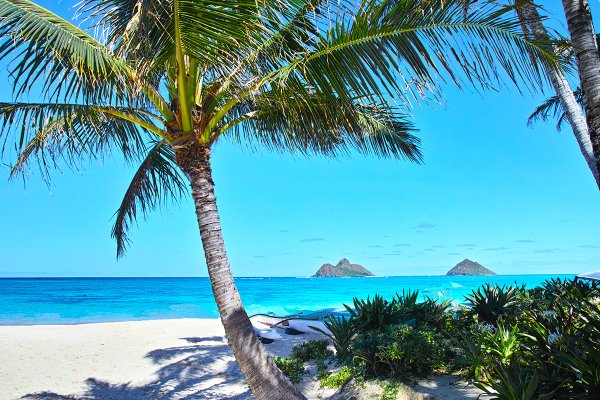
At beaches like Lanikai where parking is on residential streets, a waterproof drybag in the water with you is much safer than anything tucked under a seat.
Snorkel and beach days are higher risk than hikes because the car sits unattended longer and the parking is often on residential streets or in unmonitored beach lots. Two things to do specifically on beach days: First, get a small waterproof drybag before your trip. The kind that floats. Phone, ID, one card, and the car key go in the bag. The bag goes with you in the water, clipped to your snorkel float or wrist tether. Don’t leave it on the beach unattended. The whole point is that valuables stay with you. Second, if your rental key is the smart-key kind that can ride in the bag, great. If it’s a metal key that has to live somewhere on the beach, use one of those small combination lockboxes that clip to a wheel. Don’t bury the key in the sand. Don’t put it on top of the tire. Both of those tricks are well-known and the cars they’re attached to get found. Rental companies usually keep the rental contract and registration in the glove box, and Hawaiʻi law requires the certificate of registration to stay with the vehicle. What you should take with you: any printed itineraries, hotel keycards, or paperwork with your name and home address. A break-in plus a known-empty hotel room plus your home address is a worse problem than a break-in alone.
If It Happens Anyway
A small percentage of break-ins still happen even when you do everything right. Here’s the order of operations: 1. If your phone was in the car, wipe it first. Use a hotel computer or a friend’s phone to remote-wipe via iCloud Find My or Google Find My Device, and call your carrier to suspend the line. Do this before standing around the parking lot if banking apps or stored payment cards were on the device. 2. Don’t touch anything in the car. Take photos of the damage and the contents from outside. Note the time you left the car and the time you returned. 3. Call the local non-emergency police line and file a report on scene. You’ll need the report number for both your rental car company and your travel insurance. For an emergency or a crime in progress, call 911. For non-emergency reporting:
- Honolulu Police Department: 911 for in progress; otherwise use the district station directory on HPD's site to find the right precinct.
- Hawaiʻi Island Police (Big Island): (808) 935-3311.
- Maui Police Department: (808) 244-6400.
- Kauaʻi Police Department: (808) 241-1711.
4. Call your rental car company. They have a 24-hour roadside number on the contract. Most major rental companies will swap your vehicle. Policies vary on whether broken-glass damage is on you or covered. They’ll ask for the police report number. 5. Call your credit card or travel insurance. Some travel insurance policies cover personal effects taken from a rental car, with documentation, and some premium credit cards include similar coverage if you booked the trip on the card. Coverage details vary widely by policy. Our Hawaii travel insurance guide walks through what to check. 6. If your passport is gone, U.S. citizens can fly home domestically without a passport: TSA has an identity-verification process at the checkpoint when you don’t have acceptable ID, though it adds time. A state-issued ID makes it easier. International visitors should contact their nearest consulate for emergency replacement; the Honolulu consular district covers most countries with a Pacific presence.
The Summer 2026 Picture
Several factors are working in visitors’ favor this summer: The East Oʻahu lookouts have been a low-risk story since cameras went up. The HPD pilot started as a six-month deployment in August 2024, and the data from the first month after deployment showed break-ins at those four lookouts drop to zero. (Hawaii News Now) HPD officials publicly hoped to extend the program. Whether the camera trailers are still in place when you visit isn’t something I can confirm in advance, so use the same routine at Makapuʻu and the Blowhole that you’d use at any other lot. Recent police alerts on the neighbor islands followed reported clusters and warned visitors what to do. The January 2024 Kona advisory and the July 2023 Wailua advisory both spelled out the same prevention steps used in this article. The Kona Community Policing Section’s Sgt. Wyattlane Nahale ((808) 326-4646, ext. 259) was the named contact for Big Island reports in that advisory. (Hawaiʻi Police Department) Managed-access parks are lower risk than unmanaged pullouts. Reservation systems at Diamond Head (DLNR), Hāʻena State Park (gateway to the Kalalau Trail on Kauaʻi), and Hanauma Bay mean parking is staffed and capped. The newer DLNR fee parks like Wailua River / Rainbow Falls (DLNR) and Puʻu Ualakaʻa add staffed gates without the reservation layer. Either way, a fee booth and visible attendants change the risk profile of the lot. The cost is real (typically about $5 per person and $10 per vehicle for non-residents at parks like Diamond Head and Wailua River), but the parking-lot risk is lower than at unmanaged pullouts. DLNR has cited maintenance and security as part of the rationale for non-resident park fees. (Office of the Governor) The summer 2026 advice in one line: pack the trailhead bag in the hotel room, never the parking lot. Pretty much everything else is downstream of that.
One Last Thing
Hawaiʻi is a low-violent-crime destination for most visitors compared to mainland tourist hubs. The break-in problem is real and worth preparing for, but it should not change where you go, what you hike, or which beaches you visit. Many popular scenic stops have seen advisories at some point. The fix is the same in every case, and it takes thirty seconds at the hotel each morning. The other thing worth saying: locking up at the trailhead is a courtesy to the property owner, the rangers, the volunteers, and the next visitor. Glass on the ground at a popular pullout becomes the parks department’s problem, not the thief’s. Treating the parking lot like a public space — clean cabin, no visible valuables, no temptation — is part of being a good visitor in the same way that picking up trash on the trail is. For more on the practical side of a Hawaiʻi rental, our Hawaiʻi car rental guide covers Turo vs. traditional rental tradeoffs and our rental car cost calculator handles the budget side. Have a great summer.