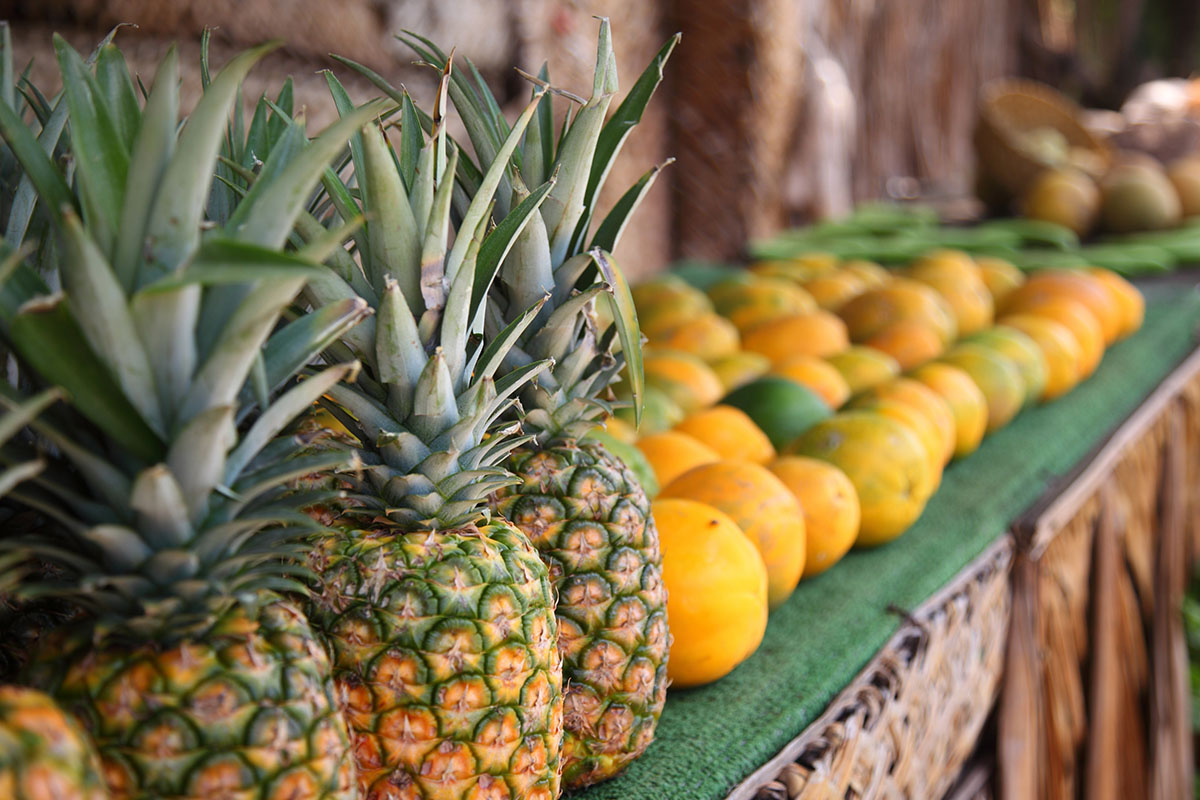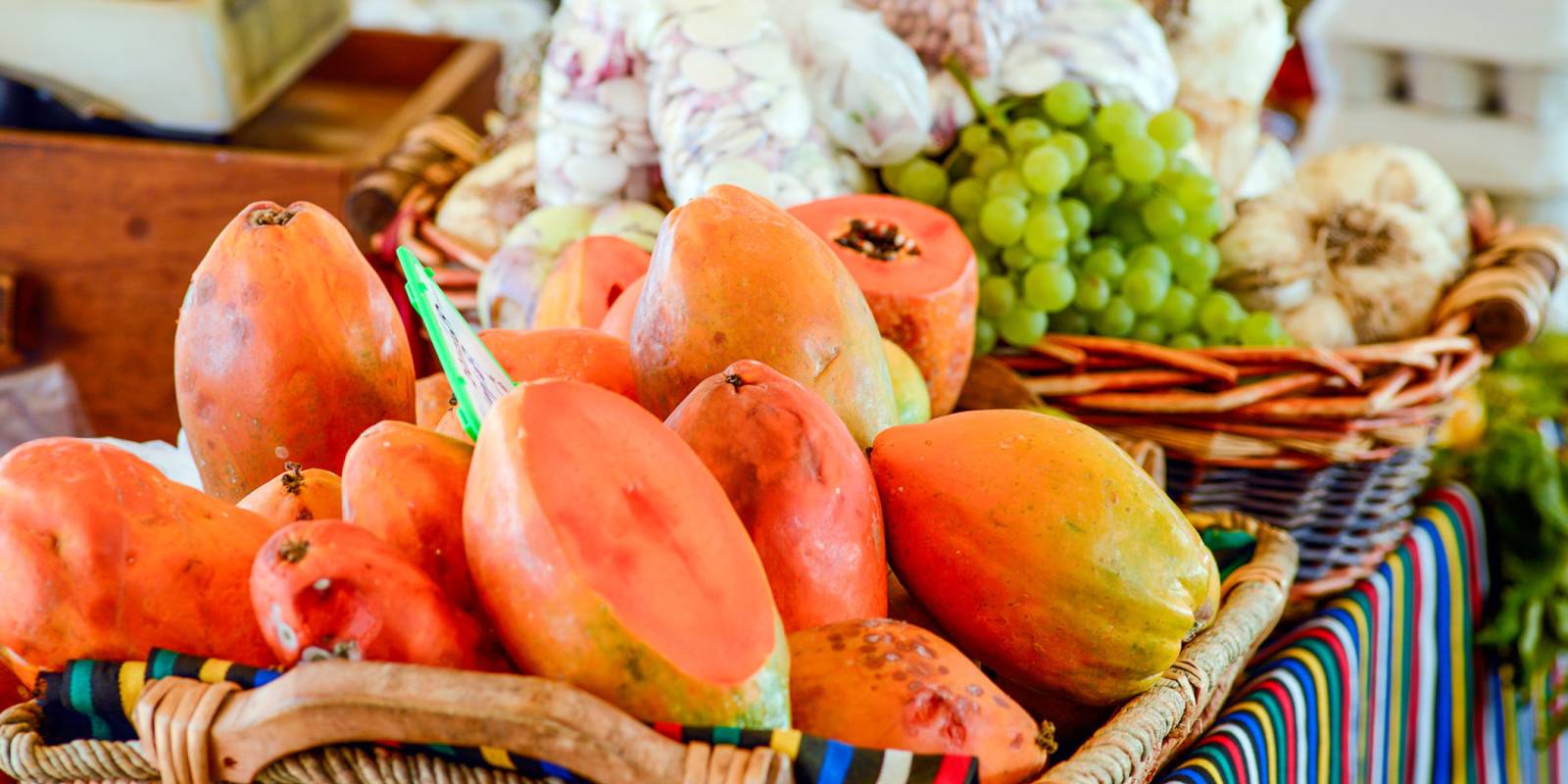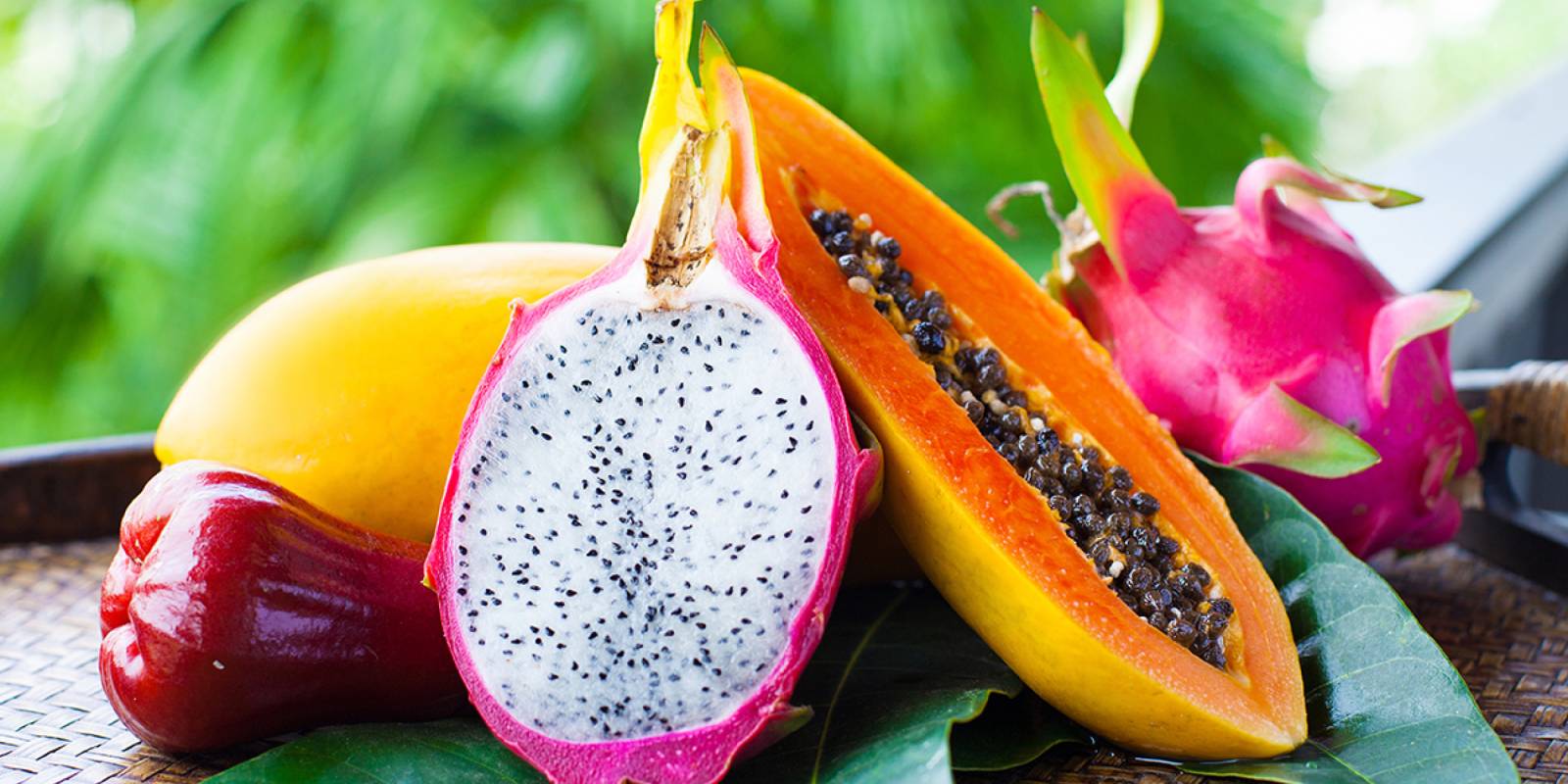

Most visitors arrive in Hawaiʻi assuming a mango is a mango. The fruit they’ve eaten on the mainland is almost always one of two commercial varieties, Tommy Atkins or Ataulfo, bred for shipping durability and shelf life rather than flavor. (The National Mango Board lists both among the most widely available U.S. varieties.) Hawaiʻi mango season runs on different stock entirely. The trees in residential backyards across the islands carry varieties most mainland eaters have never tasted: Hayden, Pirie, Rapoza, Keitt, Mapulehu, Common, plus dozens of named regional crosses that exist in one neighborhood and nowhere else.
If you’re visiting between late May and early October 2026, mango is one of the easier things to build a morning around. This piece covers what’s ripe when, which varieties to look for, where to find them outside the obvious tourist markets, and how to tell a tree-ripened Hayden from a stringy supermarket-grade fruit that wandered into the wrong stand.