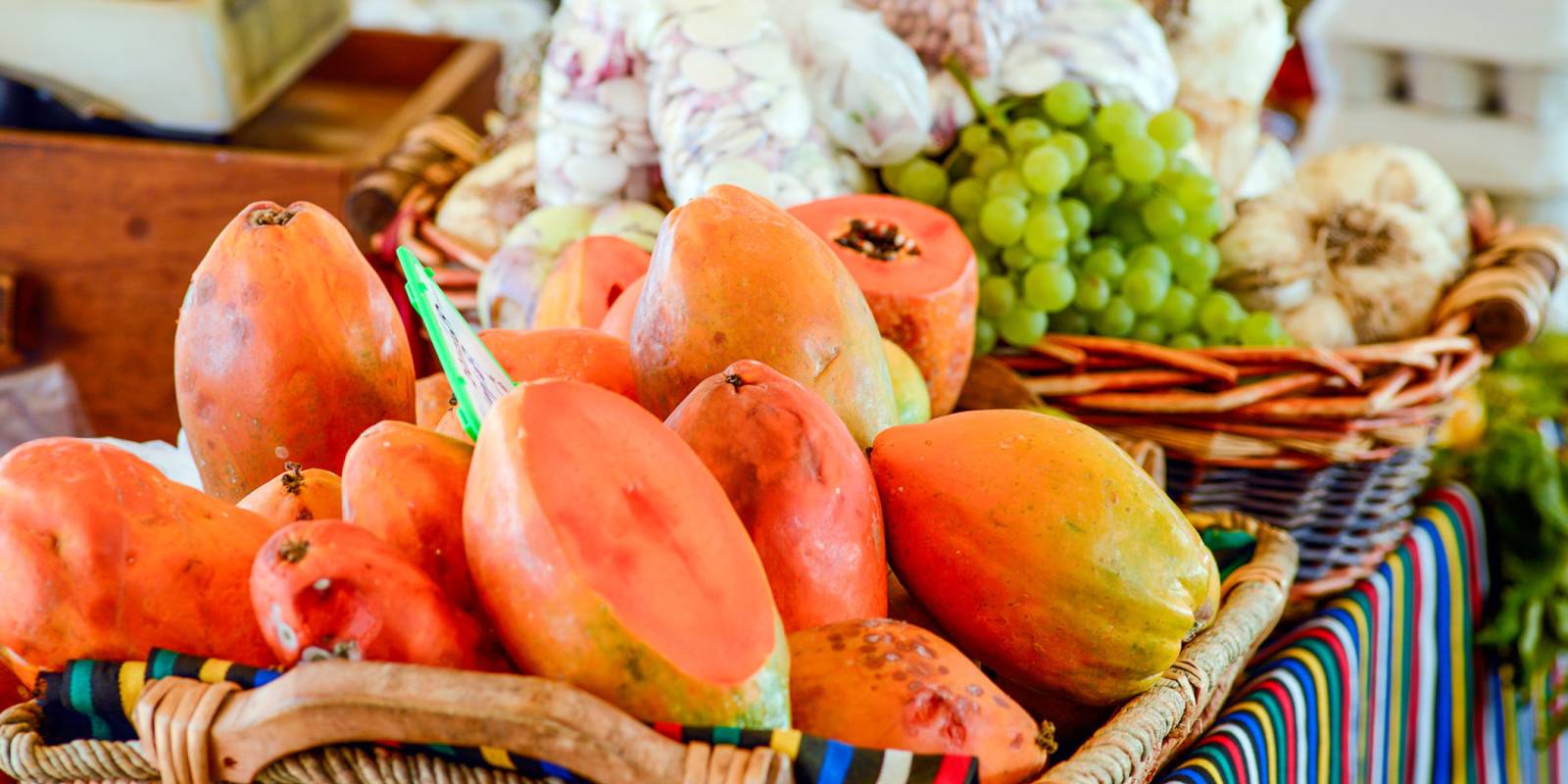
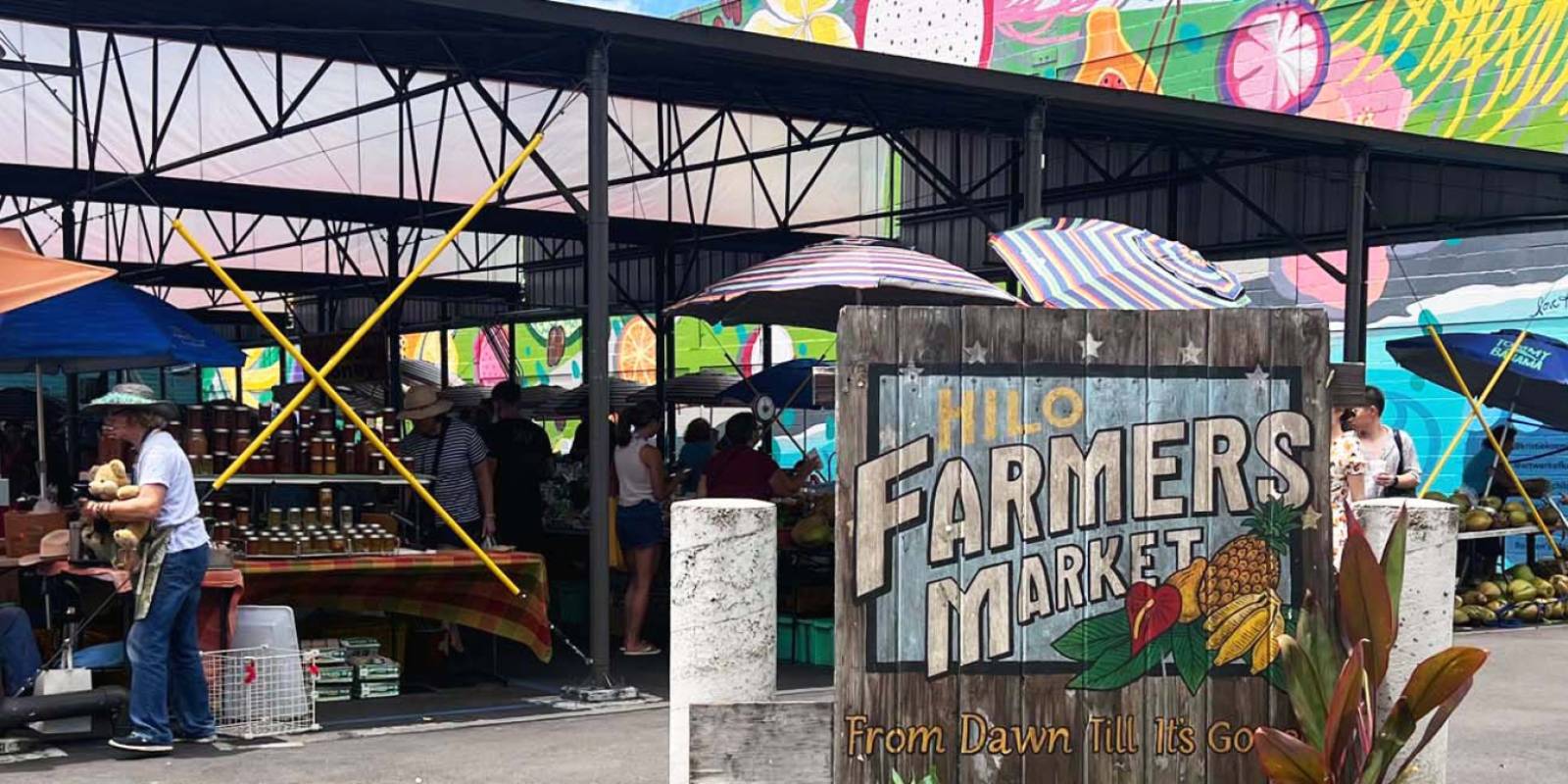

Bringing food and souvenirs home from Hawaii starts with a federal agricultural inspection that every bag headed to the U.S. mainland, Alaska, or Guam has to clear. Most visitors do not notice it until departure morning, because the inspection is built into the airport flow. Checked bags get screened by USDA APHIS before they reach the plane, and carry-ons go through a separate inspection desk before TSA security. By the time you sit down at the gate, your pineapple and your bag of Kona coffee have already cleared the checkpoint that matters.
The inspection is not designed to ruin your souvenir run. It exists because Hawaii-grown fruit, flowers, plants, seeds, soil, and wood can carry pests or plant diseases to places that do not already have them. The federal Animal and Plant Health Inspection Service (APHIS) screens passenger bags before they leave Hawaiʻi for the mainland, Alaska, and Guam, and the current traveler page is the official reference to check before you pack anything unusual. (USDA APHIS — Traveling with agricultural products from Hawaiʻi)
Most of what visitors actually want to bring home is fine after inspection. The list of allowed items is practical, the restricted items are well documented, and certified farms or vendors usually have the treatment and labeling worked out before you buy. The trick is knowing which is which before you pack, so you do not watch a fresh fruit box or lei land in the confiscation bin on departure day.