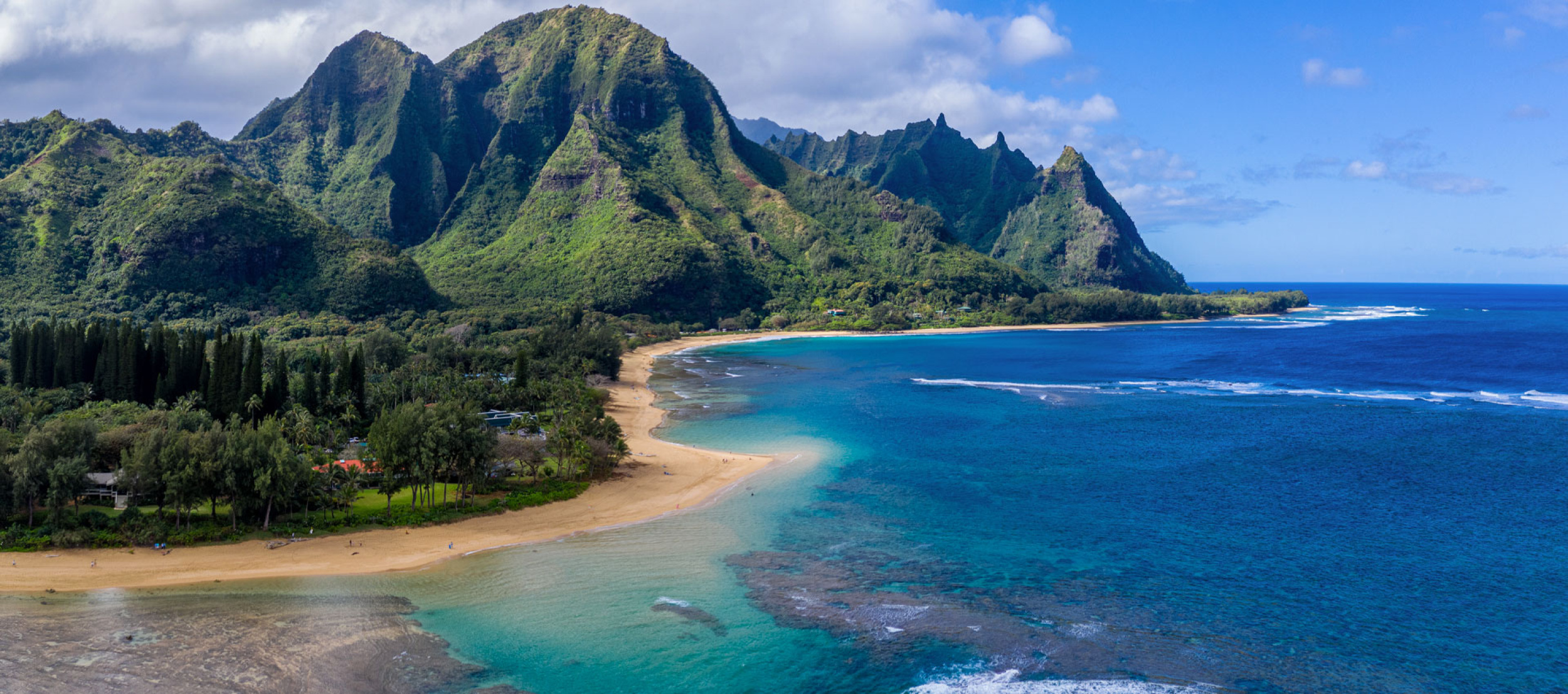
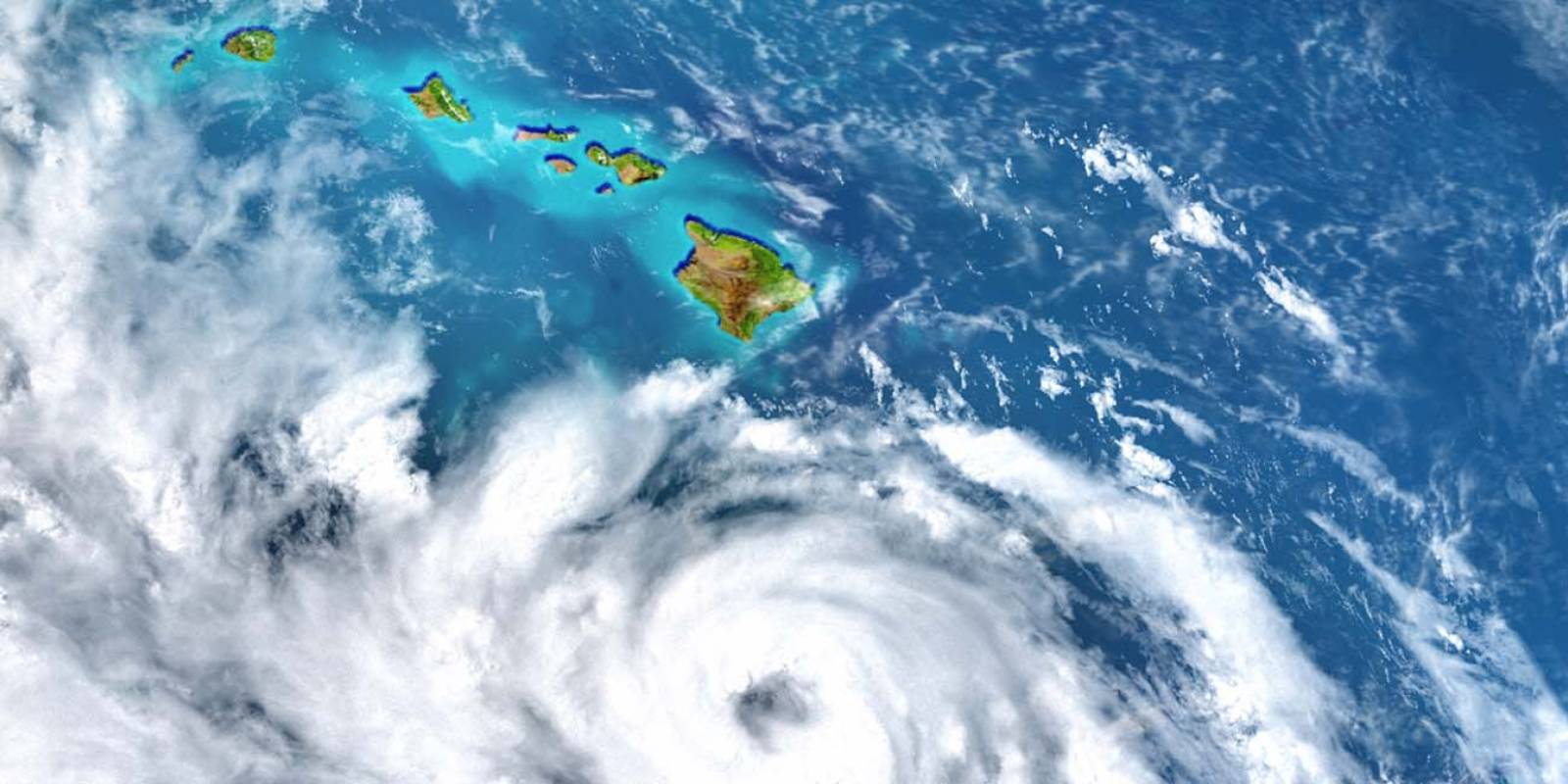


Storm clouds gathering over Hawaiian coast

Hurricane Season in Hawaii

John C. Derrick

Founder & certified Hawai'i travel expert with 20+ years of experience in Hawai'i tourism.

When people think “hurricanes,” they think Florida, the Bahamas, the Gulf Coast. Hawaii rarely enters the conversation. And for good reason: hurricanes hitting the Hawaiian Islands are extraordinarily rare. But rare doesn’t mean impossible, and Hawaii does have an official hurricane season. It runs from June 1 through November 30 every year. If you’re planning a trip during those months, here’s what you actually need to know — and why you almost certainly don’t need to worry.

Hurricane Iniki: The One That Hit

The last major hurricane to make a direct hit on Hawaii was Hurricane Iniki in September 1992. It slammed into Kauai with sustained winds of 140 mph, killed six people, and caused an estimated $3.1 billion in damage (adjusted for inflation). It was devastating. It was also over 30 years ago, and nothing close to it has happened since.

That’s the entire modern history of major hurricane strikes in Hawaii. One storm. One island. In the decades since, a handful of tropical storms and near-misses have rattled nerves — Hurricane Lane in 2018 brought heavy rain to the Big Island, and Hurricane Douglas in 2020 passed uncomfortably close to Maui and Oahu — but neither made the direct hit that forecasters feared.

The Numbers Are on Your Side

I’m going to put this bluntly. Since 1949, fewer people have been killed by hurricanes in Hawaii than are killed by lawnmowers in the United States in a single year. Fewer than are killed by escalators. That’s the statistical reality.

Why so rare? Hawaii sits in the Central Pacific, where ocean temperatures and wind shear patterns are generally less favorable for hurricane formation and intensification than the Atlantic or Gulf of Mexico. The USGS has also speculated that Hawaii’s volcanic topography may play a role in disrupting storm systems as they approach.

None of this means a hurricane can’t hit Hawaii. It means the odds of one disrupting your vacation are extremely low.

Watch vs. Warning: Know the Difference

If you’re in Hawaii during hurricane season and a storm forms in the Central Pacific, you’ll hear two terms on the news:

Hurricane Watch means conditions are possible — a storm exists, and it could affect the islands within 48 hours. This is not a reason to panic. It’s a reason to pay attention.

Hurricane Warning means forecasters at the Central Pacific Hurricane Center are actively tracking a storm that is expected to bring hurricane conditions to the area within 36 hours. This is when you take action.

Most watches never escalate to warnings. Most warnings don’t result in a direct hit. But knowing the distinction keeps you from overreacting to a watch or underreacting to a warning.

What Actually Happens During a Storm Threat

If a hurricane or tropical storm does threaten the islands while you’re visiting, here’s the practical reality:

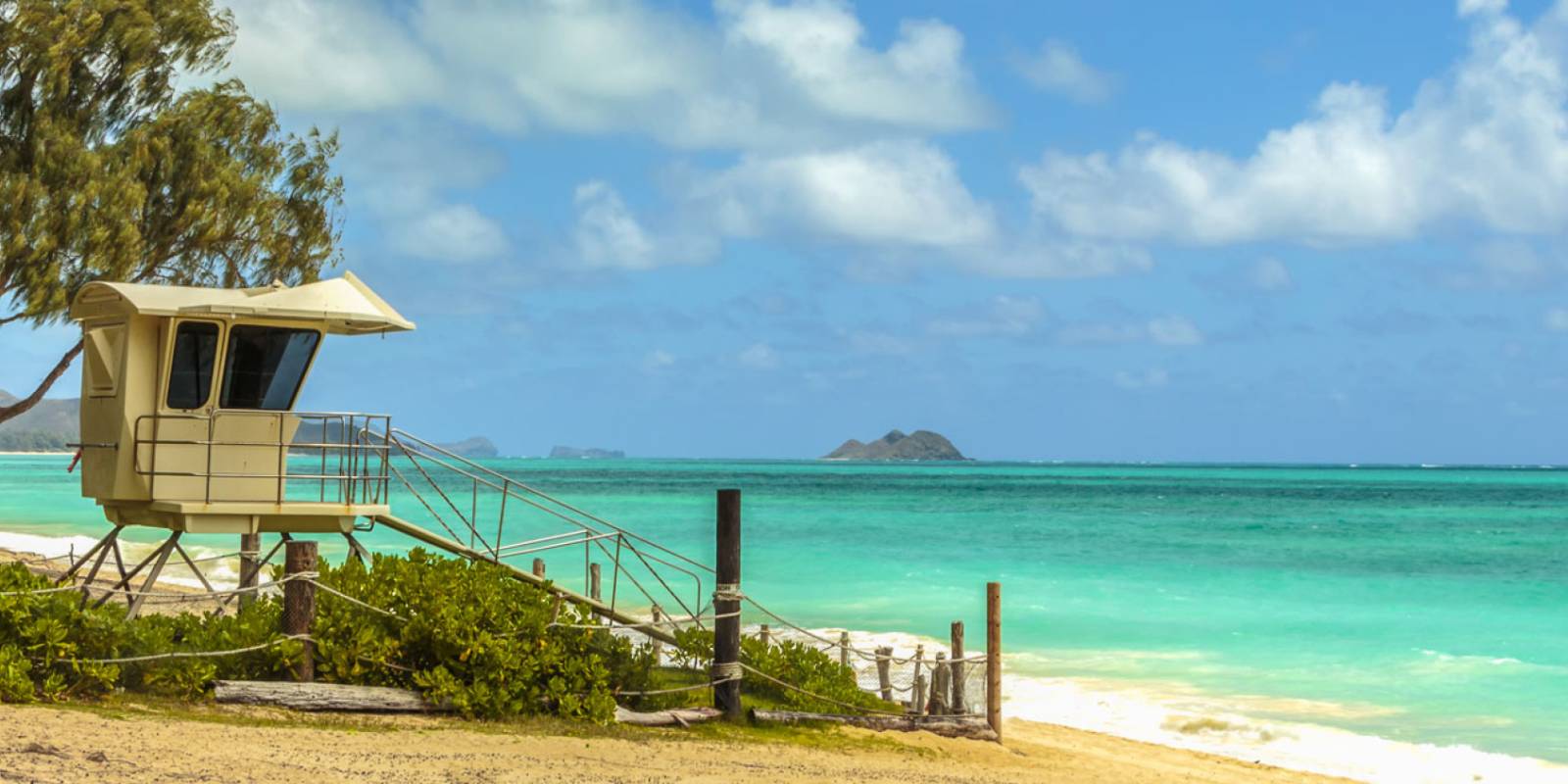
  • Beaches close. High surf advisories and coastal flooding warnings will shut down beach access before the storm arrives. Lifeguards will clear the water.
  • Flights get disrupted. Airlines will preemptively cancel or delay flights. This is standard. If you have travel insurance, it’s covered. If you don’t — get some.
  • Grocery stores get chaotic. Locals stock up on water, canned food, batteries, and toilet paper. The panic buying starts the moment a watch is issued. Whatever the meteorologists at the National Weather Service Honolulu say is more reliable than what the guy running out of Safeway with 27 rolls of toilet paper in his arms says. Follow the forecasters.
  • Hotels and resorts activate storm protocols. They’ve done this before. They’ll tell you what to do and where to go.

The danger from a hurricane watch is not the storm itself. It’s overreaction. Canceling your trip because of a tropical storm 800 miles away is the travel equivalent of climbing down the side of a building to avoid taking the escalator. Read the actual forecast, not the headlines.

Smart Preparation

If you’re visiting during hurricane season, a few simple moves eliminate most of the risk:

  • Buy travel insurance. If a hurricane cancels your flight or shuts down your resort, travel insurance covers it. Without it, you’re eating the cost. This is the single most important thing you can do.
  • Download the Hawaii Emergency Management Agency app or follow @NWSHonolulu on social media for real-time alerts.
  • Keep basic supplies in your rental or hotel room. A case of water, some snacks, a flashlight, and a phone charger. If power goes out, you’ll be glad you have them.
  • Stay inside during any active storm. This sounds obvious, but every hurricane event produces stories of tourists who decided to go watch the waves. Don’t be that person.
  • Rent a car for flexibility. If conditions change and you need to adjust your plans, having your own vehicle is far better than depending on rideshare or public transit during a weather event. Discount Hawaii Car Rental consistently offers the best rates on the islands.

Stay Informed with Real-Time Alerts

We maintain a dedicated Hawaii Hurricane Alerts page with real-time tracking maps, current watches and warnings, and direct links to the Central Pacific Hurricane Center and National Weather Service. Bookmark it before your trip.

The Central Pacific Hurricane Center is the authoritative source for storm tracking in the Hawaiian Islands region. Their 7-day tropical weather outlook is the first thing I check whenever a system forms in the Pacific.

The Bottom Line

There is no bad time to visit Hawaii. Hurricane season or not, the odds of a major storm disrupting your trip are microscopic. Rain in Hawaii usually lasts about eight seconds. The sun comes back. The tradewinds blow. The beaches are still there.

Buy travel insurance, bookmark the Central Pacific Hurricane Center, follow @NWSHonolulu, and go enjoy your vacation.

Related Resources

Stay prepared and informed for your Hawaii trip.

Get Hawaii Tips in Your Inbox

Join 150,000+ subscribers. Free Hawaii travel tips, deals, and local insights. Unsubscribe anytime.

Oahu Maui Kauai Big Island

Affiliate Disclosure: We may earn commissions from some travel partners (like Amazon or Expedia) which helps us maintain this site. These links are at no extra cost to you and don't impact our honest & unbiased recommendations.

Article Published: