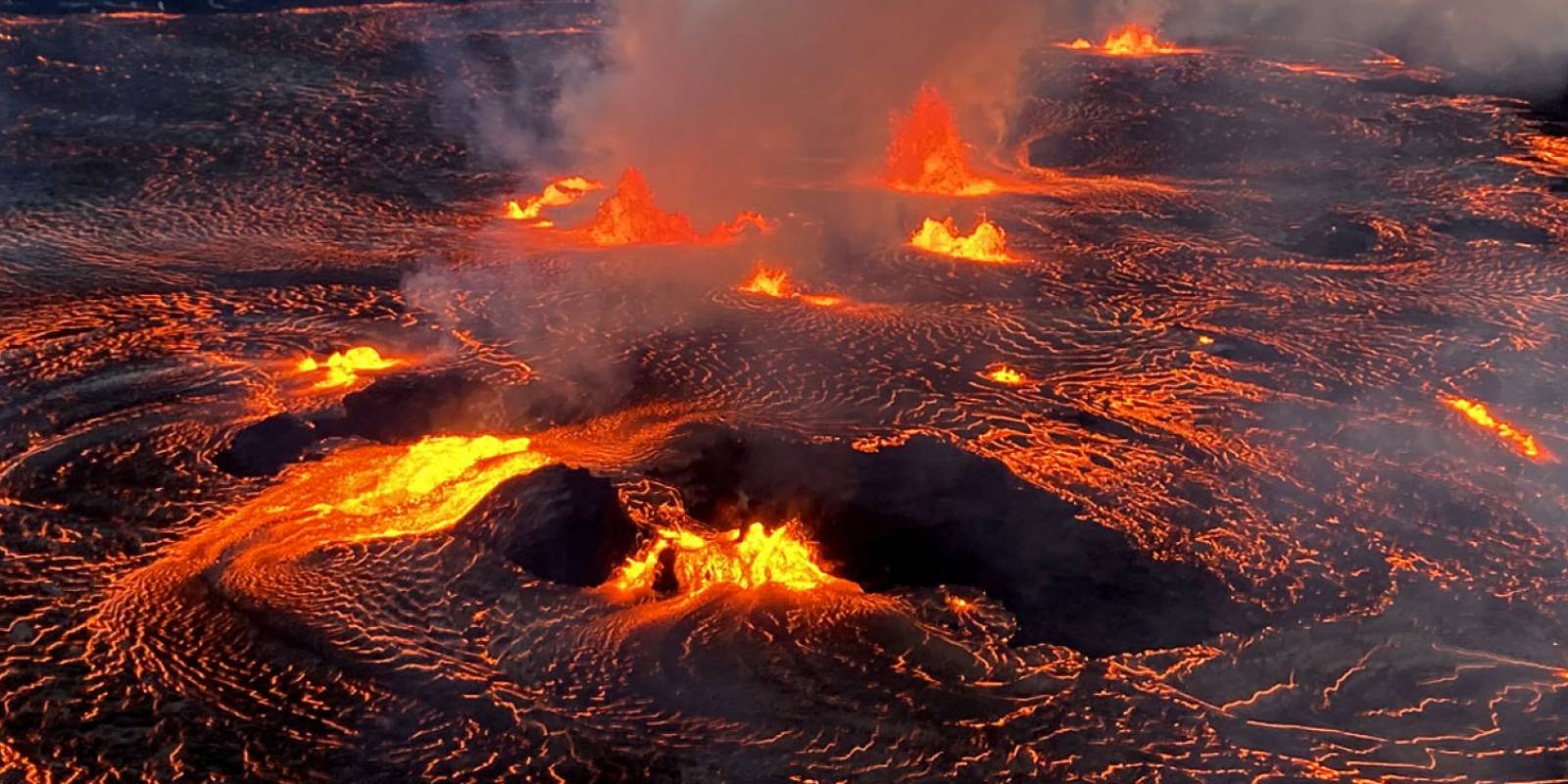


Kilauea volcano erupting with bright orange lava against the night sky on the Big Island of Hawaii

Kilauea Lava Fountains: What Travelers Should Know

John C. Derrick

Founder & certified Hawai'i travel expert with 20+ years of experience in Hawai'i tourism.

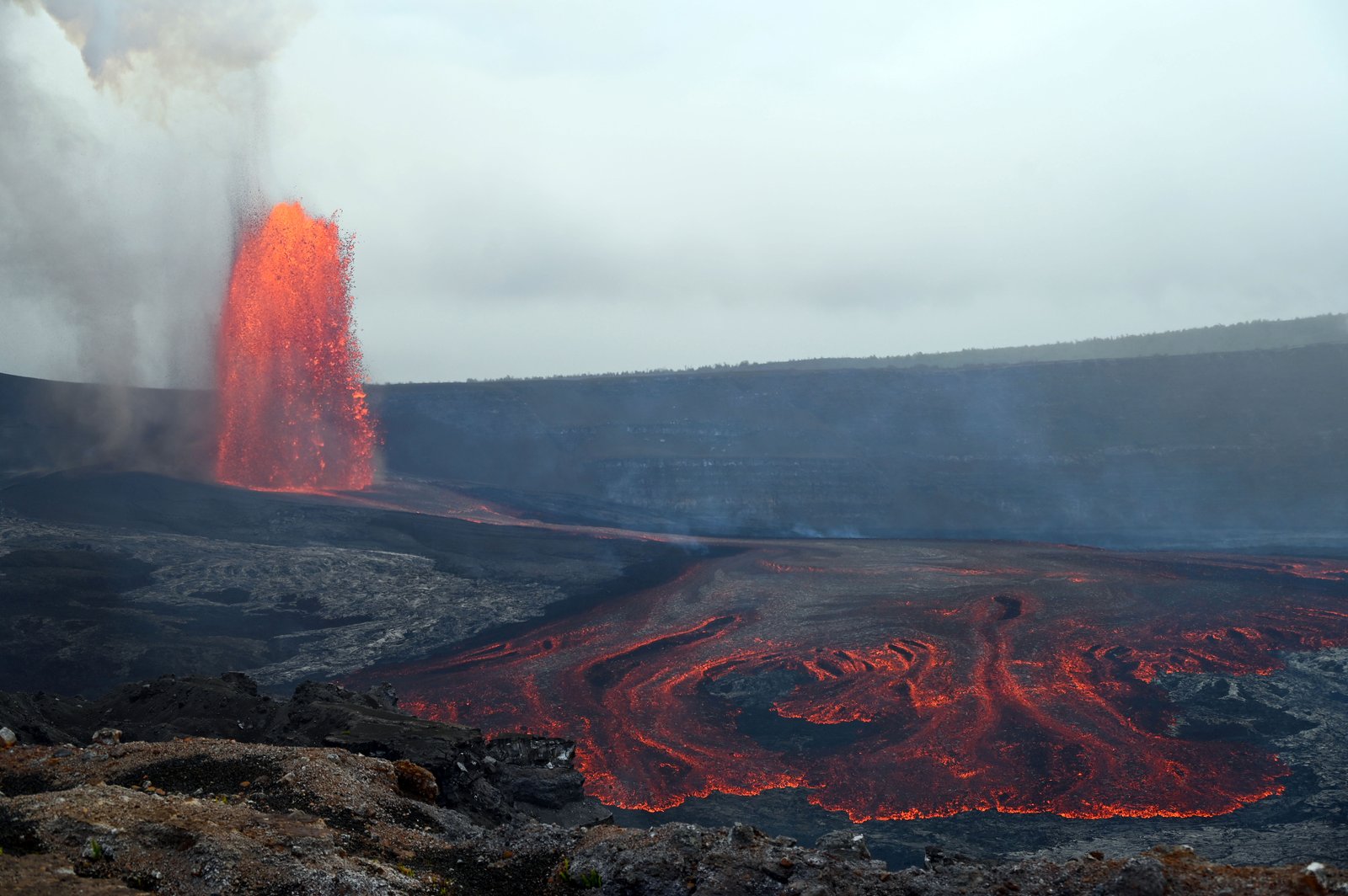
Kilauea broke its own record on March 10. The south vent hurled lava 1,770 feet into the air during Episode 43 of the ongoing eruption. Tephra rained across communities from Volcano Village to Hilo. Episode 44 is forecast for early April.

If you’re visiting the Big Island in the coming weeks, here’s what matters.

What Happened: Episode 43

Episode 43 kicked off at 9:17 AM HST on March 10, 2026. It lasted about 9 hours.

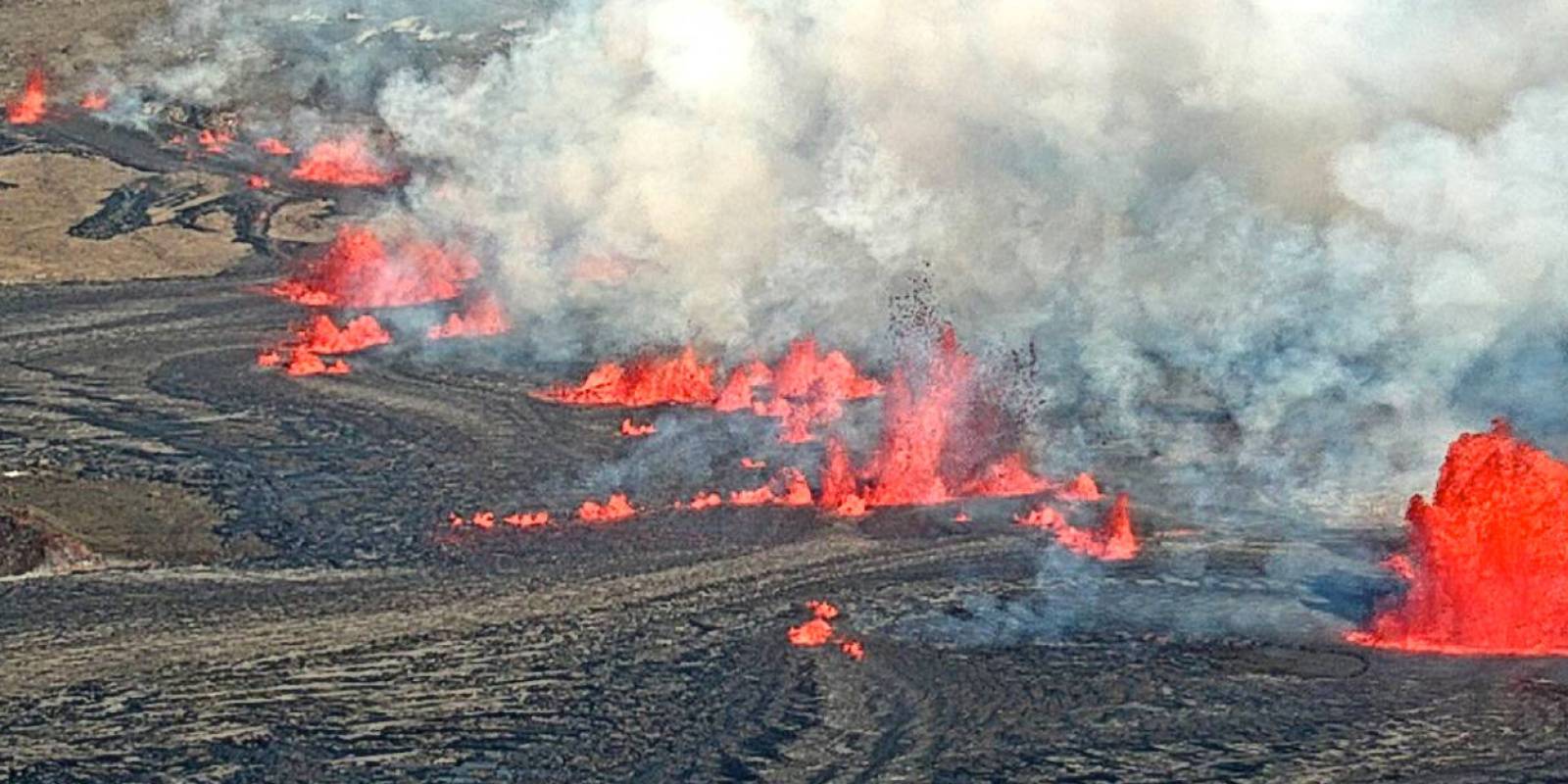
The south vent fountain reached 1,770 feet (540 meters), setting a new record for this eruption cycle. The north vent peaked above 1,300 feet (400+ meters). Both vents erupted simultaneously from Halema’uma’u crater.

To put that in perspective, 1,770 feet is taller than the Empire State Building, antenna included. This was the most powerful fountaining event since the current eruption cycle began in December 2024.

Tephra Fallout and Impacts

Southwest winds during the eruption pushed tephra northeast across Ka’u, Puna, South Hilo, and North Hilo districts. The fallout was significant.

Heaviest accumulation hit the Uekahuna overlook and Kilauea Military Camp: 4 to 12 inches of tephra. Football-sized fragments landed at park overlooks near the summit. Ash and Pele’s hair (thin strands of volcanic glass) fell as far as Hilo, roughly 30 miles away, by 3 PM.

Highway 11 closed temporarily for cleanup. Parts of Hawaii Volcanoes National Park shut down during and immediately after the episode.

Water quality is a question residents ask after every episode. Fluoride testing following earlier episodes showed levels of 0.06 to 0.3 ppm, well below EPA limits. Catchment water users in affected areas should still run their water through filters as a precaution.

Episode 44 Forecast

The USGS forecasts Episode 44 between approximately April 5 and April 15, 2026. This window has shifted later than initially expected due to slower-than-usual summit inflation and monitoring equipment outages. Summit inflation has been steady since Episode 43 ended, which signals magma recharging beneath the crater.

Note: HVO’s forecasting has been impacted by monitoring station outages. Several summit instruments, including the SDH tiltmeter, remain offline because Episode 43’s heavy tephra deposits block physical access to the equipment.

The current alert level is WATCH (level 3 of 4). Aviation color code is ORANGE.

Kilauea has been erupting episodically since December 23, 2024. The pattern is consistent: each fountaining episode lasts under 12 hours, followed by a pause of days to weeks while pressure rebuilds. We’re in a pause right now. The next one could fire any day in mid-April.

According to the Hawaii Tribune-Herald, USGS scientists expect this episodic pattern to continue for the foreseeable future. Each episode is broadly similar, though Episode 43 proved they can still surprise with intensity.

For real-time eruption status and lava location updates, check our Hawaii Eruption Information & Lava Tracking page.

What This Means for Visitors

Hawaii Volcanoes National Park is open. Between episodes, the park operates normally. You can drive Chain of Craters Road, hike to Thurston Lava Tube, and explore coastal trails without issue.

During an active fountaining episode (typically under 12 hours), some areas near the summit close temporarily. The rest of the park usually stays accessible.

The eruption is contained within Halema’uma’u crater. Lava is not flowing toward populated areas or resort zones. Kona, Hilo, Waikoloa, and the Kohala Coast resorts are all unaffected.

If Episode 44 fires during your visit, you might see the glow from safe vantage points. The Uekahuna overlook (near the site of the former Jaggar Museum, which closed permanently after the 2018 summit collapse) is the classic spot for watching, though it can close during active fountaining for safety. As of March 2026, the Uekahuna area has significant tephra accumulation from Episode 43, and access conditions may change. Check the National Park Service website or call (808) 985-6101 for current viewing area status before visiting.

Air quality: Vog (volcanic smog) can drift to the Kona side of the island. If you have asthma or other respiratory conditions, monitor the Hawaii Interagency Vog Information Dashboard before heading outdoors.

Rental car tip: You’ll want a car to explore the park on your own schedule and react to conditions. Book through Discount Hawaii Car Rental for the best Big Island rates.

The Bottom Line for Travelers

No.

This eruption has been ongoing for 15 months. It’s episodic and predictable. The park and surrounding communities have adapted to the rhythm.

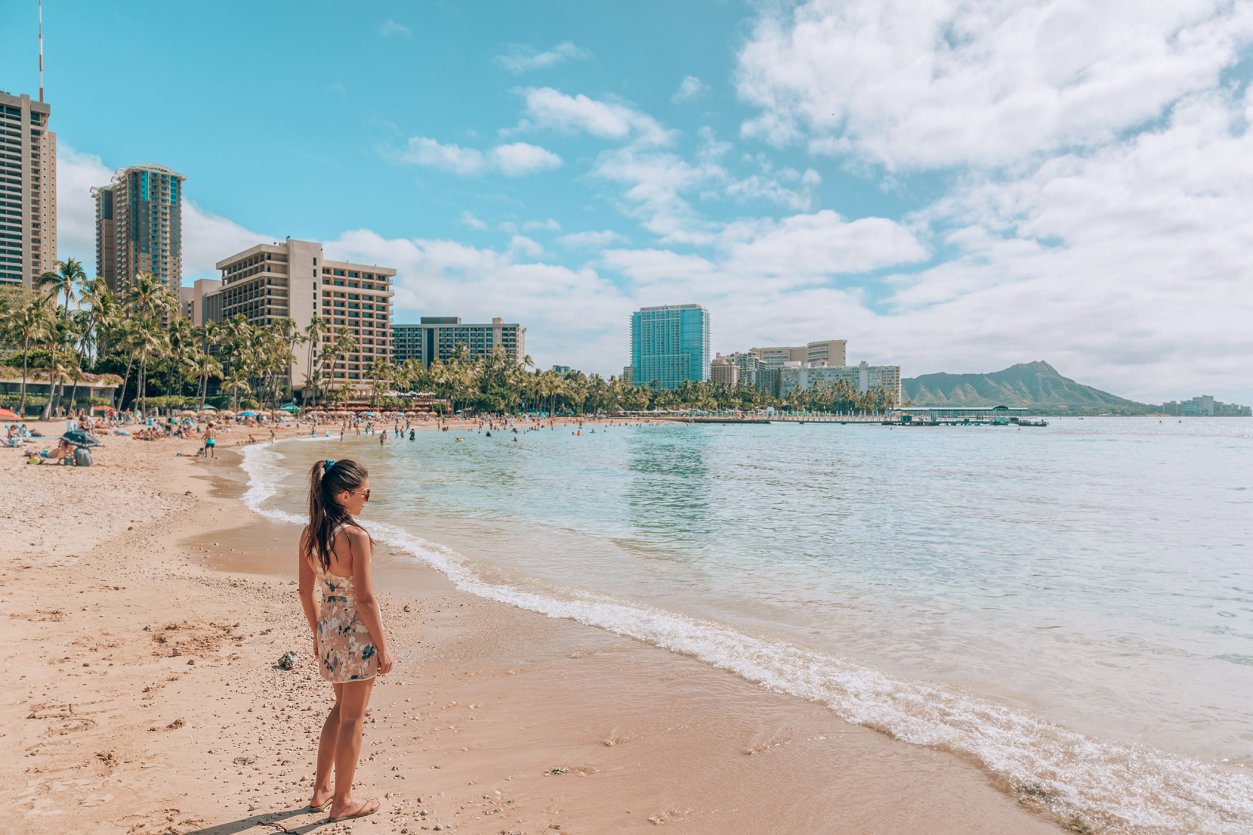
The Big Island is massive. At 4,028 square miles, it’s larger than all the other Hawaiian islands combined. The eruption affects a small area near the summit. Most of the island is completely unaffected. Your snorkeling at Two Step, your coffee farm tour in Kona, your stargazing on Mauna Kea, none of that changes.

If anything, this is a reason to go. You can watch an active volcanic eruption from a safe distance — something very few places on Earth offer. Kilauea is putting on a show right now, and it’s accessible to any visitor with a park pass and a car.

Explore the Big Island

More guides for planning your Big Island trip.

Get Hawaii Tips in Your Inbox

Join 150,000+ subscribers. Free Hawaii travel tips, deals, and local insights. Unsubscribe anytime.

Big Island

Affiliate Disclosure: We may earn commissions from some travel partners (like Amazon or Expedia) which helps us maintain this site. These links are at no extra cost to you and don't impact our honest & unbiased recommendations.

Article Published: