


HVNP Entrance Sign
 Been here? Tap to stamp
About Hawaii Volcanoes National Park
Big Island of Hawaii
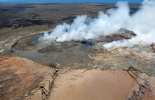
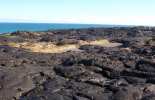
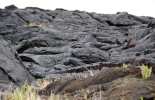
Hawaii Volcanoes National Park is the Big Island's essential volcanic landscape: Kilauea, Mauna Loa, steam vents, crater overlooks, lava tubes, rainforest, desert-like lava fields, and a road that drops from the summit toward the ocean. For most first-time visitors, the key is not trying to "see everything." Start with the current conditions, then choose the summit loop, the coastal drive, a hike, or a guided tour based on the time you actually have.
The park protects two of Hawaii's most important volcanic landscapes: Kilauea, which erupts episodically and reshapes the summit area, and Mauna Loa, the massive volcano that last erupted in 2022. In recognition of its natural and cultural significance, Hawaii Volcanoes National Park is both an International Biosphere Reserve and a UNESCO World Heritage Site.
The visitor hub near Kilauea's summit sits around 4,000 feet above sea level, which means cooler temperatures, rain, wind, and low clouds can surprise visitors coming from the coast. A half day can cover the summit highlights; a full day lets you add Chain of Craters Road, Kilauea Iki, or evening eruption viewing if lava activity is visible.
Construction & Current-Condition Notice
Hawaiʻi Volcanoes National Park is still working through Kilauea summit recovery projects tied to the 2018 collapse and earthquake damage. Construction is expected to continue through 2026, with delays, temporary closures, and limited parking most likely near the entrance, summit overlooks, and visitor-service areas. Conditions are especially tight during eruption viewing periods and the busy months of December, January, June, July, and August.
Before you commit to a route, check NPS current conditions and ask at the temporary Welcome Center what is open that day. The main recovery work includes:
- Removal of the earthquake-damaged Jaggar Museum and Hawaiian Volcano Observatory buildings and temporary closure of the restrooms at Uekahuna
- A new roundabout west of the entrance station to improve safety and traffic flow
- Construction of a new Hawaiian Volcano Observatory field station west of Kilauea Military Camp
- Temporary closure and renovation of the Kilauea Visitor Center and adjacent restrooms, with visitor services operating from a temporary Welcome Center
How to Plan a First Visit
| If this is your priority | Best plan | Why it works |
|---|---|---|
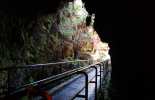
| Classic first visit | Start at the Welcome Center, then drive the open portions of Crater Rim Drive. | It keeps you near the summit overlooks, steam vents, Kilauea Iki, Nahuku/Thurston Lava Tube, and the places most likely to be affected by same-day closures. |
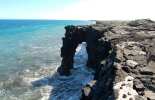
| Full-day scenic drive | Add Chain of Craters Road after the summit area. | The road drops from Kilauea's summit area toward the coast through pit craters, lava fields, petroglyphs, and coastal cliffs. Bring fuel, water, and time for the return drive. |
| Lava or glow | Check the current lava status first, then confirm open viewing areas with NPS. | Kilauea's summit activity can switch from quiet to active quickly, and overlooks can close for safety, crowding, air quality, or cleanup. |
| Best hike | Choose Kilauea Iki Trail if it is open and conditions are good. | It gives you rainforest, crater-rim views, and the crater floor in one route, with easier short-view alternatives at nearby overlooks. |
| No planning or no night driving | Use a guided option from our Volcanoes National Park tours page. | Guided tours can reduce the logistics burden from Kona or Kohala, especially if you want night viewing and do not want to drive back across the island after dark. |

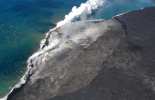
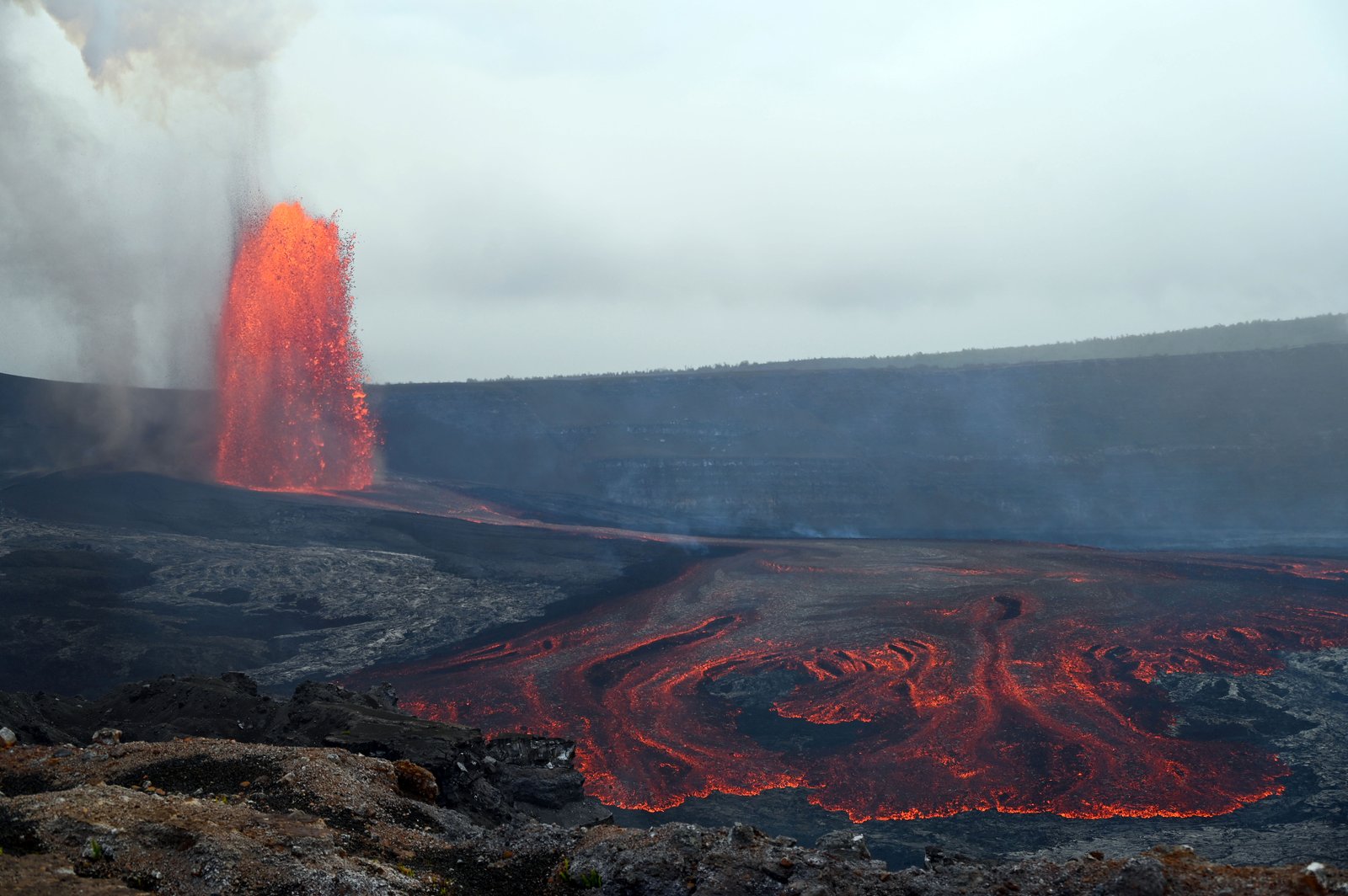
Kilauea East Rift Zone Eruption in 2018
Park & Volcano Eruption Updates
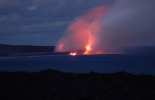
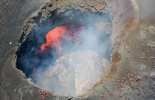
Kilauea is an active volcano, but lava visibility is never guaranteed. Current summit activity, glow, air quality, road closures, parking access, and safe viewing areas can change faster than a static travel guide can keep up. Treat this page as the planning hub, then use the live sources below before you drive into the park.
- For visitor planning: start with our Kilauea lava status and viewing guide.
- For official volcano status: check USGS Kilauea volcano updates and HVO webcams.
- For open/closed areas: check NPS current conditions and the NPS eruption viewing page.
If an eruption episode is active, expect heavier traffic, limited parking, changing viewing guidance, and possible temporary closures. If Kilauea is between visible episodes, the park is still worth visiting for the summit overlooks, steam vents, Kilauea Iki, Nahuku/Thurston Lava Tube, Chain of Craters Road, and the broader volcanic landscape.
Operating Hours
Hawai'i Volcanoes National Park normally operates 24 hours a day, seven days a week, including holidays, and most of the park is open. Kahuku keeps separate Thursday-through-Sunday hours; its Visitor Contact Station and most trails reopened Thursday, Sept. 3, while upper Kahuku Road remains closed. Mauna Loa Road beyond Kīpukapuaulu, Kīpukapuaulu Trail, and Nāmakanipaio Campground also remain closed. The A-frame cabins at Nāmakanipaio reopened Saturday, Sept. 5. The broad backcountry closure is no longer listed. The Sulphur Banks bridge is also closed, while its boardwalk and trail remain open from the Steam Vents side. Confirm the road, trail, overlook, campground, district, and visitor services you need on the national park website before you go.
Hawaii Volcanoes National Park Maps
Here we've included updated Hawai'i Volcanoes National Park maps. Larger maps of the complete park can be found in the maps section of the national park website.

National Park Summit Area (2024)


Experiencing Hawaii Volcanoes National Park
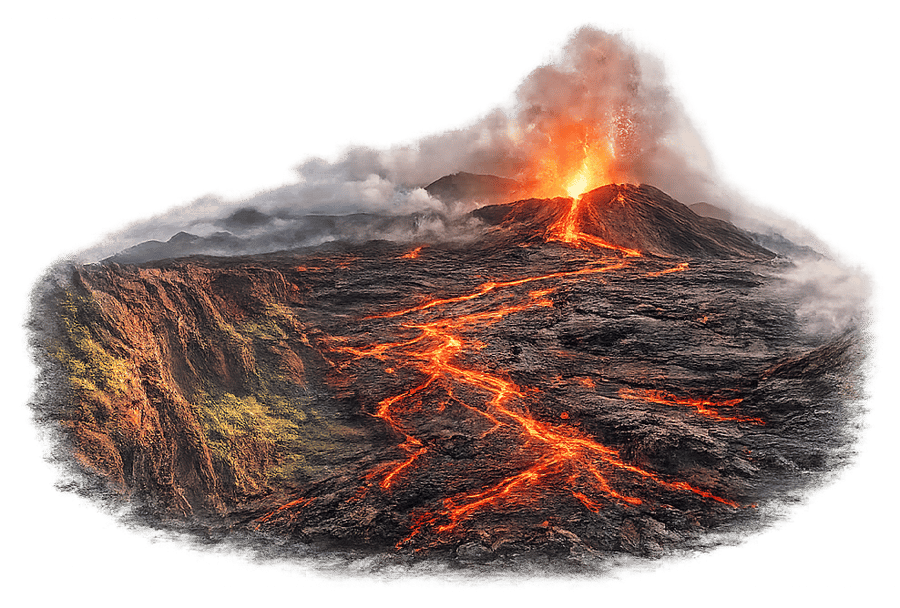
You can visit Hawaii Volcanoes National Park independently by car, with our free route guides, or on a guided tour. Independent travelers should treat Crater Rim Drive as the summit-focused plan and Chain of Craters Road as the longer descent toward the coast. Both are inside the national park, so the park entrance pass applies.
Use the older sight pages for more detail on Crater Rim Drive and Chain of Craters Road, but check the route pages and NPS conditions for the most practical same-day planning. Crater Rim Drive is not a full loop because the south rim has been disrupted by past collapse and closure patterns; Chain of Craters Road is a dead-end drive, so you return the way you came.
Hiking is the best way to slow the park down. Kilauea Iki Trail is the best first major hike when open; shorter stops like steam vents, overlooks, and Nahuku/Thurston Lava Tube can fill a lighter day. If you want help with night driving, narration, or a Kona-side pickup, compare options on our Volcanoes National Park tours page.

Park Entrance Fees
Hawaii Volcanoes National Park entrance passes are valid for seven days. Current NPS fees are $30 per private vehicle, $25 per motorcycle, or $15 per person for visitors entering on foot or bicycle. The park entrance station is cashless. America the Beautiful passes and the Hawaii Tri-Park Annual Pass are accepted.
Additional Park Information
The volcano is an active landscape, and closures can happen because of eruptions, earthquakes, construction, poor air quality, high crowds, or damaged infrastructure. For updates on any closings in HVNP, visit Alerts & Area Closings.
Use extra caution if you have respiratory or heart concerns or are traveling with older adults, young children, or pregnant travelers. Vog and volcanic gases can affect the summit area and downwind parts of the island, especially during active eruption episodes. Check USGS updates, NPS guidance, and local air-quality information before spending extended time near viewing areas.

HVNP in 2025
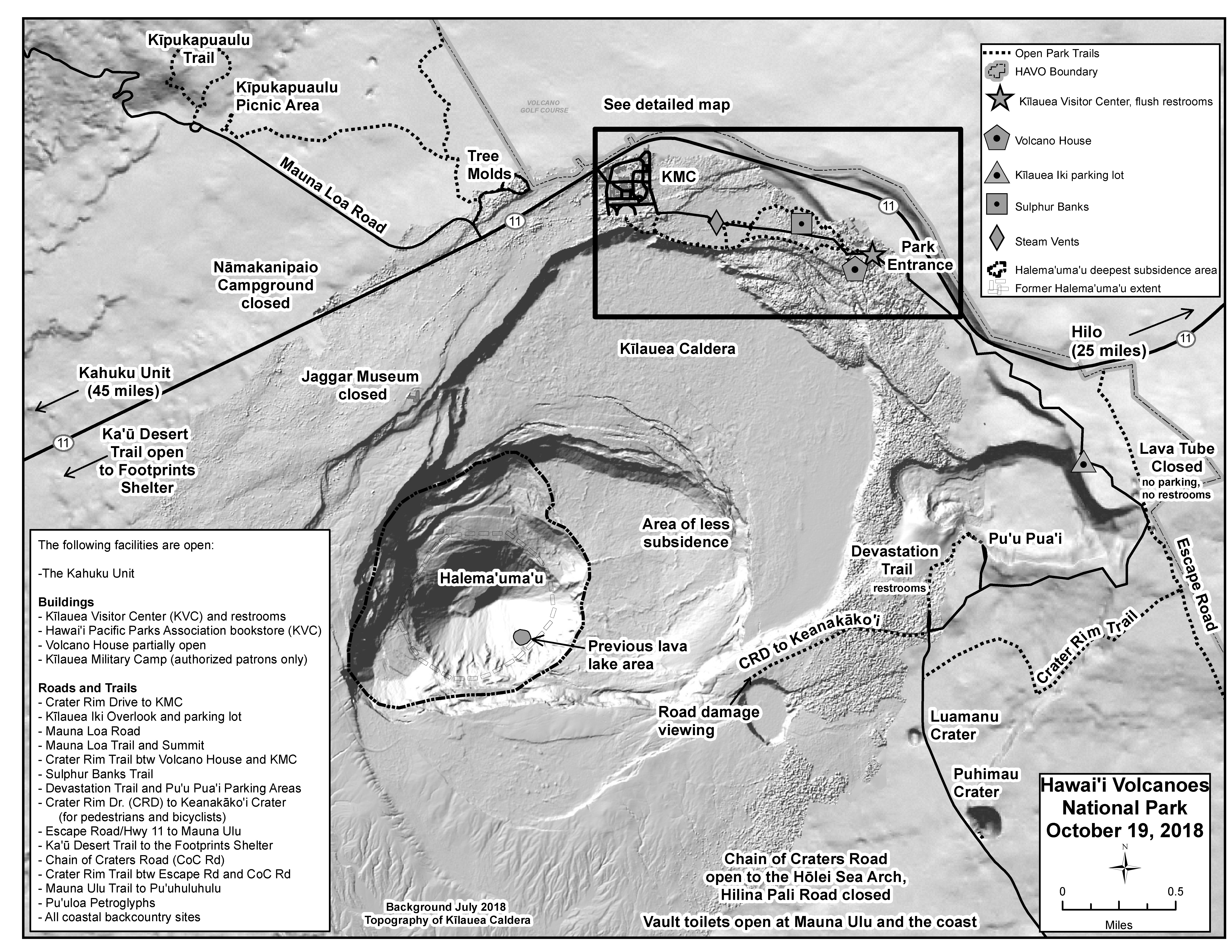
Detailed map with all structures, roads, and trail conditions.
Location & Getting to Hawaii Volcanoes National Park
Hawaii Volcanoes National Park is on the Big Island of Hawaii along Highway 11. From Hilo, the main entrance is about 30 miles southwest. From Kailua-Kona, the southern route follows Highway 11; the northern route via Waimea and Hilo is longer but can make sense if you are building the park into a larger island loop.
Hawaii Volcanoes National Park FAQ
Is Hawaii Volcanoes National Park open 24 hours?
Most of Hawaiʻi Volcanoes National Park is open. Kahuku's Visitor Contact Station and most trails reopened Thursday, Sept. 3, but upper Kahuku Road remains closed. Mauna Loa Road beyond Kīpukapuaulu, Kīpukapuaulu Trail, and Nāmakanipaio Campground also remain closed. The A-frame cabins at Nāmakanipaio reopened Sept. 5. Check the current NPS alerts before driving because access can change.
Do you need a reservation for Hawaii Volcanoes National Park?
No general entry reservation is required for Hawaii Volcanoes National Park. You do need an entrance pass or valid federal/Tri-Park pass, and the park is cashless at the entrance station.
Can you see lava at Hawaii Volcanoes National Park?
Sometimes. Kīlauea activity changes quickly, and lava or glow is only visible when conditions line up. Check our lava status page plus the USGS Kīlauea update and NPS eruption-viewing guidance before making lava the main reason for your visit.
What should first-time visitors do at Hawaii Volcanoes National Park?
Start with the summit overlooks, Kīlauea Iki Trail, or Chain of Craters Road. If you want to visit Kahuku, note that its Visitor Contact Station and most trails reopened Thursday, Sept. 3, while upper Kahuku Road remains closed. Check the current NPS alerts before driving.
How much time do you need at Hawaii Volcanoes National Park?
A half day works for the summit overlooks and a short walk, but a full day is better if you want to add Chain of Craters Road, Kīlauea Iki Trail, or evening eruption viewing. From Kona, the drive time makes a full-day plan more realistic.