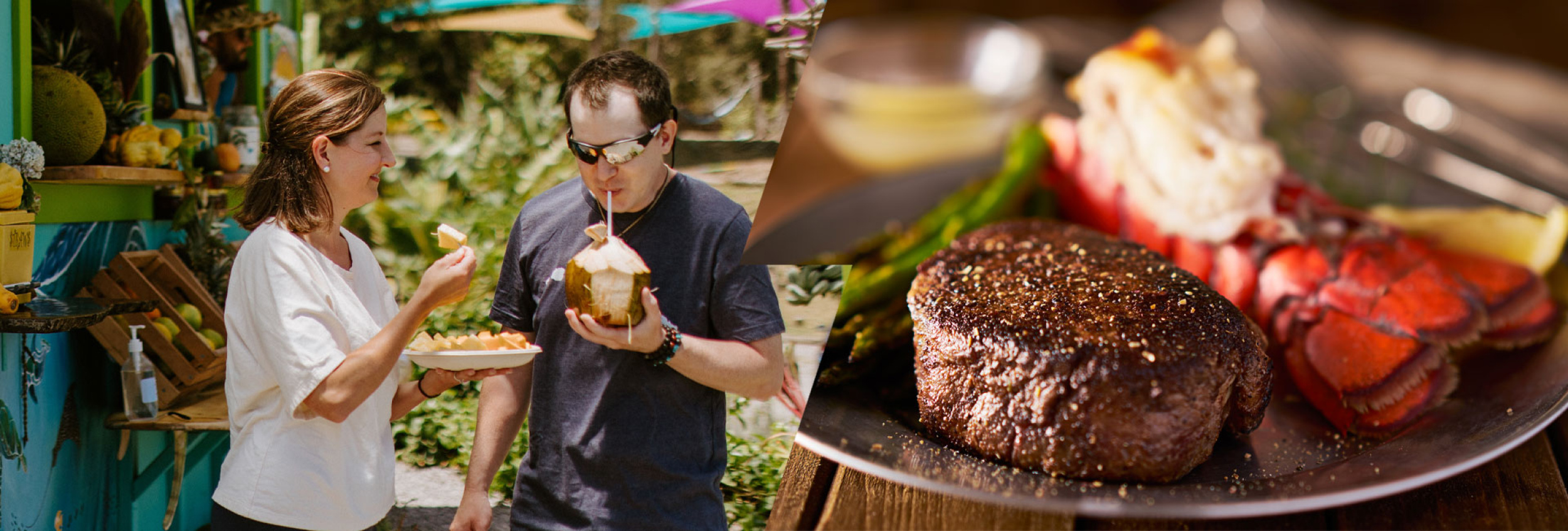


The average visitor to Hawaii spends $70–$80 per person per day on food. Over a week, that’s $500–$560 per person — or north of $2,000 for a family of four. Those numbers are real, but they don’t have to be your numbers. I’ve been eating my way across these islands for over 20 years, and the gap between what tourists spend and what savvy travelers spend is enormous. This guide is the full playbook.
Why Food Costs So Much in Hawaii
Hawaii imports 85–90% of its food. Everything from milk to rice to lettuce rides a cargo ship across 2,400 miles of open ocean before it hits a shelf. That supply chain cost gets baked into every grocery receipt, every restaurant menu, every plate lunch window.
A gallon of milk runs $7–$9. A dozen eggs, $5–$7. A sit-down dinner for two with drinks at a mid-range restaurant will land between $100 and $160 before tip. These prices aren’t gouging — they’re geography.
The trick isn’t finding cheap food in Hawaii. It’s knowing where the value is.
Strategy 1: Win the Grocery Game
Your single biggest savings lever is a kitchen. If you’re staying in a vacation rental or a hotel with even a kitchenette, you can cut your daily food spend by 40% or more just by handling breakfast and some lunches yourself.
Your first stop should be a grocery store. Here’s where to go:
- Costco — There are locations on Oahu (Iwilei, Hawaii Kai, Kapolei, Waipio), Maui (Kahului), Kauai (Lihue), and the Big Island (Kona, Hilo). Hit one on the way from the airport. Milk, eggs, bread, fruit, snacks, macadamia nuts, reef-safe sunscreen — buy it all here. Costco prices in Hawaii are the closest you’ll get to mainland rates.
- Foodland — Hawaii’s homegrown grocery chain, with stores across all major islands. Their poke counter is legendary (more on that below), and they run a loyalty program (Maika’i card) that knocks real money off your bill. Sign up at the register — it’s free.
- Times Supermarket — Oahu and Maui. Solid local chain with good produce and prepared foods. Not as cheap as Costco, but more convenient if you’re staying in Kihei or Honolulu neighborhoods.
- Safeway / Foodland Farms — Larger format, wider selection. Prices sit between Costco and the resort convenience stores (which you should avoid entirely — a $4 bag of chips becomes $8 there).
Stock up on: Breakfast supplies (eggs, bread, fruit, coffee), sandwich fixings for beach lunches, snacks, and water bottles you can refill. Which brings me to the easiest savings of all.
Strategy 2: Drink the Tap Water
Hawaii’s tap water is excellent. On most islands, it comes from rain-fed aquifers filtered through volcanic rock — some of the cleanest natural filtration on Earth. The Hawaii Department of Health tests it continuously, and it consistently meets or exceeds EPA standards.
A family of four buying bottled water for a week will burn through $50–$70 without thinking about it. Bring reusable bottles. Fill them from the tap. Done. That’s $50 back in your pocket for a plate lunch or two.
Strategy 3: Eat Plate Lunches Like a Local
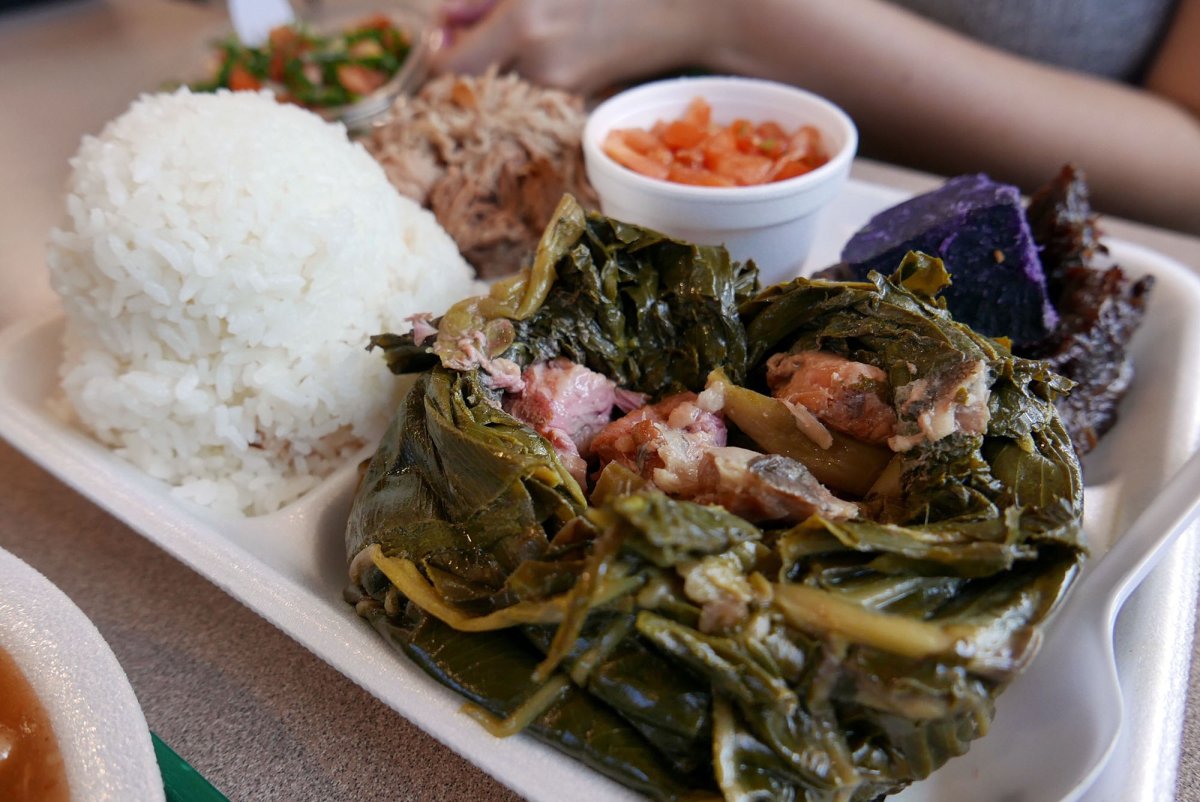
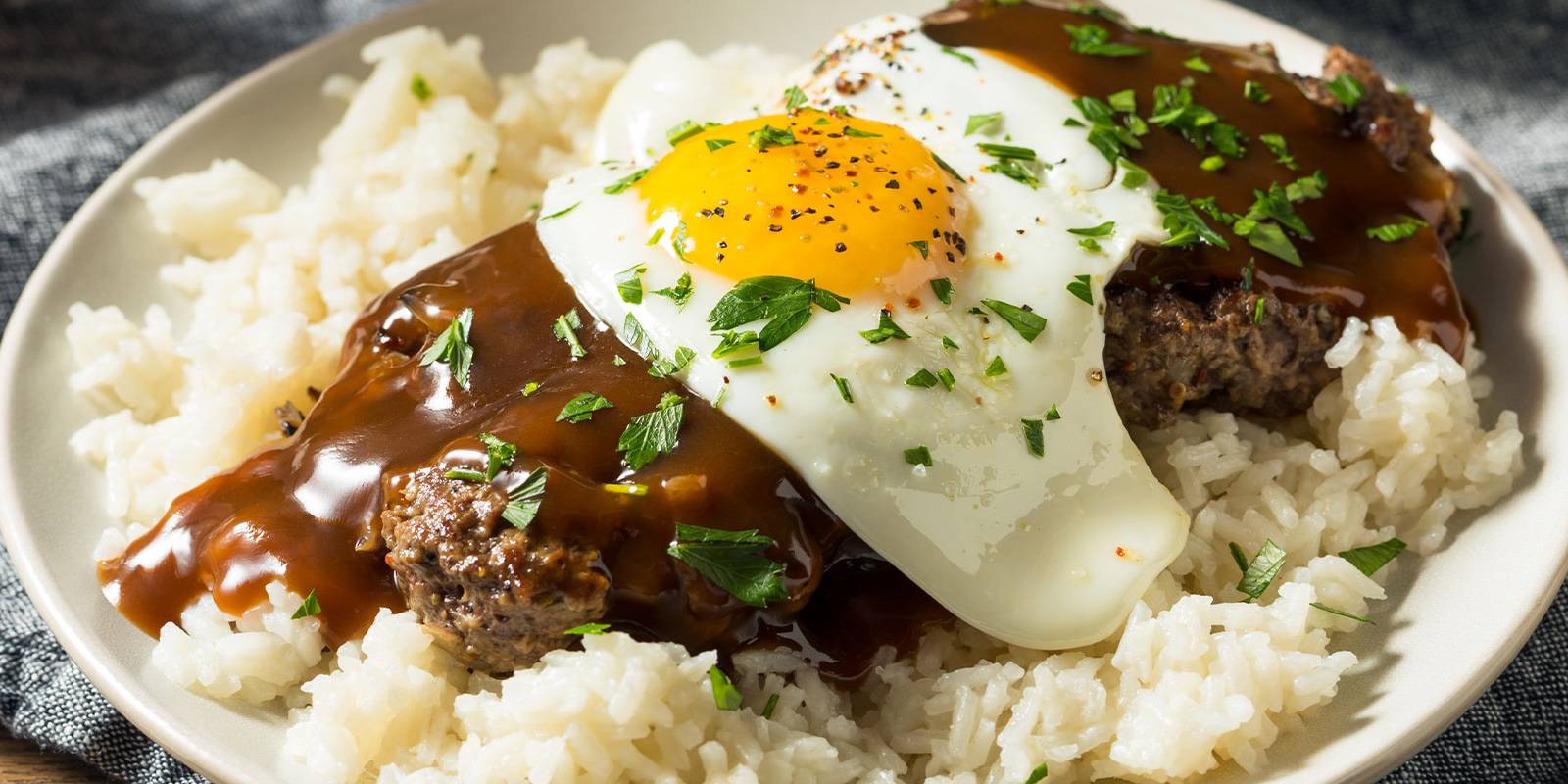
The plate lunch is Hawaii’s greatest budget meal. Two scoops of rice, a scoop of macaroni salad, and a protein — teriyaki chicken, kalua pork, loco moco, chicken katsu. You’ll find them at drive-ins, lunch wagons, and local diners across every island.
In 2026, a plate lunch runs $12–$16 depending on the protein and the location. That’s a full, filling meal. Compare that to $25–$40 for a similar amount of food at a tourist-facing sit-down restaurant.
Where to find them: Look for places with a line of locals out the door. On Oahu, Rainbow Drive-In near Waikiki has been doing this since 1961. On Maui, Tin Roof in Kahului (from Top Chef’s Sheldon Simeon) does elevated plate lunches at local prices. On the Big Island, Cafe 100 in Hilo is the birthplace of the loco moco. On Kauai, Koloa Fish Market sells plate lunches alongside some of the best poke on the island.
The rule: if the restaurant has a view, you’re paying for the view. If it has a parking lot and a window, you’re paying for the food.
Strategy 4: The Poke Counter Hack
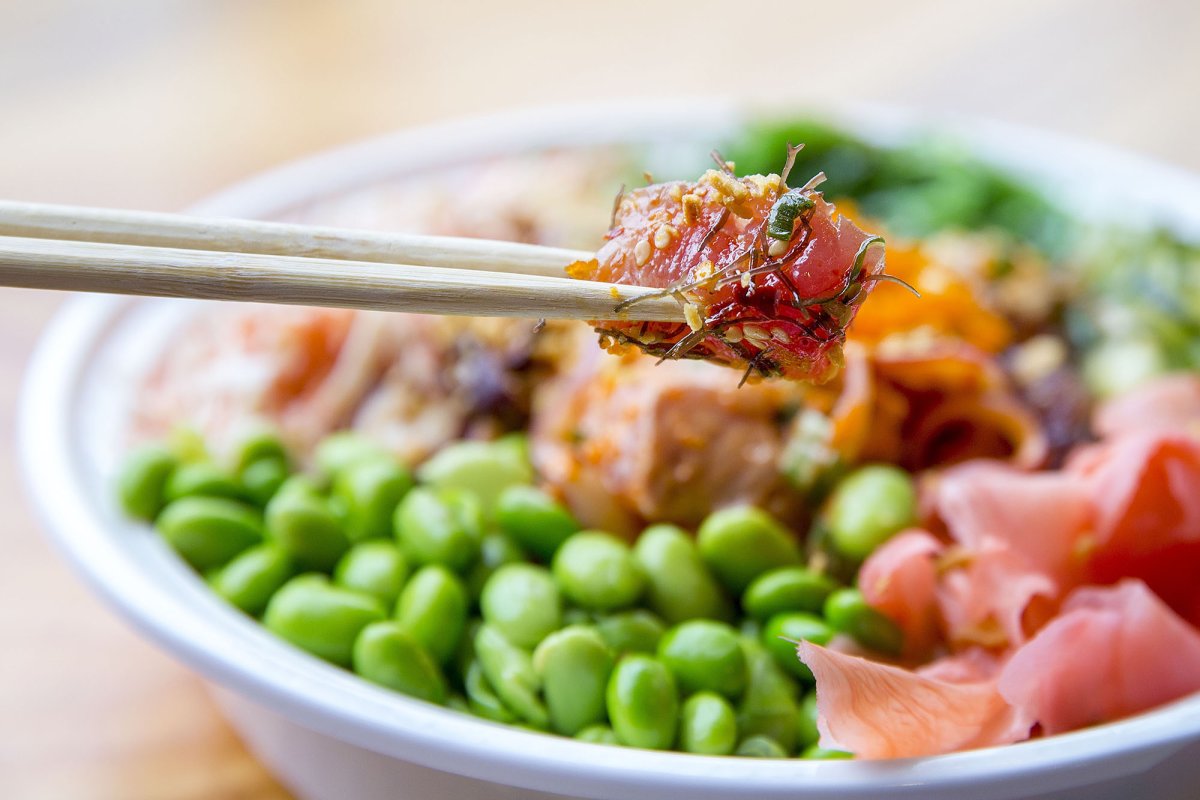
Poke is Hawaii’s signature dish, and the price gap between restaurant poke and grocery store poke is where smart money lives.
At a sit-down restaurant, a poke bowl runs $18–$25. At a grocery store poke counter — Foodland, Times, or Tamura’s — you’re paying $14–$18 per pound, and a half-pound portion is a full meal. That’s $7–$9 for basically the same fresh fish, seasoned the same way, often better than the restaurant version because it’s been sitting for minutes instead of hours.
Foodland’s poke has won the Sam Choy Poke Festival multiple times. This isn’t a consolation prize — it’s often the best poke on the island.
Grab a half-pound of ahi poke, a bag of chips or a container of rice, and eat it on the beach. Total cost: around $10–$12. Total experience: unbeatable.
Strategy 5: Food Trucks Are Your Friend
Hawaii’s food truck scene has exploded over the past five years, and it’s one of the best value plays on the islands. Prices run 20–40% below comparable sit-down restaurants, portions are generous, and the food is often made by the same caliber of cooks who work the resort kitchens.
On Oahu: The North Shore food trucks along Kamehameha Highway near Haleiwa are famous — garlic shrimp from Giovanni’s or Romy’s runs $15–$17 for a loaded plate. In Waikiki, check the trucks that rotate through Monsarrat Avenue near Diamond Head.
On Maui: South Maui has a rotating lineup near Kihei, and the trucks outside Costco in Kahului are a post-shopping ritual for locals.
On the Big Island: Ali’i Drive in Kona and the area around Hilo Bay Front both have regular food truck clusters.
On Kauai: Look for trucks along the highway in Kapaa — reliable, affordable, and no reservations required.
Strategy 6: Hit the Farmers Markets
Farmers markets give you access to locally grown food that skipped the cargo ship. That means better prices on produce and a chance to try things you can’t get at home — rambutan, lilikoi, apple bananas, fresh-cut sugarcane.
The best markets by island:
- Oahu: KCC Farmers Market (Kapiolani Community College, Saturday mornings) is the gold standard. Arrive before 9 a.m. or the good stuff sells out. Also check the Wednesday market at Blaisdell Center and the Sunday Kailua Farmers Market.
- Maui: Upcountry Farmers Market in Pukalani (Saturday mornings) has great produce. The Maui Swap Meet at the University of Hawai’i Maui College (Saturdays) combines local food vendors with crafts and souvenirs at local prices.
- Kauai: Sunshine Markets rotate through different towns on different days — Koloa on Monday, Kapaa on Wednesday, Kilauea on Thursday. Check the Kauai County schedule for current times.
- Big Island: Hilo Farmers Market (Wednesday and Saturday) is massive and one of the best in the state. Kona’s Old Airport farmers market runs on Wednesday and Saturday mornings.
Budget $15–$25 per market visit for a haul of tropical fruit, fresh bread, and prepared foods like musubi, lau lau, or haupia. It doubles as a free cultural experience.
Strategy 7: Happy Hours and Early Bird Specials
Want to eat at a nice restaurant without the nice-restaurant bill? Go during happy hour.
Hawaii’s happy hour culture is strong, and the discounts are real — not just $2 off a beer. Many restaurants offer 30–50% off appetizers and selected entrees between 3 and 6 p.m. Some of the best deals:
- Monkeypod Kitchen (Maui and Oahu) — Half-off pizza and appetizers during happy hour. The truffle fries and wood-fired pizzas are excellent.
- Duke’s / Hula Grill (multiple islands) — Beachfront atmosphere, discounted pupus (appetizers), and reduced drink prices.
- Merriman’s (Big Island, Maui, Kauai) — One of Hawaii’s best farm-to-table restaurants offers a happy hour menu that makes their food accessible on a budget.
- Lava Lava Beach Club (Big Island, Oahu) — Toes-in-the-sand dining with happy hour pricing that brings $18 appetizers down to $10–$12.
Two people can eat well during happy hour for $40–$60 total including drinks. That same meal at dinner would run $90–$130.
Strategy 8: The Breakfast Hack
Breakfast is the easiest meal to remove from your restaurant budget entirely. A hotel breakfast buffet runs $30–$45 per person. A sit-down breakfast at a popular spot like Boots & Kimo’s on Oahu or Kihei Caffe on Maui is $15–$22 per plate plus a 30-minute wait.
Or: make coffee in your room, scramble some eggs from Costco, slice up a mango you grabbed at the farmers market. Total cost per person: $3–$5. Total time saved: an hour you could spend at the beach.
Do this five out of seven mornings and you’ve saved $100–$200 per person over the course of the trip. For a family of four, that’s $400–$800 back in the budget — enough to cover a snorkel tour or a luau.
Smart Dining Patterns That Add Up
Put it all together and your daily rhythm looks like this:
Breakfast: Made in your condo/hotel room — $3–$5/person
Lunch: Plate lunch, food truck, or poke from the grocery store — $10–$16/person
Dinner: Rotate between cooking in, happy hours, and one or two splurge dinners during the week — $15–$40/person depending on the night
Daily total: $28–$61/person versus the $70–$80 tourist average. Over seven days, that’s $200–$350 saved per person. A couple saves $400–$700 on the trip. A family of four saves $800–$1,400.
That savings has real consequences. It’s a rental car for the week — which, by the way, you’ll want so you can drive to the cheaper food spots outside the tourist zones. The best plate lunches, food trucks, and grocery stores are rarely in Waikiki or Wailea. Having wheels means having options.
Don't Skip: The Foods Worth Spending On
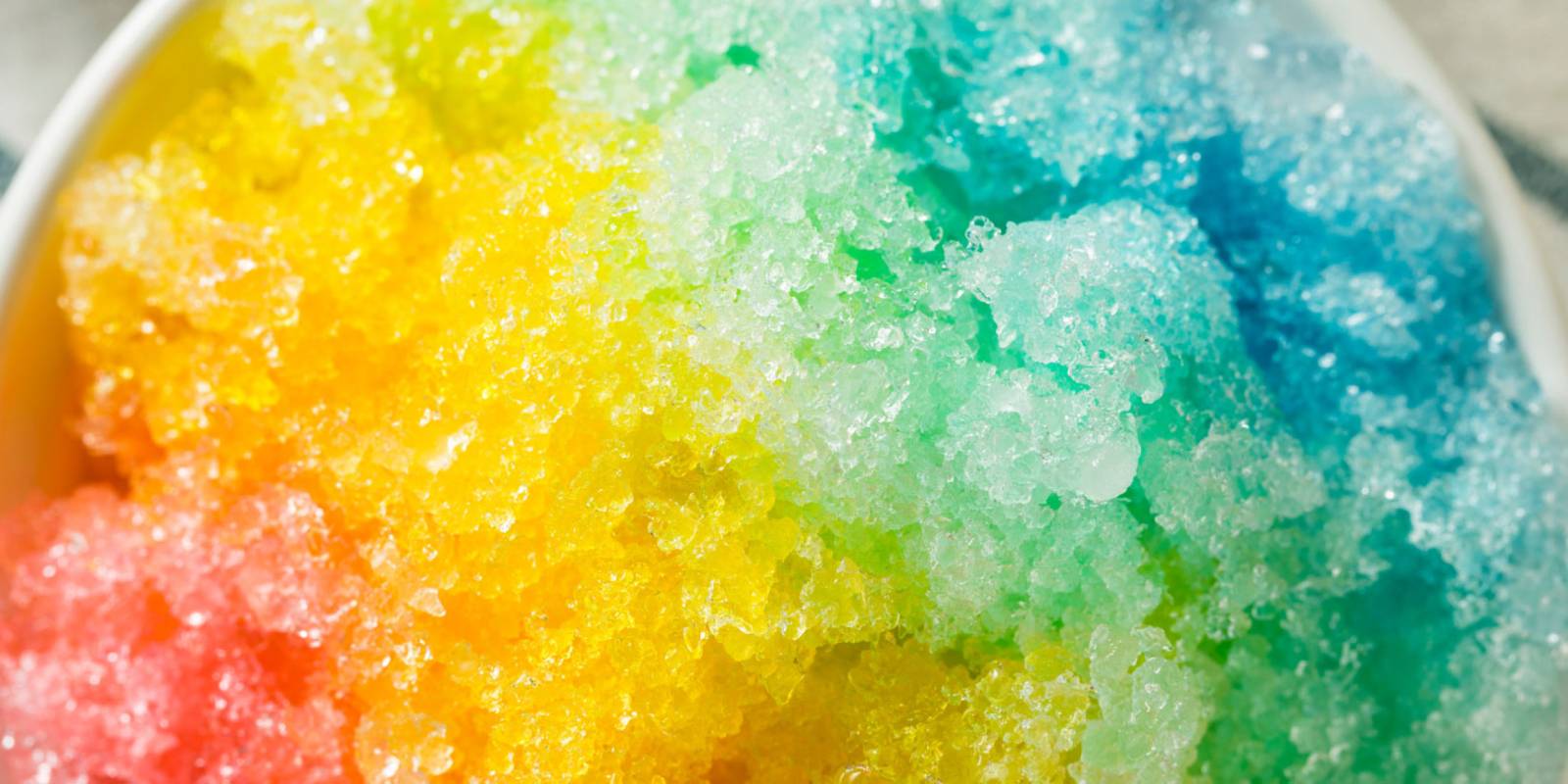
Being budget-smart doesn’t mean being cheap. Some food experiences in Hawaii are worth full price. Get a shave ice from Matsumoto’s or Uncle Clay’s. Try a malasada from Leonard’s Bakery on Oahu or T. Komoda Store & Bakery on Maui (arrive early — they sell out). Splurge on one sunset dinner at a place with locally sourced seafood.
The goal isn’t to spend as little as possible. It’s to stop overpaying for mediocre resort food and redirect that money toward meals that actually matter.
Published 03-25-2026. Prices reflect 2026 costs based on current menus, grocery pricing, and direct experience across all four major Hawaiian islands.
More Hawaii Food & Budget Guides
Dig deeper into Hawaii’s food scene and travel budget strategies.