

Are Visitors Welcome on Maui in 2026

Are Visitors Welcome on Maui in 2026

A quick summary of what to expect when visiting Maui

03-25-2026

John C. Derrick

Founder & certified Hawaii travel expert with 20+ years of experience in Hawaii tourism.

Are Visitors Welcome on Maui?

Yes. The August 2023 Lahaina wildfire was the deadliest U.S. wildfire in over a century. Recovery is ongoing, but Maui is open for business.

Tourism accounts for roughly 70% of every dollar generated on Maui and supports 75% of all private-sector jobs. The island needs visitors. What locals ask is that you spend your money with some awareness of where it goes and what parts of the island to avoid.

The fires erased irreplaceable cultural artifacts, legal documents tied to Native Hawaiian land rights, and historic sites dating back centuries. That context matters when you're there. Here's what to know before you go.

Big Makena Beach

Big Makena Beach

What locals think about tourism right now

Opinions vary. Some residents felt pushed back into hospitality work before they were ready. Others depend on tourist spending and are glad the numbers have recovered. You'll find both sentiments on the same street.

The organizing efforts that emerged after the fire — groups pushing for local needs over resort interests — haven't disappeared. What they're mostly asking for is spending that actually reaches local families rather than outside investors. That's a reasonable ask, and it's easy to act on.

Hawaiian values worth knowing

Malama 'Aina — caring for the land — is the principle that the land feeds us, so we feed it back. Practically, that means using reef-safe sunscreen (chemical sunscreens are banned), staying on marked trails, and not littering beaches. In post-fire Maui, every conservation habit has more weight.

Pono means righteousness or balance — making decisions that account for everyone affected. On a trip, that translates to choosing locally owned restaurants and shops over chains, and supporting Native Hawaiian businesses when you can. The Kuhikuhi.com directory lists Native Hawaiian-owned businesses by island.

Kapu signs mark off-limits areas. The formal kapu system ended in 1819, but these markers still indicate places of genuine spiritual and cultural significance: fire-damaged sites, burial grounds, heiau (ancient temples). Don't enter them — this applies especially to the Lahaina burn zone.

The fires took out the Na 'Aikane O Maui Cultural Center along with irreplaceable artifacts, land rights documents, and sacred kahili (feather standards) containing ancestral ashes. These weren't just buildings.

Tourism's role in recovery

The island lost an estimated $13 million daily in visitor spending immediately after the fires, with tourist numbers falling 75%. That collapse hit thousands of local families all at once.

Recovery has been real. By late 2024, visitor spending on Maui had exceeded pre-pandemic levels — with fewer visitors but higher per-trip spending. That pattern suggests visitors choosing local experiences over resort packages spend more and spread it more effectively.

The structural problem remains: many large resorts are foreign-owned, and most of the jobs they generate are low-wage service positions. Where you eat, book tours, and shop determines whether your money stays on the island or moves offshore.

Vacation rentals and the housing situation

Maui County's January 2026 deadline to phase out non-permitted vacation rentals in the Lahaina area has now taken effect. The county moved to eliminate roughly 7,000+ short-term rentals that lacked proper permits — units that were generating an estimated $246.3 million annually while taking housing stock off the long-term rental market.

The housing numbers explain why. According to researchers at the University of Hawaii Economic Research Organization, fire-affected households were paying 50-60% more in rent post-fire, with roughly 29% of those households living below the poverty line — compared to 9% for Maui County overall. Short-term rentals had represented about 15% of Maui's total housing supply, versus 2% on Oahu.

If you're looking for a vacation rental in West Maui, verify that it's operating under a current permit. The county has been clear that non-compliant operators face fines and forced closure. Hotels and permitted rentals in Ka'anapali, Kapalua, and Napili are unaffected.

What’s open on Maui right now

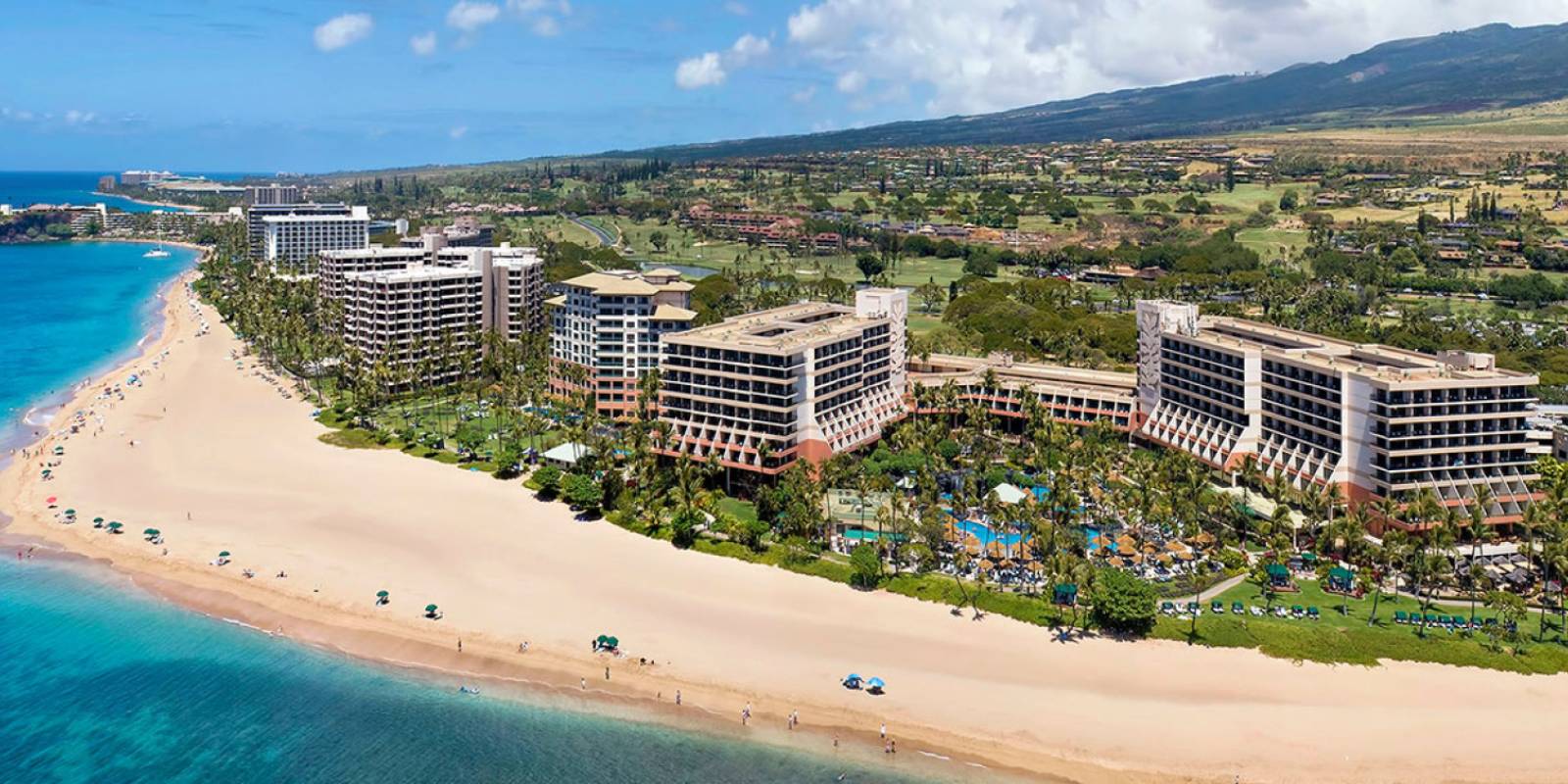
Most of Maui is open and operating normally. South Maui (Kihei, Wailea, Makena), the West Maui resort corridor (Ka'anapali, Kapalua, Napili), Upcountry, Haleakala, and the Road to Hana are all fully accessible. Every major beach and snorkel site is reachable.

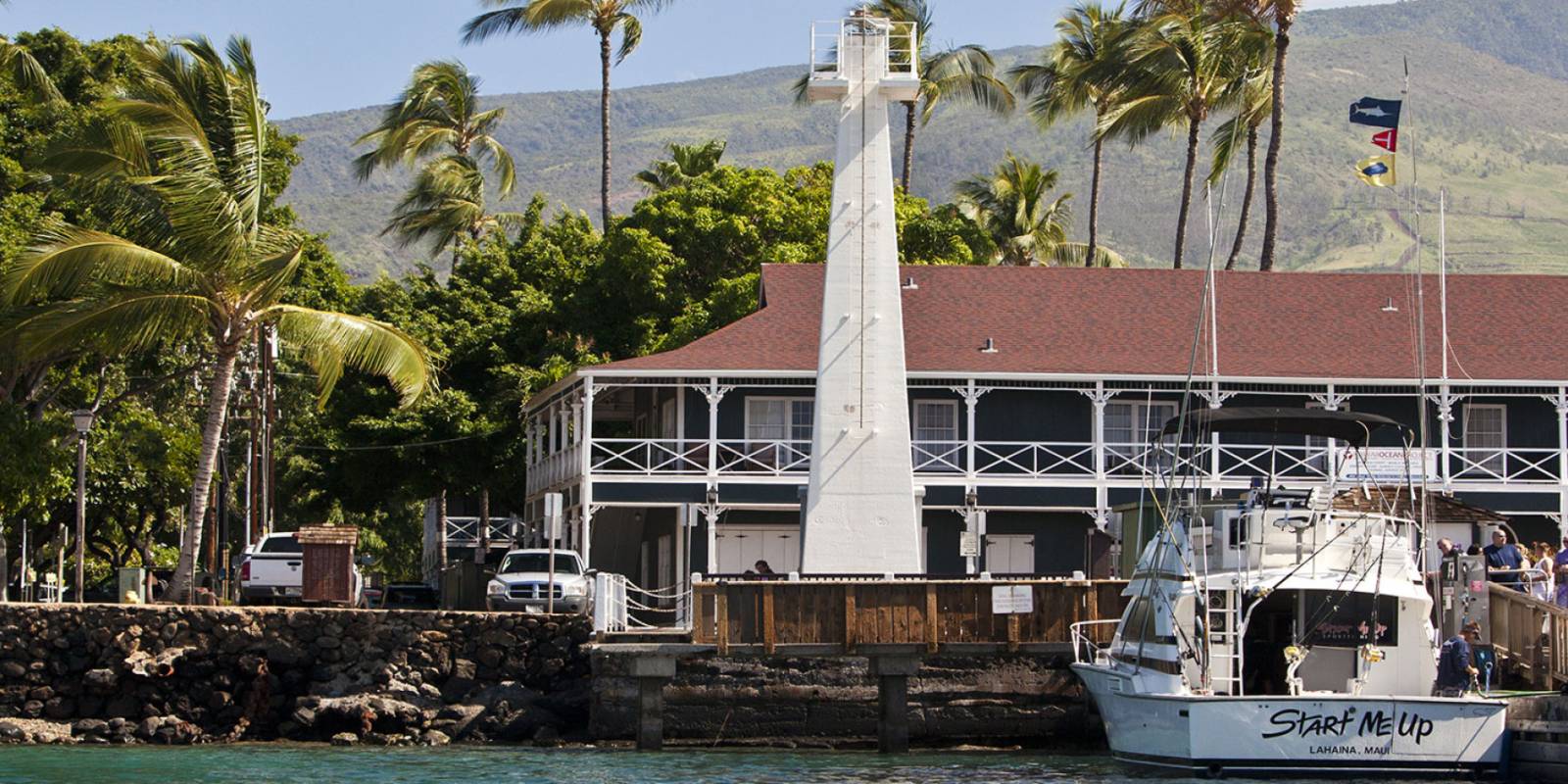
Lahaina Town’s historic district is still restricted. Front Street and the commercial core remain closed due to ongoing demolition and reconstruction. The Banyan Tree area is off-limits to visitors. Take the Lahaina Bypass Road when heading to or from the West Maui resorts — it routes around the affected zone entirely.

Kahului Airport’s new $62 million passenger waiting area opened in January 2025. All major airlines are running regular schedules. Rental car inventory has been tighter than pre-fire levels, so book in advance, especially for peak season travel.

The first building permits for Lahaina reconstruction were issued in April 2025. This is a multi-year process. The Lahaina you may remember from a previous trip no longer exists in that form — reconstruction will take years and the rebuilt town will look different from what stood before.

Grab Your Free Travel Guides!

Hawaii Intro Visitor Guide
+ Our Summary Guidesheets!

Includes the top must-see & do attractions, best times to visit, a monthly weather & visitor summary, and our tips on how to save when booking your car rental, tours, and activities.

Plus, grab our free Hawaii Summary Guidesheets.

Check out our Updated Hawaii Visitor Guides.

Haleakala

Haleakala

How to visit well

Spend locally. Farmers’ markets, locally owned restaurants, and Native Hawaiian-run businesses put your money directly into the community. Kuhikuhi.com lists Native Hawaiian-owned businesses by island. Hoʻomana Spa Maui in Makawao does traditional Lomi Lomi massage; Aloha Ocean Adventures runs Hawaiian-owned surf instruction. These aren’t the only options — they’re examples of what intentional spending looks like.

Volunteering is an option worth considering. Kipuka Olowalu runs native plant restoration on Wednesdays and Thursdays. Pacific Whale Foundation’s Volunteers on Vacation program pairs beach cleanups with marine education. Some hotels offer extra nights for guests who participate.

Use reef-safe sunscreen — chemical sunscreens are banned. Conserve water. Stay on marked trails. The island’s natural systems took a hit from the fires; they don’t need extra stress from careless visitors.

Stay out of the Lahaina burn zone. No disaster tourism, no photos of damaged property, no ducking under barriers. The area is both unsafe and an active grief site for people who lost homes and family members there.

Tip generously and don’t take service delays personally. A lot of workers are still dealing with fire aftermath while showing up to do their jobs. Don’t ask locals about the fire unless they bring it up first.

Aloha is still there

Hawaii is someone’s home, not a theme park. The people who live there are dealing with a lot right now. Aloha — the real kind, not the bumper-sticker version — is mutual. It means you show up with respect, and they show up with warmth. That exchange still happens on Maui. It’s just easier when visitors understand what they’re walking into.

You don’t have to walk on eggshells. You don’t need to perform guilt. You do need to pay attention: to signs, to where you spend money, to the difference between sacred sites and tourist attractions. Get those basics right and the island will deliver exactly what people keep coming back for.

The short version

Maui is open. Most of the island is fully operational. The only place you can't go is Lahaina's historic district, which is still under reconstruction and off-limits to visitors.

Tourism is the economic backbone of this island. Your visit matters — not in a marketing-copy way, but literally: visitor spending funds local jobs, schools, and services. The island took a major hit and is still rebuilding. Showing up, spending money, and doing it thoughtfully is the most useful thing a visitor can do right now.

Maui is still one of the most beautiful places on earth. Go. Just bring some awareness with you about where you're putting your money and which zones to avoid.

Affiliate Disclosure: We may earn commissions from some travel partners (like Amazon or Expedia) which helps us maintain this site. These links are at no extra cost to you and don't impact our honest & unbiased recommendations. Remove all the ads →