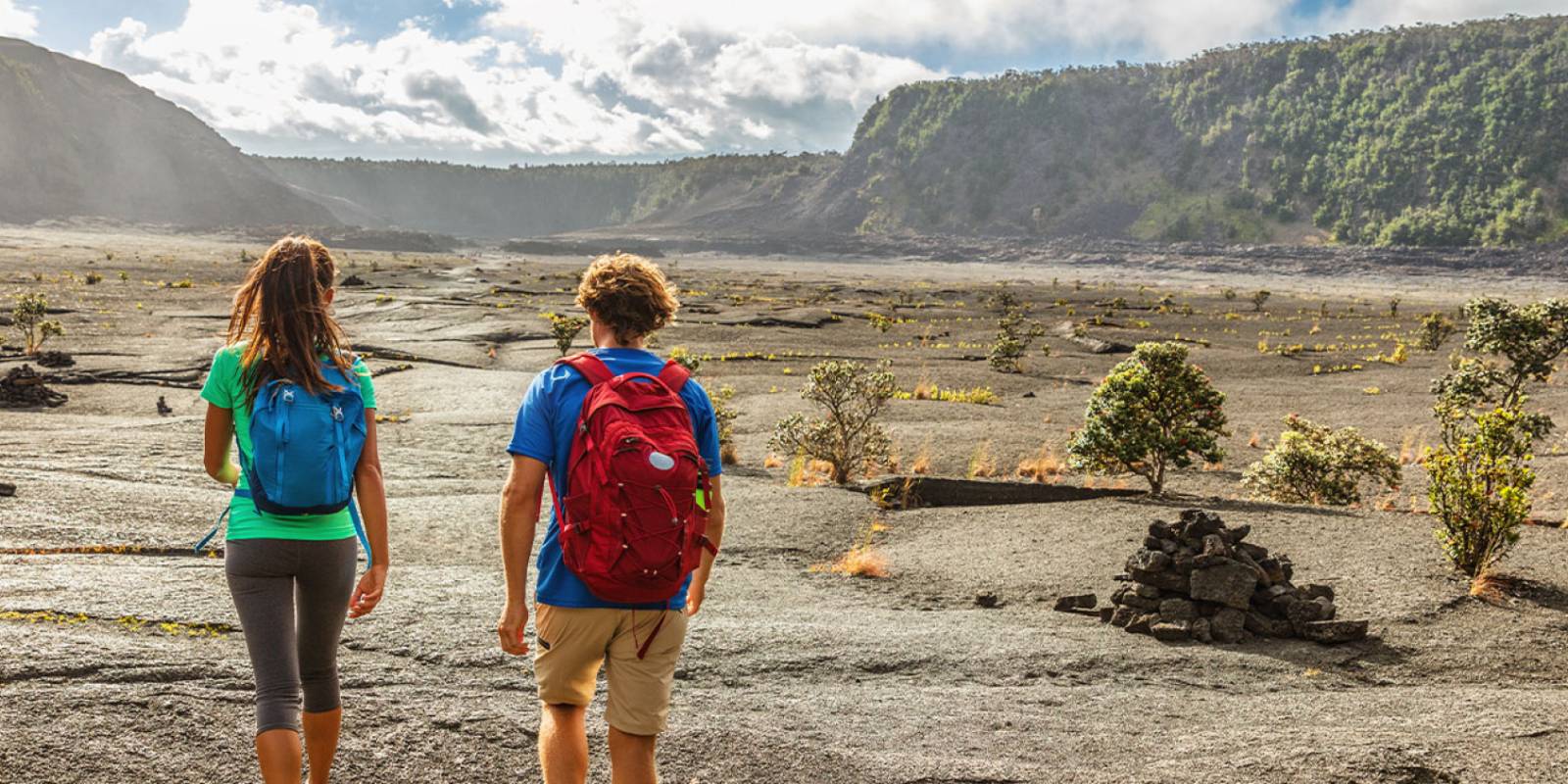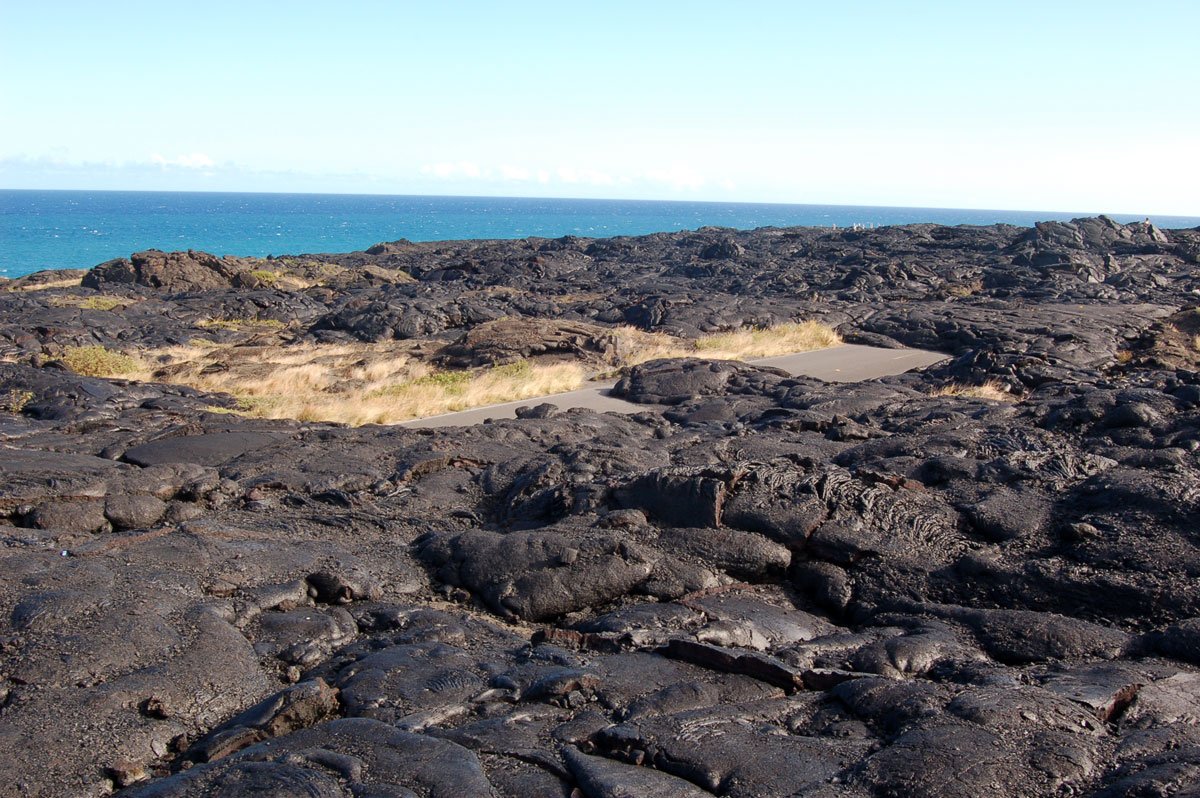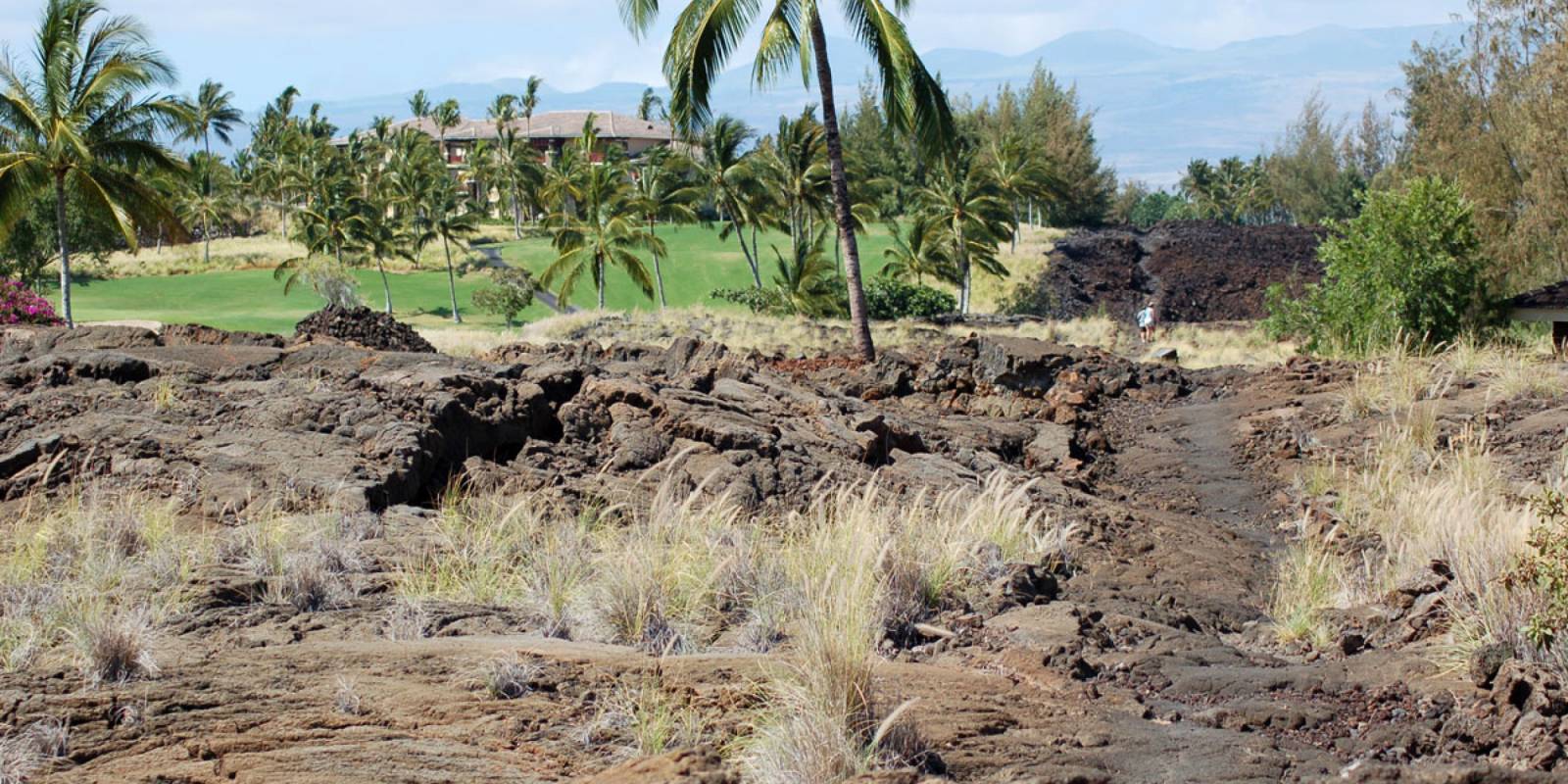

Hawaiʻi petroglyph sites hold some of the oldest visible art in the Pacific. Long before European ships reached the islands, Native Hawaiians carved thousands of images into the smooth pāhoehoe lava that lines much of the coast: stick-figure people, sails, circles, hands, footprints, and symbols whose meanings have been argued over for more than a century. The State Historic Preservation Division calls these carvings kīʻi pōhaku — stone images — and they are the pre-contact Hawaiian art a visitor can still stand in front of on public ground today.
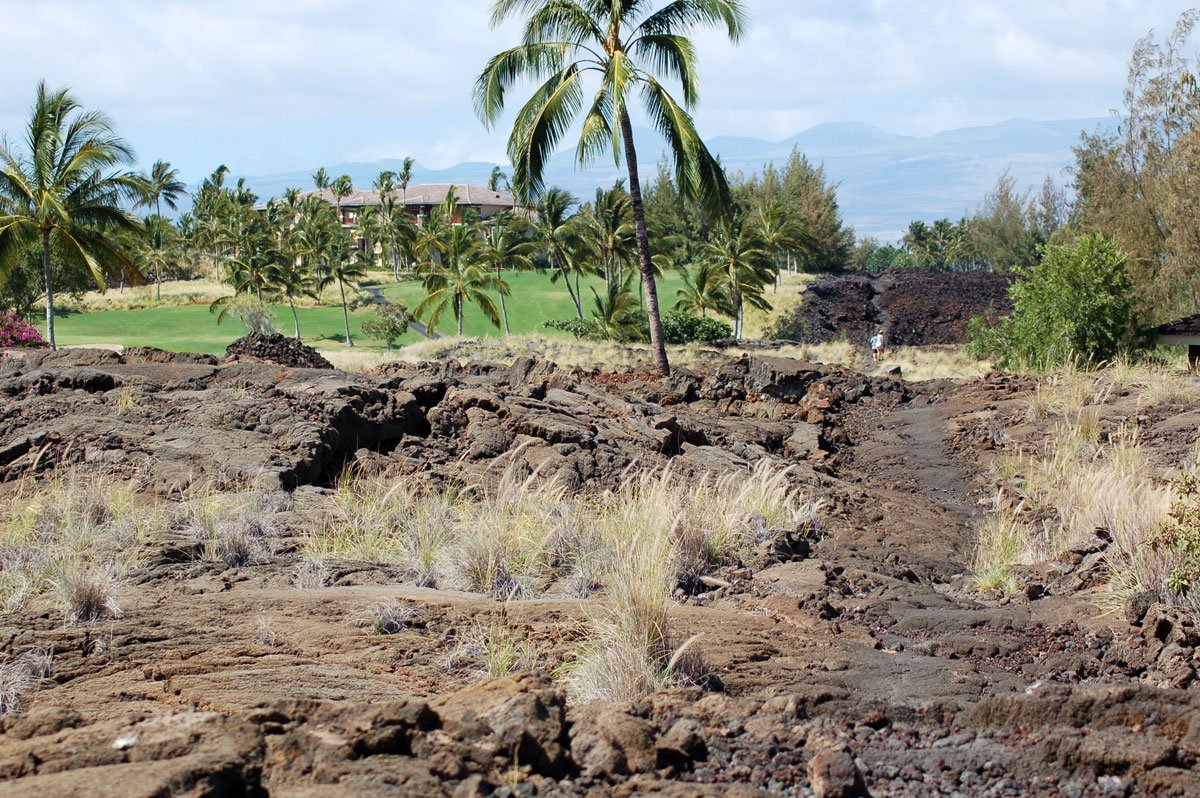
Summer is when most travelers actually go. The two largest fields sit on coastal lava in the hottest, driest parts of the state, and a morning visit between June and September is more predictable than winter: clearer skies, drier surfaces, and no storm runoff laying grit over the carvings. This guide covers the visitor-ready sites on the Big Island and Maui, plus what to know about Kauaʻi’s rarely exposed Wailua carvings and the rules that keep all of them intact.