


Oahu Food Tours

Chinatown, Downtown Honolulu, North Shore & Waikiki

The Honest Pitch for a Food Tour

If you only have a week on Oahu, you do not have time to figure out who has the best malasada in Honolulu, which Chinatown market still presses sugar cane to order, or which North Shore food truck is worth a 45-minute drive. A good food tour does that homework for you. On a typical walking tour you cover a few compact blocks, eat enough to skip a meal afterward, and your guide tells you what is local, what is tourist theater, and what is genuinely worth coming back for on your own.

The flip side: a bad food tour is a marketing walk between restaurants that paid for placement, and the portions are small enough that you leave hungry. The difference is operator, neighborhood, and how much the guide actually knows about the food. The common tour shapes below cover most visitor choices. Pick by the neighborhood you want to dig into, not by the headline price.

A bit of context on Oahu's food landscape before the tour categories: Hawaii is the only state where every wave of Pacific and Asian plantation immigration left a kitchen behind. Chinese contract workers arrived starting in 1852, Japanese laborers from 1885, and Portuguese, Korean, Filipino, and Puerto Rican workers across the following decades. Vietnamese cuisine arrived more recently. The "local food" you eat on a tour is what all of those communities cooked alongside each other for generations. It is shared across the islands today, but it is not the same as Native Hawaiian food, which predates everything else on the menu. That history is what the better guides talk about between bites.

Full lunch-style food tours usually leave Waikiki

Chinatown and Kakaʻako sit roughly 10 to 15 minutes from Waikiki by car, and the North Shore is closer to an hour (per Google Maps directions). Dessert walks and cocktail crawls often stay in Waikiki itself, but the bigger lunch-style tours start at the meeting point. Plan on a rental car or rideshare. We use Discount Hawaii Car Rental for no-prepayment, no-cancellation-fee bookings, which helps when tour times shift on you.

1. Chinatown Food & Market Walks

This is the headline Oahu food tour category. Honolulu's Chinatown is one of the oldest in the United States (San Francisco's is usually credited as the oldest), and the name undersells what's there. The actual food on a good Chinatown tour is Hawaiian, Chinese, Vietnamese, Filipino, Thai, and Korean, all compressed into a few walkable blocks around Maunakea Marketplace and the Oʻahu Market.

What you'll typically eat on a Chinatown food walk:

  • Manapua. Hawaii's version of Chinese bao, sweet pork or kalua pig steamed inside a fluffy bun. The local versions are larger and softer than mainland char siu bao.
  • Crack seed and dried fruit. Preserved plum, mango, and lemon peel, sold by the scoop. An acquired taste, but the operators that include it are doing real food history.
  • Fresh tropical fruit. Apple bananas, lychee in season, rambutan, mountain apple, dragon fruit. The market stalls let you taste before you buy.
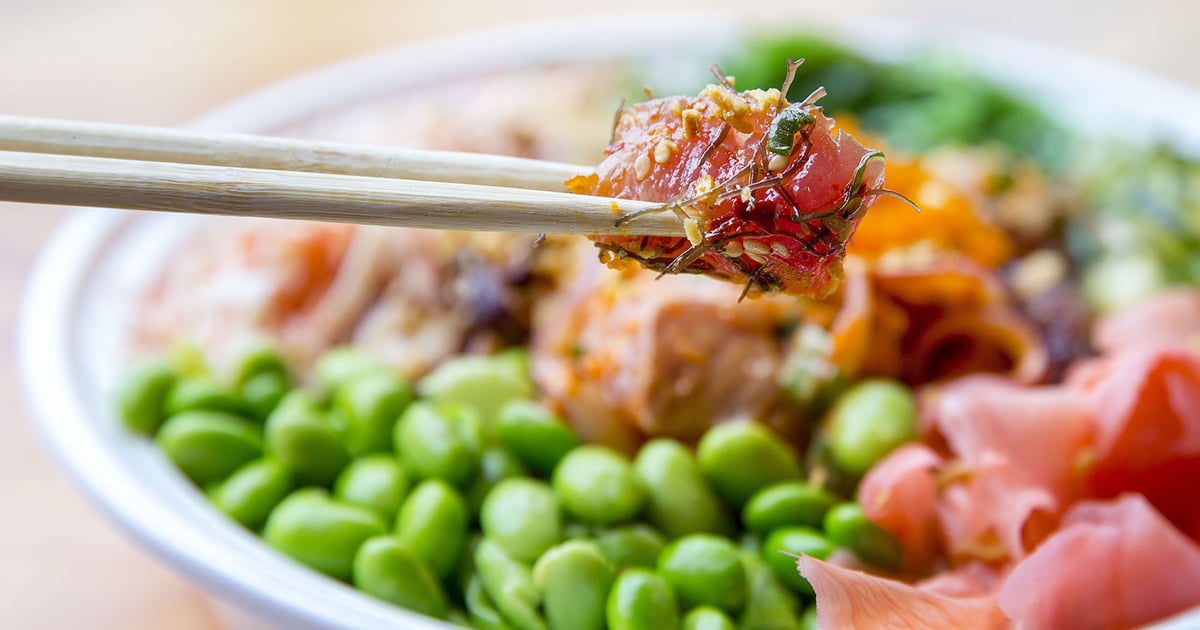
  • Hawaiian-style poke and pipikaula. Raw fish bowls and Hawaiian-style beef jerky, both sold by weight at counter shops most tourists walk past.
  • Vietnamese pho or banh mi. Chinatown has a strong cluster of Vietnamese restaurants in a few square blocks.
  • Filipino specialty stops. Adobo, lechon, halo-halo. Depends on the operator, but the better Chinatown tours include at least one Filipino tasting.

Looking at current listings from operators like Hawaii Food Tours and Aloha Food Tours, most Chinatown food walks run 2.5 to 3 hours, cover a mile to a mile and a half on foot, and include six to eight tastings, which counts as lunch for most adults. Prices currently land in roughly the $130 to $150 per person range. Children's pricing and minimum ages vary by operator. Compare current Oahu Chinatown food tours on Viator » for live pricing.

A few practical notes specific to Chinatown:

  • Weekend mornings are the busiest. Saturday is when the market is at its liveliest, but parking is hardest then. Friday mornings are usually calmer.
  • Parking: the Chinatown Gateway Plaza garage on Maunakea Street and the city lots near River Street are the reliable options. Street parking is one-hour metered and aggressively enforced.
  • Wear closed-toe shoes. Open-air markets get wet, and you'll be standing on tile and concrete the whole time. Sneakers are fine.
  • Cash is still useful for the smaller market stalls. Bring $20 to $30 in small bills even though most operators handle the tasting payments themselves.

2. Downtown Honolulu & Kakaʻako Tasting Tours

Honolulu's downtown is the historic and civic center of the city, and increasingly its small-plate restaurant scene. Kakaʻako, the redeveloped neighborhood just west of Ala Moana, is the newer side of the same scene, with breweries, ramen shops, and chef-driven small spots. Food tours in this category lean less on cultural history and more on chef-driven restaurants you'd never find on a Waikiki Yelp search.

What you'll typically eat on a downtown or Kakaʻako tour:

  • Modern Hawaii small plates. Fresh local fish, Korean-style short rib, kalua pig sliders, fusion takes on local breakfast plates.
  • Locally roasted coffee. Honolulu's specialty roasters increasingly source from Hawaii-grown beans rather than importing.
  • Hawaiian craft beer. Multiple breweries within walking distance of each other in Kakaʻako, all of which run flights and most of which can pair small bites.
  • Chocolate and pastry. Hawaii is the only US state with a climate that supports commercial cacao production, and a couple of Honolulu chocolatiers do single-origin bars worth tasting.
  • Specialty shave ice and gelato. The better tours skip the food-court versions and walk you to the small shops doing house-made syrups from local fruit.

These tours generally run 3 to 4 hours and price in the $110 to $150 range, based on current listings like Aloha Food Tours' downtown route. Group sizes tend to be smaller than the Chinatown walks. Browse Oahu food and tasting tours on Viator » to compare what each operator actually serves.

The Kakaʻako Mural Angle

Several Kakaʻako food tours work the neighborhood's outdoor mural collection into the route. POW! WOW! Hawaii (now under the Worldwide Walls banner) has run a mural festival in Kakaʻako for years, and the result is dense blocks of large-scale public art that's worth seeing whether or not the food is the headline. If someone in your group is on the food tour reluctantly, the mural-plus-tasting combo gives them something to photograph between stops.

3. North Shore Food Truck & Roadside Tours

The North Shore food tour is a completely different shape. Instead of walking a few blocks, you ride in a van for most of the day, and the tour is built around food trucks and roadside stops along Kamehameha Highway between Haleʻiwa and Kahuku.

What you'll typically eat on a North Shore food tour:

  • Garlic shrimp. The headline. Kahuku-grown shrimp, cooked roadside, served with rice and a lemon wedge. Several long-running shrimp trucks operate within a few miles of each other in Kahuku, and most tours hit one or two.
  • Haleʻiwa shave ice. The classic visitor stop for shave ice in Hawaii, with house-made syrups and (depending on the shop) ice cream or azuki beans at the bottom.
  • Acai bowls and smoothie stands. The North Shore has a long-running acai bowl scene. The better tours skip the most Instagrammed spots in favor of smaller stands with house granola.
  • Fresh fruit stands. Pineapple, papaya, mountain apple, and lychee in season. Several family farms operate self-serve stands on Kamehameha Highway, and the tour van knows which ones are stocked that day.
  • Banana bread and baked goods. Ted's Bakery in Sunset Beach is the common stop on the way back if the tour does a loop.

Looking at current listings like this 8-hour North Shore food tour on Viator, these run roughly 6 to 8 hours, include hotel or central pickup, and price in the $150 to $220 range. Some longer ones add a snorkel or beach stop at Waimea Bay or Three Tables in the calmer summer months, which makes them effectively a circle-island day rather than a pure food tour. See current North Shore food tour options on Viator ».

One trade-off worth knowing: on a North Shore food tour you eat what the operator picks. If you want to compare the four big garlic shrimp trucks side-by-side (Giovanni's, Romy's, Macky's, Fumi's), you need a rental car, your own appetite, and a few extra hours. The tour is the faster way to taste a representative selection. A self-driven food crawl is the way to declare a personal favorite.

4. Specialty Tours: Brewery, Dessert & Farm-to-Table

Beyond the three main categories above, Oahu has a handful of niche tour types that fit specific groups well:

  • Brewery and craft beer crawls. Usually focused on Kakaʻako, sometimes including Honolulu Beerworks on the edge of the neighborhood. Most cover several breweries with flights and pairing bites. Adults only; expect age 21+ requirements.
  • Cocktail and tiki crawls. Waikiki's hotel-bar tiki scene plus a handful of downtown cocktail rooms. Niche, but the right speakeasy-style itinerary is genuinely fun. Adults only.
  • Dessert and sweets walks. Usually in Waikiki or downtown, hitting malasada, shave ice, mochi donuts, and acai. Kid-friendly. Roughly 2 hours and $65 to $90 based on current Viator listings, which makes them cheaper and shorter than the full food walks.
  • Farm-to-table and agritourism tours. Coffee farms, cacao farms, honey farms, taro farms, and a tropical fruit farm or two. Mostly Windward side and North Shore. Half education, half tasting. Some of the best options for travelers who want to actually understand how Hawaii's food gets made.
  • Vietnamese- or Filipino-focused Chinatown walks. Single-cuisine routes through Chinatown. Rare, but the best ones are run by people who grew up in the cuisine and know which family-run kitchens still cook the old way.

How to Pick: A Simple Decision Grid

Match the right tour shape to your group:

First-time visitor, one food tour

Book a Chinatown walk. It is the densest and most culturally varied food landscape on the island, and you'll learn vocabulary (manapua, poke, pipikaula, lau lau) that helps you order at every other meal for the rest of the trip.

Foodie traveler, no rental car

Book a downtown or Kakaʻako tasting tour. The neighborhood is reachable by TheBus or rideshare from Waikiki, and the chef-driven stops are hard to find on your own.

Family with kids, day off from the beach

Book a North Shore food truck tour. Kids love the shrimp and the shave ice, parents get the scenic drive, and some longer tours add a beach or snorkel stop in summer.

Couple, evening out

Book a Kakaʻako brewery crawl or a downtown cocktail walk. Adults-only, walkable, and an alternative to the same Waikiki hotel restaurants you've been eating in all week.

Curious about where food comes from

Book a farm-to-table or coffee-farm tour. The North Shore and Windward side host most of Oahu's small farms. The tasting portion is usually the smaller half. The real value is seeing a cacao pod or a coffee cherry on the tree.

Sweet tooth, short window

Book a dessert and sweets walk. Two hours, four to six stops, malasada and shave ice and mochi donuts and acai. Cheaper than the full food walks, kid-friendly, and easy to pair with dinner afterward.

What to Wear and Bring

Oahu food tours have a few practical rules that quietly trip people up:

  • Closed-toe shoes, every category. Even the Waikiki dessert walks involve standing on tile and concrete for two hours. Sandals will hurt before stop three.
  • Skip the perfume and cologne. Sounds odd, but the open-air markets and small kitchens have enough food smell of their own. Fragrance interferes with what you're tasting.
  • Eat a light breakfast, not none. Many tours front-load tastings, so arrive lightly fed rather than starving. Toast, a banana, coffee. That pegs your appetite at the right level.
  • Bring water. Some operators provide it; many don't. A small insulated water bottle in your bag is fine for a Chinatown or downtown walk. On the North Shore van tour you can usually leave a larger bottle in the van.
  • Sunscreen for outdoor tours. The Chinatown walks are mostly shaded, but the North Shore van tour and the farm-to-table tours have long outdoor segments. Reef-safe zinc sunscreen is the right call. Hawaii's Act 104 bans the sale of sunscreens containing oxybenzone and octinoxate statewide.
  • Cash for small purchases. The tastings are paid by the operator, but you'll often want to buy something extra at a market stall or take home a bag of crack seed. $20 to $40 in small bills covers most temptations.
  • A small notebook or your phone notes app. The good guides drop restaurant names and dishes you'll want to come back to. If you don't write them down by the third stop, you will not remember them by the seventh.

Stacking a Food Tour With the Rest of the Day

Many morning and early-afternoon walks leave the rest of the day open. Some natural pairings:

  • Chinatown morning tour pairs with the Hawaii State Art Museum (admission is always free), the Capitol District walk, or an afternoon at Honolulu Hale and Iolani Palace. All sit within about ten minutes on foot from Chinatown.
  • Downtown or Kakaʻako afternoon tour pairs with Ala Moana Beach Park for an end-of-day swim, the Ala Moana Center for shopping, or a Waikiki sunset.
  • North Shore food truck day is usually the whole day. If you finish early, an hour at Waimea Bay or Laniakea (Turtle Beach) is the natural cap. In winter, watch the surf instead of swimming.
  • Brewery or cocktail crawl pairs with an early simple dinner before and a rideshare back to your Waikiki or Ala Moana hotel after.
  • Farm-to-table morning tour on the Windward side stacks well with Lanikai Beach in the afternoon. Both are reachable from the same H-3 corridor.

Allergies and Dietary Restrictions

Add any dietary restriction or allergy to the booking itself, not to the guide at check-in. Operators need lead time to swap bites at venues that have pre-arranged the tastings, and brewery or cocktail crawls are the hardest to flex because the bar bites are set with the venue ahead of time. If anyone in your group has a severe allergy, message the operator before booking and get the accommodation, the substitutions, and the refund terms in writing. Some operators can flex around vegetarian, gluten-free, dairy-free, or shellfish requests; others can't. The only way to know is to ask. For travelers with shellfish allergies, North Shore food tours may be a poor fit because shrimp is often the centerpiece.

Compare Guided Oahu Food Tours

Scroll below to compare popular Oahu food and tasting tours from our affiliate booking partner. Chinatown and Kakaʻako walks usually run multiple times per week; North Shore food truck tours generally run daily. Weekends, holidays, and summer dates can sell out, so book ahead when you have firm travel dates.

For at-home reading on Hawaii regional cuisine after your trip, the Sam Choy and Roy Yamaguchi cookbooks are the standard references from two of the founding chefs of the movement.

Related Reading

Planning the bigger Oahu picture? Our full Oahu activities guide covers snorkeling, hiking, luaus, and everything else; our Oahu dining guide goes deep on restaurants by neighborhood. If you're piecing together the whole trip, the Hawaii trip cost calculator will tell you whether the rest of your budget supports a couple of food-tour stops too.