

Aloha, we’re John & Tori—your guides to all things Maui!
The Best Things to Do in Maui
Maui sits at an intersection no other Hawaiian island occupies: big enough for world-class variety (727 square miles, two volcanic mountains, a 10,023-foot summit), small enough that you can snorkel Molokini Crater in the morning and watch sunset from Haleakalā the same evening. The Road to Hāna packs one-lane bridges, narrow turns, waterfalls, and coastal pullouts into a full travel day. In winter and early spring, the Maʻalaea Harbor channel becomes one of Hawaii's strongest humpback viewing areas.
Most Maui tours run out of three hubs: Kaʻanapali/Lahaina on the west side, Wailea/Kīhei in South Maui, and Maʻalaea Harbor between them. Waikiki-style hotel pickup isn't universal here (the island is too spread out), so check pickup zones when booking. Pricing ranges from free self-guided beach and trail days to splurge-worthy helicopter flights over the West Maui Mountains. If you are choosing between Road to Hāna, Haleakalā, Upcountry, and Central Maui routes, start with our Maui sightseeing tours guide. Below: every major category of things to do in Maui — with planning notes and direct booking links.
We took our first trip to Maui in 2002 and have come back more times than we can count since. Out of everything on the island, these are the days we'd tell a friend not to miss — the ocean ones, the high-country ones, and the one cultural night everyone should do.
-
Bucket list
1 Drive the Road to Hāna
The drive is the destination here — a long string of tight curves and one-lane bridges threading past waterfalls, sea cliffs, and pull-offs most people blow right past. Go slow, leave early, and let the rental car earn its keep. If you'd rather watch the scenery than the road, a guided van does the driving for you.
-
Sunrise
2 Watch sunrise from Haleakalā
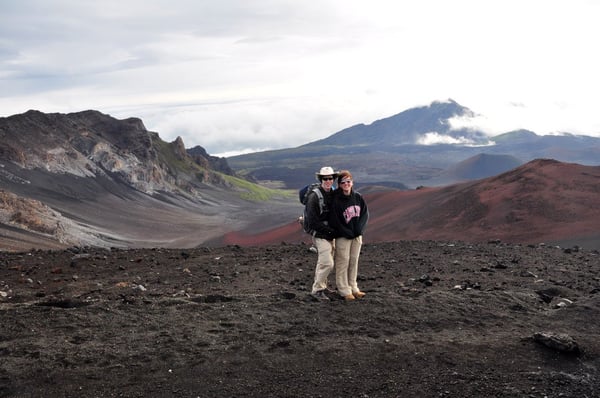
Standing above the clouds at 10,023 feet while the sun comes up over the crater is the kind of morning you remember for years. Sunrise requires a reservation; if you'd rather sleep in, the summit is just as otherworldly at midday or sunset. Bring a real jacket either way — it's near freezing up top.
-
Snorkelers
3 Snorkel Molokini Crater
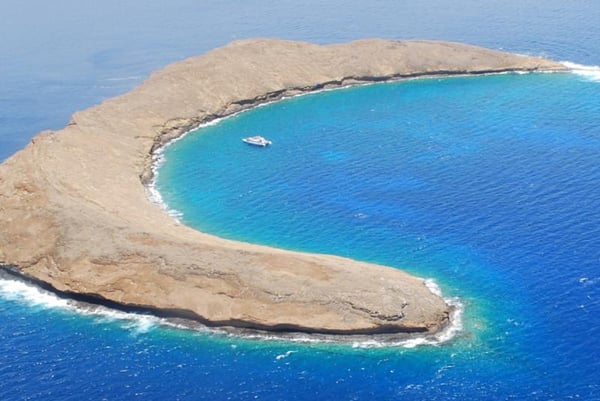
A half-sunken volcanic crescent a few miles off South Maui, Molokini has some of the clearest water in the islands and reef fish in every direction. Morning boats beat both the afternoon wind and the crowds, so book the early departure.
-
Winter
4 Whale watch in season
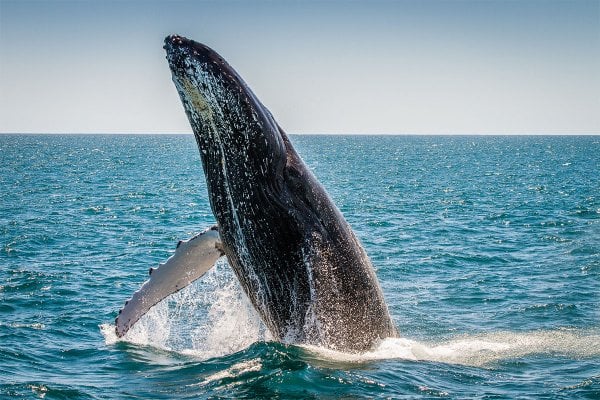
Winter and early spring are Maui's dependable humpback-viewing window, with January through March as the peak. The Maʻalaea channel between Maui, Lānaʻi, and Kahoʻolawe is one of Hawaii's strongest viewing areas. You'll spot spouts from shore, but getting out on the water is another level entirely.
-
For hikers
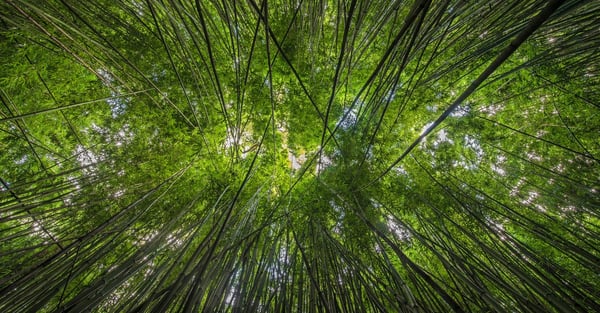
5 Hike Pīpīwai to Waimoku Falls
Out in the Kīpahulu district past Hāna, this trail climbs through a stand of bamboo so dense it creaks and hums in the wind, then ends at the 400-foot Waimoku Falls. It's the best half-day hike on the island, and the bamboo tunnel alone is worth the drive.
-
Quick & easy
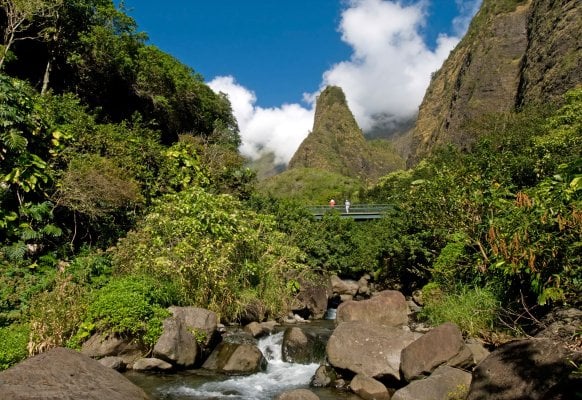
6 Walk into ʻĪao Valley
The mossy green spire of Kūkaʻemoku — the ʻĪao Needle — rises out of a valley that is both stunning and deeply sacred to Native Hawaiians. Treat it as the place of reverence it is; a short paved walk gets you the view without asking much of you.
-
First-timers
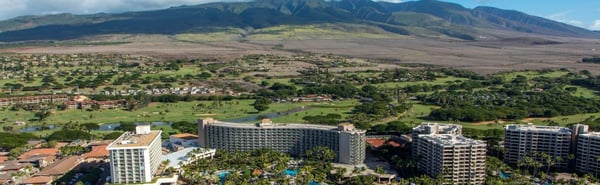
7 Beach day at Kaʻanapali
Kaʻanapali's resort-lined West Maui beach has easy snorkeling right off Black Rock at the north end. It's busy, but the water's warm, the reef is healthy, and the sunsets are the postcard kind. A good first-day landing spot.
-
Evening out
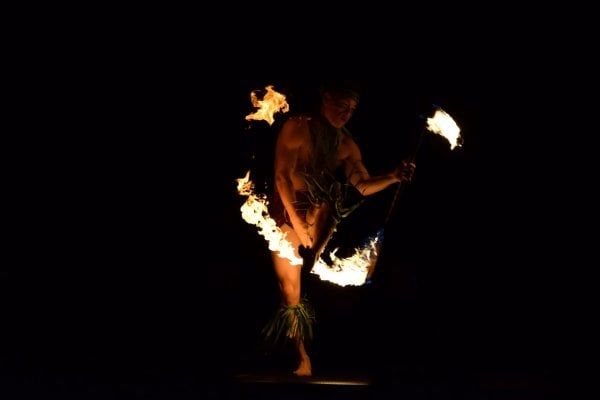
8 Spend a night at a luau
If you do one cultural evening on Maui, make it a luau — the food, the hula, and the story of the place all in one sitting. The best ones book out well ahead in peak season, so reserve before you fly.
-
Splurge
9 See the island by helicopter
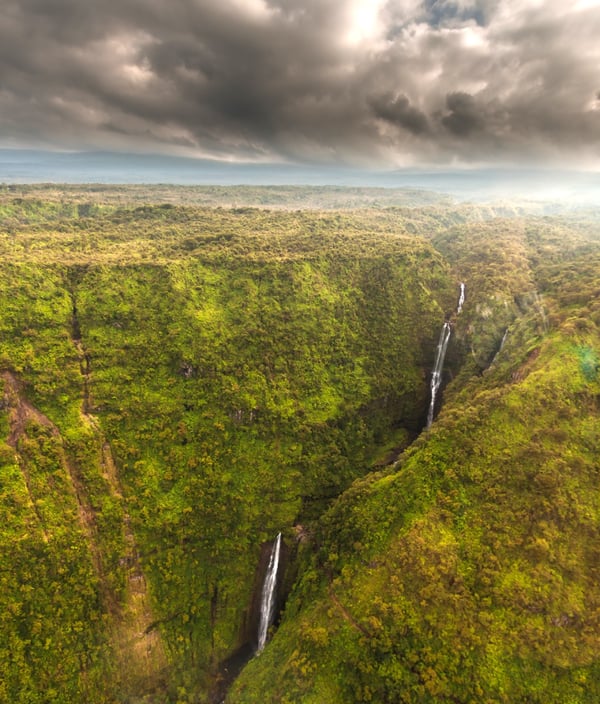
Half of Maui's most dramatic country — the folded West Maui valleys, the backside of Haleakalā, waterfalls with no trail to them — you can really only see from the air. It's a splurge, but on a first trip it's the one most people don't regret.
-
With kids
10 Meet the reef at Maui Ocean Center
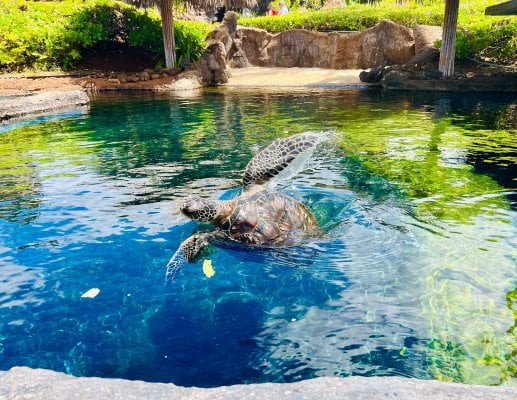
The best aquarium in Hawaiʻi, and it's all Hawaiian marine life — reef sharks, rays, and honu gliding overhead in a walk-through tunnel. It's a genuinely good call on a rainy afternoon or with kids in tow.
-
Beach day
11 Stretch out on Big Beach (Mākena)
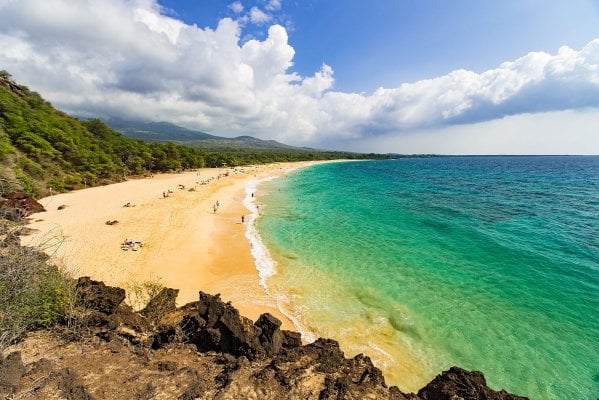
A wide arc of golden sand backed by kiawe trees, and one of the last big undeveloped beaches on Maui. It's gorgeous to look at, but the shore break means business — swim with respect and keep an eye on kids.
-
Active
12 Take a surf lesson
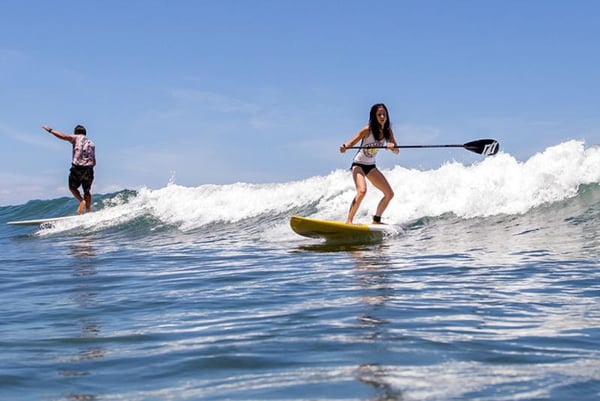
Maui is where a lot of visitors try surfing for the first time. Gentle South and West Maui windows can be forgiving, and a good instructor handles the wave choice, etiquette, and timing that beginners cannot read yet.
-
Slow day
13 Slow down Upcountry in Kula
Most visitors never leave the coast, but the ranch land and gardens up the slopes of Haleakalā are a different Maui altogether — cooler, quieter, scented with eucalyptus and lavender. Worth a slow afternoon when you need a break from the beach.
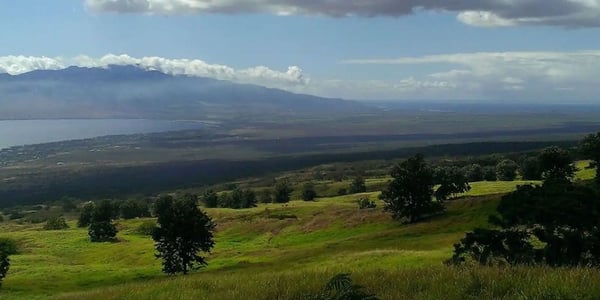
Hidden Gems & Local Favorites on Maui
The 13 above are the names everyone arrives knowing. These are the stops that reward the travelers who keep driving past the trailhead parking lot — the roadside fruit stand, the Upcountry farm, the bay that empties out by mid-morning. Some may call for a reservation, but none need to define the whole day. All of them are why people come back.
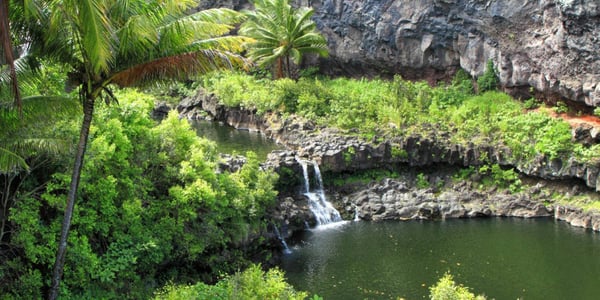
ʻŌheʻo Gulch & Kīpahulu
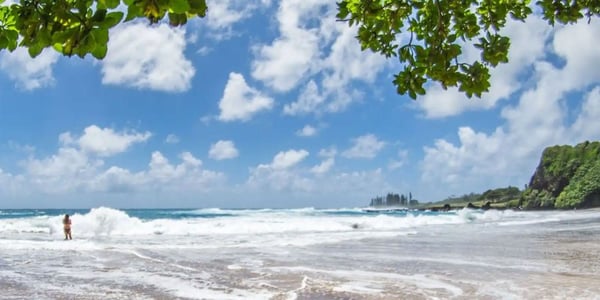
Keep going past Hāna and the road delivers you to the stacked pools of ʻŌheʻo, tumbling down toward the ocean in the Kīpahulu district of Haleakalā National Park. You’ll see it sold as the “Seven Sacred Pools” — that’s a tour-brochure invention, there aren’t seven and they were never sacred. The real prize is the Pīpīwai Trail behind it, a climb through a bamboo forest to 400-foot Waimoku Falls.
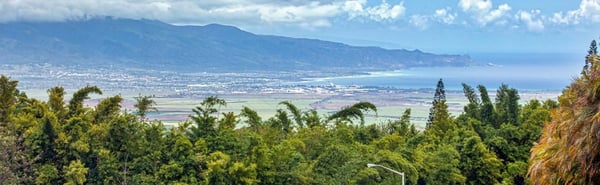
Upcountry Farm Country
Climb the slopes of Haleakalā into Kula and the air cools, the views open across the whole isthmus, and the farms start. Lavender gardens, coffee farms, small farm tours, and Upcountry produce stops each show a different side of Maui — the part many visitors drive straight past on their way to the summit.
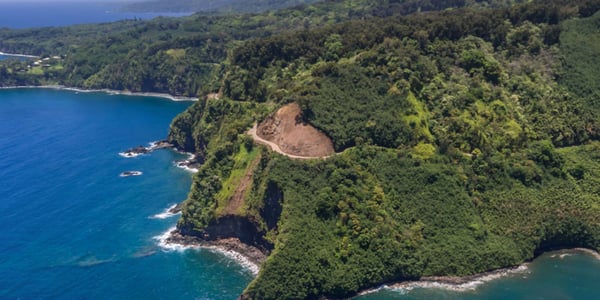
Hāna Highway Food Stops
The drive to Hāna is the destination, and half of what makes it is what you eat along the way. Think warm banana bread, roadside fruit stands, and small snack stops that change more often than the waterfalls. Build the stops into the plan instead of racing the clock — the food is the point.
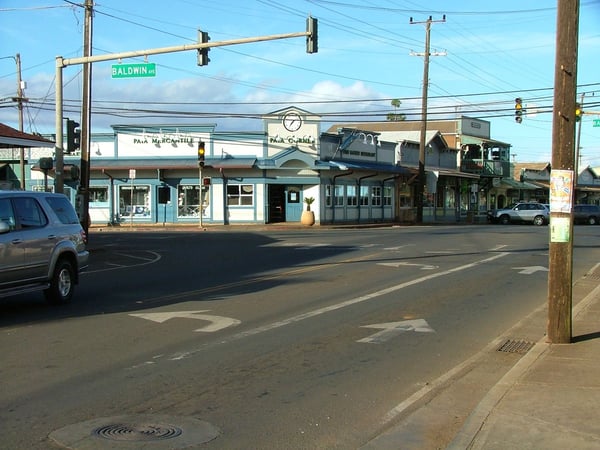
Pāʻia Town
An old plantation and surf town on the North Shore that turned into the best fifteen minutes of browsing on Maui. It’s the last real coffee, gas, and food before the Hāna road, so most people blow through it at 7 a.m. Slow down on the way back instead — the shops, the fish houses, and the windsurfers out at Hoʻokipa are worth the stop.
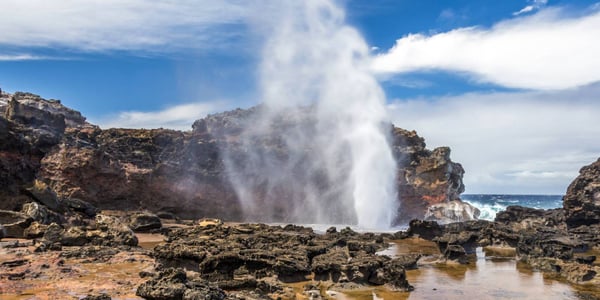
Nakalele Blowhole
Out on the wild northwest coast, the ocean has carved a vent in the lava bench that fires a column of seawater skyward when the surf is right. There’s a heart-shaped hole worn into the rock nearby that gets all the photos. Respect the surge — people have been pulled in standing too close to the edge. Watch a few sets before you commit to a spot.
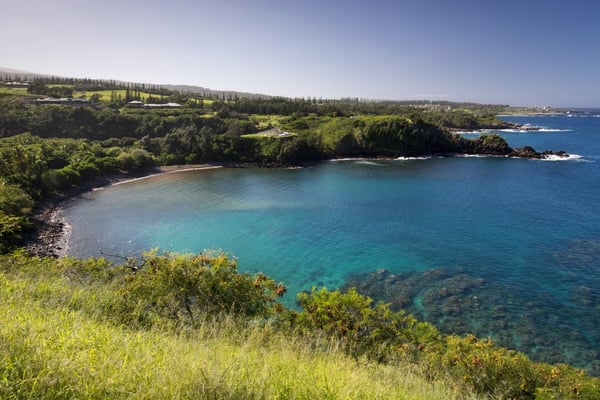
Honolua Bay
A marine life conservation district on the northwest shore that flips with the seasons. Summer turns it glassy and clear, one of the better snorkel entries on the island once the swell drops. Winter turns it into a world-class point break that the surf world watches. Same bay, two completely different days.
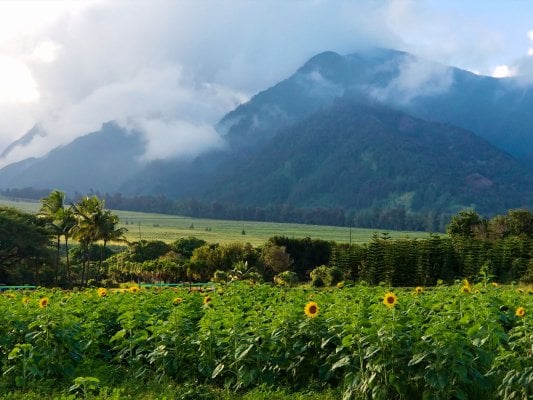
Central Maui Plantation Country
Near Wailuku at the foot of the West Maui Mountains, Maui Tropical Plantation anchors a pocket of farm country you can tour by open-air tram through pineapple, coffee, and tropical fruit. There’s a zipline course strung over the property for anyone who wants the central valley from the air. An easy, low-key half-day when the beach gets old.
Explore Maui farm & plantation tours → · Compare Maui zipline tours →
Activity Quick Guide
Jump to any category. Prices and availability change often; confirm current rates before booking.
Our Top Maui Activities
Maui Experiences
The sections below cover every major activity on Maui, from the iconic (Road to Hana, Haleakala sunrise) to the seasonal (winter whale watching). Each section includes current pricing context, logistics tips, and links to our detailed sub-pages where you can compare operators and book directly.
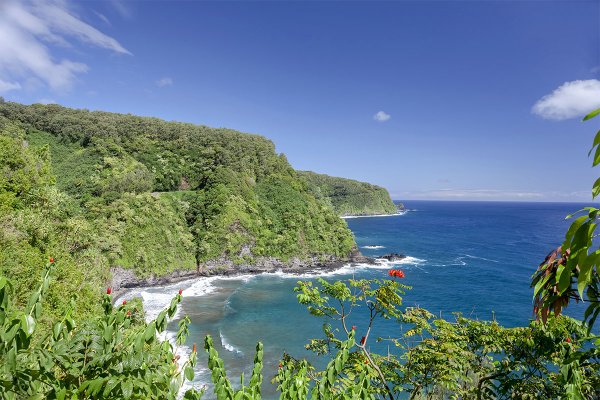
Road to Hana
The Hāna Highway is Maui's signature drive: a long, narrow road day with one-lane bridges, tight turns, and waterfalls around every bend. Guided tours handle the driving so you can actually look out the window; prices vary by pickup area, group size, and whether the trip is private. Self-driving avoids tour costs, but Waiʻānapanapa State Park requires advance reservations and separate non-resident entry/parking fees, and the road demands full concentration for a 10 to 12 hour round trip.
Key stops along the route: Twin Falls (easy 20-minute walk to a swimmable pool), the Garden of Eden Arboretum, Wailua Falls, the bamboo forest at Pīpīwai Trail inside Haleakalā National Park's Kīpahulu district, and the black sand beach at Waiʻānapanapa. Leave the west side early if you want unrushed stops and a daylight return. Compare all Road to Hāna tour options.
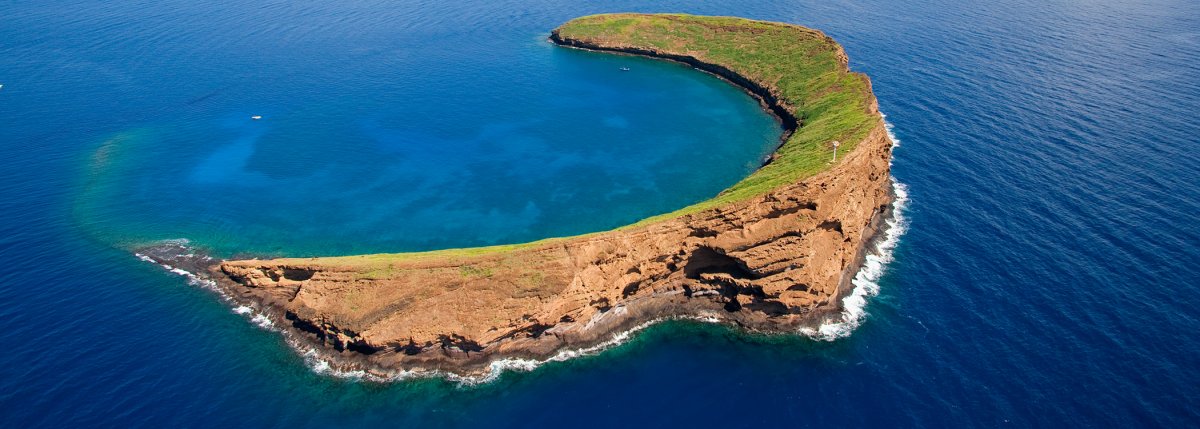
Molokini Snorkeling
Molokini Crater is a partially submerged volcanic crater off South Maui and a state Marine Life Conservation District. Morning departures from Maʻalaea Harbor are common, but water and wind still determine the experience; compare the current route, participation rules, and cancellation terms before booking.
Most boats also stop at Turtle Town near Makena for a second snorkel session with green sea turtles. Catamarans (Pride of Maui, Four Winds II) carry larger groups with lunch and open bar. Smaller rafts like Redline Rafting keep the trip more compact and can reach crater angles that larger boats may skip. For shore-based alternatives, Kapalua Bay, Honolua Bay, and Black Rock offer excellent reef snorkeling with no boat trip required.
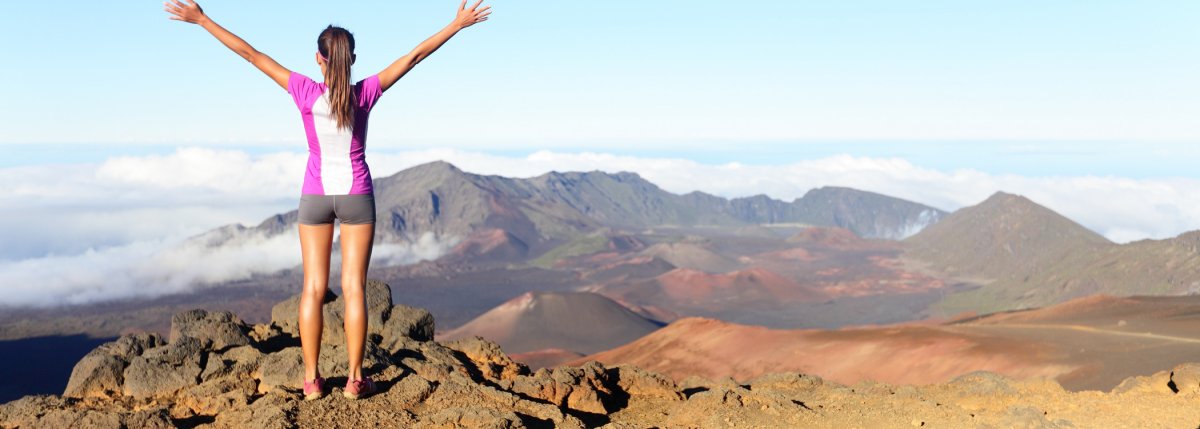
Haleakala Sunrise
Watching sunrise from the 10,023-foot summit of Haleakala is one of the defining experiences in Hawaii. The sky shifts through purple, orange, and gold above a sea of clouds filling the crater below. Sunrise reservations through Recreation.gov require a small separate booking fee in addition to the standard park entry fee, and the main reservation window opens 60 days ahead. Compare guided van, downhill bike, and self-drive options on our Haleakalā sunrise & summit tours guide.
Expect a very early departure from West Maui or South Maui if you are driving yourself for sunrise. Bring layers: summit temperatures average 30 to 40 degrees at dawn. Guided sunrise tours typically cost more than self-driving, but they include hotel pickup, warm jackets, park logistics, and breakfast on the way down. After sunrise, the crater hiking trails (Sliding Sands, Halemau'u) offer otherworldly volcanic landscapes. Bike tours let you coast downhill through upcountry ranch land, with sunrise and later-morning options priced differently.
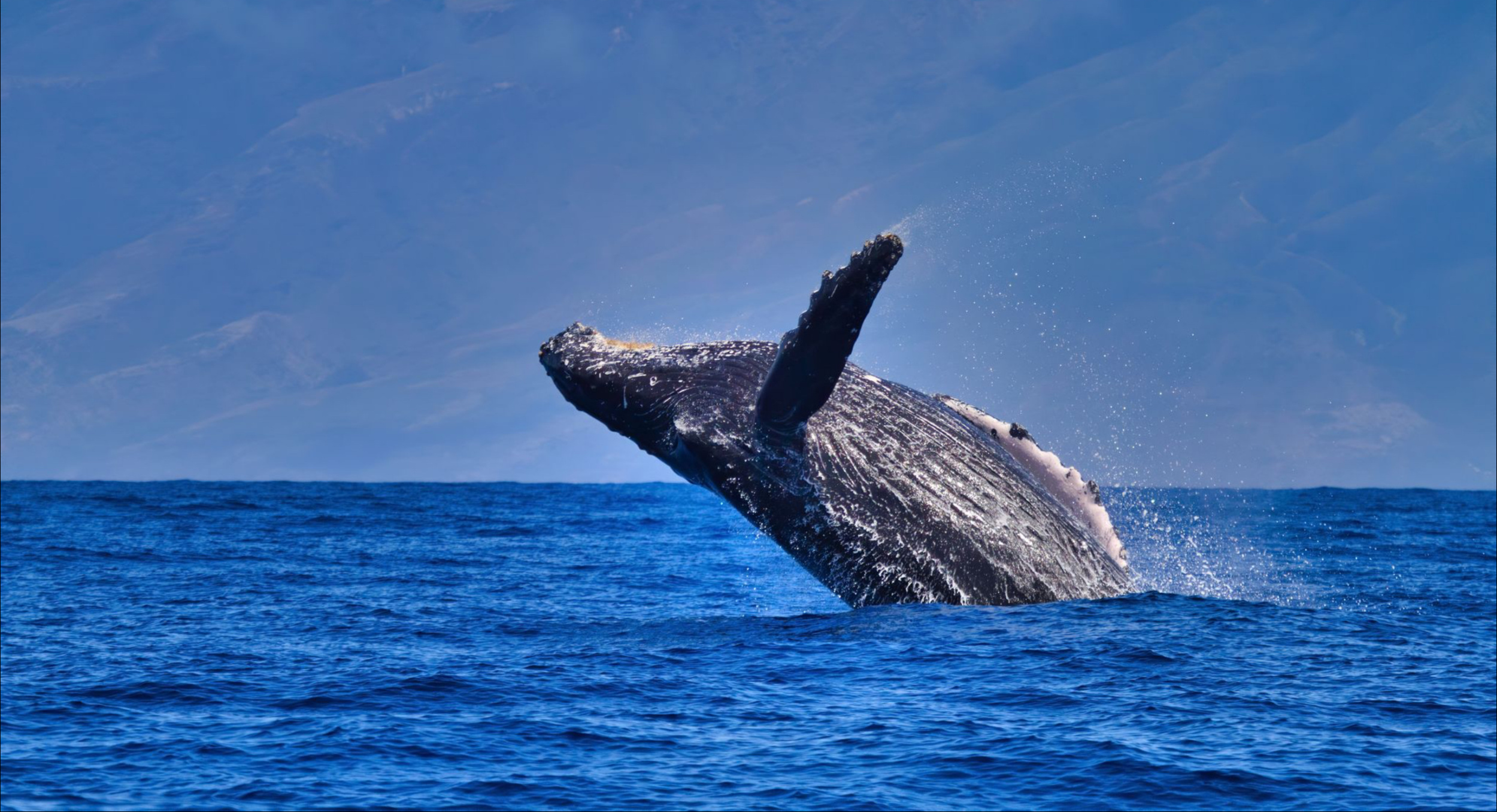
Whale Watching
Maui sits in the Au'au Channel between Maui and Lanai, one of the shallowest, warmest channels in Hawaii, which makes it a major breeding and calving area for North Pacific humpback whales. Whale watching tours are most reliable in winter and early spring, with January through March as the peak window. Compare current rates before booking because boat size, harbor, and cancellation rules change the price quickly.
Naturalist-led cruises may include hydrophones so you can listen to whale songs underwater. Smaller zodiac-style boats feel more exposed and active, while larger catamarans are steadier for families. Morning trips usually get calmer water. Even from shore, whales are visible from Papawai Point (the pull-off on Honoapiilani Highway between Ma'alaea and Lahaina) during peak months.
Helicopter Tours
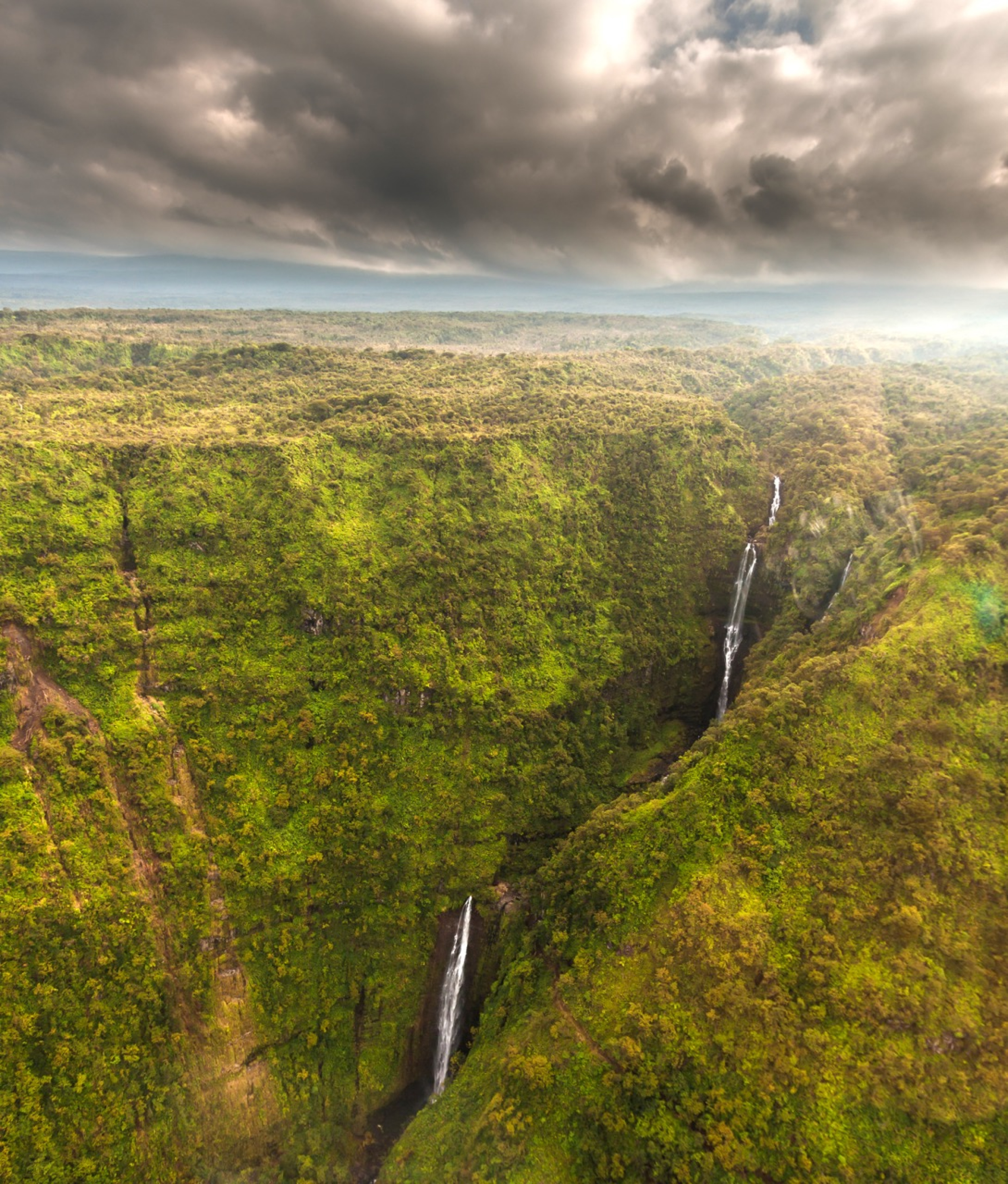
Maui helicopter tours reveal terrain that roads can't reach: the 3,000-foot sea cliffs of Molokai's north shore, the hidden waterfalls deep in the West Maui Mountains, the moonscape interior of Haleakala Crater, and the remote valleys of East Maui beyond Hana. Shorter standard flights are the least expensive tier, while longer routes and doors-off flights run higher. Confirm current operator pricing, taxes, and fees before you book.
Flights depart from Kahului Airport (OGG). Air Maui, Blue Hawaiian, and Maverick all operate on Maui with varying fleet sizes and route options. West Maui and Molokai combo routes are the most popular because they pack the most visual variety into a single flight. Morning departures before 10 AM get clearer skies before trade-wind clouds build against the mountains. Weight and comfort-seat policies vary by operator and aircraft, so check the exact rule before booking.
For a smoother fixed-wing perspective, compare Maui airplane tours before you commit to a helicopter. For something closer to the ground, Maui also has tandem hang gliding from the Haleakalā upcountry slopes — no experience required. See the Maui hang gliding guide →
Zipline Tours
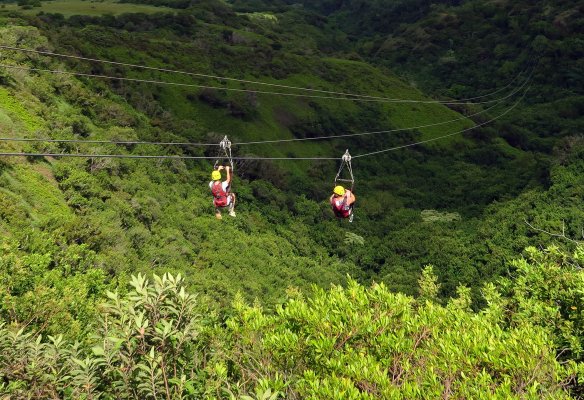
Maui zipline tours range from West Maui ridge courses near Kapalua to North Shore and Haiku forest routes, Haleakala-area first-timer courses, and shorter Central Maui options. Pick by location first: West Maui visitors should not drive to Haiku just for a similar thrill, and Paia/Upcountry travelers usually do not need to cross the island for a Kapalua course.
Closed-toe shoes are required, weight limits are enforced, and rain is common on North Shore and Upcountry courses. Most visitors should book several days ahead during summer, holidays, and spring break. If you are staying in Kaanapali or Kapalua, start with West Maui. If you are building a Paia, Makawao, or Haleakala day, compare the North Shore and Upcountry options first.
Luaus
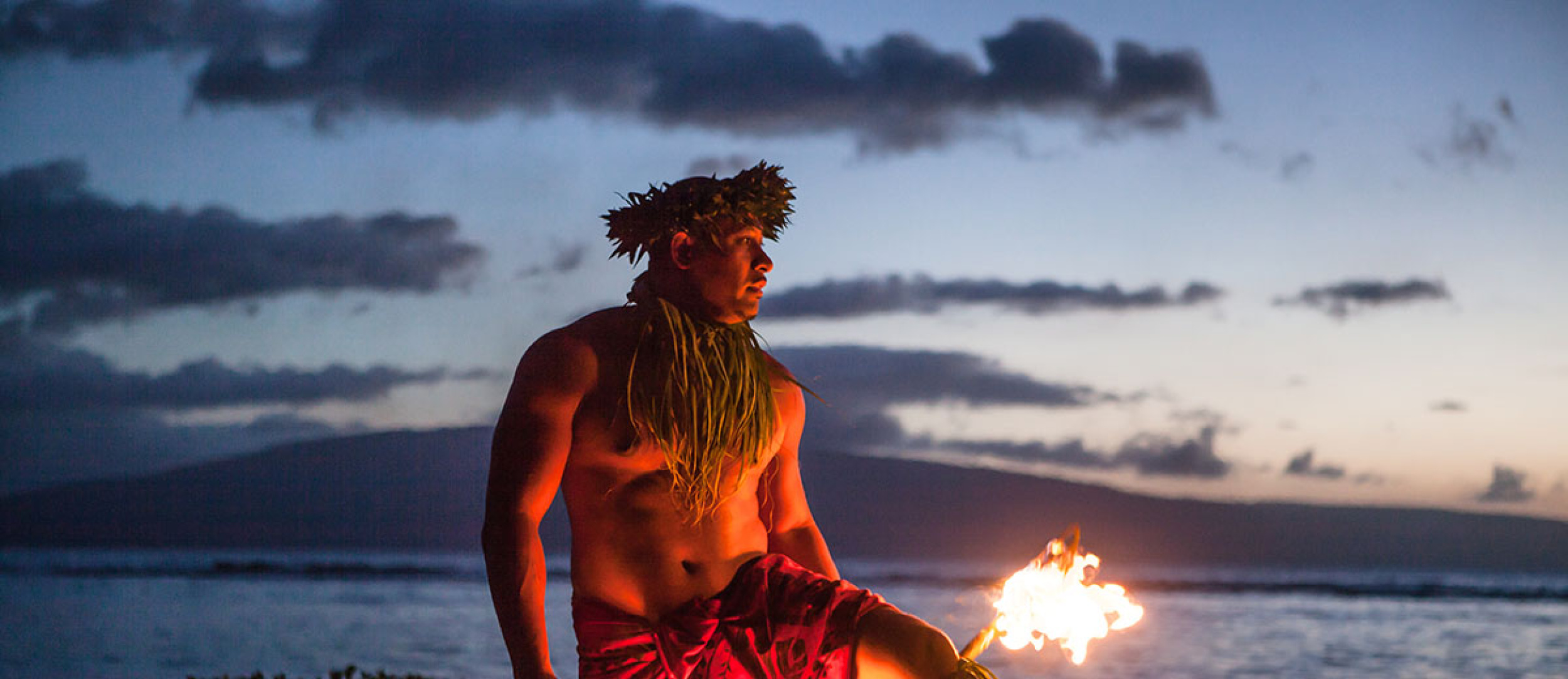
Maui's luaus benefit from some of the best sunset backdrops in Hawaii. Drums of the Pacific at the Hyatt Regency Kaʻanapali combines a buffet with Polynesian dance from across the Pacific, while other west and south Maui venues lean into oceanfront sunset settings. Check each operator's current rates and reopening status before you build the night around it.
Most luaus run 2.5 to 3 hours, include open bar, and start around 5 PM to catch sunset during the show. Unlike Oahu, hotel pickup is uncommon on Maui (the distances are too far), so plan your own transport. Book 2 or more weeks ahead for the top venues during peak season. Full Maui luau comparison with pricing.
Surfing & Water Sports
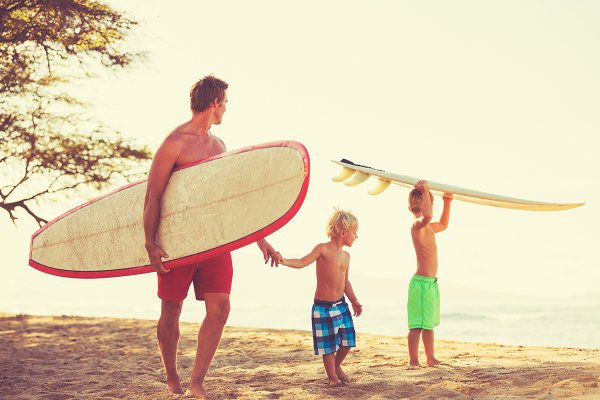
Surf lessons on Maui are usually priced by group size, lesson length, and whether you book private instruction. Beginner-friendly lessons typically use South or West Maui breaks selected for the day's wind and swell. Stand-up paddleboarding and kayaking are popular alternatives in Makena and Ka'anapali.
Advanced surfers head to Ho'okipa Beach Park on the North Shore, where winter swells produce world-class waves and the world's top windsurfers and kite surfers compete. Board rentals are available at shops across the island. Parasailing launches from Ka'anapali Beach when seasonal operations are running, with views stretching from the West Maui Mountains to Moloka'i.
Sunset & Dinner Cruises
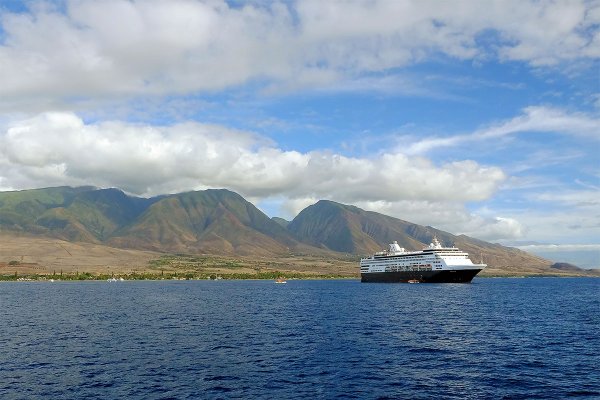
Sunset cruises depart mostly from Māʻalaea Harbor and straight off Kāʻanapali Beach in 2026, with a small number now returning to the partially reopened Lahaina Harbor. Boats sail along the Kāʻanapali coast as the sun sets behind Lānaʻi. Compare cocktail sails against full dinner cruises by menu, seating style, cancellation terms, and harbor location. During winter whale season, many sunset cruises double as whale watching trips since whales are active in the late afternoon.
For a full primer on harbors, sail types, and which operators are running which trips, see our Maui boat & sailing tours overview. Private charters are available for groups, proposals, or special occasions. The Teralani catamaran and Quicksilver are popular mid-size options, while smaller sailboats offer a quieter, more romantic experience. Shows and live performances are another evening option, especially if you want music, theater, or magic instead of another dinner-centered activity.
Hiking
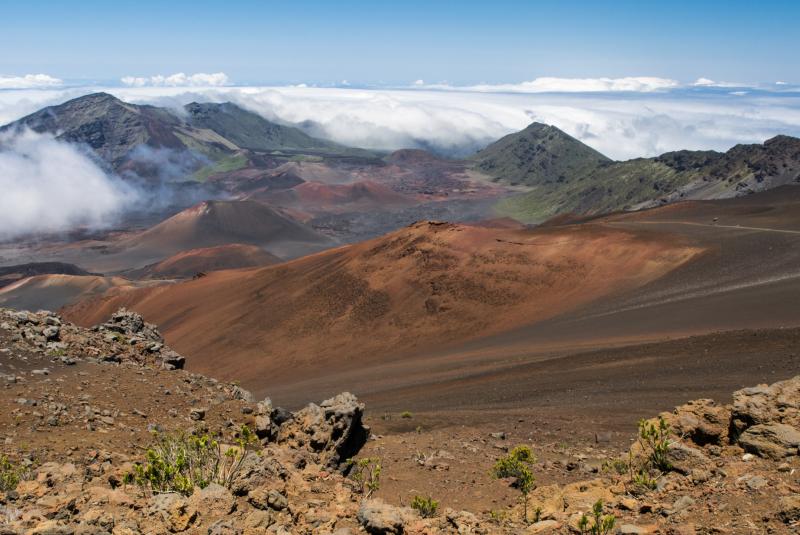
Maui's hiking ranges from easy waterfall walks to full-day volcanic crater treks. The Pīpīwai Trail in Haleakalā's Kīpahulu District passes through a towering bamboo forest toward Waimoku Falls. Keoneheʻeheʻe, better known as Sliding Sands, descends into the Haleakalā crater through red-cinder terrain that feels nothing like the coast. Guided hiking tours are most useful when you want Haleakalā logistics, a Road to Hāna driver, private-land waterfall access, or naturalist context; quieter visitors can also plan a Maui birdwatching morning around Hosmer Grove or Keālia Pond.
ʻĪao Valley offers a short paved walk to the Kukaʻemoku viewpoint when the state monument is open; check the current reservation page before driving to Wailuku. Kapalua's Coastal Trail follows the shoreline between D.T. Fleming Beach and Kapalua Bay. For guided options, outfitters run half-day trips through private ranch land and off-limits valleys that solo hikers can't access.
Fishing Charters & Shore Fishing
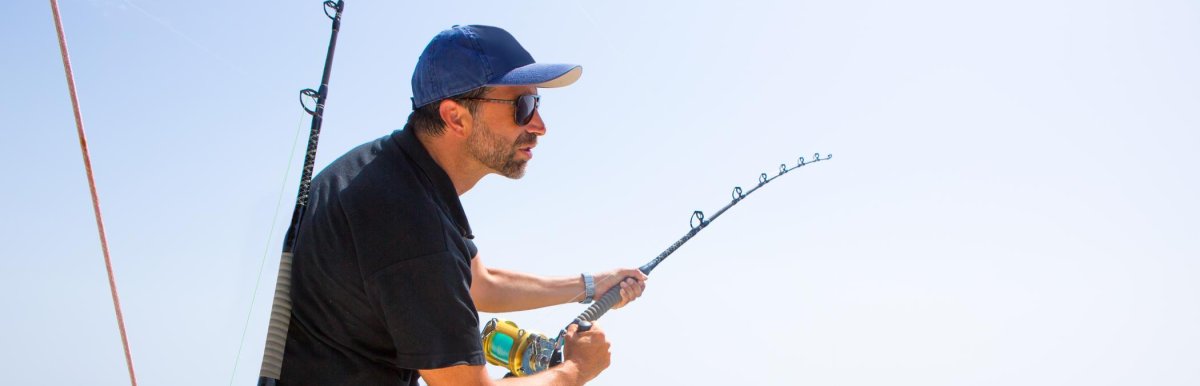
Maui fishing trips range from shared bottom-fishing outings to private sport-fishing charters and guided shore fishing. Most boats listed by Fish Maui leave from Maʻalaea Harbor; some trips use Mala Boat Ramp or Kīhei Boat Landing, so confirm the exact departure point before you book.
Compare the vessel, trip length, shared or private format, catch policy, age limits, included gear, and cancellation terms—not just the headline price. Departure instructions and available boats can change by date.
Horseback Riding
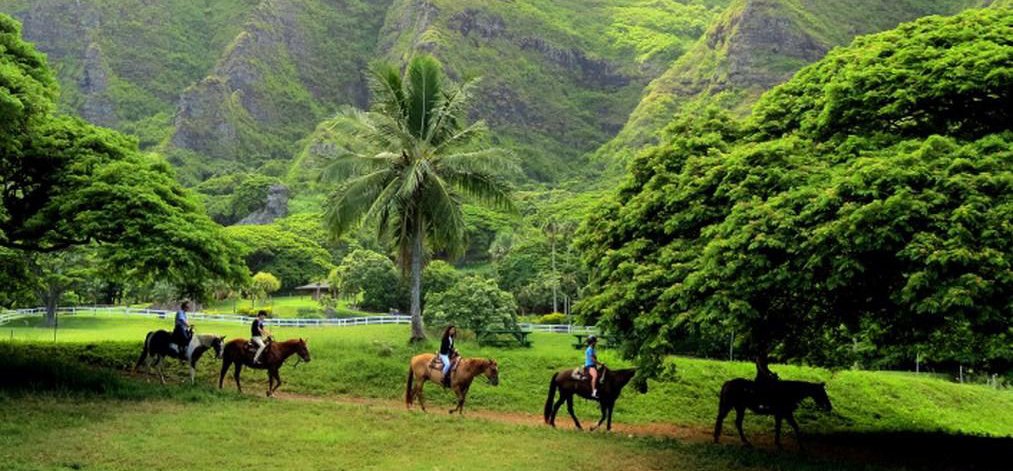
Horseback riding tours on Maui now split into two practical lanes: Circle M's scheduled coastal trail ride from the Waiheʻe side of the West Maui Mountains, and Ironwood Ranch's advance-confirmed private rides above Nāpili. Choose by public versus private format, drive direction, mounting ability, and the operator's current age, height, and weight rules.
Circle M publishes morning and afternoon rides for ages 7 and up, while Ironwood's trail rides start at age 9 and use a private one-to-four-person format. Both publish firm participation rules, and Circle M also requires riders to mount independently from a mounting block. Read the live operator terms before paying; the weakest rider's age, size, and mobility should make the choice.
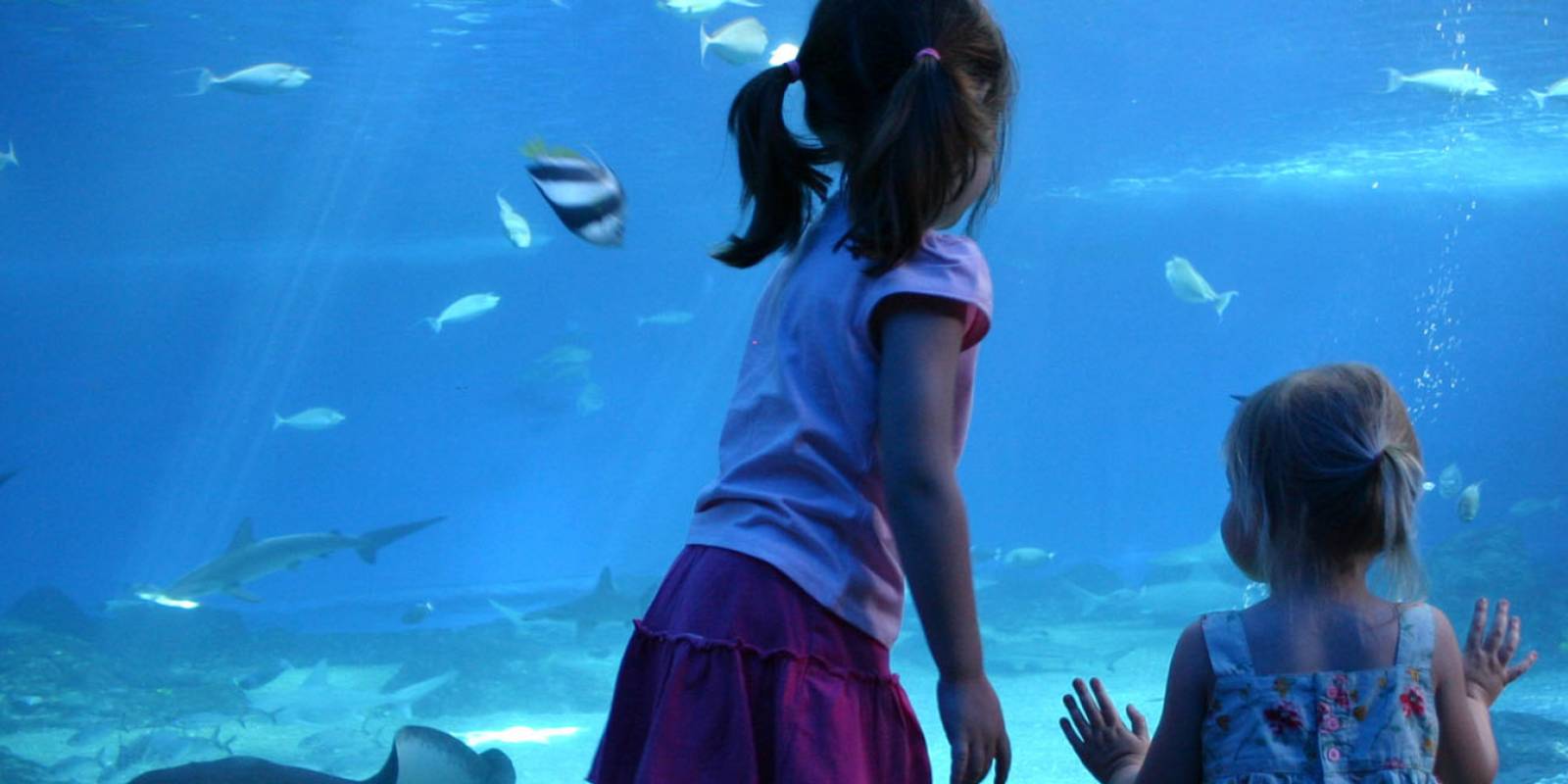
Maui Ocean Center
The Maui Ocean Center in Maʻalaea is one of the best aquariums in Hawaii, focusing exclusively on Hawaiian marine life. The 54-foot acrylic tunnel lets you walk through a 750,000-gallon open-ocean exhibit with sharks, rays, and pelagic fish swimming overhead. Check current admission on the aquarium's booking page and plan 2 to 3 hours.
The center also has interactive touch pools, a sea turtle exhibit, and a humpback whale exhibit with a life-size whale model. It's one of the best rainy-day activities on Maui and a solid alternative for anyone who prefers to observe marine life from dry land. The gift shop is surprisingly good. Located right at Ma'alaea Harbor, so it pairs well with a morning snorkel trip or afternoon whale watching cruise.
Choose Your Maui Adventure
Curated picks for different travel styles, with rate checks before you book.
Families
- Maui Ocean Center — check current admission
- Shore snorkeling at Kapalua Bay — free
- Drums of the Pacific Luau — check current rates
- Iao Valley — check current access
- Whale watching cruise — check current rates
Couples
- Haleakala sunrise — reserve ahead
- Sunset dinner cruise — check current rates
- Helicopter tour — check current rates
- Private airplane tour — check current rates
- Maui luau night — check current rates
- Horseback riding — check current rates
- Hawaiian cultural tour — check current rates
- Tropical garden tour — check current rates
Adventure Seekers
- Road to Hana self-drive — reserve Waiʻānapanapa separately
- Molokini Crater snorkel — compare current rates
- Surf lessons — check current rates
- Haleakala downhill bike — varies by sunrise vs morning route
- Maui zipline tour — check current rates
- Deep sea fishing — check current rates
- Farm & agritourism tour — check current rates
Budget-Friendly
- Whale watching — check current rates
- Iao Valley hike — check current access
- Shore snorkeling — free (bring gear)
- Haleakala self-drive sunrise — reserve ahead
- Surf lesson — compare current rates
Frequently Asked Questions
What are the best things to do on Maui?
The top things to do include driving the Road to Hāna, watching the sunrise at Haleakalā, snorkeling at Molokini Crater, whale watching in season, exploring Kaʻanapali Beach, and hiking the Pīpīwai Trail to Waimoku Falls.
How many days do you need on Maui?
Most visitors need 5 to 7 days. The Road to Hāna takes a full day. Haleakalā sunrise is another early morning. Add beach days, snorkeling, and exploring West Maui, and a week fills up fast. See our Maui itineraries for day-by-day plans.
Is Maui still worth visiting after the Lahaina fire?
Yes. Maui needs visitors — tourism supports the local economy and recovery. Kaʻanapali, Kapalua, Napili, Wailea, Kīhei, and the Road to Hāna are open to visitors. Historic Lahaina remains a sensitive recovery area, so check current access before planning stops there.
What should you not miss on Maui?
Do not miss the Road to Hāna, Haleakalā sunrise, snorkeling at Molokini Crater, whale watching (in season), and sunset from Kaʻanapali Beach. The Pīpīwai Trail and ʻĪao Valley are also essential.