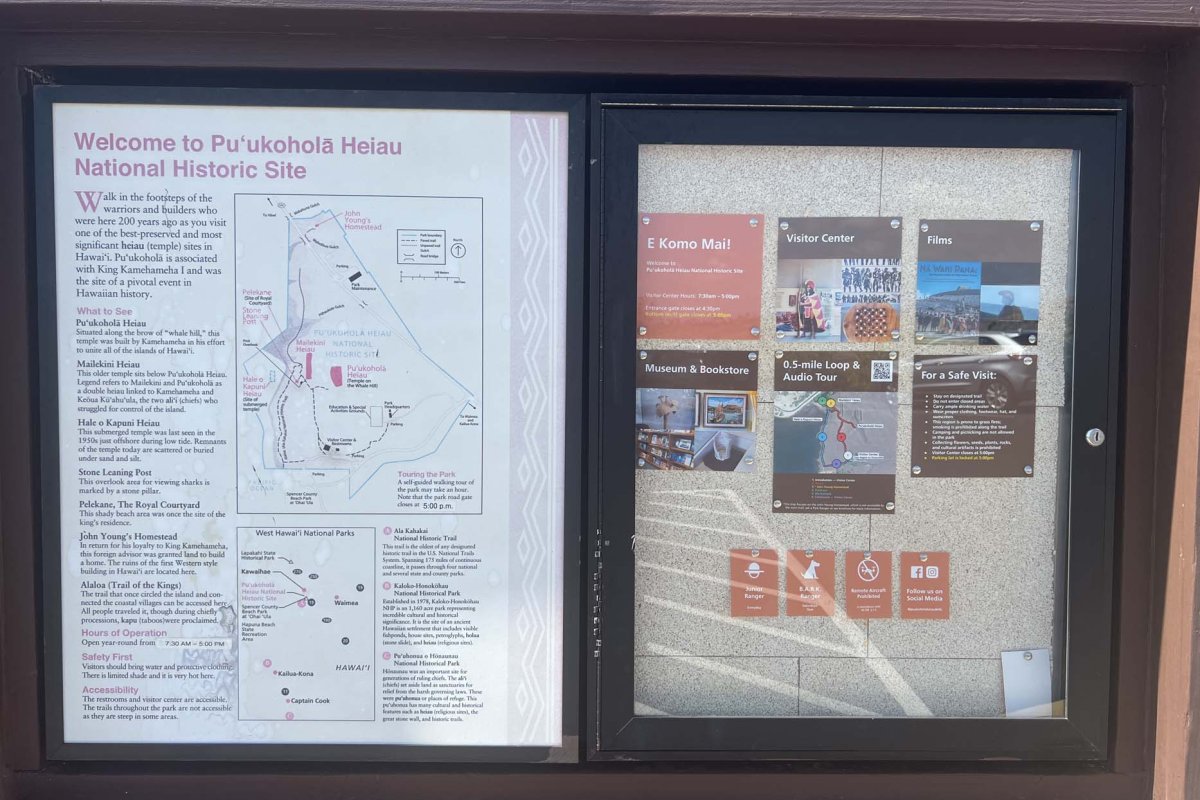

Every August, a long-running Hawaiian cultural gathering takes place on a dry, windswept hill above Kawaihae Harbor on the Big Island. The Puʻukoholā Heiau Cultural Festival, formally the Hoʻokuʻikahi Establishment Day Hawaiian Cultural Festival, runs Saturday and Sunday, August 15-16, 2026, at Puʻukoholā Heiau National Historic Site. The dates are confirmed by the National Park Service; the detailed hour-by-hour program posts closer to the date. Admission is free. No ticket, no booking, no upsell. You park, you walk in, and you watch Hawaiian protocol and craft carried out at the exact place where Kamehameha I set out to unify the islands more than two centuries ago. If your trip lands anywhere near the middle of August, this one is worth building a day around. Here is what the festival is, what usually happens over the two days, and how to plan a visit that honors the place.
What Hoʻokuʻikahi means
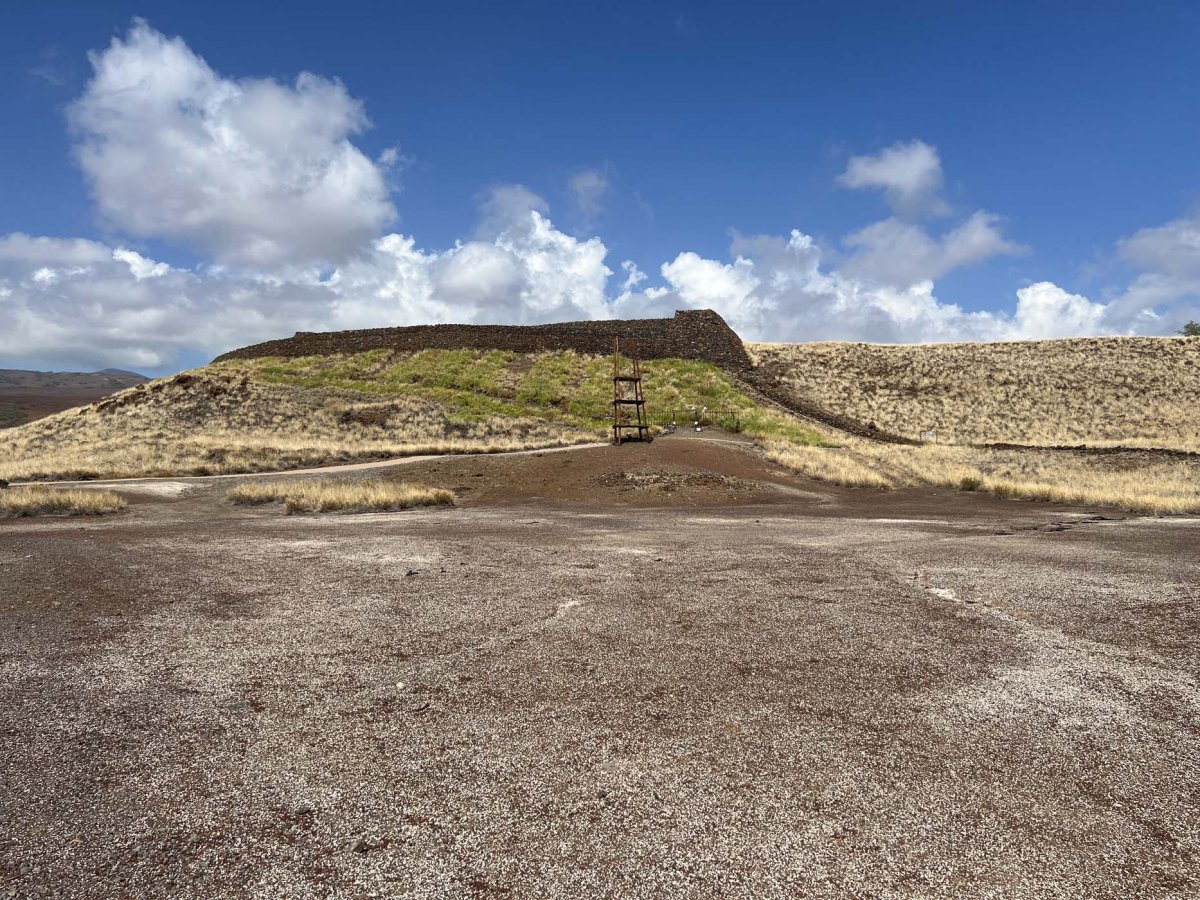
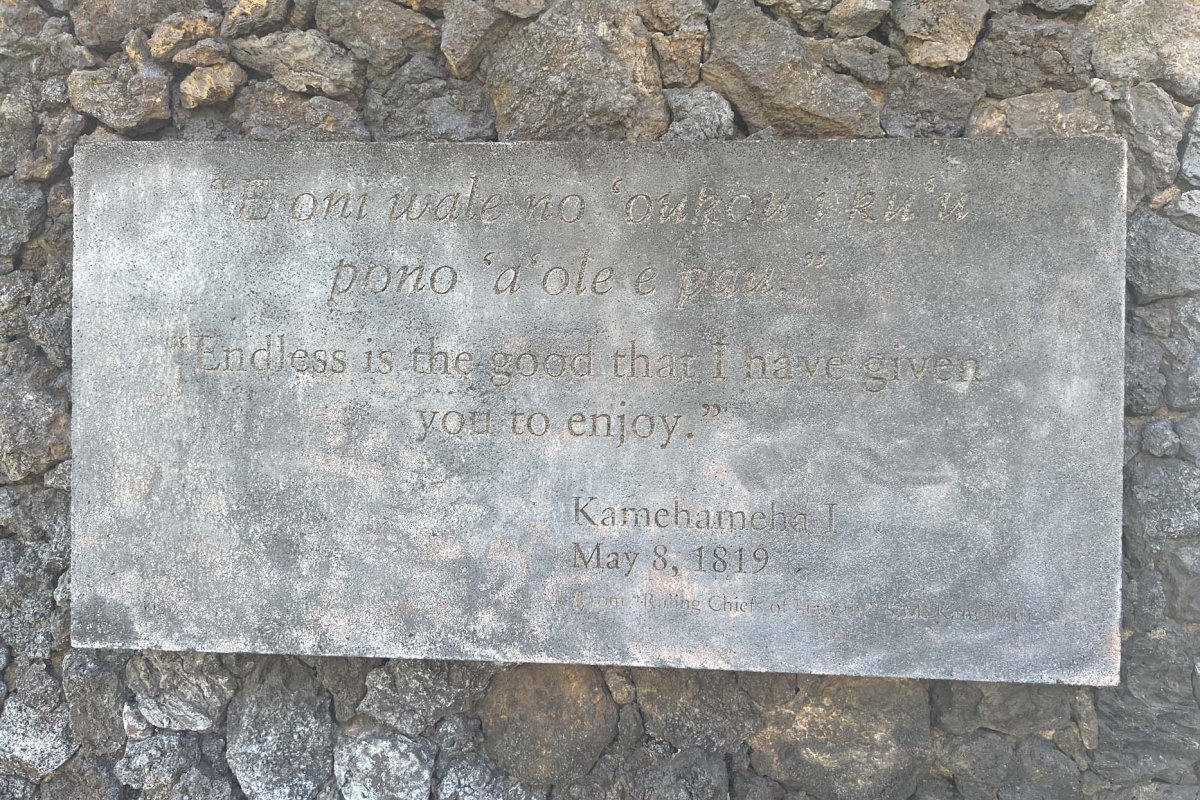
Hoʻokuʻikahi translates roughly to “to unify,” or to come together as one. Hoʻokuʻikahi i Puʻukoholā: to unify at Puʻukoholā. The name carries the whole point of the place. Kamehameha I built Puʻukoholā Heiau in 1790-1791. A prophecy had told him that raising a great temple to the war god Kūkāʻilimoku would deliver him the rule of all the islands. He built it, and within a generation the Hawaiian Kingdom was one. The hill you stand on is where that campaign turned. The festival also marks an anniversary. The site was authorized as a National Historic Site on August 17, 1972, which is why the celebration anchors to the weekend nearest that date. 2026 marks the park’s 54th. The modern gathering grew out of reconciliation: on the 200th anniversary in 1991, descendants of Kamehameha and of the rival chiefs came together here to make peace. That spirit of bringing people back together is what hoʻokuʻikahi names. For the fuller story of the heiau itself, including the construction and the prophecy, see our Puʻukoholā Heiau guide. The festival is that story practiced here now, by the people it belongs to.
Kamehameha I raised Puʻukoholā Heiau in 1790-1791 on a prophecy that it would win him rule of all the islands. The festival's name, Hoʻokuʻikahi, means to unify.
What usually happens over the weekend
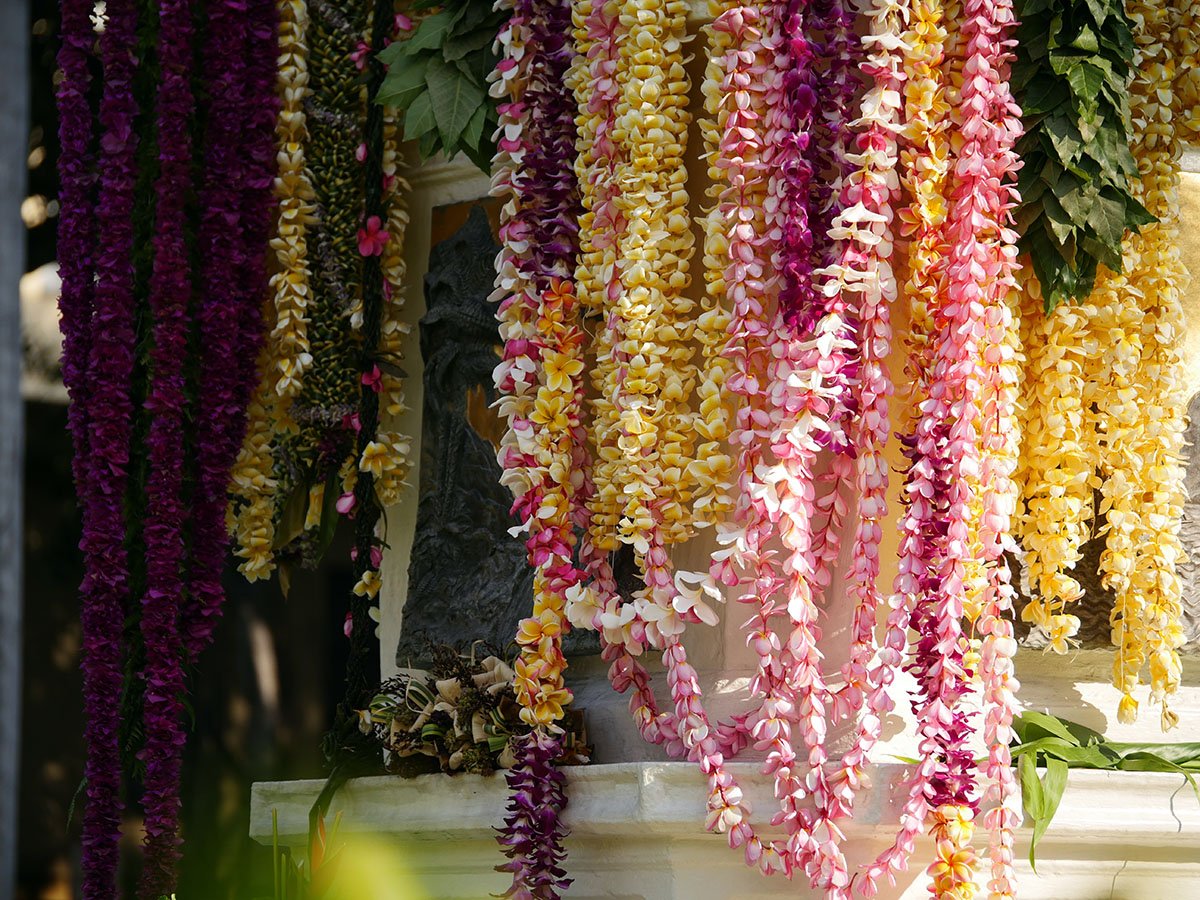
The festival runs Saturday and Sunday. Past years have followed a steady rhythm, and 2026 is expected to look much the same. The National Park Service posts the confirmed schedule closer to the date, so check the official festival page before you go. Saturday opens early. At dawn, a hoʻokupu ceremony, the giving of offerings, is carried out at the base of the heiau by hula hālau, civic clubs, and families who travel from across the islands to take part. It is the most solemn part of the weekend, and the one worth setting an alarm for. From mid-morning on, the grounds fill with demonstrations and hands-on stations: ulana lauhala (weaving with pandanus leaves), kapa (beating cloth from bark), hulu aliʻi (the featherwork once reserved for chiefs), lei haku and lei wili, cordage, traditional Hawaiian games, and outrigger canoe rides off the beach below. Live mele plays through the day. Sunday continues in the same spirit. Demonstrations and cultural activities typically run through the day, often closing with a final ceremony. Because the program varies year to year, the NPS festival page is the source of record for the day-two specifics. This is not a stage show put on for an audience. It is practitioners doing the real thing, and visitors are welcome to watch and to ask, and in many cases try a hand at it.
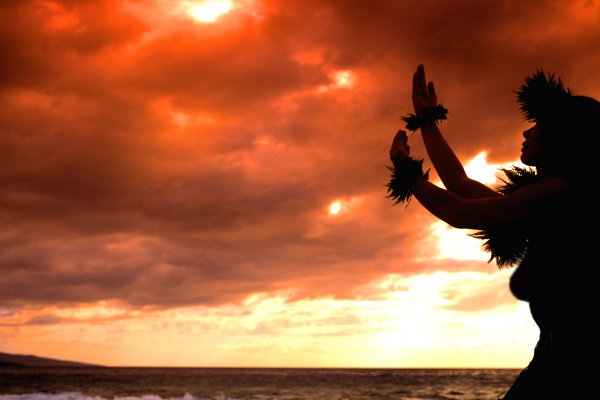
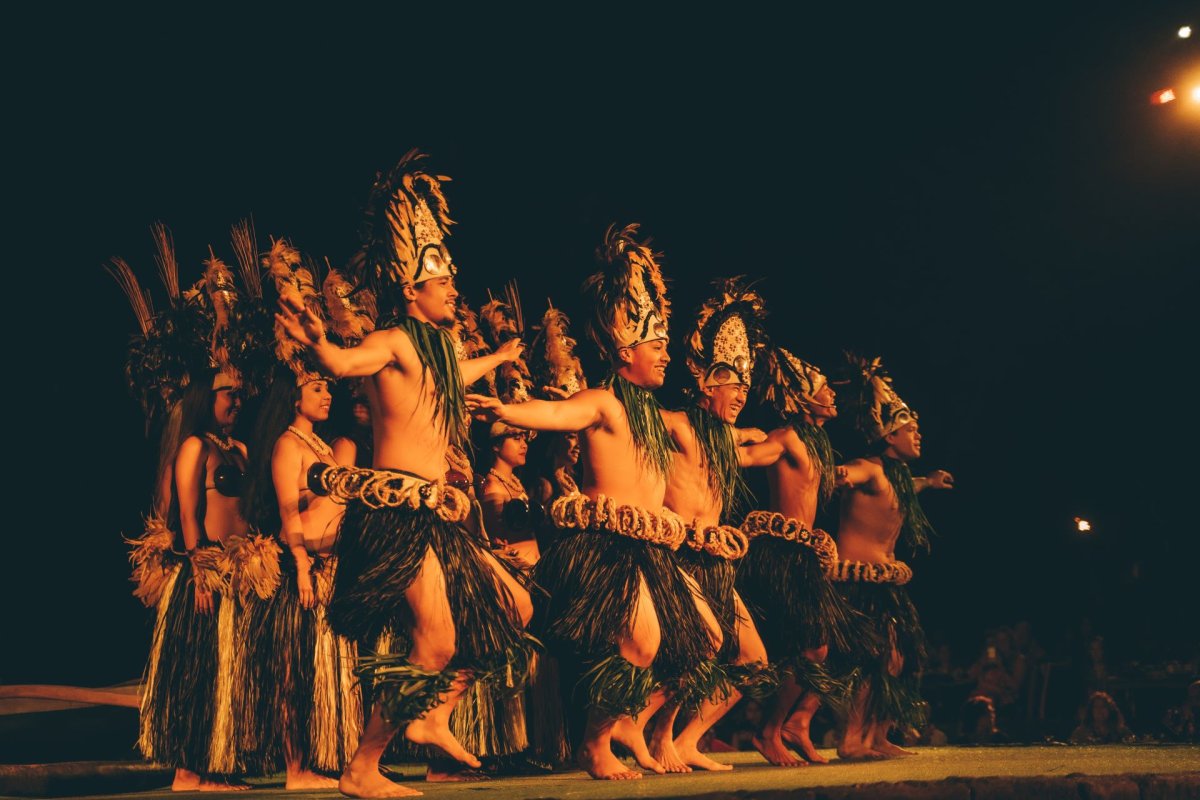
Hula hālau from across the islands take part in the weekend's ceremonies and performances — culture carried by living practitioners, not a reenactment.
Planning your visit
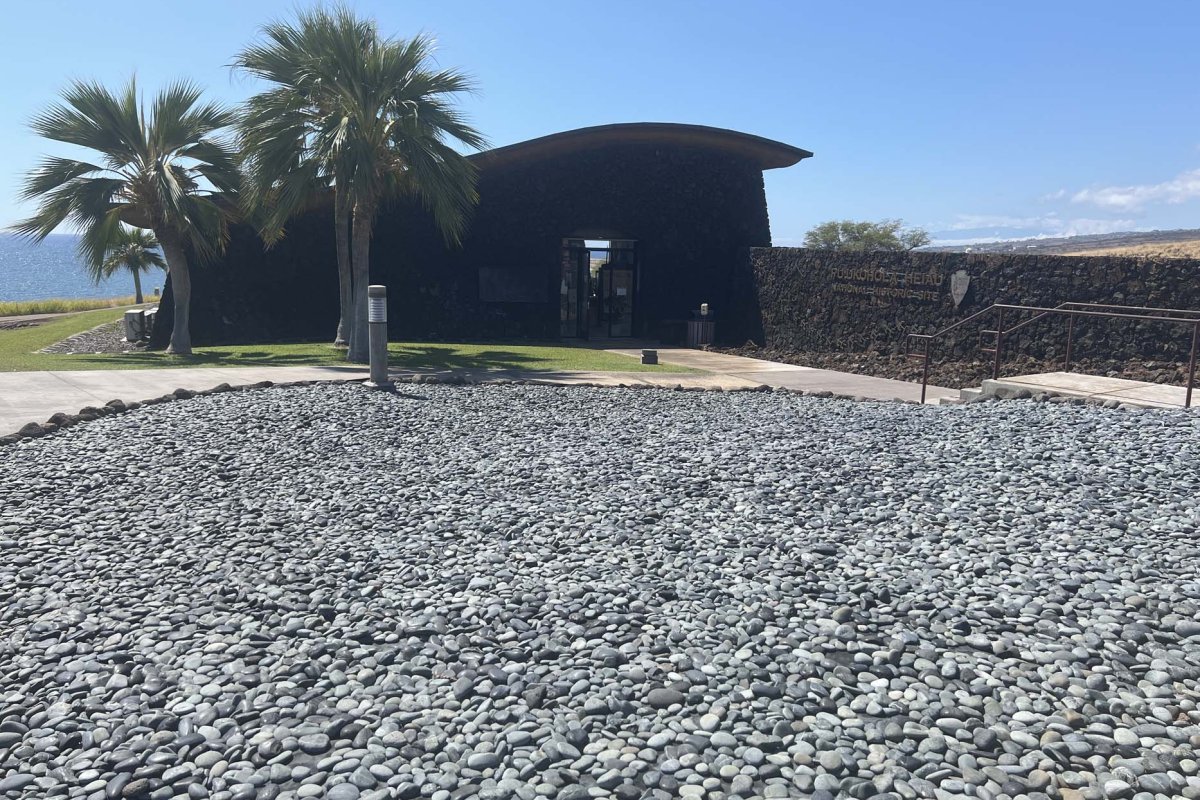
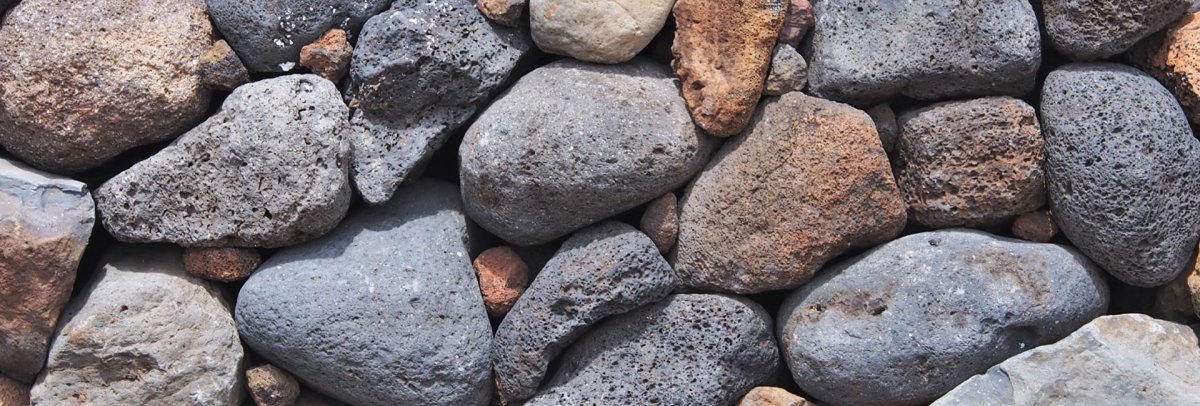
Puʻukoholā Heiau sits just above Kawaihae, on Highway 270 between mile markers 1 and 2, on the northwest corner of the Big Island. It is roughly a 40-minute drive from Kailua-Kona and about 10-15 minutes from the major Kohala Coast resorts. For most visitors, a Big Island rental car is the simplest way out here; rideshare coverage in Kawaihae is thin. A few things to plan for: Heat. The Kohala coast is the dry, sunny side of the island, and there is little shade on the grounds. Bring water and sun protection, and consider the dawn ceremony partly because the morning is far cooler than midday. Respect. This is a sacred, living site, not a ruin. Stay on the marked paths and never climb on the heiau. Follow the guidance of staff and cultural practitioners. Photography is generally fine, but pause during ceremony and put the camera down if you are asked. Our guide to visiting a heiau covers the etiquette. Time. Give yourself a few hours. Pair it with Spencer Beach Park right below the site, or Hāpuna Beach a few minutes south, for an easy afternoon once the morning’s events wind down. Admission and parking are both free; the park does not charge an entrance fee. The festival is supported by the Park Service and Hawaiian community partners rather than ticket sales.
The heiau is built of dry-stacked stone, with no mortar, and has stood above Kawaihae since 1791.
Why it's worth the detour
There are flashier things to do on the Big Island in August. There is almost nothing else where you can stand, for free, at the place a kingdom was made, and watch its culture carried forward by the people it belongs to. Go as a guest. Watch more than you talk, and let the protocol set the pace. You will leave understanding something about Hawaiʻi that most visitors never get near. The confirmed 2026 schedule and any updates land on the National Park Service festival page as August nears. Mark the weekend of the 15th and 16th, and build the rest of your day around the morning.