

The Easiest Way to Understand Kona Coffee Country
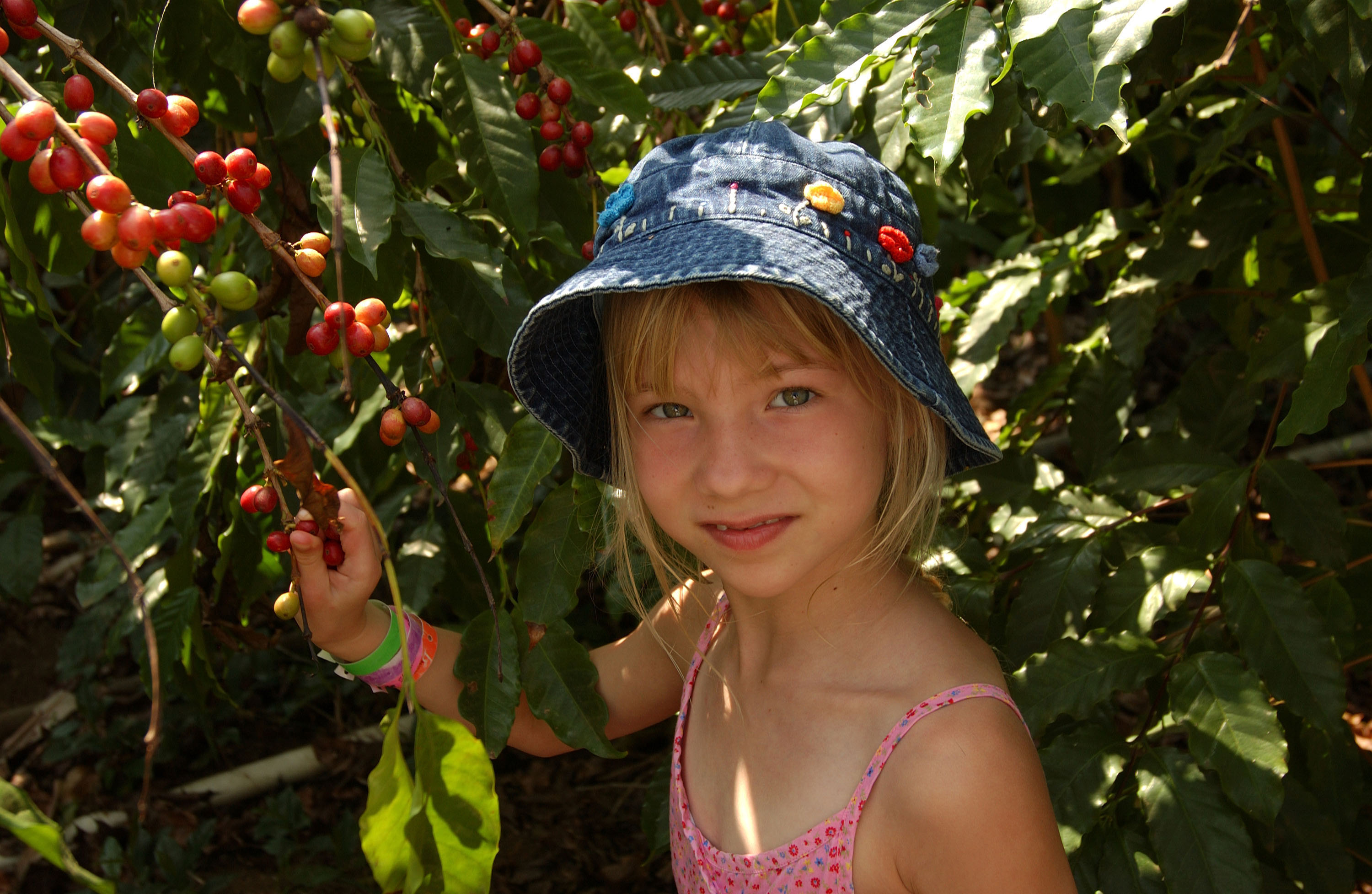
Big Island coffee farm tours are how most travelers actually learn what makes Kona coffee Kona coffee. The Kona Coffee Belt runs along the west side of Hawaiʻi Island, above Kailua-Kona and South Kona, where small farms use the slope, afternoon cloud cover, and volcanic soil to grow one of the islands' signature crops. You can taste Kona coffee in town, but the farm visit is where the trip starts making sense: rows of coffee trees, drying decks, small mills, and tasting rooms that explain why 100% Kona costs more than the bags stacked in airport souvenir shops.
This is a relaxed half-day, not an adrenaline tour. It works best for travelers who like food, agriculture, local history, photography, or a slower morning between bigger Big Island days. The main planning decision is whether you want a self-drive tasting loop through South Kona or a guided food-and-farm tour that handles transportation and context for you.
Rental car recommended for self-drive itineraries
The coffee farms are scattered along the belt roads between Holualoa and Captain Cook, so a rental car keeps a self-drive day practical and lets you pair the farms with South Kona beaches, historic sites, or lunch stops. If you'd rather skip the driving entirely, the guided food-and-farm tours below include transportation. For self-drive days, we use Discount Hawaii Car Rental for no-deposit, free-cancellation bookings.
Farms and Stops to Check First
Greenwell Farms (Kealakekua) is the practical first stop for most visitors. The farm posts its current public tour details on its own site, and the visit is easy to pair with Kealakekua, Captain Cook, or Puʻuhonua o Hōnaunau. Choose this if you want a straightforward seed-to-cup overview and a tasting room without building the whole day around one reservation.
Mountain Thunder Coffee Plantation (Holualoa / Kaloko) sits higher on Hualālai than many South Kona farms, so the drive feels cooler and greener than the coastal resort strip. Check the current tour menu before driving up; this is a better fit if you want a deeper look at processing, roasting, or cupping rather than a quick tasting-room stop.
Kona Coffee Living History Farm (Captain Cook) is the history-heavy choice. The Kona Historical Society preserves and interprets a coffee-era homestead, so the stop is less about comparing roasts and more about the families, tools, and daily work behind the industry. Verify current open days before you shape a South Kona itinerary around it.
Hula Daddy Kona Coffee (Holualoa) is a small-group, reservation-only stop for travelers who care about tasting quality and farm detail. It is the one I would check when you want a quieter visit and are willing to plan around a specific tour time.
UCC Hawaii Kona Coffee Estate (Holualoa) is the more polished estate-style option, with visitor experiences that can change by season. Check its current reservation page if you are traveling during harvest, when hands-on activities are more likely to appear on farm calendars.
Self-Drive Tastings vs. Guided Tours
Best when you are self-driving and want flexibility. Confirm current hours before you go, then budget enough time to taste, shop, and ask questions without rushing.
Better for travelers who want guide time, processing context, cupping, or a quieter small-group visit. Book directly with the farm when the tour itself is the priority.
Useful if no one in your group wants to drive or you want coffee paired with South Kona history and lunch. Compare Big Island tours on Viator.
Coffee cherries, processing activity, and festival events typically pick up from late summer through winter. Check each farm's calendar before counting on a hands-on harvest activity.
How to Plan a Coffee Farm Day
Keep the geography simple. South Kona farms pair naturally with Kealakekua Bay, Puʻuhonua o Hōnaunau, the Painted Church, and lunch in Captain Cook or Kailua-Kona. Holualoa and upper Kona farms pair better with galleries, cooler upland air, and an easier return to the resort coast. Trying to combine both clusters in one morning can work, but only if your group is genuinely interested in coffee.
If you want the farm visit to be one stop in a larger sightseeing day, self-drive and pick one or two farms. If you want the coffee story to anchor the day, compare guided Big Island tours on Viator and read the current inclusions carefully. The value is transportation plus interpretation, not simply being taken to a tasting room.
What to Know Before You Go
- 100% Kona and Kona Blend are not the same thing. If you want coffee grown in the Kona district, look for bags labeled 100% Kona and ask the farm what estate or grower produced it.
- Mornings tend to be easier. The Kona uplands can build cloud cover as the day warms up, and morning visits leave more room for a snorkel, beach, or historic-site stop afterward.
- Closed-toe shoes help. Farm roads are packed volcanic soil. You won't need hiking boots, but flip-flops aren't ideal.
- Bring a cooler or insulated bag if you're buying beans and continuing around the island. Coffee sitting in a hot rental car is not ideal. A simple insulated tote keeps purchases out of the heat.
- The Kona Coffee Cultural Festival runs in November and is the long-running public event tied to the harvest season. Confirm the current schedule on the official festival site before you plan a trip around it.
- Pair with a Captain Cook snorkel tour for a full Kona-side day — the snorkel boats leave from Keauhou or Kailua Pier, and the coffee farms are right up the hill.
Related reading: Big Island sightseeing tours · Big Island garden tours · Captain Cook snorkeling tours · Things to do on the Big Island