This is the short list of Hawaii conditions that actually change a trip: what is closed, what needs a reservation, where the water is unsafe, and what is worth re-timing before you go.
Updated Sept. 21 at 12:51 p.m. HST Checked against official sources
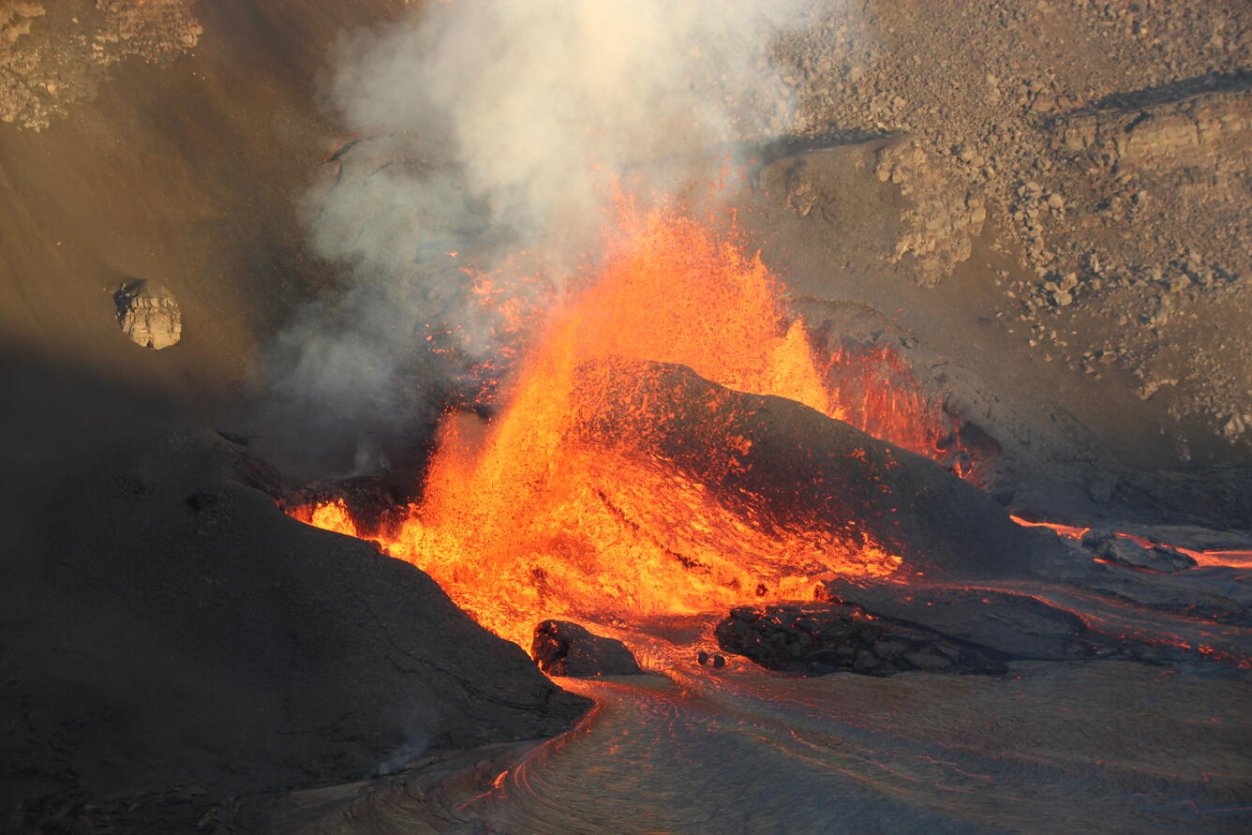
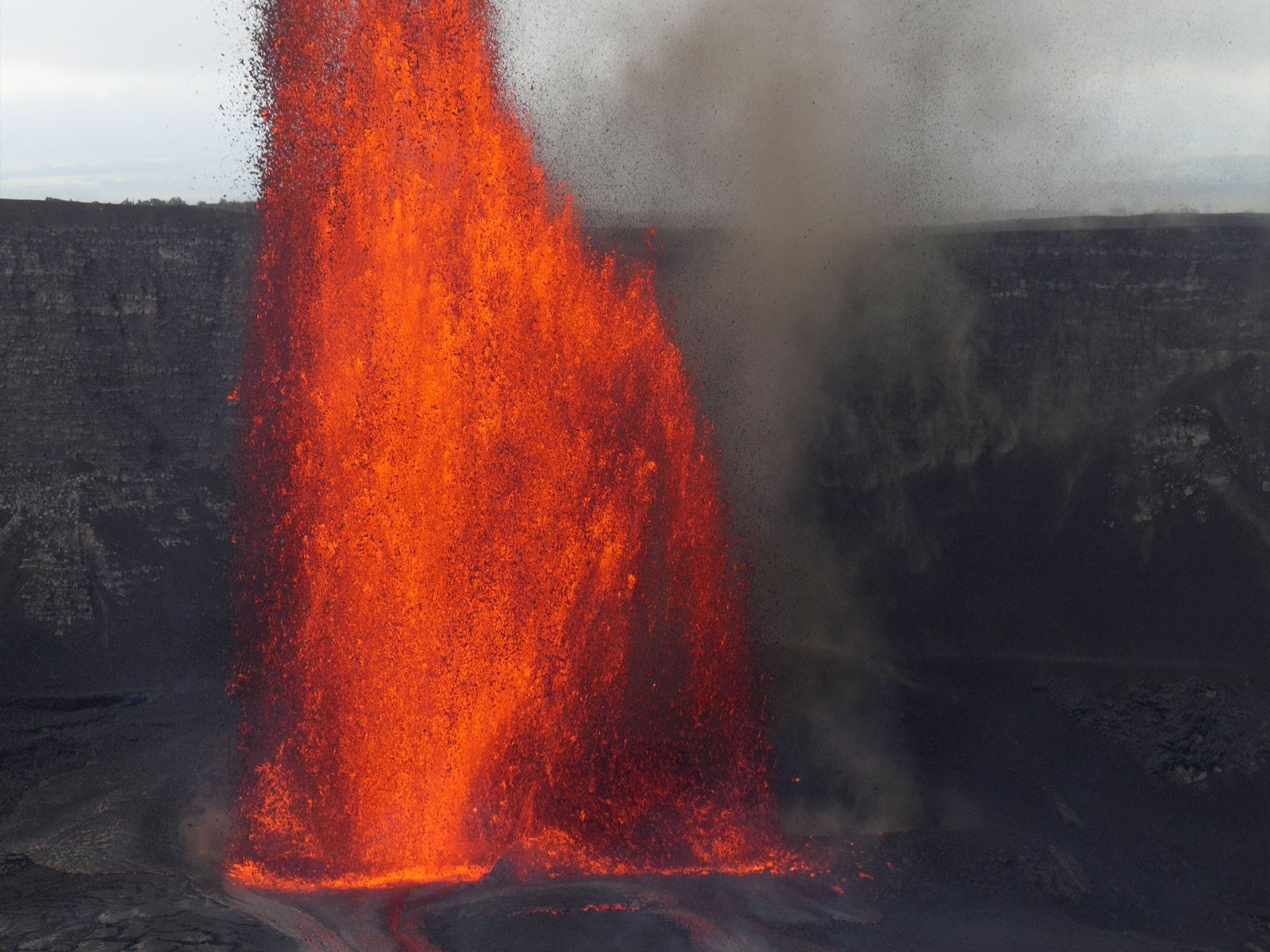
HVO’s September 21, 9:28 a.m. HST daily update says the north, south, and west vents continued to glow, with minor intermittent spatter from the north vent. Strong tremor became continuous over the previous 24 hours and now dominates the summit seismic signal. Slow inflation brought the summit to about 15.6 microradians since episode 54 ended. At that rate, HVO estimates the summit is within roughly 1–2 days of returning to the prior 16-microradian pressure peak, but that estimate changes if inflation slows or deflation returns. HVO says forecast windows can no longer be modeled. Kīlauea remains at WATCH/ORANGE. Check the newest HVO notice, live tracker, and cameras before making a lava-specific drive. NPS's Sept. 2 notice announced that Kahuku and its Visitor Contact Station would reopen Thursday, Sept. 3, with most trails available, a 4WD recommendation above Lower Palm Trailhead, and upper Kahuku Road still closed beyond the boot decontamination station.
Closures
DLNR’s current park notice lists partial access at Kaʻena Point: the Mokulēʻia vehicle-access road is open for valid permit holders, while Keawaʻula partially reopened only through the comfort-station parking lot and Keawaʻula Trail remains closed. Kauaʻi County’s September 16 update reopens many County parks and facilities at noon, but Hāʻena, Blackpot, Poʻipū, and Salt Pond beach parks remain closed due to storm damage. Respect closed amenities at reopened facilities. Wailua Golf Course and the Waimea and Kapaʻa pools also remain closed. DLNR’s September 20 notice schedules limited reopening at Wailua River and Waimea Canyon for September 21, with restrictions remaining at both parks. Kōkeʻe Road, all other Kauaʻi State Parks, and all Kauaʻi camping remain closed. Polihale, Nā Pali Coast State Wilderness Park, Kalalau Trail, and Hāʻena Shuttle remain closed or suspended. Check HDOT’s current road status before essential Kauaʻi travel.
These are announced full-closure windows, not ordinary weekly closed days. Plan around them, then re-check the official source before driving.
Hilina Pali Road access
Weekday motor-vehicle closure beyond Maunaiki Trailhead, Sept. 14–Nov. 19, 2026NPS will close Hilina Pali Road beyond Maunaiki Trailhead to motor vehicles from 6 AM to 4:30 PM Monday through Thursday for shoulder work. The full road opens outside work hours; hikers, bicyclists, and backcountry permit holders retain access but should expect delays.View attraction guideOfficial closure notice
Royal Mausoleum State Monument
Closed November 27, 2026, for repairsDLNR announces a November 27 closure at the Royal Mausoleum State Monument for repairs. Choose another date and confirm access before visiting.Official closure notice
Hideaways (Kaumūmene) Trail
Trail closed through Sept. 18, 2026Kauaʻi County extended the Kaumūmene Trail closure through Friday, Sept. 18, after inclement weather delayed the repair work. The trail is the only public land access to Hideaways Beach.View attraction guideOfficial closure notice
Poipu Bay Golf Course
Poipu Bay Golf Course closed September 21–22, 2026, for aerationPoipu Bay Golf Course will close September 21 and 22 for scheduled aeration. Choose another tee date and ask about post-aeration conditions if playing soon afterward.View attraction guideOfficial closure notice
Hanamāʻulu Beach Park
Closed September 8–30, 2026, for maintenanceKauaʻi County scheduled Hanamāʻulu Beach Park to remain closed through September 30 for maintenance. This specific closure overlaps the broader Lowell recovery closure, so keep another beach plan until the County confirms reopening.Official closure notice
Kauaʻi recovery — September 18 update
Kauaʻi recovery: confirm your stay and activities
The County’s September 18, 4 PM HST update reports power restored to 95% of the island that afternoon, with approximately 1,800 customers still awaiting restoration. North Shore repairs continue; confirm your property directly. Check your property and route separately from any islandwide progress report. County park reopening is partial, and water-conservation notices still apply to three systems; the details below distinguish the affected areas.
The County’s September 18 update confirms regular Kauaʻi Bus and paratransit service resumed September 14. Fares are waived through September 30, but the 900 and 950 Anahola–Waimea express routes are not running until further notice. Confirm your route before relying on a connection, and check Hāʻena Shuttle service separately.
Kauaʻi parks and ocean recreation remain restricted
Kauaʻi County’s September 16 update reopens many County parks and facilities at noon, but Hāʻena, Blackpot, Poʻipū, and Salt Pond beach parks remain closed due to storm damage. Respect closed amenities at reopened facilities. Wailua Golf Course and the Waimea and Kapaʻa pools also remain closed. DLNR’s September 20 notice schedules limited reopening at Wailua River and Waimea Canyon State Parks for Monday, September 21. Wailua River’s designated landing and trailhead access will reopen, but hiking beyond the trailhead and access to Uluwehi Falls (Secret Falls) remain closed; individual kayakers may not access Fern Grotto. Waimea Canyon trails, campgrounds, and shelters remain closed. Kōkeʻe Road, all other Kauaʻi State Parks, and all Kauaʻi camping remain closed. The County’s September 13 bulletin reported an islandwide Brown Water Advisory. Check ocean conditions separately from park access. Check DOH’s current water-quality advisories before entering the water. Do not infer that camping has resumed from the park announcement.
Kauaʻi power restoration varies by property
The County’s September 18, 4 PM HST update reports power restored to 95% of the island that afternoon, with approximately 1,800 customers still awaiting restoration. North Shore repairs continue; confirm your property directly. Treat the percentage as a dated progress report. Confirm your building’s power, generator limits, water pumps, refrigeration, and available services with the accommodation.
Hawaiʻi Island: Route 11 storm-repair lane closures
HDOT’s September 19–25 schedule lists several single-lane storm-repair zones on Route 11 between Pāhala, Punaluʻu and Honuʻapo, from 7 AM to 5:30 PM daily. Allow extra time, follow posted traffic controls, and recheck the schedule before driving; work is weather permitting and may change without notice. Confirm each park or business separately.
Drinking water: Hawaiʻi Island on essential use only, boil notice in parts of Kaʻū
Hawaiʻi County's Department of Water Supply says most customers are back on normal infrastructure, but its August 23 update keeps an islandwide essential-use request in place — drinking, cooking, and hygiene only — and names Upper Mountain View, Hawi, Waiʻōhinu, Nāʻālehu, and Pāhala as the tightest areas. The precautionary boil-water notice for Pāhala was cancelled August 20; a boil-water notice remains in effect for the limited portion of Waiʻōhinu served by the Nāʻālehu well. Water tankers run 6 a.m. to 6 p.m. at Island Market in Nāʻālehu and the Discovery Harbour clubhouse. If you are staying anywhere in Kaʻū, ask your host what applies at that exact address rather than assuming an islandwide status.
Port Allen daylight operations; confirm boat-tour status
The County says Līhuʻe Airport is open on regular power and advises arriving 90 minutes before interisland flights and two hours before flights to the continent. HDOT’s September 17 update limits Port Allen to daylight-only operations. The County’s September 13 report suspended commercial charters and tour boats until further notice and listed Nāwiliwili cargo access with no cruise arrivals. Confirm current boat service directly; daylight harbor operations do not confirm tour availability. Verify any flight or harbor departure directly before leaving.
Kauaʻi refuge list has changed
Kauaʻi Emergency Management’s current refuge list names one open refuge area: Kīlauea Neighborhood Center, 2460 Keneke Street in Kīlauea. Check the County’s current emergency guidance and a safe route before traveling; do not rely on the earlier three-location list.
HVO’s September 21, 9:28 a.m. HST daily update says the north, south, and west vents continued to glow, with minor intermittent spatter from the north vent. Strong tremor became continuous over the previous 24 hours and now dominates the summit seismic signal. Slow inflation brought the summit to about 15.6 microradians since episode 54 ended. At that rate, HVO estimates the summit is within roughly 1–2 days of returning to the prior 16-microradian pressure peak, but that estimate changes if inflation slows or deflation returns. HVO says forecast windows can no longer be modeled. Kīlauea remains at WATCH/ORANGE. Use the newest HVO notice and live cameras before making a lava-specific drive. NPS's Sept. 2 notice announced that Kahuku and its Visitor Contact Station would reopen Thursday, Sept. 3, with normal Thursday-through-Sunday hours and most trails available. Heavy rain left the road above Lower Palm Trailhead deeply rutted, so NPS recommends 4WD there; upper Kahuku Road remains closed beyond the boot decontamination station. NPS currently lists Kīpukapuaulu Trail closed due to hazardous trees and hanging limbs. Confirm Mauna Loa Road and Nāmakanipaio Campground directly before traveling. Confirm Nāmakanipaio cabin availability directly with Volcano House; check tent-campsite access separately before traveling. NPS says the Sulphur Banks Bridge is damaged and closed until further notice; the Haʻakulamanu area, boardwalk, and Sulphur Banks Trail remain open from the west side near Steam Vents. On Maui, NPS lists Haleakalā's Summit District as open.
Kīlauea — WATCH / ORANGE; minor spatter at north vent
HVO’s September 21 update reports minor intermittent north-vent spatter, strong continuous tremor, and summit inflation near the prior pressure peak. HVO describes this as minor intermittent spatter. The 1–2 day figure estimates pressure recovery, while HVO says forecast windows can no longer be modeled. Check the newest HVO notice, live phase, and cameras before leaving.
Typical, non-eruptive background state. Nothing to plan around.
Check the latest wind and air quality
HVO’s September 17 update described moderate to strong trade winds carrying the gas plume southwest of the summit caldera. Its forecast placed gases, fine ash, and Pele’s hair south of Kaluapele if fountaining began that day. Wind direction changes, so check the latest report. Lava remains within the summit crater, but airborne hazards can travel farther. Check NPS summit air quality before and during your visit, follow park closures, and avoid handling Pele's hair or other volcanic fragments.
Haleakalā Summit District reopened — sunrise reservations are live again
Maunakea Summit Access Road has reopened — check current conditions before driving
The current UH Center for Maunakea Stewardship page lists the Summit Access Road as open and the Visitor Information Station's daily hours as 9 a.m. to 9 p.m. Conditions can still change quickly at elevation, so check that live page before committing to the drive.
The bakery's official homepage carries a banner saying the bake shop, visitor center, and online store are temporarily closed because of Hurricane Lala damage. Route 11 has reopened between Punaluʻu and Nāʻālehu, but the open highway does not reopen this stop. Do not build a Kaʻū drive around it. If you want to help the ʻohana behind it, our short support story explains where the fund goes.
Where's the lava right now?
HVO’s September 21, 9:28 a.m. HST daily update reports minor intermittent north-vent spatter, strong continuous tremor, and summit inflation near the prior pressure peak. HVO describes this as minor intermittent spatter. The 1–2 day figure estimates pressure recovery, while HVO says forecast windows can no longer be modeled. Check the live tracker and cameras for activity and NPS alerts and conditions for access before leaving.See eruption updates →NPS alerts and conditions ↗
Trails & roads
Closures worth knowing before you build a hiking day
Lowell recovery now depends on property-by-property and route-by-route notices. Kauaʻi officials ask residents and visitors to stay off roads during damage assessment, and storm closures remain active on Kauaʻi, Oʻahu, and Maui. Check the exact island, property, and route before anchoring a day around it.
Farrington Highway at Leihōkū Street
September 17–18, 2026, 8 AM–3 PM HST each dayOne Honolulu-bound lane and the left-turn lane onto Leihōkū Street are scheduled to close for traffic-signal work. Use Lualualei Homestead Road and local streets for the Leihōkū detour; this is not a full highway closure.Official closure notice
Haleakalā Headquarters Visitor Center
Headquarters Visitor Center closed from September 17, 2026NPS closes the Headquarters Visitor Center at 7,000 feet for lighting and desk installation. Its restrooms remain open, and Haleakalā Visitor Center at 9,740 feet remains open. The notice does not give a reopening date.Official NPS notice
Kaumualiʻi Highway — Kīpū area storm cleanup
Sept. 19 and Sept. 21–25, 2026, 8:30 AM–1:30 PMHDOT schedules single-lane storm-cleanup closures along Kaumualiʻi Highway at mileposts 3–18 on Saturday and again Monday through Friday. Allow extra time and follow traffic controls.Official road notice
Kaumualiʻi Highway at Puhi Road
Around-the-clock lane closure Sept. 19–25, 2026HDOT schedules the eastbound left lane closed near Puhi Road for pavement repairs. Use Nuhou Street for access to Kauaʻi Community College.Official road notice
Kūhiō Highway — Keālia to Princeville storm cleanup
Sept. 21–25, 2026, 7:30 AM–1:30 PM dailyHDOT schedules single-lane storm-cleanup closures between Cane Haul Road and Ka Haku Road.Official road notice
Kūhiō Highway near Kou Street — emergency power-pole repairs
Sept. 22, 2026, 8:30 AM–3 PMHDOT schedules a single-lane closure near Kou Street in Kapaʻa for KIUC emergency power-pole repairs. Work is weather permitting; check the current schedule because it may change without notice.Official road notice
Kūhiō Highway — Moloaʻa storm cleanup
Sept. 19, 2026, 1 AM–11:30 PMHDOT schedules a single-lane closure near Koolau Road for storm cleanup on Saturday. Allow extra time and follow traffic controls.Official road notice
Kaumualiʻi Highway — Lāwaʻi raised crosswalk
Sept. 21–25, 2026, 8:30 AM–3 PM dailyA single lane closes in one direction at a time between Piko Road and Akemāmā Road for raised-crosswalk installation. Allow extra time through Lāwaʻi.Official road notice
Kūhiō Highway — Anahola raised crosswalk
Daytime lane closure Sept. 21–25, 2026; confirm daily hoursA single lane closes in one direction at a time between Ioane Road and Kalalea Road for raised-crosswalk installation. Check HDOT's current schedule for hours and allow extra time through Anahola.Official road notice
Kūamoʻo Road debris clearing
Intermittent lane closures during the week of September 21, 2026HDOT lists Kūamoʻo Road open and expects intermittent single-lane closures for additional debris clearing during the week of September 21. Allow extra time and follow traffic controls.Official road notice
Ulu Mahi Subdivision resurfacing
September 21–October 2, 2026, 8 AM–3 PM HST work hoursKauaʻi County announces single-lane and full road closures on portions of Ulu Mahi Subdivision streets in Līhuʻe for resurfacing, weather permitting. Use alternate routes and obey flaggers; no parking is allowed in work zones.Official road notice
Menehune Road resurfacing
September 25–October 2, 2026, 8 AM–4 PM HST work hoursKauaʻi County announces single-lane closures on portions of Menehune Road in Waimea for resurfacing, weather permitting. Follow flaggers, allow extra time and do not park in work zones.Official road notice
State Parks: reopenings and continuing closures
DLNR’s September 17 notice says Keawaʻula partially reopened through the comfort-station parking lot, while Keawaʻula Trail remains closed. DLNR’s September 20 notice schedules limited reopening at Wailua River and Waimea Canyon for September 21, with restrictions remaining at both parks. Kōkeʻe Road, all other Kauaʻi State Parks, and all Kauaʻi camping remain closed. On Hawaiʻi Island, Hāpuna, Kīholo, and Kekaha Kai reopened; Waialea at Hāpuna and camping at Kīholo remain closed. Closures continue at Kalōpā, Lapakahi, and Lava Tree. Kaumahina State Wayside on Maui has reopened. DLNR’s September 17 notice confirms Waiʻānapanapa Beach has reopened. Campervan camping reservations remain separately unavailable from July 1, 2026 through March 2027 during comfort-station construction.
Kauaʻi parks: partial reopenings with continuing restrictions
Kauaʻi County’s September 16 update reopens many County parks and facilities at noon, but Hāʻena, Blackpot, Poʻipū, and Salt Pond beach parks remain closed due to storm damage. Respect closed amenities at reopened facilities. Wailua Golf Course and the Waimea and Kapaʻa pools also remain closed. DLNR’s September 20 notice schedules limited reopening at Wailua River and Waimea Canyon State Parks for Monday, September 21. Wailua River’s designated landing and trailhead access will reopen, but hiking beyond the trailhead and access to Uluwehi Falls (Secret Falls) remain closed; individual kayakers may not access Fern Grotto. Waimea Canyon trails, campgrounds, and shelters remain closed. Kōkeʻe Road, all other Kauaʻi State Parks, and all Kauaʻi camping remain closed. Check the separate restrictions for Polihale State Park, Nā Pali Coast State Wilderness Park, Kalalau Trail, Hāʻena Shuttle, and state forest reserves before making plans. Do not use a normal schedule, permit, or reservation as proof of access.
ʻĪao Valley State Monument, Maui — reopened after high-stream closure
DLNR's September 2 park notice says ʻĪao Valley has reopened after the high-stream closure. Out-of-state visitors still need advance entry and parking reservations during normal operations; our ʻĪao Valley guide carries the current status and reservation details.
Hideaways (Kaumūmene) Trail, Kauaʻi — closure extended through Sept. 18
DLNR says most Oʻahu State Parks are open. Confirm the Diamond Head timed-entry reservation before traveling. Kaʻena Point’s Mokulēʻia vehicle-access road is open for valid permit holders; Keawaʻula partially reopened only through the comfort-station parking lot, while its trail remains closed.
Kaʻena Point, Oʻahu — access differs by section
DLNR keeps the Mokulēʻia vehicle-access road open to valid permit holders, while warning that some storm-damaged roads remain closed. Keawaʻula partially reopened only through the comfort-station parking lot, and Keawaʻula Trail remains closed. Heed every road sign; a permit or parking access does not override a posted closure.
Pālāʻau State Wayside Park, Molokaʻi — access still unconfirmed
DLNR's July 30 release said Pālāʻau had fully reopened for daytime use and camping after major improvements, but the park has not appeared on any Lala reopening list since the storm-era closures, and DLNR's current notice says all Maui and Molokaʻi state parks are open except specifically named exceptions. That reads as open without saying so directly. Molokaʻi is a long way to go on an inference — call State Parks before building a day around the overlook, and note that camping goes through the state reservation system.
Water conditions shift fast — read the day, not the brochure
Surf height and water quality can swing within a day. A beach that's glassy in the morning can be a washing machine by afternoon, and rain changes the rules entirely.
South-shore surf is below advisory thresholds
The 8:26 a.m. September 15 statewide surf forecast calls for 2- to 4-foot surf along south- and east-facing shores Tuesday. South-facing surf builds to 3 to 5 feet Wednesday afternoon, with larger swells expected later in the week. Conditions vary by beach; use a lifeguarded beach, heed closure signs, and enter the water only within your ability.
Kauaʻi islandwide Brown Water Advisory is active
DOH lists an islandwide Brown Water Advisory for Kauaʻi. County Ocean Safety says no swimming or outdoor recreation until further notice while runoff, debris, and damaged infrastructure are assessed. Advisories elsewhere are posted by location, so check the DOH Beach Monitoring Program for the beach you have in mind, and stay out of water that looks brown, murky, or cloudy.
Hawaiʻi keeps adding entry fees, parking charges, and timed-reservation systems at its most popular spots. Several of these sell out days ahead, so they belong on your pre-trip checklist, not your day-of one.
Hanauma Bay, Oʻahu — reopened August 19
The preserve remained closed through August 18 for sewer-system work after the City added a week to the original schedule for beach-level comfort-station repairs, and reopened Wednesday, August 19. It is back on its usual Wednesday-through-Sunday pattern — closed Mondays and Tuesdays — with reservations opening 48 hours ahead at 7 a.m. HST. The City expects a second closure in early 2027 when the new lift station comes online, with dates not yet set.
Haleakalā sunrise, Maui — bookable again
The Summit District reopened August 25 and HDOT lists Crater Road (Route 378) open to the public, so the sunrise trip is on again. Vehicle entry between 3 and 7 a.m. requires a sunrise reservation from Recreation.gov, released on a rolling 60-day window, plus the separate park entrance fee. No reservations are issued at the entrance station, and without one you will be turned around at the gate in the dark. Expect the released slots to move quickly now that a backlog of storm-displaced trips is rebooking.
Diamond Head, Oʻahu — reopened September 9
DLNR says most Oʻahu State Parks are open. Confirm the Diamond Head timed-entry reservation before traveling. Kaʻena Point’s Mokulēʻia vehicle-access road is open for valid permit holders; Keawaʻula partially reopened only through the comfort-station parking lot, while its trail remains closed.
Waiʻānapanapa & Hāʻena (Maui / Kauaʻi)
Both use timed-entry reservation systems during normal operations. At Waiʻānapanapa, non-resident entry and parking still need an advance slot, while DLNR’s current park notices make campervan camping reservations unavailable from July 1, 2026 through March 2027 during comfort-station construction; use the current DLNR park guidance and reservation system to confirm availability. For Kauaʻi, DLNR’s September 20 notice keeps Hāʻena State Park and Kēʻē Beach closed; the limited September 21 reopening applies only to Wailua River and Waimea Canyon State Parks. The entire Nā Pali Coast State Wilderness Park, all of the Kalalau Trail, and Hāʻena Shuttle are also closed or suspended. An existing reservation does not override a closure.
The County says Līhuʻe Airport is open on regular power and advises arriving 90 minutes before interisland flights and two hours before flights to the continent. HDOT’s September 17 update limits Port Allen to daylight-only operations. The County’s September 13 report suspended commercial charters and tour boats until further notice and listed Nāwiliwili cargo access with no cruise arrivals. Confirm current boat service directly; daylight harbor operations do not confirm tour availability. HDOT restored Wainiha Bridge No. 3 to 15-ton traffic on September 17. HDOT still lists local-only access at Bridges No. 2 and 3. The load-limit change applies to No. 3; confirm each bridge’s restrictions and follow posted controls. HDOT’s September 17 table lists Ahukini Road open, Halewili Road closed for the first mile on the Kalāheo side, and Kōkeʻe Road closed at its Waimea Canyon Drive intersection for debris clearance. Both lanes of North Kīhei Road are open; permanent shoulder repairs continue without a lane closure. HDOT says waterside restoration at Kaumālapaʻu Harbor was completed September 13, but the harbor remains open only to essential personnel while pier-apron and seawall work continues; confirm any service directly with the operator. DLNR’s September 20 notice schedules limited reopening at Wailua River and Waimea Canyon for September 21, with restrictions remaining at both parks. Kōkeʻe Road, all other Kauaʻi State Parks, and all Kauaʻi camping remain closed. A road reopening does not reopen the destination.
HDOT restored Wainiha Bridge No. 3 to 15-ton traffic on September 17. HDOT still lists local-only access at Bridges No. 2 and 3. The load-limit change applies to No. 3; confirm each bridge’s restrictions and follow posted controls. Routes 56 and 560 are open through Hāʻena subject to that restriction; Kūamoʻo Road is open, but HDOT expects intermittent single-lane closures for debris clearing during the week of September 21. HDOT’s September 17 table lists Ahukini Road open, Halewili Road closed for the first mile on the Kalāheo side, and Kōkeʻe Road closed at its Waimea Canyon Drive intersection for debris clearance. The normal Wailua southbound contraflow has resumed, with mauka-bridge debris clearing scheduled to resume September 20. On Oʻahu, Nuʻuanu Pali State Wayside reopened; HDOT schedules westbound H-201 repaving nightly September 13–17. On Maui, Honoapiʻilani Highway is open after temporary repairs, and both North Kīhei Road lanes are open while permanent shoulder repairs continue without a lane closure. Kaumālapaʻu Harbor has completed waterside restoration but is open only to essential personnel while pier-apron and seawall work continues.
The recent news and planning pieces that go deeper on what's changing right now — closures, fees, rules, weather, and the calls worth making before you fly.
This page is refreshed every couple of days against the official sources — USGS / Hawaiian Volcano Observatory, the National Park Service, DLNR State Parks, NOAA / NWS Honolulu, the Hawaiʻi Department of Health Clean Water Branch, and HDOT — plus our own live conditions tools. We only post what changes a real travel decision: something you'd book, avoid, re-time, or pack differently. Conditions still move by the hour, so treat the linked official source in each section as the last word before you commit.
Founder & certified Hawai'i travel expert with 20+ years in Hawai'i tourism, University of South Carolina climate-research training, and NOAA weather-station experience.
Trades are breezy right now with scattered showers on the windward side and mountains; the leeward coast stays mostly dry. Tomorrow stays breezy with the same pattern.
A tropical disturbance southeast of the islands is likely to become a tropical storm by mid-week and approach the state Thursday through Saturday. The exact track is still uncertain. If it comes closer, expect heavier rain over a longer stretch; if it stays farther out, impacts will be shorter and lighter. Winds will increase late this week, with potential gusts over 70 miles per hour on the highest summits.
Plan your leeward beach time and snorkeling for today through Tuesday. Save summit drives and offshore water sports for after Saturday, and check updates daily as this develops.
0:000:53
Voice
Read the transcript
Trade winds are pushing across Maui right now and staying breezy through tomorrow. Windward slopes and peaks will see scattered showers; the leeward side stays mostly dry. Rough seas mean a Small Craft Advisory is in effect through Tuesday evening.
A tropical disturbance southeast of the islands is likely to become a tropical storm by mid-week and approach the state Thursday through Saturday. The track remains uncertain. Late this week, winds will increase across Maui, with summit gusts potentially exceeding 70 mph on Haleakala. The Big Island—especially Hilo and Puna—faces the highest risk of heavy rain and flooding if the storm tracks close.
Leeward beaches and snorkeling work best today through Tuesday. Avoid summit hikes and offshore water sports Thursday through Saturday.
0:000:55
Voice
Read the transcript
Trades are kicking today with moderate wind and rough seas. Windward slopes will see scattered showers; the leeward side stays mostly dry. A Small Craft Advisory is in effect through Tuesday evening.
A tropical disturbance southeast of the islands is likely to become a tropical storm by mid-week and approach the state Thursday through Saturday. The track remains uncertain, but the Big Island faces the highest risk of heavy rain and flooding, especially in the Hilo and Puna areas. Summit winds could exceed 70 mph late in the week. Check forecasts daily as the situation develops.
Leeward snorkeling and beach time work well through Tuesday. Save summit drives and windward hikes for today or tomorrow, and avoid offshore water sports and high elevations Thursday through Saturday.
0:000:58
Voice
Read the transcript
Trades are steady now with scattered showers on the windward side and ridges; the leeward coast stays mostly dry. Through Tuesday it stays breezy with rough seas around Maui and the Big Island, where a Small Craft Advisory is in effect through Tuesday evening.
A tropical disturbance southeast of the islands is likely to become a tropical storm by mid-week and approach the state Thursday through Saturday. The exact track is uncertain. Winds will increase across the eastern islands late this week, with potential for summit gusts over 70 mph on Maui and the Big Island if the storm intensifies.
Get your beach and snorkel time in today and tomorrow on the leeward coast. Avoid summit hikes and offshore water sports Thursday through Saturday as conditions deteriorate. The track could shift significantly—check updates daily.
Created with AI from the official NWS forecast discussion · verify with NWS before heading out