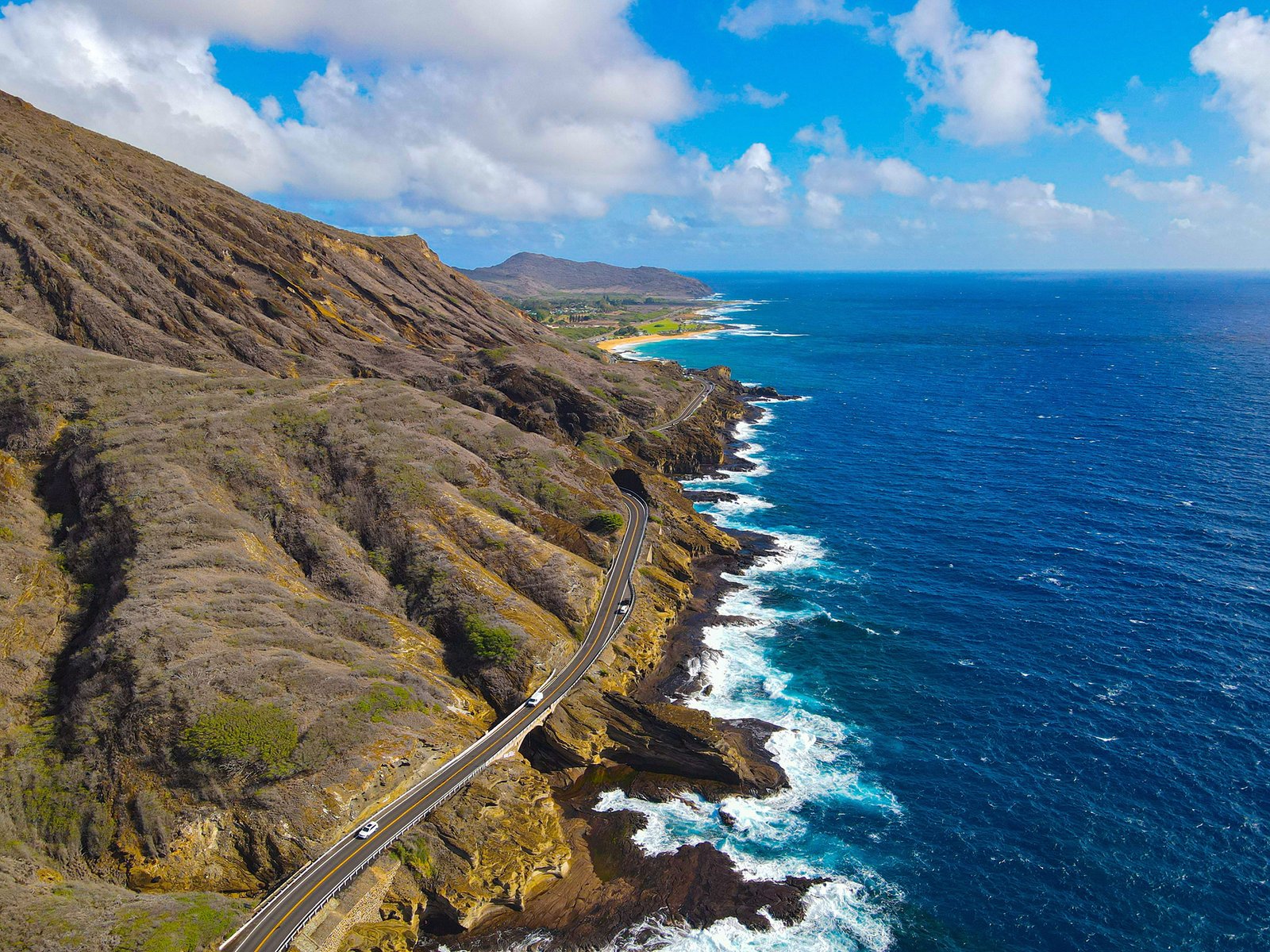


A rental car is the default advice for Hawaiʻi, and for three of the four main islands it is still the right call. But getting around Hawaii without a car is not impossible, and on Oahu it may be the smarter play. Daily rental rates climb in summer, and most Waikiki hotels tack a parking charge on top of the nightly rate. If your trip is built around one walkable base, the math for skipping the car gets interesting fast. Here is the honest island-by-island reality of public transit in Hawaiʻi — what each system covers, what it costs, and where it leaves you stranded. I will tell you plainly where the bus replaces a rental car and where it only pretends to. For a wider look at every option, including rentals and ride-hail, see our getting around Hawaii guide.
The short version, by island
Oahu is the one island where a visitor can genuinely skip the car. It has a real bus network and a growing rail line, and most of what people fly in for sits in or near Honolulu. Maui, the Big Island, and Kauaʻi all run public buses, and two of them are cheap or free. But these are island-resident systems built for commuters, not sightseeing loops. They reach towns, harbors, and job centers, not trailheads and remote beaches. You can use them, and budget travelers do, but plan on slower days and big gaps in coverage. If your heart is set on the Road to Hana, the Waimea Canyon overlooks, or a sunrise at the volcano, no bus on any island gets you there. Read each section below before you cancel the rental.
Oahu: TheBus and the Skyline rail
Oahu’s network is the only one in the state that functions like a city transit system. TheBus runs across the whole island, and Skyline, Honolulu’s elevated rail line, now connects the west side to the airport corridor. Both run on one tap card called the HOLO card. Per the city’s adult fare schedule, a single adult HOLO fare is $3.00 (called the 2-Hour Pass) and includes unlimited transfers within a two-hour window, so a bus-to-rail or bus-to-bus connection inside that window is free. Daily spending caps at $7.50 — once you tap your way to that total, the rest of the day rides free. After the July 1, 2026 fare adjustment, the monthly pass runs $90 (up from $80) and the 7-day pass runs $45 (up from $35). The 3-day pass stays at $20, and single-ride HOLO fares held at $3. For most visitors, the pass is the no-math option: tap and go. Skyline opened its second segment on October 16, 2025, which added a station right at Daniel K. Inouye International Airport. That is the headline for arriving visitors — you can step off your flight and onto the train. The catch is where it ends. The line currently runs from East Kapolei in the west to the Kalihi Transit Center on the town side, and it does not yet reach downtown Honolulu or Waikiki. To finish the trip into Waikiki you transfer to TheBus. The downtown-and-Waikiki extension is still under construction, with the city’s current target for the City Center segment in 2031. For a Waikiki-based trip, this combination covers far more than people expect: Pearl Harbor, Ala Moana, Chinatown, Diamond Head, Kailua, and the North Shore are all reachable by bus. What it does not do well is tight schedules and remote corners, so leave buffer time and check the route before you go.
Maui: useful for some trips, not the trip

Maui Bus routes radiate from central Kahului — handy for town-to-town hops, less so for the coastlines visitors come to see.
Maui Bus runs fixed routes that radiate from central Kahului, linking the airport area with Wailuku, Kīhei, Wailea, Lahaina, Kāʻanapali, and a few other towns. According to Maui County’s transit page, the general adult fare is $2.00 per boarding and a monthly pass is $45. Riders 24 and younger, seniors 55 and older, and Medicare and paratransit cardholders ride fare-free under the county’s program that took effect in March 2024, and so do income-eligible residents. For a visitor, Maui Bus solves specific problems rather than the whole trip. If you are staying in Kīhei and want a no-stress run up to Kahului for shopping, or you want to leave the car parked and head to a Lahaina dinner, it works. What it will not do is deliver you to the famous Maui — the Road to Hana, the Haleakalā summit, the upcountry farms, and most of the south and west beaches sit well off the route map or run too infrequently to build a day around. Most Maui trips still need a car for at least part of the stay.
Big Island: the bus is free, but the island is huge
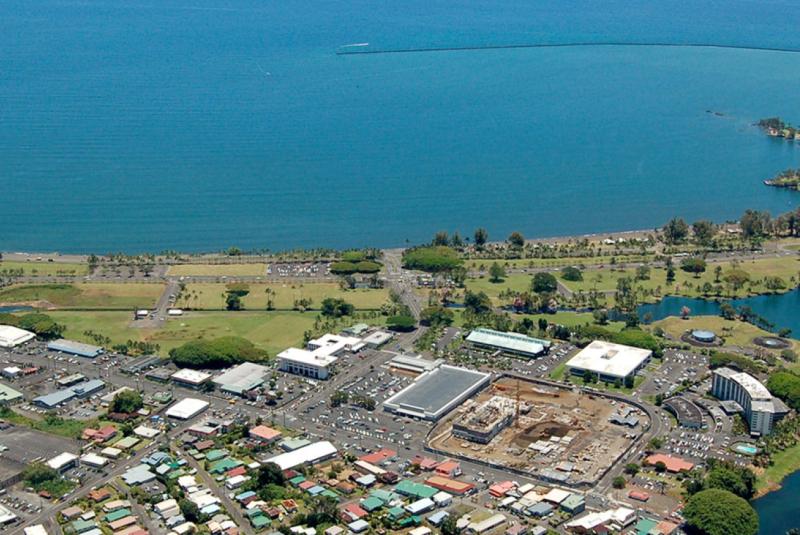
Hilo is a main Hele-On hub. The bus is free, but the Big Island is bigger than all the others combined — distances are the real cost.
The Big Island has the cheapest ride in the state and the hardest geography for a no-car trip. The county bus, Hele-On, is free for every rider. Per the official Hele-On fares page, the no-fare program runs through December 31, 2028 — no card, no pass, no fare box. You board and ride. The problem is scale. The Big Island is larger than all the other Hawaiian islands put together, and Hele-On is a commuter network connecting Hilo, Kona, Waimea, and the towns between them. Buses on the long cross-island routes may run only a handful of times a day. You can move between major towns for free, which is genuinely useful for a budget traveler with a flexible schedule. But Hawaiʻi Volcanoes National Park, the Kohala resort coast, Mauna Kea, and the snorkel bays are not built around bus access. Treat free Hele-On as a bonus for the days you stay close to town, not as a replacement for wheels.
Kauai: one road, one bus line

Kauai's single belt road shapes everything, including the bus. The Kauai Bus follows that corridor; the rest of the island you reach on your own.
Kauaʻi is shaped by one main road that wraps most of the island, and the Kauai Bus follows that corridor between Kekaha in the west and Hanalei in the north, with Līhuʻe as the hub. Per the county’s fare schedule, the adult fare is $2.00 per ride and a day pass is $5.00. Monthly passes are sold through the county. Two things keep it from being a true visitor system. First, it is built for residents getting to work and school, so frequency and hours are limited, especially on evenings and weekends. Second, the bus restricts large luggage and beach gear — the official carry-on policy caps items at 10” x 17” x 30” and explicitly bars oversized backpacks and surfboards. That complicates the airport-to-condo run that visitors most want it for. The bus can carry you between towns on the cheap, and if you are staying put on the Coconut Coast it covers errands well. But the postcard Kauaʻi — Waimea Canyon, the Nā Pali trailhead at the end of the north road, the south-shore beaches — needs a car or a tour.
How to get a HOLO card on Oahu
Since Oahu is where transit actually replaces a rental, here is the practical bit. You need a HOLO card to ride both TheBus and Skyline; the same card works on both. Buy one from a vending machine at any Skyline station or from an ABC Store in Waikīkī, then load it with a pass or with stored value. Tap when you board a bus, and tap both when you enter and when you exit a Skyline station. If you are only in town a few days, the 3-day or 7-day pass is the no-math option — tap and go, no per-ride tracking. Families should know each rider needs their own card (kids under 6 ride free with a fare-paying adult).
When renting still makes sense
The smartest setup for a lot of trips is a hybrid, not an all-or-nothing choice. On Oahu, base yourself in Waikiki, ride transit for the city days, and rent a car for just the one or two days you want the North Shore or the windward coast on your own clock. A short rental booked through Discount Hawaii Car Rental for a couple of days often beats a week of parking fees. On Maui, the Big Island, and Kauaʻi, flip the logic: rent the car, but lean on the bus or skip driving on the days you do not need it. And where transit does not reach, a guided day tour does double duty — it handles the driving, the parking, and the logistics for the Road to Hana, a Nā Pali sail, or a volcano run. You can compare options on Viator. If you are pricing out the rental side of the decision, our car rental cost calculator breaks down rates, taxes, and fees by island.
Bottom line
Can you do Hawaiʻi without a car? On Oahu, yes — TheBus plus Skyline genuinely covers a Waikiki-based trip, and the new airport rail station makes the arrival easy. On the neighbor islands, the buses are cheaper than ever (free on the Big Island, two dollars on Maui and Kauaʻi), but they are resident systems with real coverage gaps, so a car still earns its keep for most visitors. The move that saves the most money without trapping you: pick a walkable base, ride transit for the in-town days, and rent only for the specific adventures that need wheels. You get the savings of skipping a week-long rental and the freedom to chase the views the bus will never reach.