


I use ABC Stores for one narrow Hawaii vacation problem: I need one thing now, and the nearest full supermarket is too far to matter. Water before the beach. A snack after a late arrival. The charging cable still on the nightstand at home. The mistake is treating the nearest ABC as the answer to every errand. It is a convenience store, not a full grocery plan, pharmacy, or souvenir strategy. My rule is simple: use ABC for the ten-minute fix, a supermarket for the multi-day stock-up, and Longs Drugs for anything that needs a pharmacist. That three-lane decision saves time without turning convenience purchases into a quiet leak in the trip budget.
What ABC Stores Actually Are
ABC Stores is a Hawaii company built around visitor convenience. The company’s official history traces the business to Sidney and Minnie Kosasa, who opened a drug store in Honolulu in 1949. The first ABC outlet opened on Waikiki Beach in 1964. The original concept combined groceries, souvenirs, drugs, cosmetics, and other things a traveler might need. That history tells me more about the store than the word “convenience” does. A typical ABC mixes grab-and-go food, drinks, beach basics, toiletries, apparel, and small gifts. The assortment changes with the store’s size and location, so use the company’s live locator on that same official page instead of assuming the ABC closest to your hotel has a deli, a particular product, or the same hours as the next one. ABC runs larger formats too. Island Country Markets and Island Gourmet Markets add fuller deli and grocery selections. If one is near your hotel, it may cover a small breakfast or picnic run that a compact ABC cannot.
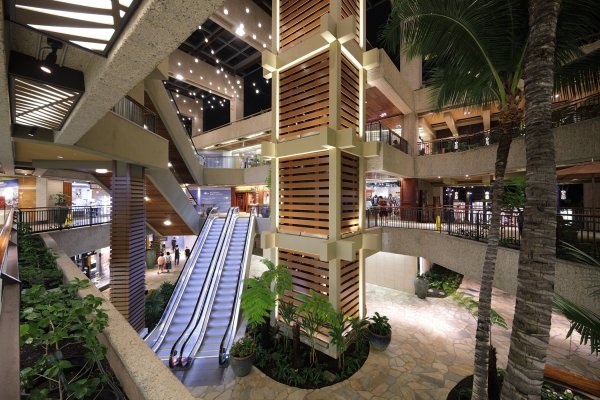
Waikīkī is built for short errands on foot. Use the closest store for a quick fix, then keep the day moving.
The Three-Lane Decision: ABC, Grocery Store, or Pharmacy
Choose ABC when the cost of the detour matters more than the shelf price. One cold drink, a ready-to-eat snack, forgotten toiletries, a cheap beach towel, or a small gift fits the model. You are buying back vacation time as much as you are buying the item. Choose a supermarket when you are feeding the room for more than a day. Breakfast supplies, fruit, drinks, sandwich ingredients, and a vacation-rental kitchen belong in a normal grocery cart. Our Hawaii grocery store guide compares the useful chains and explains when a warehouse stop earns the drive. Choose Longs Drugs or another pharmacy when the problem crosses into medication. ABC can cover ordinary toiletries and some over-the-counter basics. A prescription question, a refill, or anything that needs professional guidance belongs at a pharmacy counter. Use our Hawaii pharmacy guide for that lane. I use the same filter on arrival day. Before you land, open the Hawaii Airport Arrival Planner and decide whether the first stop is necessary at all. A hotel-area ABC may be the fastest answer when the alternative is a supermarket loop after a tired drive in the dark.
What Is Usually Worth Buying
A ready-to-eat snack or light meal. A musubi, sandwich, fruit cup, or other deli item can bridge the awkward space between hotel check-in and dinner. Selection varies, and the larger market concepts have a deeper food counter than a small neighborhood ABC. If Spam musubi is new to you, our Spam musubi guide explains the portable Hawaii staple before you choose one. The item that keeps today’s plan intact. Sunglasses, toothpaste, a charging cable, a hat, or a basic beach supply can be worth paying more for when going without it would derail the next few hours. One or two edible gifts. Macadamia nuts, chocolate, coffee, and island snacks work when you need a small, packable thank-you. For a long list of people, compare a supermarket or a local producer instead. The price climbs fast. A small Hawaii-specific keepsake you genuinely like. Read the product label and maker information rather than assuming every tropical-looking item was produced in the islands. Our Hawaii souvenir guide helps separate a useful memory from suitcase filler.
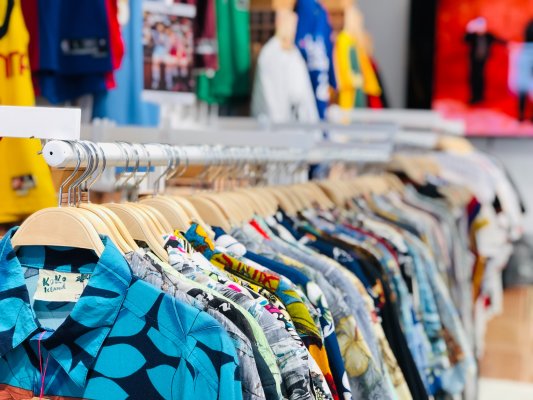
A tropical print is not a country-of-origin label. Check where a souvenir was made before deciding what story you are taking home.
What to Skip or Buy Before the Trip
A full grocery haul. If the list includes a case of drinks, several breakfasts, or ingredients for multiple meals, leave the resort area and use a supermarket. ABC is strongest when the basket is small. Gear that needs to fit or last. Fins, snorkel masks, water shoes, and bodyboards are poor impulse purchases when fit, safety, or durability matters. Our beach gear guide separates what to rent, pack, and buy on island. Prescription or hard-to-replace health items. Pack prescription medication in your carry-on and solve refill questions with a licensed pharmacy. Do not build the plan around a convenience-store shelf. Your only sunscreen for the week. If you already know which mineral formula works for your skin, bring it. That avoids testing a new texture on the first beach day and gives you more choice than the nearest resort store. You can compare mineral zinc sunscreens before the trip, then use our Hawaii sunscreen guide for the current statewide and county rules.
A Better First-24-Hours Plan
I run the packing list before I fly. The Hawaii Guide personalized packing list catches the predictable misses, including beach gear and summit layers. After landing, do not turn a minor omission into a three-stop scavenger hunt. Check into the hotel, write one short list, and classify each item: quick fix, multi-day supply, or pharmacy. ABC, supermarket, or Longs. If the list has one quick-fix item, walk to ABC. If it has breakfast for four people and drinks for a week, make one grocery run. If it involves a prescription, call the pharmacy before you drive. The system is dull on purpose. Dull systems protect good vacation days.
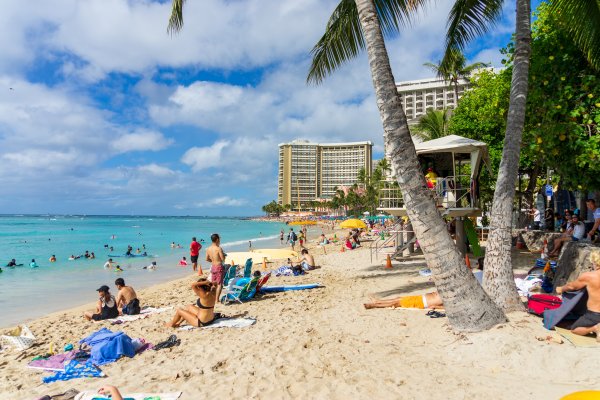
The best errand is the one that ends quickly. Buy the missing item, then get back to the beach.