
Hawaii birdwatching tours for summer 2026 split into two categories: guided days that get you behind locked gates into refuges you can’t reach on your own, and self-guided stops you can walk into with a park pass. This guide is the by-island shortlist of both — Hakalau on the Big Island, Hosmer Grove on Maui, the Alakaʻi Swamp and Kīlauea Point on Kauai, and the seabird and wetland circuit on Oahu. For each, I’ve listed who runs the access tours, what summer pricing and bookings look like, and what to expect on the ground. A bit of context for why summer matters. The islands sit about 2,400 miles from the nearest continent, and roughly 50 species of Hawaiian honeycreepers radiated from a single finch ancestor; only about 17 species remain, and several are in freefall. Summer is a strong window to find the survivors because the high-elevation forests are at their driest, the seabird colonies are at peak nesting density, and most of the access-permitted tour operators run their full schedule.
Big Island — Hakalau Forest National Wildlife Refuge
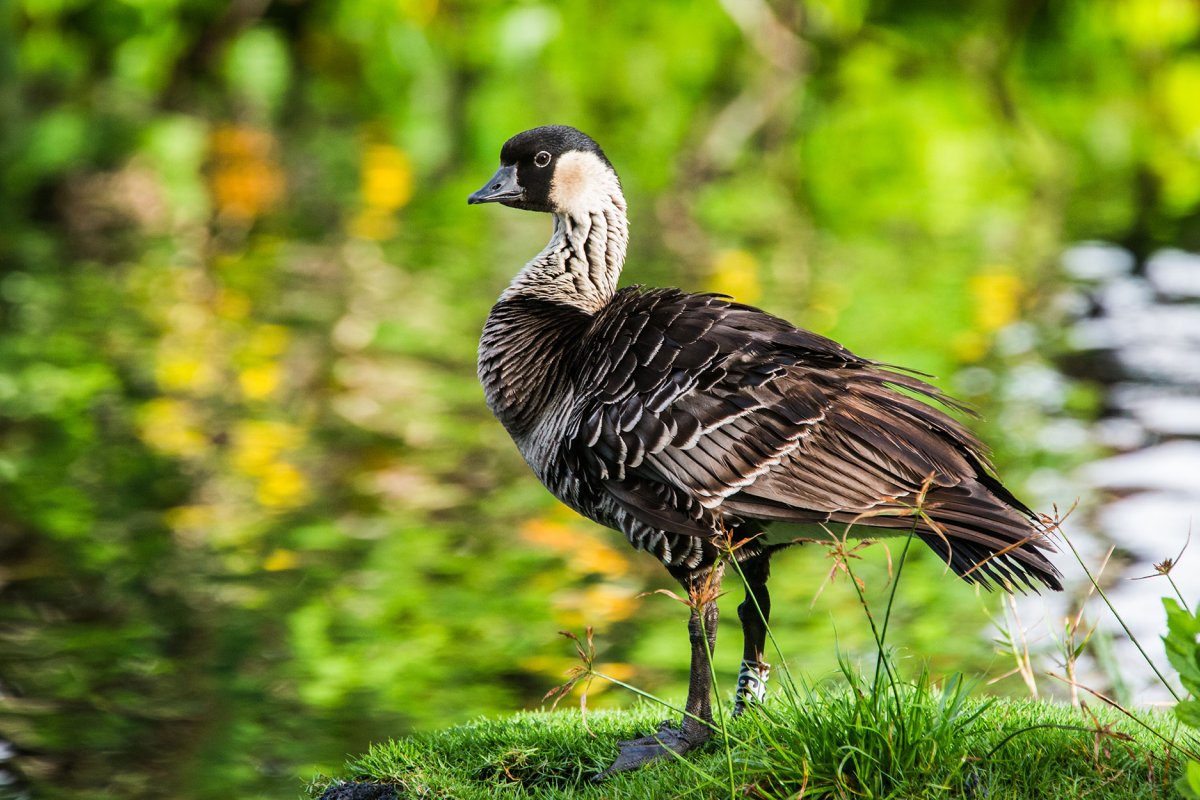
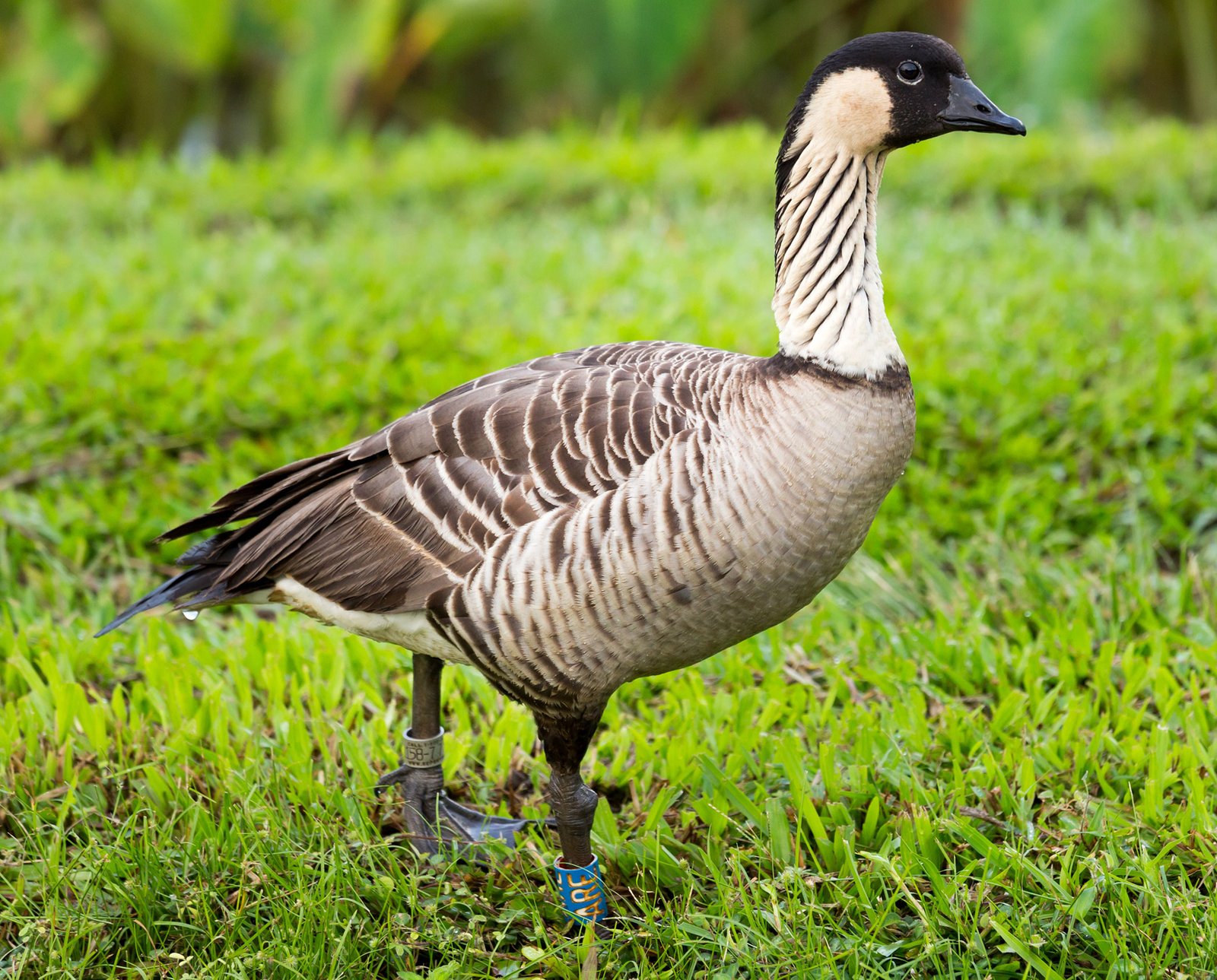
The nēnē is Hawaiʻi's state bird. You'll see them along the road into Hawaiʻi Volcanoes National Park.
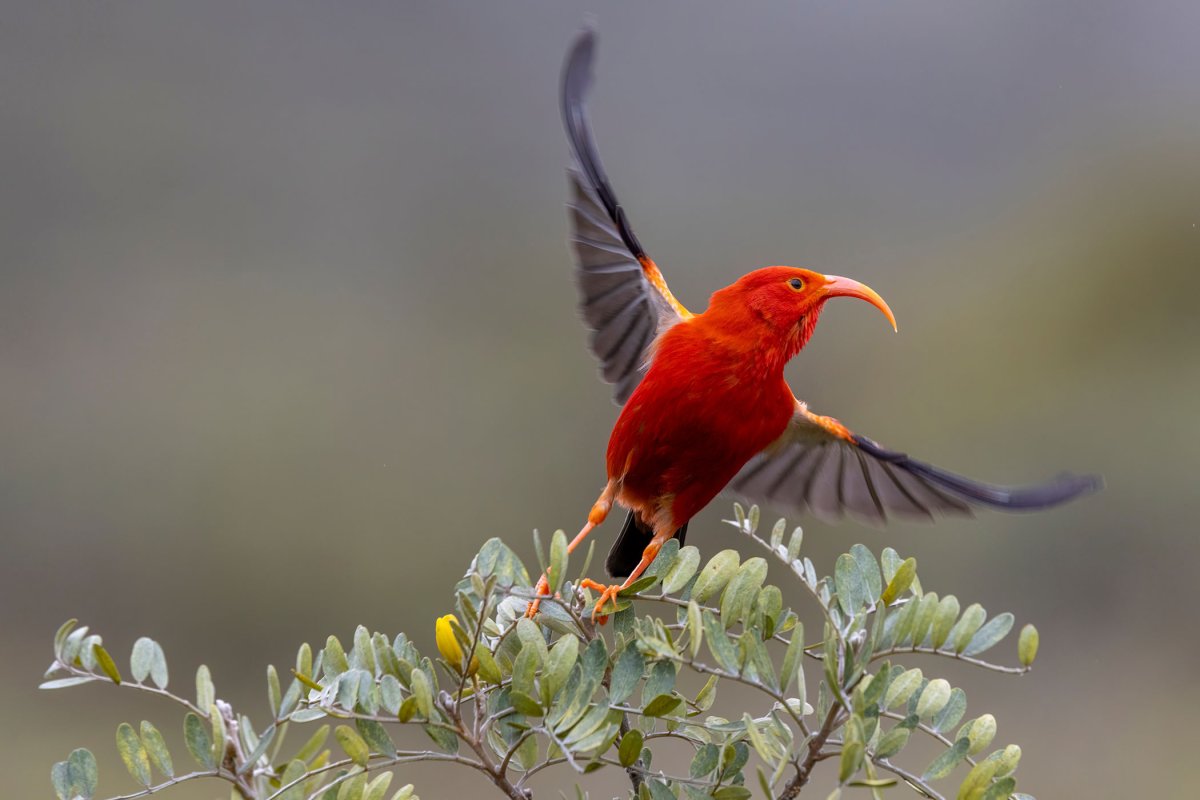
The Big Island is the most important birding island in the chain because of one place: Hakalau Forest National Wildlife Refuge. It sits on the windward slope of Mauna Kea with elevations from 2,500 to 6,500 feet, and birders consider it the most reliable spot in the state for ʻakiapōlāʻau, Hawaiʻi creeper, and ʻākepa — three federally endangered honeycreepers — in the same morning. Guided access only. The refuge is closed to the public except for permitted commercial tours, an annual open house, and volunteer days. Open-house and volunteer slots are limited and require reservations. A guided tour with a permitted operator is the practical way in during summer. Operator: Hawaii Forest & Trail. They’re one of the commercial operators authorized by U.S. Fish and Wildlife to take guests into the refuge. Their Hakalau Forest Reserve Birdwatching Exclusive is a small-group day from the Kona side of the island, with a 6:30 AM check-in and a guided walk along the koa-ʻōhiʻa interface where the honeycreepers feed. Plan on a full day. They also run a private ʻohana version for groups that want their own guide. DIY stop: Kīpukapuaulu (Bird Park). Inside Hawaiʻi Volcanoes National Park, the Kīpukapuaulu loop off Mauna Loa Road walks you through a forest kīpuka of more than 100 acres, surrounded by old lava flows. ʻApapane, ʻiʻiwi, and ʻamakihi regularly visit the koa and ʻōhiʻa lehua there. No permit, no guide required. Park entry is $30 per vehicle for a 7-day pass or your annual NPS pass. Bring binoculars and arrive before 9 AM for the most activity. Compare birding tour options across the Big Island on Viator’s Big Island tours page.
Maui — Hosmer Grove and the Haleakalā ranger walks
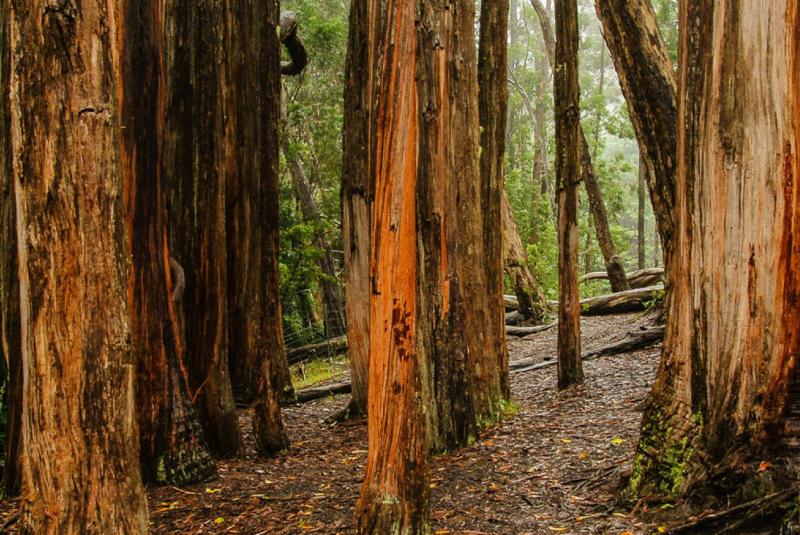
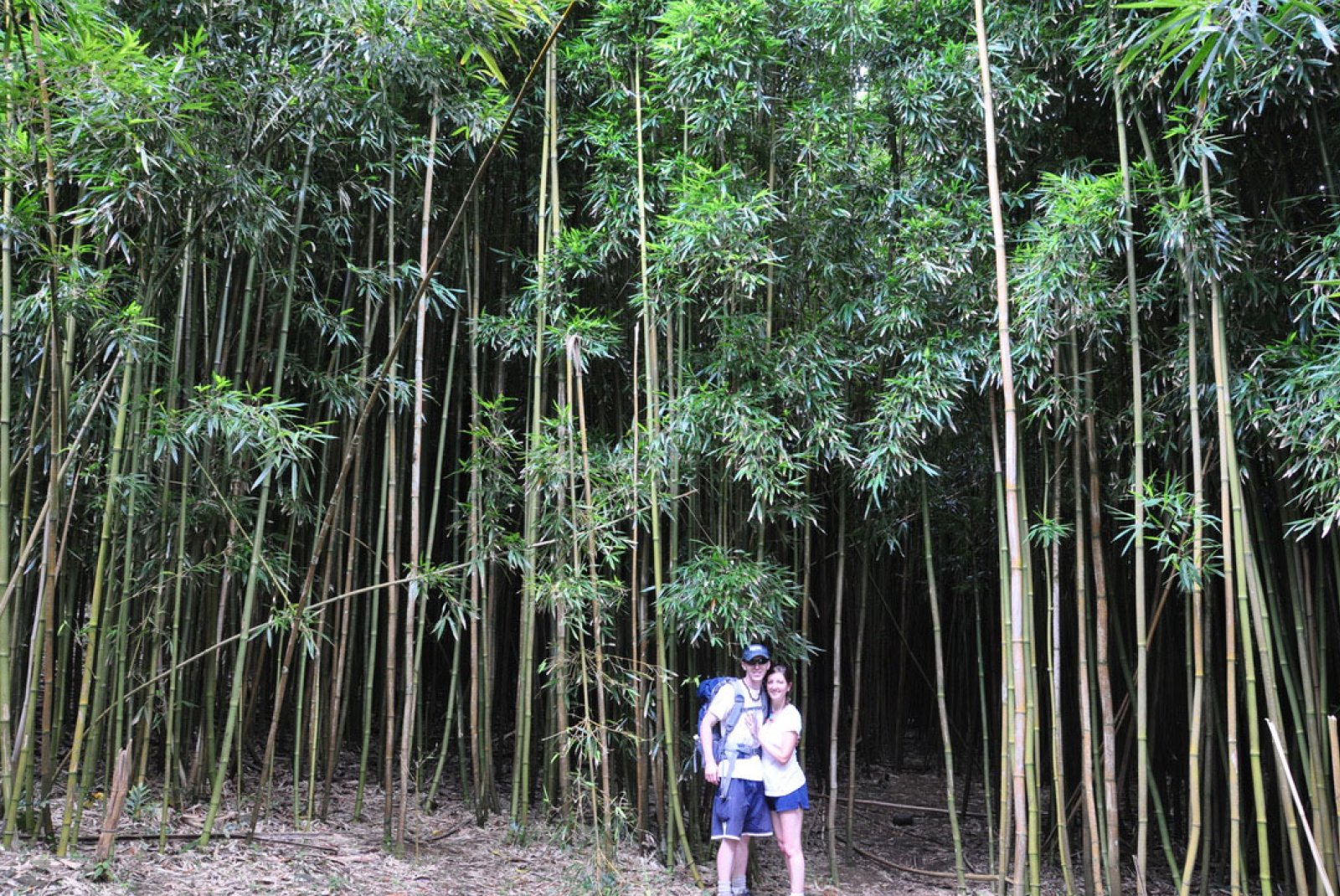
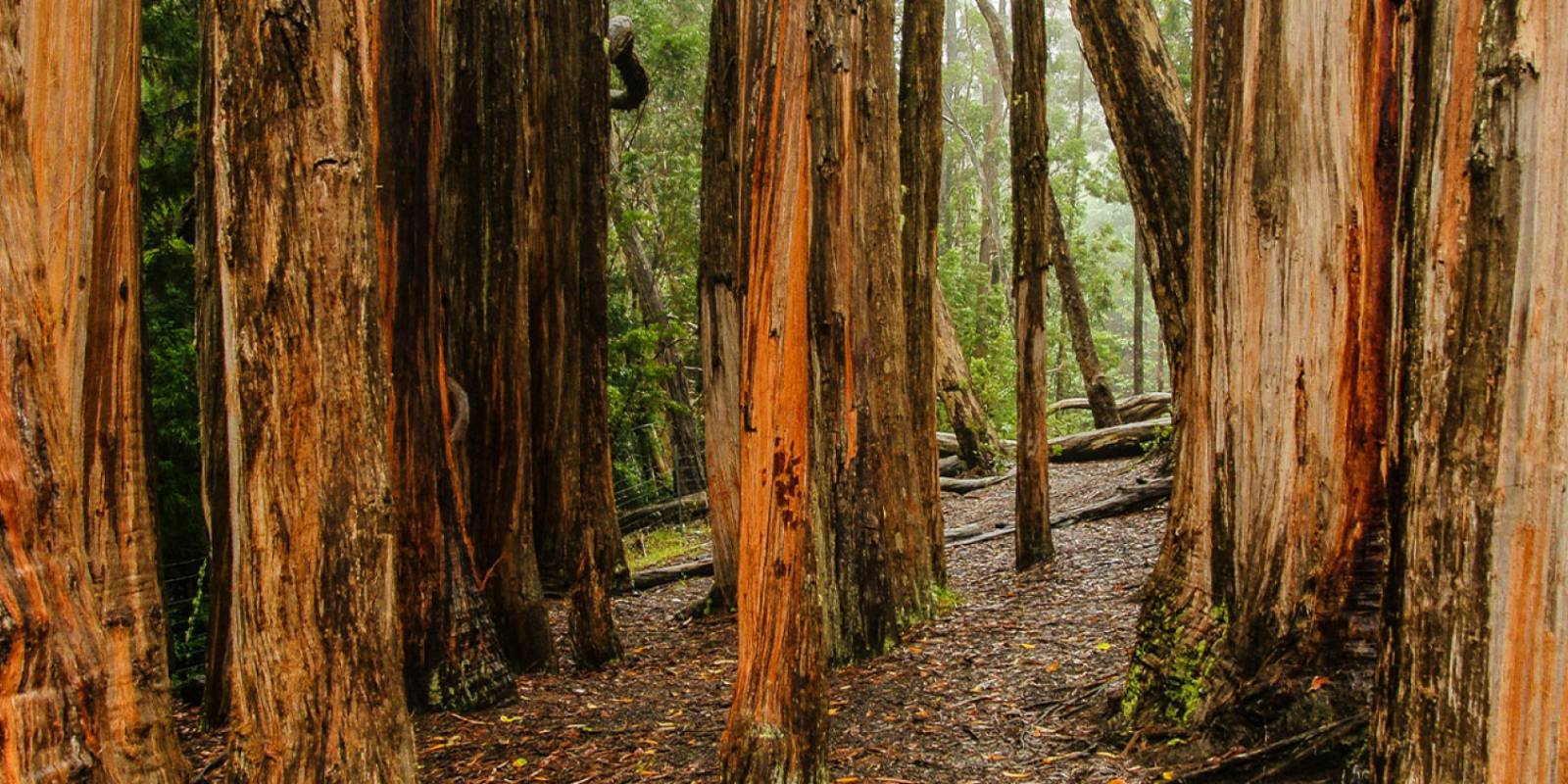
Hosmer Grove sits just inside the Haleakalā summit entrance at 6,800 feet. The non-native trees are old-growth misfits; the native shrubland edge is where the honeycreepers actually feed.
DIY stop: Hosmer Grove. Maui’s most accessible honeycreeper location is Hosmer Grove, a picnic area and short loop trail just inside the entrance to the summit district of Haleakalā National Park, sitting at 6,800 feet. The trees were planted as an experimental timber stand starting in 1909 and are a mix of pines, eucalyptus, and cedars — none native. The edge where the grove meets the native shrubland is the easiest place on Maui to find ʻiʻiwi and ʻapapane. ʻAmakihi, ʻalauahio, and the rarer ʻākohekohe and kiwikiu live higher on the mountain but are much harder to reach. Hosmer Grove is open to the public, no permit required. Standard Haleakalā park fee applies ($30 per vehicle, 3-day pass; America the Beautiful pass accepted). Park near the campground, walk the half-mile loop slowly with binoculars, and listen — honeycreepers usually announce themselves before they show themselves. Arrive at first light. The fog usually moves in by mid-morning. Ranger walks. Park rangers run guided programs that include Hosmer Grove bird walks on a schedule that varies by season. They’re free with park entry. Check the Haleakalā events calendar or call the visitor center the week of your trip. Operator: private custom days. For deeper Maui birding — including the closed Waikamoi Preserve and the higher Kīpahulu watersheds — Hawaii Birding Tours (Lance Tanino) runs small private trips. They don’t publish a catalog of fixed summer departures, so email them direct for a custom multi-day itinerary. Note on the summit. If you’re driving up for sunrise separately, you need a sunrise reservation on Recreation.gov ($1, separate from the park fee, released 60 days ahead and again 48 hours ahead). Hosmer Grove sits inside the park entrance and doesn’t require a sunrise reservation outside the 3 AM–7 AM window — bird before sunrise from the picnic area, then walk the loop after the crowd leaves.
Kauai — Alakaʻi Swamp and Kīlauea Point
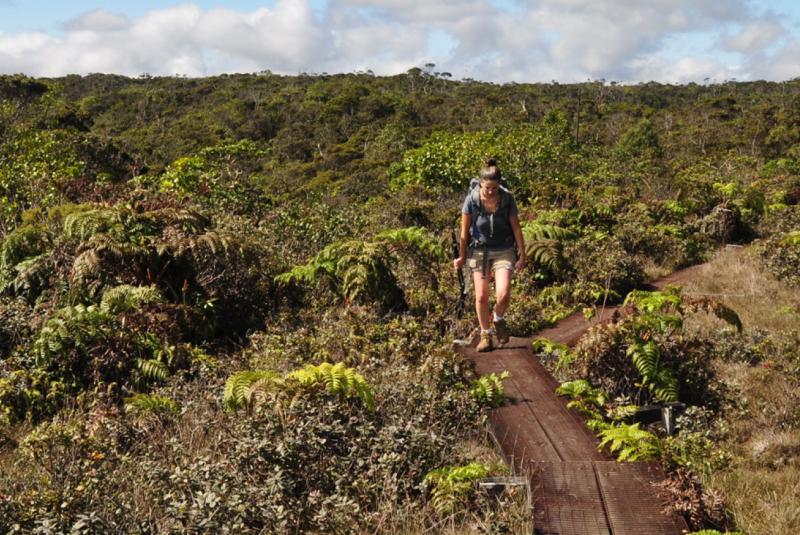
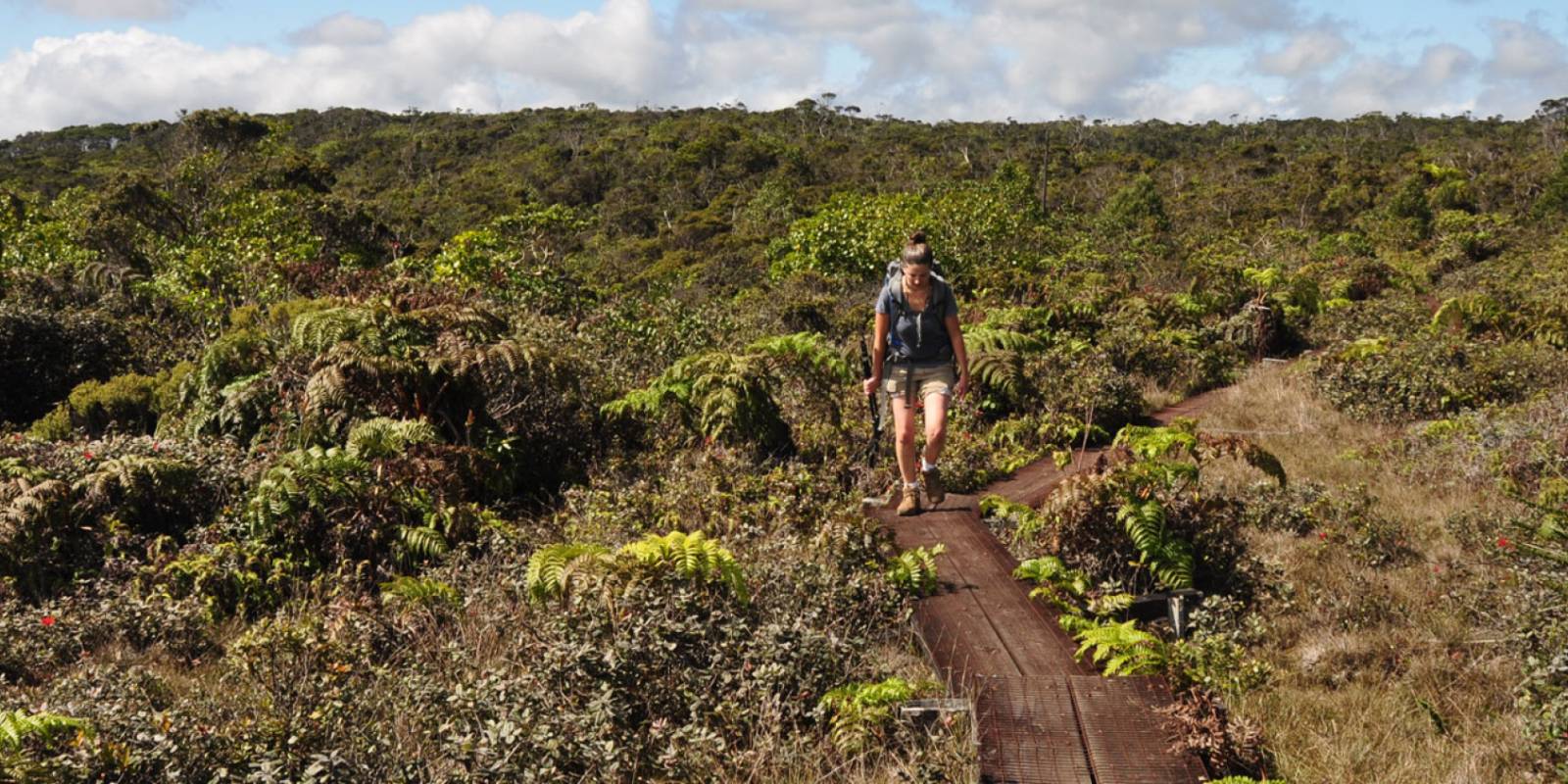
The Alakaʻi Swamp boardwalk gets you across the bog without sinking. ʻApapane and ʻanianiau call from the ʻōhiʻa canopy above the planks.
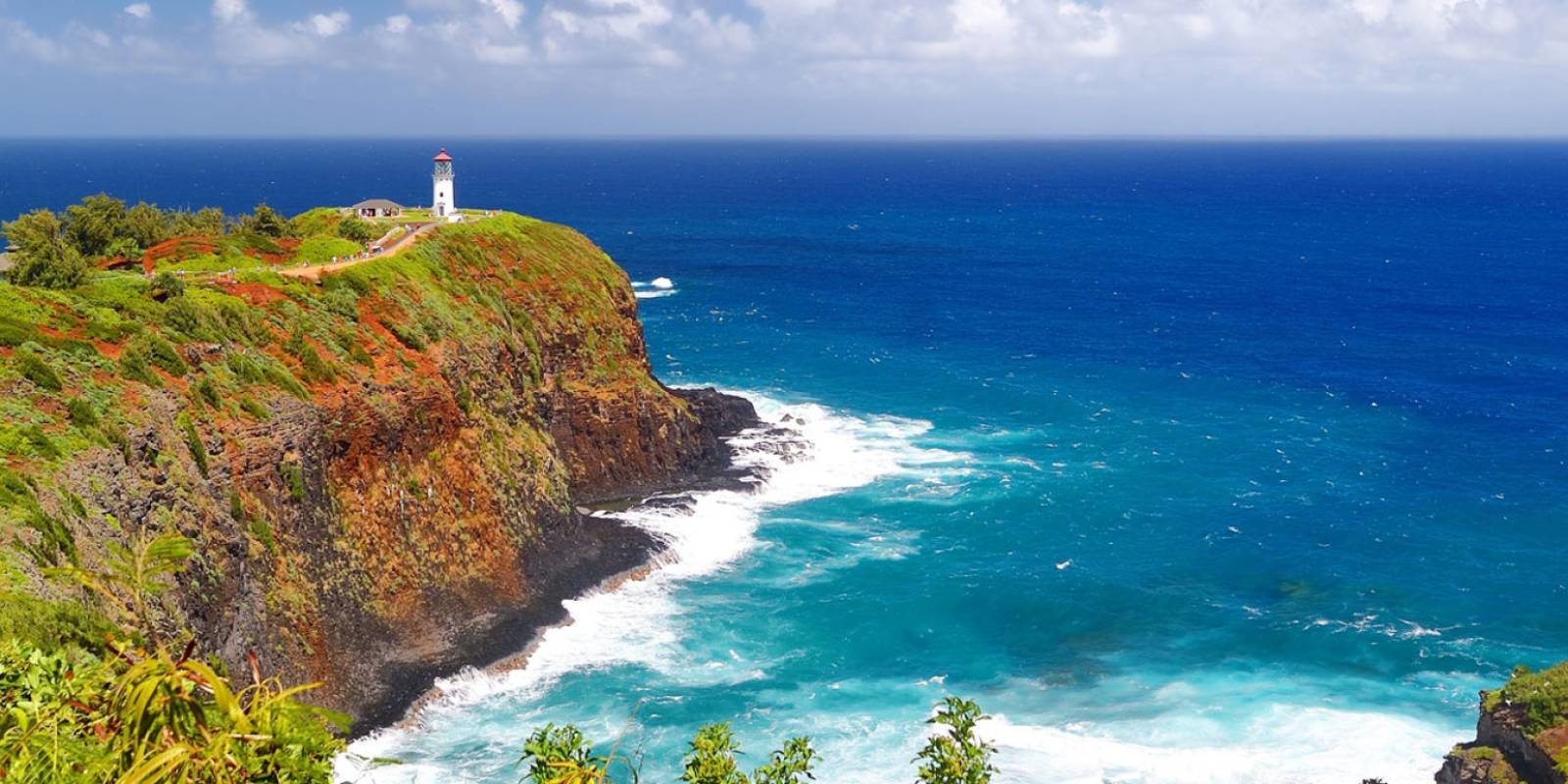
Kauai runs a close second to the Big Island for forest birding. The Kōkeʻe State Park and Alakaʻi Wilderness Preserve complex on the west side of the island sits around 3,600 feet and up, and holds the last wild populations of three Kauai honeycreepers — ʻakikiki, ʻakekeʻe, and the puaiohi thrush — plus the more common ʻiʻiwi, ʻapapane, and ʻanianiau. The Kauai birds are vanishing fast. The Kauai Forest Bird Recovery Project and partners ran an emergency captive-rescue effort for ʻakikiki in 2023 when only a handful of wild individuals remained. DIY stop: Alakaʻi Swamp Trail. The realistic visitor walk for finding honeycreepers is the Alakaʻi Swamp Trail, which starts off the Pihea Trail above the Puʻu o Kila / Kalalau Lookout in Kōkeʻe State Park. Round trip from the lookout runs roughly 8 miles on boardwalk and root-tangled bog — strenuous, often muddy, and weather-dependent. Get to the trailhead at sunrise. The cloud forest is most active before the afternoon clouds roll in. The Kōkeʻe Natural History Museum sells trail maps and posts current condition reports — worth stopping at before you commit to the full out-and-back. Day-use access at Kōkeʻe currently runs $10 per vehicle plus $5 per non-resident; Hawaiʻi residents are free. No advance reservation required. DIY stop: Kīlauea Point. The Kīlauea Point National Wildlife Refuge on the north shore is a small headland that’s one of the easiest seabird viewing spots in the state. Laysan albatross are generally present from November through July, so summer trips catch fledging. Red-footed boobies, great frigatebirds, and red-tailed tropicbirds also nest on the cliffs into summer. The refuge is ticketed via Recreation.gov (Wednesday through Saturday, 10 AM to 4 PM at current posting; book ahead). The free overlook at the top of Kīlauea Road gives a distant view of the lighthouse and cliffs if you can’t get a ticket — distant enough that binoculars matter. To compare guided options across Kauai, browse Viator’s Kauai tours page filtered to “birding” or “nature.”
Oahu — seabirds, wetlands, and the North Shore
Oahu lost its forest honeycreepers earlier than the other islands. The ʻōʻō, ʻalalā, and ʻakialoa that lived here are all gone. What Oahu still has is good seabird and wetland birding, plus a handful of common forest natives in the upper Koʻolau and Waiʻanae ranges. Guided access: James Campbell NWR. The James Campbell National Wildlife Refuge at Kahuku on the North Shore protects breeding populations of the four endangered Hawaiian waterbirds — Hawaiian stilt (aeʻo), Hawaiian coot (ʻalae keʻokeʻo), Hawaiian moorhen (ʻalae ʻula), and Hawaiian duck (koloa maoli). Public access is limited to guided tours, offered October through mid-February, so summer visitors are restricted to the perimeter and the adjacent Kahuku Point area. Check the refuge calendar before you build your trip around it. DIY stop: Makapuʻu Point. The Makapuʻu Point lighthouse trail on the southeast coast is a paved 2-mile out-and-back with cliff views that hold red-tailed tropicbirds, brown noddies, and frigatebirds in summer. DIY stop: Kaʻena Point. The Kaʻena Point seabird sanctuary on the western tip protects the largest seabird colony in the main Hawaiian Islands, including Laysan albatross. The walk runs roughly 5 miles round-trip through a predator-proof fence, with chicks often visible on the ground May through July. Operator: private custom days. Hawaii Birding Tours covers Oahu birding deepest with private custom days, email-based booking. For broader Oahu nature tours, the Viator Oahu tours page has the comparison view.
Best months and what to expect
Summer works for Hawaiʻi birding for three concrete reasons. The high-elevation forests are at their driest, so Hakalau and Alakaʻi are walkable instead of waist-deep. Seabird nesting hits peak density on the cliffs from May through August. And the trade winds settle into their predictable afternoon pattern, which means mornings stay clear long enough for a full walk before the fog rolls in. June and early July are the strongest weeks. Honeycreeper activity peaks at dawn at 5,000 to 7,000 feet. Albatross chicks typically fledge in June and July at Kīlauea Point and Kaʻena Point — nearly grown but still on the ground, so you can see them without the parents being aggressive about it. Tropicbird and frigatebird activity is at its summer peak. Late August sees a fall-off as the albatross fledge and leave the colonies for the open ocean. Forest birding stays strong through September. Wildlife is never guaranteed. The dawn visit to Hosmer Grove is the most consistent forest experience in the state — most mornings you’ll hear and see ʻiʻiwi and ʻapapane within the first hour. Hakalau days produce target species ʻakiapōlāʻau and ʻākepa most of the time when conditions hold, but it’s a tour day, not a guarantee. Alakaʻi Swamp is the weakest of the three for reliability — weather can shut you down completely.
What to bring
Hawaiian birding gear is the same gear you’d take to a mainland birding day, plus a few specifics. Binoculars. 8x42 is the standard for forest birding and will work everywhere covered above. A mid-range 8x42 pair is enough; spotting scopes are useful only at Kīlauea Point. If you don’t own binoculars, Hawaii Forest & Trail provides binoculars on Hakalau days as part of their listed gear. A Hawaii birds field guide. The printed Hawaiʻi field guides on Amazon are still the easiest way to keep a quick-reference picture in your pocket. The Merlin Bird ID app (free, from Cornell’s Lab of Ornithology) covers Hawaiian species and works offline once you download the Hawaiʻi pack. Use both. The honeycreeper calls are distinct enough that Merlin’s sound ID will surprise you on the Hosmer Grove walk. Layers for elevation. Hakalau and Hosmer Grove sit above 6,000 feet and are 20–25°F colder than sea level on most summer mornings. Long pants and a real jacket, not a beach windbreaker. Rain shell on top. Hiking boots, not sandals. Hakalau is muddy. Alakaʻi Swamp is mud and standing water with a boardwalk that runs out before the best birding. Hosmer Grove is gentler but still gets slick after rain. Reef-safe sunscreen and a hat. Even in shaded forest the equatorial UV gets you. Hawaiʻi restricts oxybenzone and octinoxate sunscreens, so mineral-only. Light snack and water. Hakalau days include lunch; Hosmer Grove and Alakaʻi do not — there’s nowhere to buy food once you’re past the park entrance.
Renting a car
Every serious birding location in Hawaiʻi requires a rental car. Hosmer Grove is a 90-minute drive from Kahului. Kōkeʻe is over an hour from Līhuʻe. Hakalau is roughly two hours from Kailua-Kona, and the Hawaii Forest & Trail tour vans pick up at set meeting points, not from each hotel. Kīlauea Point is about 30 minutes from Princeville. A rental car gives you the morning flexibility birding demands — you’ll want to leave before 5 AM most mornings, which is well before any shuttle service runs. Discount Hawaii Car Rental is the aggregator we use on our own trips. They pull from the major Hawaiʻi rental brands, hold reservations with no deposit, and let you cancel free — useful if a Hakalau tour ends up running on a different day than you planned.
Conservation notes
Hawaiian honeycreepers are disappearing in real time. Avian malaria — carried by introduced mosquitoes — is the proximate cause, and warming temperatures are pushing the mosquito line into the high-elevation refuges that used to be too cold for them. The Birds, Not Mosquitoes partnership is using the Incompatible Insect Technique — releasing incompatible male mosquitoes to suppress wild breeding — with releases that began on Maui in 2023 and additional releases planned for Kauai. Results are still being evaluated; the window to save the forest birds is measured in years, not decades. What you can do as a visitor: stay on the trail (off-trail compaction damages the mossy ground cover honeycreepers nest in), don’t play recorded bird calls (it stresses already-stressed populations), and consider a donation to the Kauai Forest Bird Recovery Project or the Maui Forest Bird Recovery Project — the teams doing the actual work.