
Tickets for the 2026 Hawaii Food & Wine Festival are now on sale, and the official schedule has enough shape to plan a real fall food trip around it. If you have ever thought about timing a Hawaiʻi vacation around one extraordinary meal, this is the event to circle before the highest-demand dinners and tastings disappear. It is the festival’s sixteenth year — founded by chefs Roy Yamaguchi and Alan Wong in 2011, per the festival’s official history — and a multi-island culinary run that pulls chefs and producers from around the world to cook with Hawaiʻi-grown ingredients. It is also one of the few reasons I would tell a fall traveler to book a specific weekend before booking anything else. The chefs come from around the world. The ingredients come from a few miles down the road. That contrast is the whole point. Here is how the 2026 festival is laid out, which weekends belong to which islands, what has already been posted, and how to build a trip around it without overpaying for a hotel you barely sleep in.
The 2026 dates, island by island
The festival spreads across three weekends and three islands, running from October 16 to November 8, 2026. Each island gets its own weekend, so you pick the one that fits your trip rather than chasing all three. Island of Hawaiʻi (Big Island) opens the festival on the weekend of October 16–17. Kāʻanapali, Maui takes the middle weekend, October 23–25. Oʻahu closes it out the weekend of November 5–8. Those are the posted festival windows as of June 24, 2026. The current schedule already lists specific events and venues, including Mauna Kea Beach Hotel on Hawaiʻi Island, Sheraton Maui Resort & Spa and Royal Lahaina Resort & Bungalows on Maui, and several Oʻahu venues from Kākoʻo ʻŌiwi to Kapiʻolani Community College, ʻAlohilani, Hyatt Regency Waikīkī, and Halekulani. Confirm the exact event list, prices, and availability on the official schedule before you book flights. If you are already weighing fall against other seasons, our best time to visit Hawaii guide covers what late October and early November feel like on the ground.
How tickets work — and why you book early
The festival is not one ticket. It is a series of separate ticketed events across the three weekends, and you buy into the specific dinners, tastings, and seminars you want. A grand tasting is a different ticket than a multi-course chef dinner, which is a different ticket than a hands-on seminar. That structure rewards planning. The marquee dinners and the headline tastings sell out first, and they rarely come back. Now that tickets are live, the smart move is to choose the island weekend first, then buy the one or two events that would justify the trip even if everything else were just a normal Hawaiʻi vacation day. Buy directly through the festival site. Prices vary widely by event, from walk-around tastings up to the high-end dinners, so check the official site for current pricing rather than trusting a number you read somewhere else.
What actually happens at the events
Per the festival’s about page, the full run spans three weekends across three islands, with chefs, culinary personalities, sommeliers, mixologists, wine and spirit producers, and industry leaders appearing across the program. The 2026 home page currently describes this year’s public-facing lineup as a 20-plus tastemaker showcase, so check each individual event listing before buying if a particular chef, winemaker, or format matters to you. The events themselves come in a few shapes. Grand walk-around tastings let you graze dozens of stations in one room, drink in hand, with chefs cooking a few feet away. Seated chef dinners are the splurge: multiple courses, paired pours, and a kitchen full of names you would otherwise have to fly to three different cities to eat. Seminars and demos sit in between, where you actually learn something instead of just eating well. It is a fundraiser underneath the glamour. The festival is a program of the Hawaiʻi Ag & Culinary Alliance, a 501(c)(3) nonprofit, and says it has contributed more than $5.2 million to programs supporting Hawaiʻi’s culinary and agricultural community. Your dinner ticket pushes money back toward culinary education and local beneficiaries rather than only into one expensive night out.
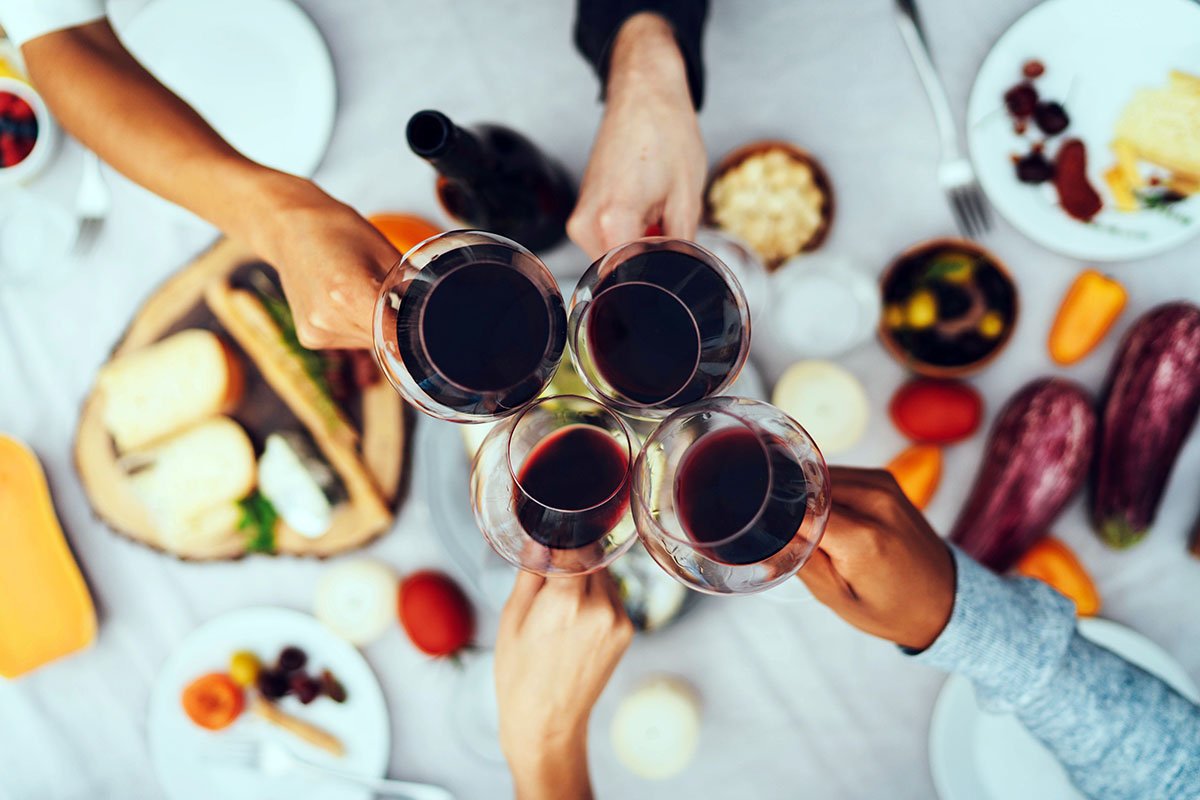
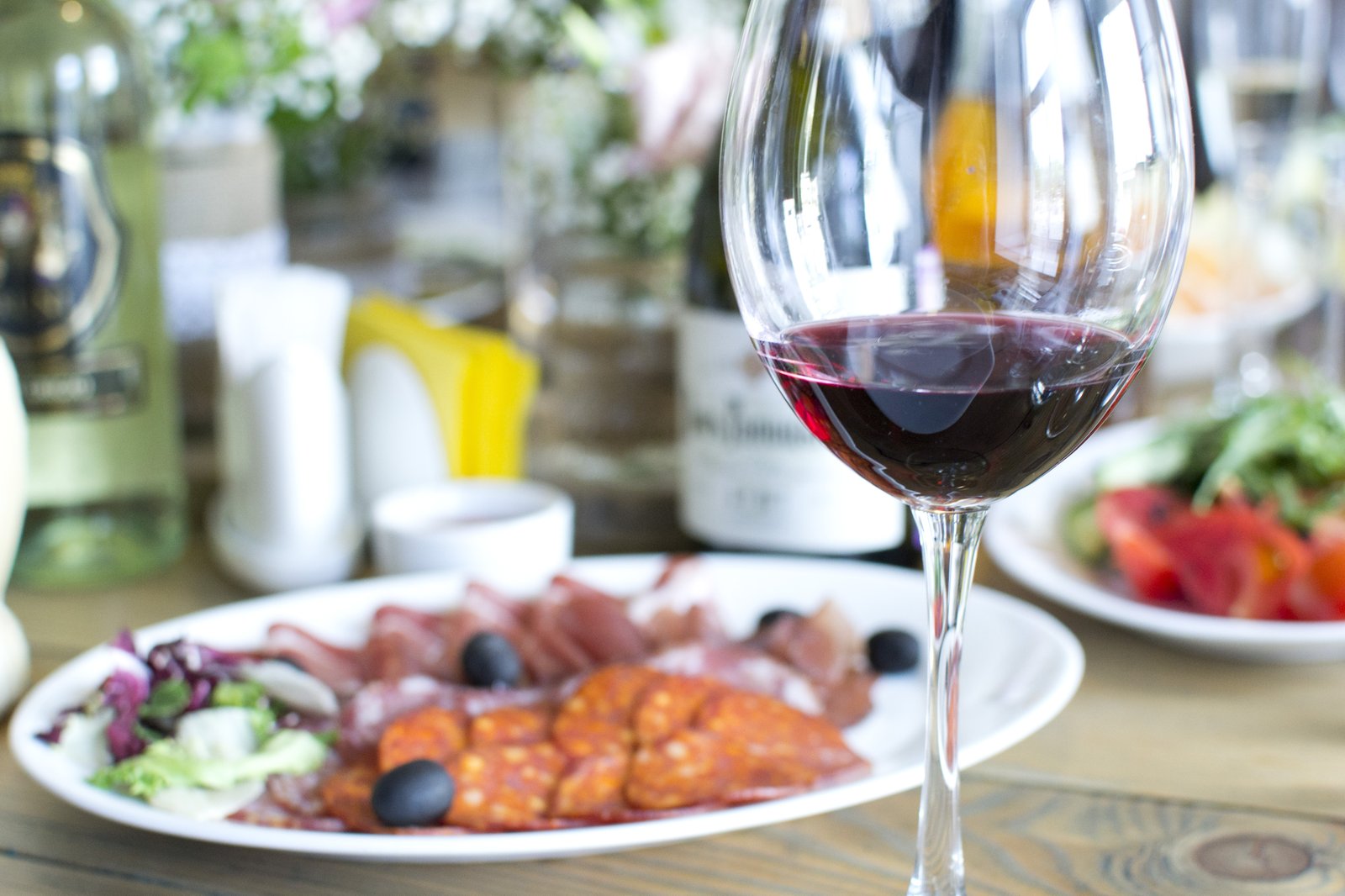
The grand tastings are the easiest way in — one room, dozens of stations, and chefs cooking a few feet from your glass.
Where it came from: two chefs and a farm-bureau dinner
The festival started small. Chef Roy Yamaguchi spent years hosting a benefit dinner for the Hawaiʻi Farm Bureau at his original Roy’s in Hawaiʻi Kai on Oʻahu, inviting chef friends to cook and raise money for local growers. He and fellow chef Alan Wong saw a bigger idea in it, and they launched the Hawaii Food & Wine Festival in 2011 (per the festival’s about page). Both men are central to the Hawaiʻi Regional Cuisine movement, the early-1990s push by a dozen island chefs to stop importing what Hawaiʻi could grow and catch itself. Both are also James Beard Award-winning chefs. The festival is essentially that founding idea at full volume: world-class technique, island ingredients, money flowing back to the farms.
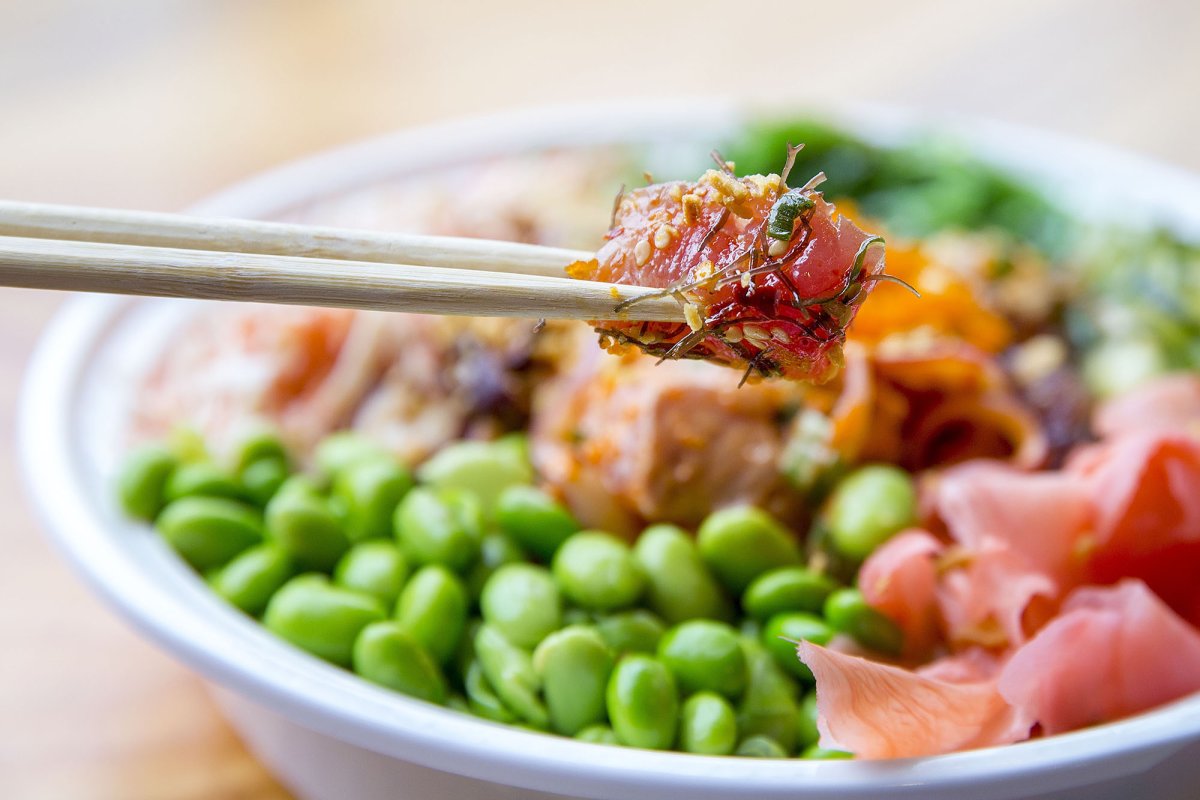
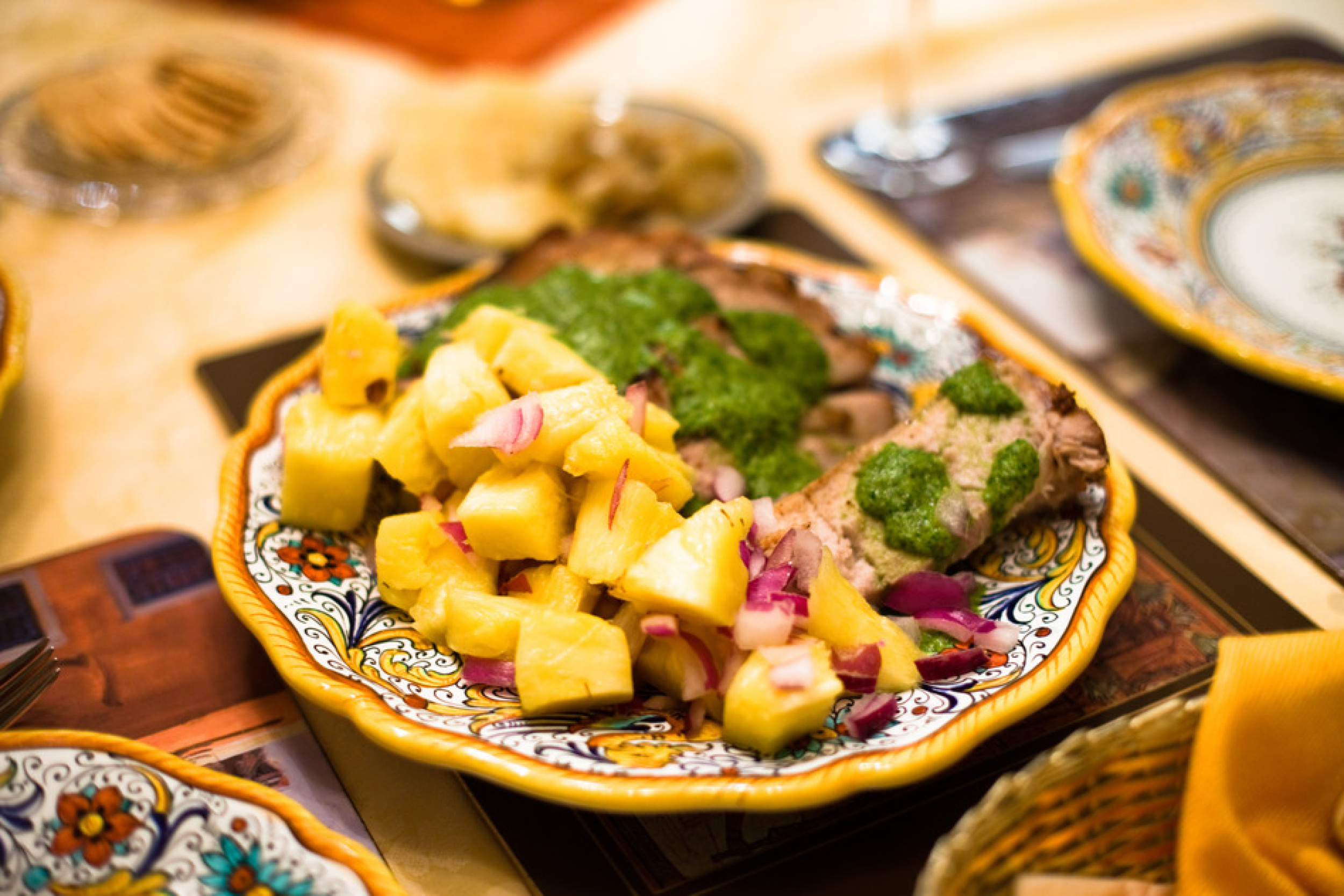
Fresh-caught ahi over island rice — the local-ingredient ethos that built Hawaiʻi Regional Cuisine, and the festival, in the first place.
Eat well between the ticketed events
You will not be at festival events every hour of every day, and you should not try to be. The best meals of a Hawaiʻi trip are often the cheap ones between the big ones — a plate lunch from a truck, a poke bowl eaten on a seawall, fruit from a roadside stand. Build the rest of your eating around the island you chose. Our island dining guides are the place to start: Big Island dining, Maui dining, and Oʻahu dining. If you want to go deeper on where the food comes from, a farm tour pairs well with a festival weekend. Watching the budget? Our tricks to save money on food in Hawaiʻi keeps the in-between meals from quietly draining the trip.
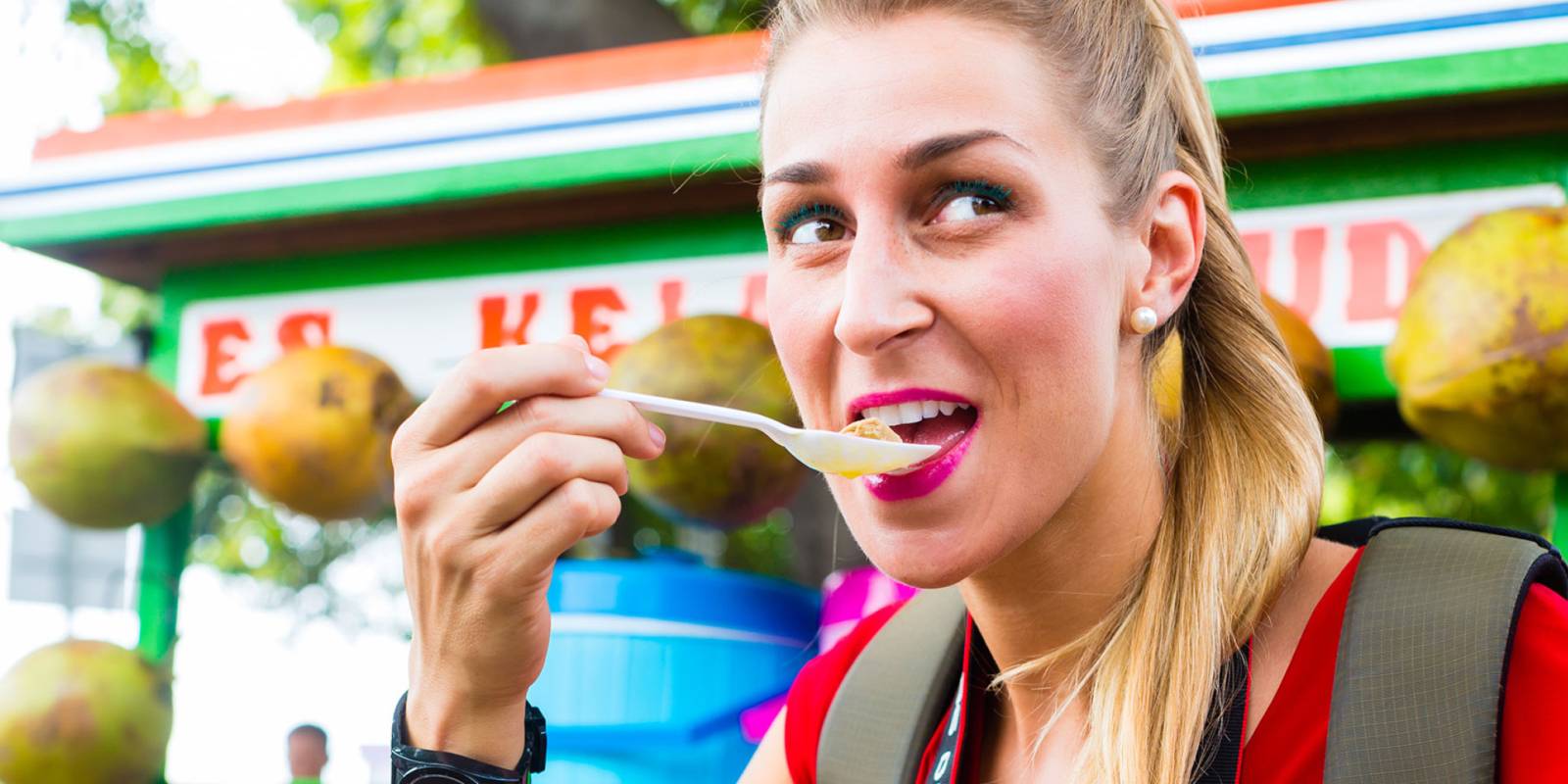
The food truck between events is half the reason to come — island plate lunches do a lot of the heavy lifting on a Hawaiʻi trip.
Should you build a trip around it?
If you are even a little food-driven, my answer is yes. Late October and early November land between Hawaiʻi’s summer crowds and the winter holiday rush, which in my experience tends to mean easier hotel availability and more reasonable rates than peak weeks — though that varies year to year and resort to resort, so price your dates before you commit. Our best time to visit Hawaii guide breaks down what the weather and travel patterns usually look like on either side of those dates. Pick your island first, then book the festival events, then book lodging near the host area so you are not driving home tired from a wine dinner. The Hawaiʻi Island weekend is anchored at Mauna Kea Resort on the Kohala Coast, the Maui weekend sits in Kāʻanapali, and the Oʻahu weekend spreads across Honolulu and Windward Oʻahu. For Maui, our Maui dining guide and the broader Maui travel guide cover lodging zones and what is open on that stretch of coast. You will want a car on every island to reach the venues and the food trucks in between, and booking early through Discount Hawaii Car Rental keeps the rate down. For more of what is happening around your dates, check our running Hawaiʻi events coverage.