


Rideshare in Hawaii works best as a tool, not a full transportation plan. You see Uber and Lyft on your phone the moment you land, and a perfectly reasonable thought follows: maybe I can skip the rental car, save on parking, and just app my way around the islands like I do at home. Sometimes that math works. More often it does not, and visitors who try it without thinking it through end up paying more than a rental would have cost while waiting at a trailhead for a driver who never accepts the trip. The honest answer is in the middle. Uber and Lyft are useful in Hawaii. They are also wildly uneven across the islands and across the day. The trick is knowing where rideshare earns its keep and where it falls apart, then planning the trip so you are using the right tool for each leg. Both companies operate in Hawaii. Uber’s Honolulu page and Lyft’s Honolulu page confirm service in the state’s primary market, and both apps cover the main resort areas on the neighbor islands. Confirm app availability for your specific destination before you bet a logistics plan on it. Coverage on paper is one thing. Coverage on the ground at 9 p.m. on a Tuesday in Hāna is another. Here is what to expect by island, where the gaps are, and how visitors actually get around.
The Quick Verdict
Rideshare alone is reasonable on Oahu if your trip stays inside the urban core. Waikiki, downtown, Kakaʻako, Pearl Harbor, the airport, and the main shopping centers all have enough driver supply to be workable through most of the day. Rideshare as your only transportation on Maui, Kauai, or the Big Island is risky. You can usually book the airport ride and a few resort-to-restaurant trips. The moment you want to drive to a beach off the highway, take a road trip, or come back from a remote area at night, supply often disappears. A rental for the days you want to explore is the standard fix. The hybrid pattern we usually recommend: rideshare for the airport-to-hotel leg, rideshare for dinner inside Waikiki or another resort cluster, rental car for the days that involve real exploration. Hotel parking fees are the wrinkle that makes that math work or not work.
The Island-by-Island Reality
The notes below are HawaiiGuide field guidance based on our editors and our readers, not platform data. Driver supply changes by season, time of day, and event calendar. Oahu. The strongest rideshare market in the state. Honolulu, Waikiki, the airport, and the urban arc from Pearl Harbor to Hawaii Kai have meaningful supply through most of the day. Late nights and event surges (UH football, concerts at the Blaisdell, cruise-ship turnover days at Honolulu Harbor) push fares up and stretch wait times. Once you head out of the urban core, supply thins. North Shore pickups from places like Haleʻiwa or Sunset Beach can work outbound but are unreliable for the return on a weekend afternoon. Rural windward stops past Kāneʻohe drop off fast. Maui. Decent supply in the Kahului-Wailuku core and along the South Maui resort strip from Kīhei to Wailea. West Maui (Lahaina and Kāʻanapali) has working but thinner coverage that varies by time of day. Upcountry, Hāna, and the Road to Hāna are effectively rideshare-free. Plan to drive yourself if those are on your list. The Kahului airport pickup is reliable in normal hours. Big Island. Two markets, not one. Kona and the Kohala Coast resorts have working supply during the day. Hilo has fewer drivers and longer pickups. Anything between the two cities (Saddle Road, the Kona-side highway up to Hāwī, the Hāmākua Coast) is largely off-grid for rideshare. Volcanoes National Park on the Hilo side is a long way from any cluster of drivers, and a rideshare back to your hotel after dark is genuinely uncertain. Kauai. The thinnest rideshare market of the four major islands. Lihue and Poʻipū have some daytime supply. Princeville and the North Shore are sparse. Wait times on Kauai can run long even from the resort areas. Many visitors who try Kauai without a car end up renting one part way through the trip, especially once they realize how much of the island they actually want to see. Our piece on getting around Kauai walks through the alternatives. Lanai and Molokai. Effectively no rideshare. Hotel shuttles, resort vehicles, taxis, and a small number of rental options are how visitors get around.
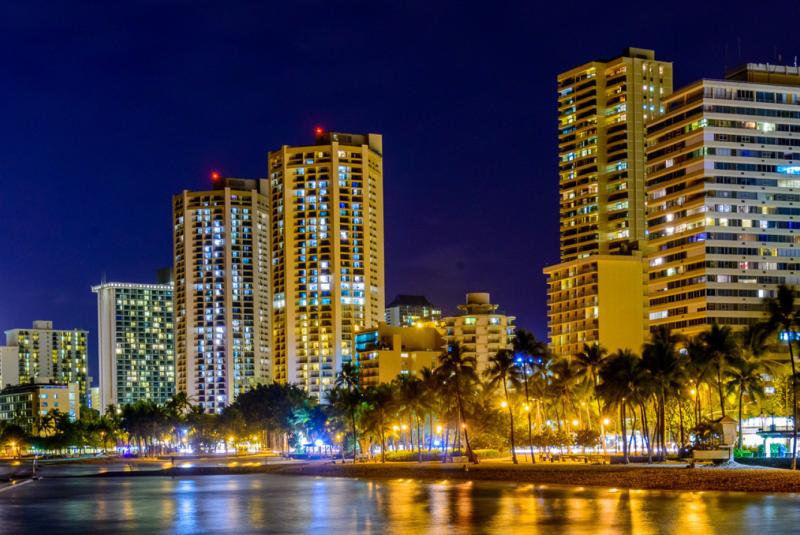
Honolulu and Waikiki are where rideshare works best in the state. Driver supply thins once you leave the urban core, which is why visitors who try to skip a rental car often change their minds by day three.
The Airport Question
Both Uber and Lyft operate at the four major Hawaii airports: Honolulu (HNL), Kahului (OGG), Kona (KOA), and Lihue (LIH). Service is also available at Hilo (ITO) but is thinner. Each airport has a designated rideshare pickup zone, posted on signage and shown inside the apps. The state Department of Transportation confirms ground transportation rules and pickup locations on its airport pages for HNL, OGG, and the other major airports. Drivers are not allowed to circle baggage claim, so plan to walk to the marked area. A few things to expect: Wait times stretch at the night-arrival peaks. Several mainland flights tend to land in the same window. If your flight gets in late and you do not see a driver matched within a few minutes, supply has thinned for the night and the wait can grow. Surge happens. Both apps adjust fares dynamically when demand spikes. Late-night arrivals and Sunday afternoons (the big mainland-bound departure window, which clears out airport-area drivers) are the windows visitors complain about most. Lihue and Kona are the riskiest. If you land in Lihue at 10 p.m. without a backup, you can wait a while. Pre-booking a shuttle through SpeediShuttle or Roberts Hawaii for late-night neighbor-island arrivals is a hedge worth knowing about. HNL has TheBus and the Skyline option. Honolulu’s public bus, TheBus, runs from the airport to Waikiki at a fraction of any rideshare fare. The catch is luggage. TheBus’s posted rules require bags to fit on your lap or under your seat, which rules out most checked luggage. Skyline, Honolulu’s elevated rail, opened its first segment in June 2023 and runs east from East Kapolei toward central Honolulu in phased segments. Skyline does not yet reach the airport directly; the airport segment is part of the broader buildout. Check the official site for current stations.
The Hidden Costs Visitors Underestimate
Even where rideshare works, the trip-by-trip math adds up faster than visitors expect. A few costs to factor in before you decide to skip the rental. Round-trip surge. If you take rideshare to a popular dinner spot and the neighborhood empties out by 10 p.m., the return trip can come with a surge multiplier or a long wait. The outbound fare is not a reliable predictor of the inbound fare. Cancellations. Rideshare drivers in Hawaii sometimes accept a fare and then cancel when they see the destination, particularly if you are heading somewhere remote that strands them away from a busy area. This happens more on neighbor islands than on Oahu. If a driver cancels on you in Hāna or on the North Shore at 5 p.m., you can be in a real bind. Trailhead and rural pickups. Many of the experiences visitors most want (a sunrise hike, a beach away from the resorts, a sight at the end of a road) require a return from a place where almost no driver is sitting. Even places that look reachable on the map, like Diamond Head’s trailhead, can produce long return waits because most of the supply has moved elsewhere. Tipping. Standard rideshare tipping etiquette applies in Hawaii, the same as on the mainland. Plan on adding to your fare, not just paying the displayed amount. Our Hawaii tipping primer has the broader picture. Tax and airport surcharges. Hawaii’s general excise tax applies to rideshare fares, and airport-pickup trips include an additional surcharge that the platforms pass through to the rider (see Lyft’s Hawaii fee disclosure). The displayed fare in the app includes those, but it is one more reason the per-trip cost can feel higher than the same trip would on the mainland.
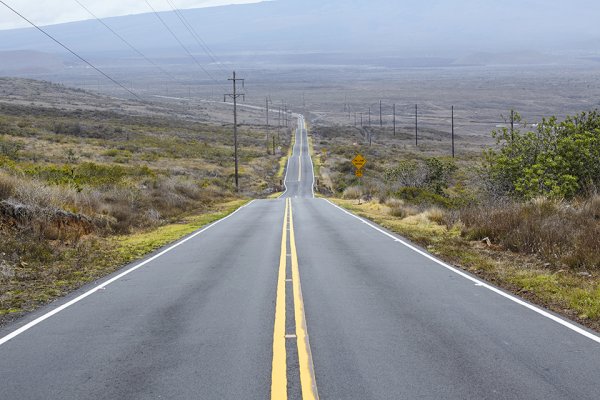
The Road to Hāna, the Big Island's Saddle Road, the back side of Kauai. None of these have working rideshare. If your itinerary includes a route like this, you need a rental car or a guided tour.
When You Still Need a Rental Car
A short list of trip patterns where the rental is doing real work that rideshare cannot. You want to see a beach that is not in your resort cluster. Lanikai, Makapuʻu, the Kohala coast beaches, Poʻipū to Kalapaki. Almost any beach worth a half-day visit involves a return from a quiet area where the inbound rideshare wait is unpredictable. You are doing the Road to Hāna or any all-day drive. Hāna, Volcanoes National Park, Waimea Canyon, the North Shore loop. These are the trips that make a Hawaii vacation feel like a Hawaii vacation, and they do not work on rideshare. A guided tour is an alternative if you do not want to drive yourself, but a rental gives you the ability to stop where and when you want. Your hotel is not in a dense resort area. A North Shore Oahu vacation rental, a condo in Kapaʻa, a B&B Upcountry. Anything outside the dense resort clusters means most of your trips will start or end at a rural pickup. You are traveling with kids in car seats. Do not count on app-based car seats in Hawaii. If you need car seats for multiple legs, a rental with your own seats is more reliable. You are going out for sunrise. Pre-dawn rideshare supply is thin everywhere in the islands. Haleakalā sunrise, Diamond Head sunrise, Lanikai Pillbox at first light. Plan to drive, take an organized tour, or pre-book. For most rentals, Discount Hawaii Car Rental is the booking tool we recommend. Their rates and cancellation flexibility are usually competitive with going direct, and they handle all the major brands.
The Hybrid Strategy That Usually Works
The pattern that ends up making sense for many visitors looks something like this. Rideshare from the airport on arrival day. You have luggage, you are tired, and you are not yet ready to navigate. Skip the rental counter on day one if your hotel charges a high nightly parking fee. A spot check of major Waikiki properties shows self-parking running well above $40 a night (the Sheraton Waikiki and Hilton Hawaiian Village are recent examples), so confirm your property’s current rate before you decide. The airport-to-hotel ride is the cleanest single rideshare leg of the trip. Rideshare for in-cluster nights out. If your hotel is in Waikiki, Wailea, Poʻipū, or Kona’s resort area, dinner trips inside the cluster are usually fine on rideshare. You avoid the parking shuffle and you can have a drink with dinner. Rent for the adventure days. Pick up a car for the two or three days you want to drive, and return it before your last night so you are not paying for parking on a day you do not need it. Many rental locations have airport drop-off and city drop-off options. The math here often pencils out: a one- or two-day rental plus parking for those days frequently beats stacking long-haul rideshare fares for the same itinerary, and it is dramatically more flexible. Run the numbers for your specific trip with our car rental cost calculator. Rideshare back to the airport. Return the car the day before, save the parking fee on your last night, and rideshare to the airport on departure morning. Same logic as the arrival, in reverse. The only place this hybrid breaks down is on Kauai. Driver supply on Kauai is thin enough that even the in-cluster nights out can be unreliable, and most visitors find themselves wanting a rental for more than the adventure days. If you are going to Kauai, plan on a rental for most or all of the trip and treat any rideshare as a bonus.
Kauai is where the rideshare-only plan most often falls apart. Driver supply is thin, the island is bigger than it looks, and most of what visitors come for is on rural roads where no one is waiting to give you a ride home.
Other Transportation Options Worth Knowing
TheBus (Oahu). Honolulu’s public bus covers much of Oahu. Routes connect Waikiki, the airport, Pearl Harbor, the North Shore, and most major sights. Single-ride fares are inexpensive compared to rideshare. The luggage rule is the catch: bags must fit on your lap or under your seat. For day trips inside the urban core, TheBus is a real alternative. Skyline (Oahu). Honolulu’s elevated rail line opened its first segment in 2023 and is being built out in phases toward the airport and downtown. Check the official site for current stations and hours. Useful for some Oahu trips, especially as additional segments open. Hele-On Bus (Big Island). The Big Island’s public bus system runs limited routes connecting Hilo, Kona, and a number of small towns. Not designed for tourist itineraries, but the cheapest option for a few specific trips. Maui Bus. The county bus system covers the main population centers on Maui, including some resort connections. Useful for short-hop trips, not for exploring the island. Hotel shuttles. Many resorts and condo complexes run free shuttles to nearby shopping centers, beaches, or activity hubs. Worth asking at check-in. The Waikiki Trolley is a paid tourist trolley with several routes through the resort core, useful for sightseeing without a car for a single day. Taxis. Still operate in Hawaii, especially at the airports and at the hotel taxi stands in Waikiki. Usually more expensive than rideshare in normal conditions, but during a surge or driver-shortage window, a taxi can be faster. Most Hawaii taxis accept credit cards.
The Bottom Line
Rideshare in Hawaii is useful and here to stay. It is also not a substitute for a rental car on most Hawaii vacations. Visitors who get the math right usually treat the apps as a tool for specific moments — the airport ride, the dinner inside Waikiki, the night you have a drink — and a rental as the default for everything else. The exception is the short, urban Oahu trip. Three nights in Waikiki, mostly inside the resort core, with one or two big sights you can knock out by rideshare or by tour. That trip can work without a rental, and the math actually pencils out once you factor in Waikiki parking fees. Anything more ambitious than that, on any island, and you want a car for the days that matter. The freedom of pulling over for a fruit stand on the Hāmākua Coast, or being the one who decides when to leave Hāna, is not a luxury. It is most of the reason people come. Plan the rideshare moments. Plan the rental days.