
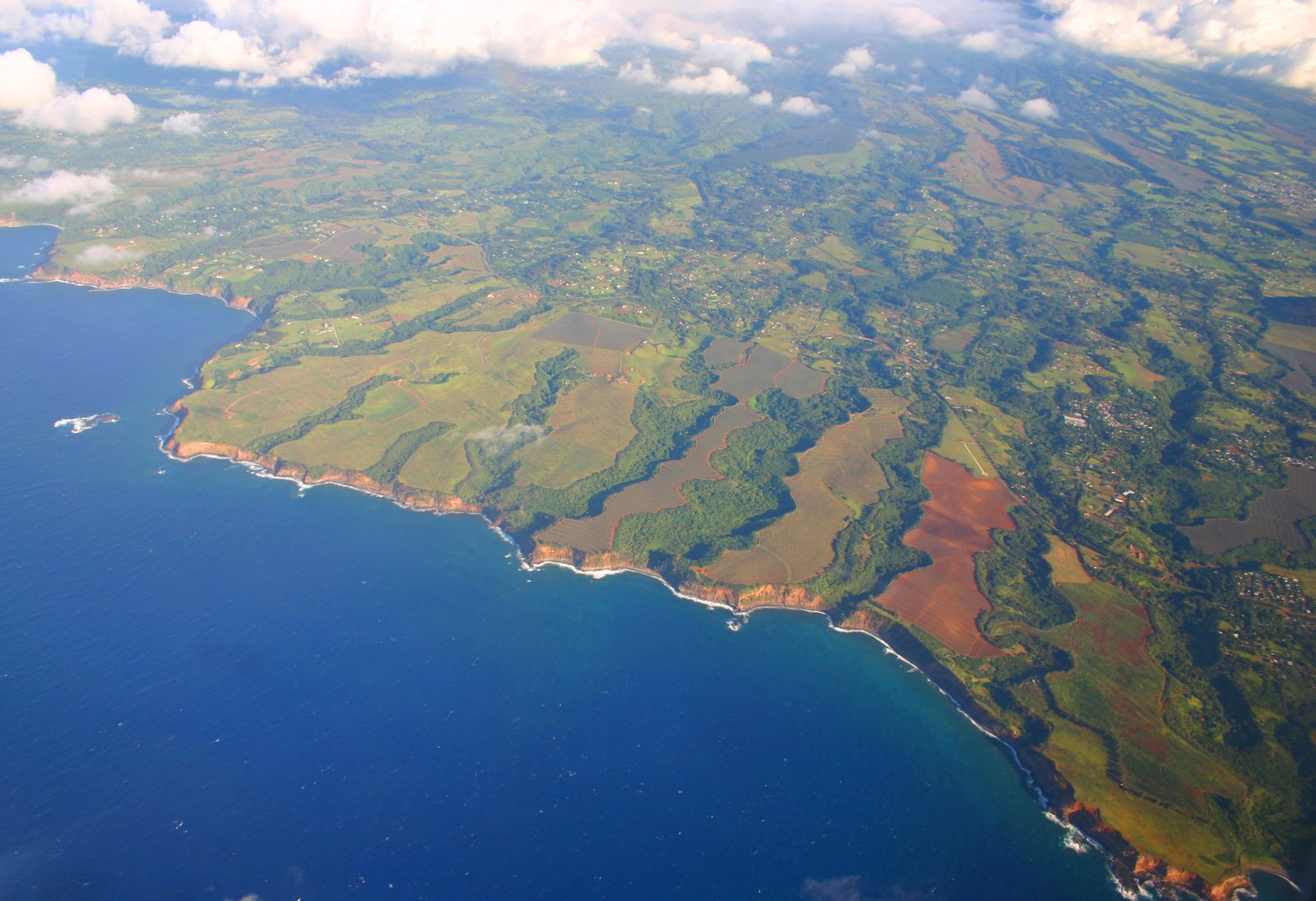

For Hawaii skydiving on Oahu in summer 2026, you have one airfield and two operators. All commercial tandem skydiving on Oahu runs out of Dillingham Airfield in Mokuleia at the western end of the North Shore, where both Skydive Hawaii and Pacific Skydiving Center operate (the state tourism authority lists both: Skydive Hawaii, Pacific Skydiving). Both put you out the door strapped to an instructor over the North Shore coastline, with Kaena Point and the Waianae Range below. Summer slots fill faster than the rest of the year in my experience, and that’s the busiest stretch of the Oahu tourism calendar. Book early and plan the rest of your North Shore day around the jump. My recommendation: take the first slot of the morning. More on that below. This is a planning-and-booking guide. Operator prices and altitude options shift month to month, so use the linked booking pages for current rates rather than trusting numbers in any single blog post.
Where you actually jump
Dillingham Airfield (HDH) sits on a sliver of state-leased land between the Waianae Mountains and the ocean, a few miles west of Haleiwa. The drop zone is the airfield itself, so you land back where you took off. The plane climbs west along the Waianae coast to gain altitude, then circles back over the field. Standard tandem exits run between 8,000 and 14,000 feet depending on the tier you book, per the Skydive Hawaii and Pacific Skydiving booking pages. Skydive Hawaii also runs a 20,000 ft high-altitude jump on certain aircraft. Free-fall lasts roughly 30 to 60 seconds, and the parachute ride down is another 5 to 7 minutes (per the Skydive Hawaii FAQ and Pacific Skydiving FAQ). On a clear day from 14,000 feet you can see Pearl Harbor, Diamond Head, the Ko’olau Range, and the North Shore from Kaena Point to Sunset Beach. Visibility permitting, Kauai sits about 100 miles to the northwest.
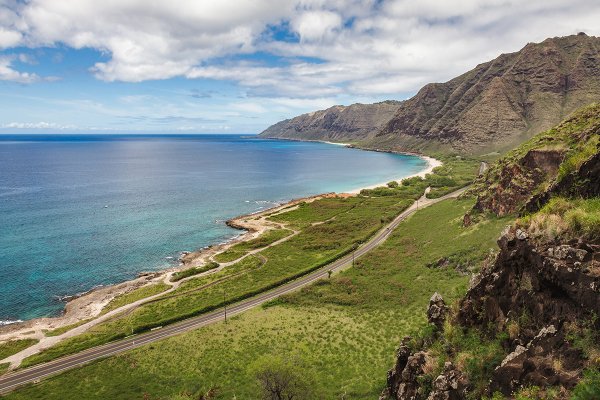
Dillingham Airfield sits a few miles east of Kaena Point. The climb-out follows this coast, which is what you're staring at when the instructor opens the door.
The two operators
Skydive Hawaii runs a multi-tier altitude menu. Per their booking page, options include 8,000, 10,000, 12,000, and 14,000 feet, plus a high-altitude 20,000 ft option on certain aircraft when conditions allow. Prices vary by tier and photo/video package. Pacific Skydiving Center (sometimes listed as Pacific Skydiving Honolulu, the same operation) runs 10,000, 12,000, and 14,000 ft tandem options per their tandem page. Both are listed as USPA Group Member dropzones in the USPA dropzone locator. USPA tandem instructors are required to hold a tandem rating, which means a USPA D-license, three years in the sport, 500 jumps, and a certification course. Pick whichever operator has a slot that fits your day. The view from 14,000 feet is the same.
How pricing works
Tandem pricing follows a tiered model: the higher you jump from, the more you pay, because the plane burns more fuel and the climb takes longer. As of May 2026, Skydive Hawaii lists their 8,000 ft tandem at $199 and their 14,000 ft at $250, with a 20,000 ft high-altitude option at $1,200. Pacific Skydiving Center’s 10,000 ft jump lists at $250. Photo and video packages add roughly $130 to $210 per the same booking pages. Some packages bundle stills and video into a single price. Prices shift, so check the operator pages before booking. Aggregator sites sometimes show stale numbers. If you’d rather book through a single tour platform alongside the rest of your week, Viator’s Oahu activity page lists Dillingham tandem jumps from both operators. You can’t bring your own camera on a tandem jump. The USPA general FAQ states that student skydivers, including tandem students, aren’t permitted to jump with a camera, and recommends a minimum of 200 jumps before flying with one. Your phone goes in the operator’s locker before you board. Book the photo/video package if you want any record beyond memory.
Weight, age, and physical requirements
Age: 18 and over. The USPA tandem FAQ states it plainly: “You must be at least 18 years of age to tandem skydive.” Both Dillingham operators enforce it. ID gets checked at the dropzone, so bring a driver’s license or passport. Parental consent doesn’t open a pathway under 18. Weight: Both operators publish a 240-pound maximum per their FAQs (Skydive Hawaii, Pacific Skydiving). Pacific Skydiving applies a surcharge over 200 pounds. If you’re close to the limit, call ahead. Operators weigh customers at check-in, and going over means the jump doesn’t happen. Physical condition: Both operators require a health and fitness waiver before you jump (Skydive Hawaii FAQ, Pacific Skydiving FAQ). If you have a recent injury, a heart condition, are pregnant, or aren’t sure whether a condition disqualifies you, call the operator and check with your doctor before the day of the jump. Once you’re harnessed in, the instructor handles the work. The exit is the most intense moment, and it’s over in about a second. Footwear: Closed-toe shoes only, per both operator FAQs. Flip-flops get turned away at check-in. Athletic shoes with laces are the standard pick.
What to wear and bring
Comfortable athletic clothing. Shorts and a t-shirt work fine in summer. It gets cold at altitude. The standard atmospheric lapse rate is roughly 3.5°F per 1,000 feet. At 14,000 feet, expect temperatures around 40 to 50°F cooler than sea level, with some variation based on humidity and local conditions. The free-fall is short, and you’ll be back in warm air quickly. The operator provides the harness and goggles, and a jumpsuit is available if you want one. Leave your phone, wallet, keys, and any jewelry in the operator’s lockers rather than your car. Hard-frame sunglasses go in there too. The harness fits over street clothes, so there’s no changing room moment. Tie long hair back. It whips hard at terminal velocity, and a hair tie costs nothing. One thing not to bring: a hangover. Both operators can refuse a jump if you appear impaired. Save the drinks for after.
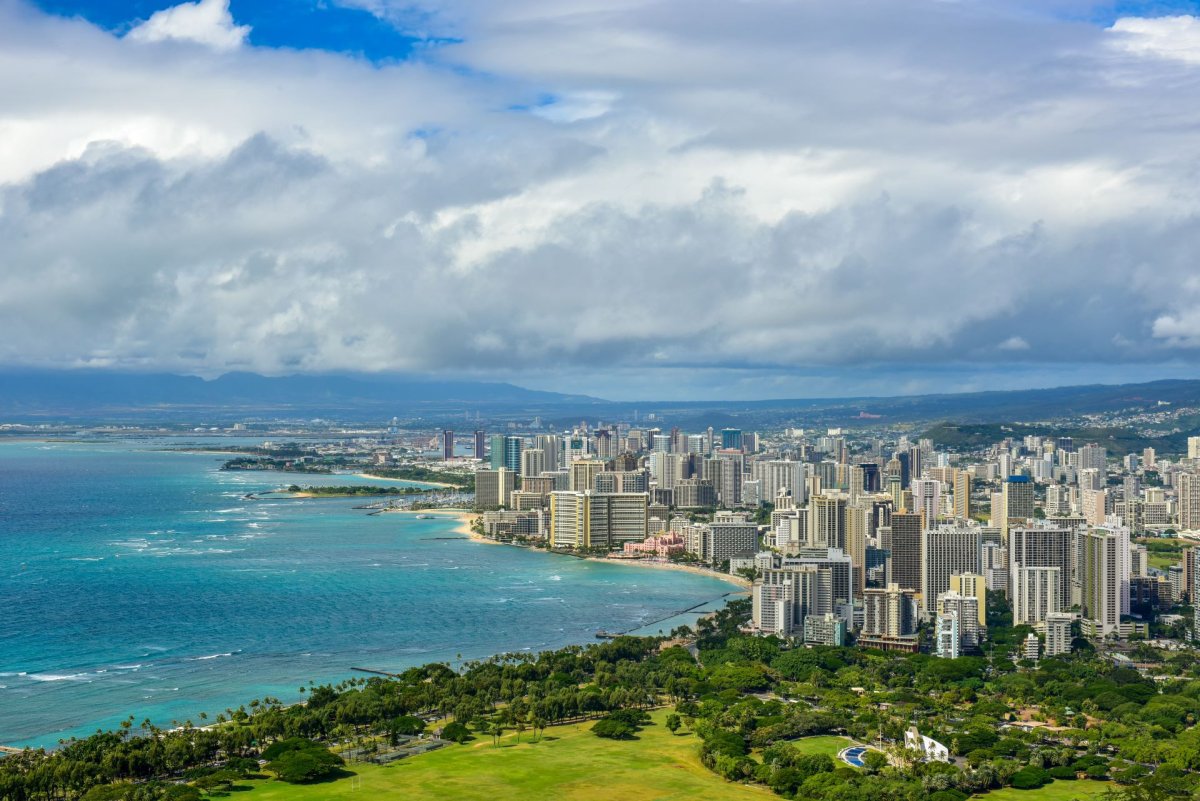
From 14,000 feet over Dillingham, the south shore of Oahu is fully visible on clear mornings: Honolulu, Pearl Harbor, and Diamond Head.
When to jump (and when to skip)
Time of day: First slot of the morning. Both operators’ booking pages show 8 a.m. as the earliest slot (Skydive Hawaii, Pacific Skydiving). Trade-wind driven cloud build-up over Oahu’s mountains is a well-known afternoon pattern (see the National Weather Service Honolulu climate summary), and an early slot leaves the rest of the day open for a reschedule if conditions don’t cooperate. Time of year: May through October is Hawaii’s drier season per the NWS Honolulu climate summary, with November through April bringing more rainfall and more variable weather. That doesn’t mean winter mornings can’t be perfect. Clear winter mornings can be the calmest of the year. But if your date is non-negotiable, summer raises your odds of flying. When to skip: any morning you’re feeling off, whether that’s a recent injury, sinus congestion, hangover, or no sleep. Skip if you don’t have a buffer day in your trip, because a weathered-out morning needs somewhere to land. Skip if your only available date is the morning of a flight out; weather delays stack against you and missing a return flight is a worse outcome than a missed jump. Cancel and rebook: Operator weather policies vary. Both publish their cancellation terms on their booking pages. Read the current terms before paying, including any separate terms for photo/video deposits.
How early to book
If the date matters, book early. Lock the slot the moment your travel date is confirmed, especially for weekend mornings in July and August, and especially for an anniversary or a last-day-of-trip jump. If your window is flexible (“I’ll jump any time during my Oahu week”), you have more room. Call the operator directly mid-trip to ask about same-day and walk-up openings, particularly midweek. For more on booking-window strategy across Hawaii tour activities, see our tour booking lead-times guide.
Getting to Dillingham
You need a vehicle. Per Google Maps, Dillingham is roughly 37 miles northwest of Waikiki, with a drive time of 45 minutes to an hour without traffic via the H-2 and Farrington Highway, and longer if H-1 backs up. From Ko Olina it’s roughly an hour around the south end of the Waianae Range. TheBus serves Haleiwa but doesn’t run to Dillingham. Rideshare is possible in theory but expensive in practice, and getting a return ride from a small airfield in Mokuleia can mean a long wait. The simplest play: rent a car for the day, jump, then drive about 11 minutes east into Haleiwa Town for lunch (Matsumoto Shave Ice, the shrimp trucks, and Beet Box Cafe if you want a plant-based option). See our Haleiwa things-to-do guide for the rest of the day. A strong day plan: morning jump, Haleiwa for food and a swim, back to Honolulu before traffic.