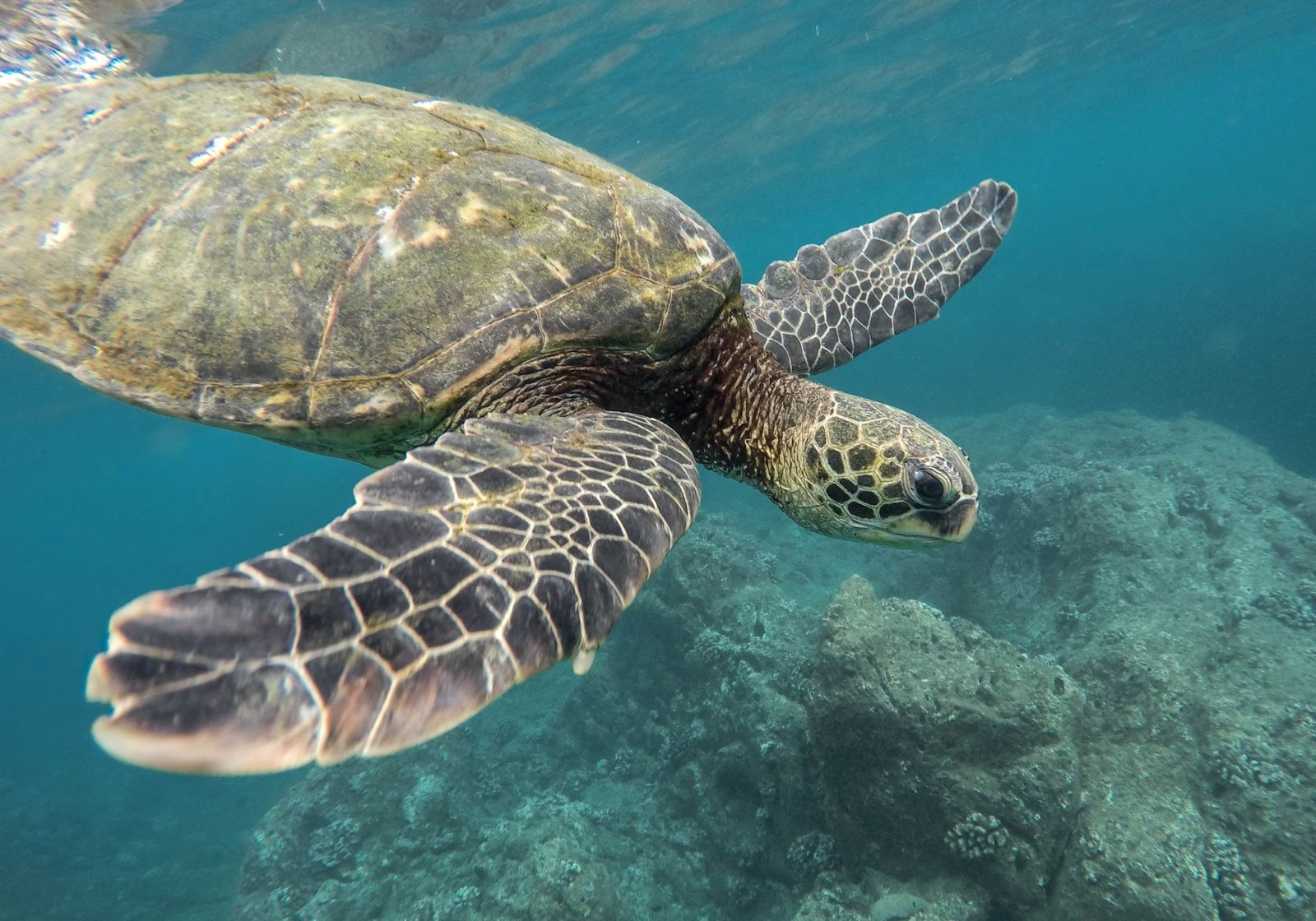

Hawaii snuba tours sit between snorkeling and scuba, and they’re the underwater activity most visitors haven’t heard of and end up wishing they had. You breathe from a regulator that’s connected by a long air hose to a tank floating on a small raft above you. No tank on your back. No dive certification. Per Snuba International’s FAQ, the minimum age for the standard program is 8, and the maximum depth is 20 feet. The in-water portion is supervised by an instructor who descends with the group. For families with one or two members who can’t or won’t get scuba certified, snuba is the closest thing to “everyone goes underwater together.” Kids who already snorkel can usually snuba on the same trip that the certified parents are doing a guided dive. This is a planning-and-booking guide for summer 2026. Operator availability and pricing change month to month, so use the linked booking pages for current rates and inventory rather than relying on numbers from any blog post.
Snuba vs. snorkel vs. scuba
The three water activities that come up in every Hawaiʻi planning thread look similar from above but feel very different in the water. Snorkeling. You float on the surface, breathe through a tube, and look down. Many beach-access snorkel sites are free, but conditions, access rules, and lifeguard coverage vary widely. The trade-off is that everything you see is below you, and you can’t move closer without holding your breath and free-diving. Scuba diving. You’re underwater with a tank on your back, breathing compressed air through a regulator. Per PADI’s published standards, Open Water certification authorizes dives to 60 feet (18 meters), and Advanced Open Water extends that to 100 feet (30 meters). The 130-foot number people throw around is the recreational limit for divers with a Deep Diver specialty. Most introductory boat dives in Hawaiʻi run shallower than any of those caps. You’ll need either an Open Water certification (a multi-day course) or a same-day “Discover Scuba” intro session. PADI’s Discover Scuba page describes the intro option, which is limited to a maximum depth of 12 meters (40 feet) for participants. Snuba. You’re underwater, but the air tank stays on a raft on the surface and a 20-foot hose connects you to it. The maximum depth is 20 feet per Snuba International, because the length of the hose is your physical limit. The shallow depth reduces risk relative to scuba, but instructors still control the descent, breathing procedure, and ascent. No certification is required, just a pre-dive briefing on the boat or beach. Snuba is a registered product of Snuba International, and individual Hawaiʻi operators run under license from that company. The practical takeaway: if your group has anyone who isn’t scuba certified but still wants to actually be underwater rather than skimming the surface, snuba is the activity that fits.
Who can snuba (and who shouldn't)
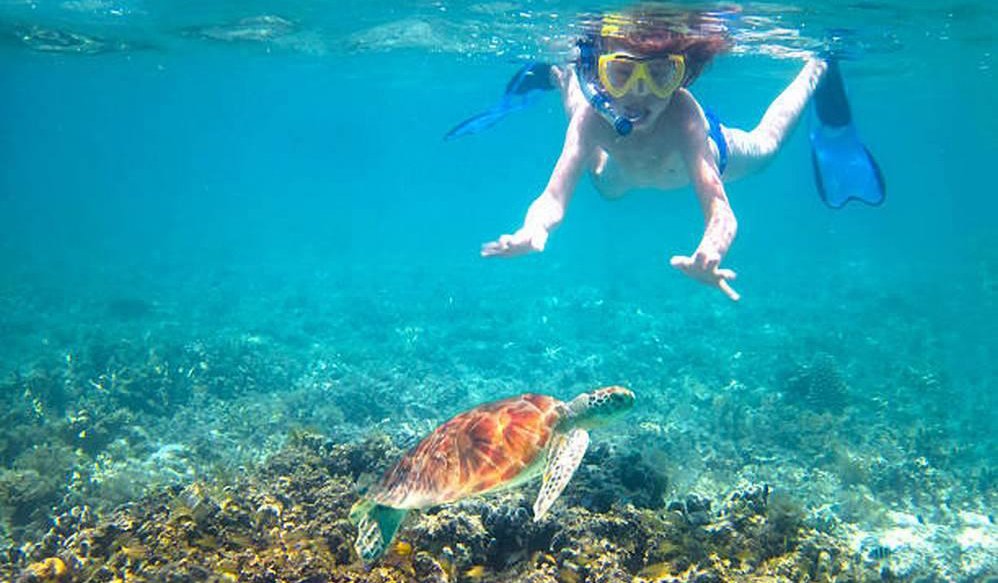
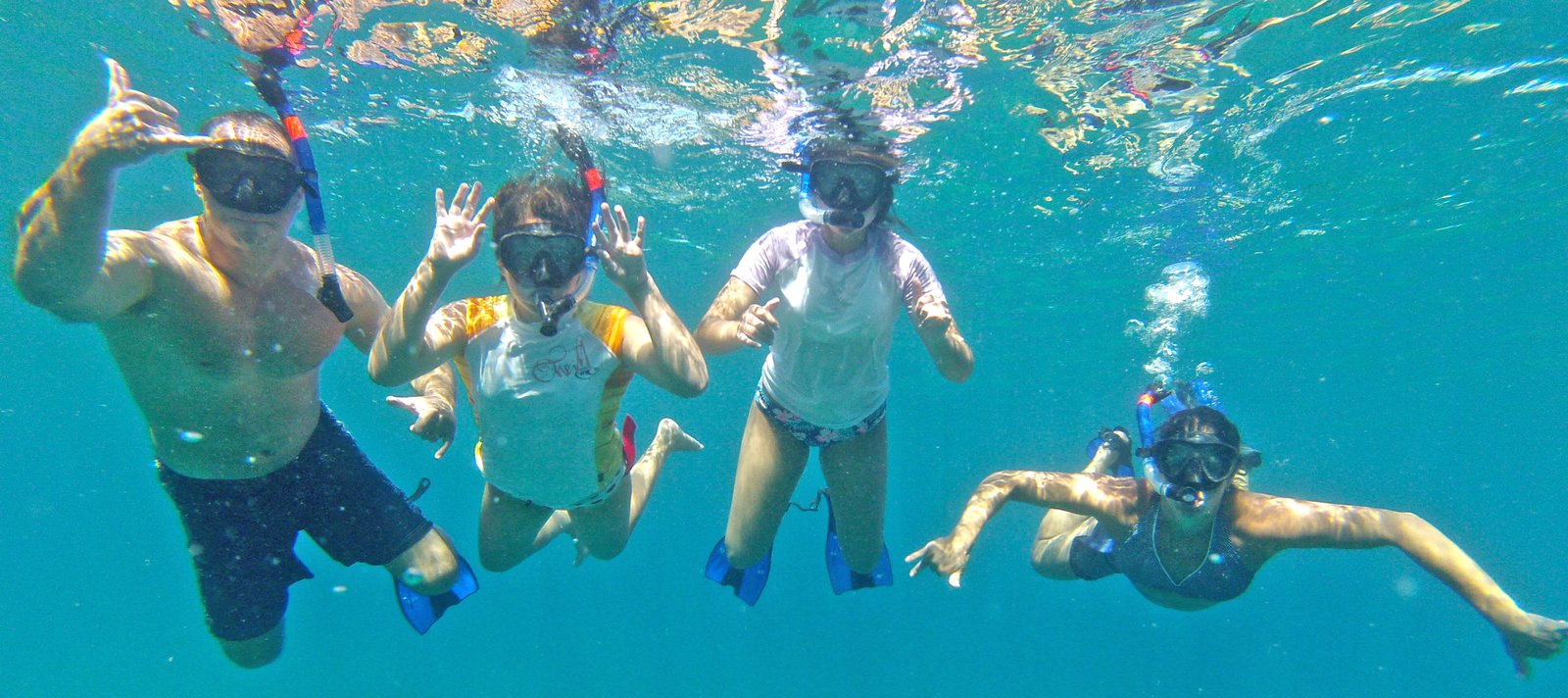
Snuba is a natural step up for kids who already snorkel. Note: Hawaiian green sea turtles are protected, and observers should keep a respectful distance and never chase or touch wildlife.
The general age and ability rule across Hawaiʻi snuba operators tracks Snuba International’s own program structure: Ages 8 and up for the standard snuba experience, per Snuba International’s FAQ, and ages 4–7 for “Snuba Doo,” a shallower program that Snuba International runs as a separate product line where the child wears a flotation vest and stays in the upper few feet of water. Not every Hawaiʻi operator offers Snuba Doo. Confirm before you book if you’re traveling with kids under 8. You should be comfortable in the water and able to swim. Expect operators to assess water comfort during check-in and the pre-dive briefing. If a family member is anxious in the ocean, the snorkel version is the right starting point. Health restrictions are similar to scuba’s. Per Snuba International, pregnancy, recent ear surgery, asthma, and certain heart and lung conditions are common reasons participants are asked to skip snuba. Most operators send a medical questionnaire in the booking confirmation email. If you check yes on anything, expect them to ask for a doctor’s note before the trip. Don’t fly within 24 hours of doing snuba. The activity involves breathing pressurized air at depth, and the same flying-after- diving guidance that applies to scuba applies here. DAN (Divers Alert Network) publishes the standard guidance most operators reference, and Snuba International’s own FAQ recommends waiting 12–24 hours depending on depth and duration.
Where snuba runs in Hawaiʻi
Snuba shows up most consistently on Maui and the Big Island, where the protected leeward reefs are calm enough to make a tethered shallow dive reliable through summer. Oahu and Kauai have fewer year-round options, and what’s listed on aggregator sites tends to come and go season by season. Lānaʻi sees snuba mainly through Maui-departing catamaran tours that include a Lānaʻi snorkel stop. Molokaʻi has no regular visitor snuba product that we’ve been able to verify. Always confirm directly with the operator (or use the booking platform’s cancellation terms) before you build a tour into your itinerary.
Maui — west side reefs and current boat departures
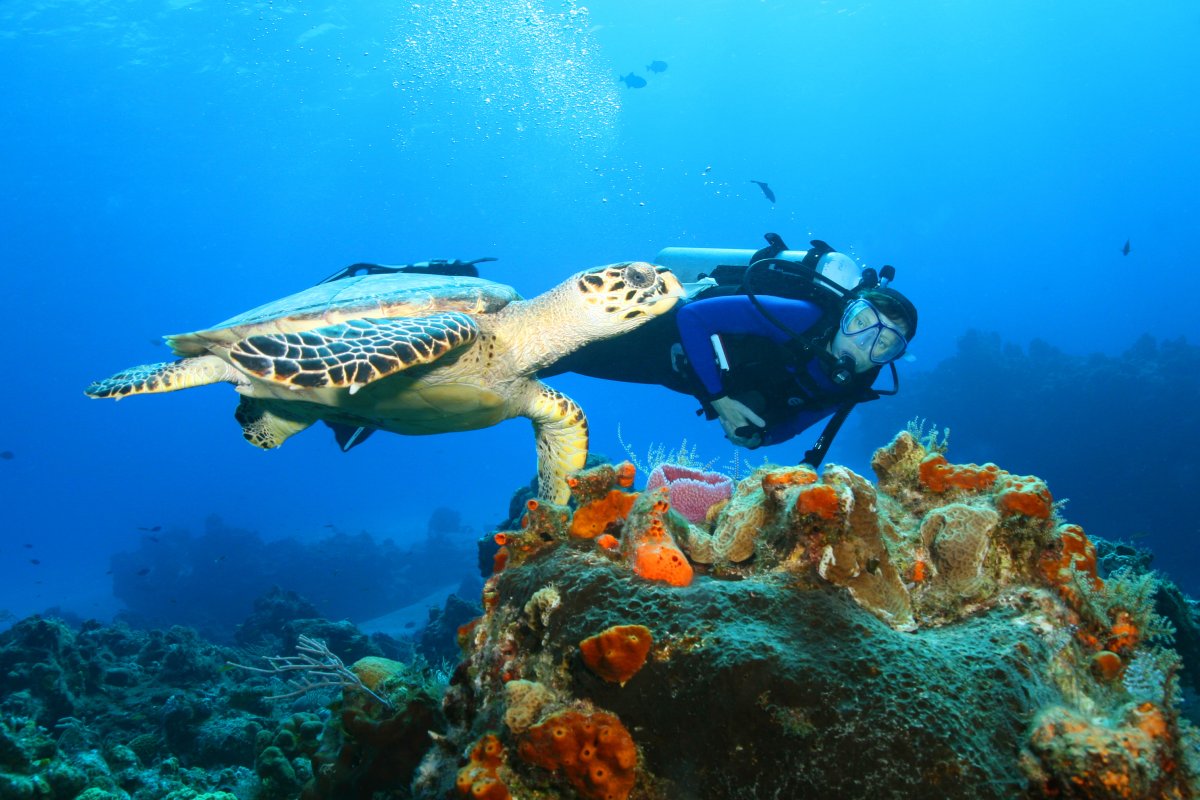
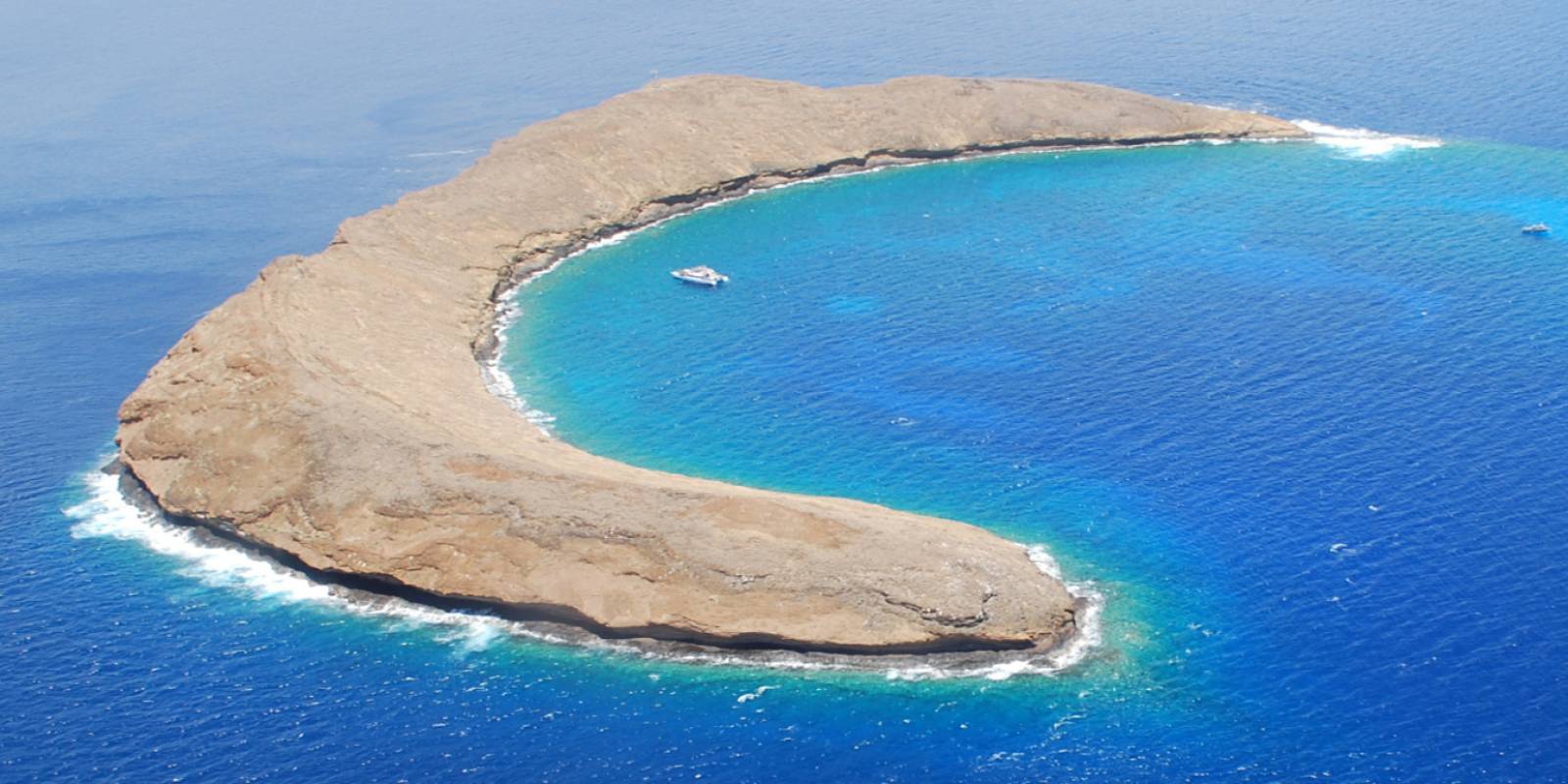
West Maui reef zones (Olowalu, Kāʻanapali, Mala Wharf) are the most common snuba environment in Hawaiʻi: flat morning water, shallow coral structure, and easy beach or boat entries.
West Maui is the headline snuba destination in Hawaiʻi. The coast between Olowalu and Kāʻanapali sits in the lee of the West Maui Mountains, which blocks most of the trade-wind chop and keeps morning water glassy through the summer. Snuba here runs in two formats. The first is shore-entry snuba. You meet your instructor at a calm beach, suit up on the sand, and walk out to the snuba float. Snuba Maui, the most established operator on the island, lists their meeting location as Kāʻanapali Beach near the Sheraton’s Black Rock. The second format is boat-snuba: a Molokini- or Lānaʻi-bound catamaran adds a snuba option to its standard snorkel itinerary, so a non-certified family member can step below the surface without booking a separate dive trip. Operator inventory on this coast shifts season to season, so rather than commit to a name that may have changed by the time you read this, search current Maui inventory on Viator’s Maui water-sports listings filtered for “snuba,” and confirm the meeting point on the operator’s booking page before you click Book. A note on harbors: per the Hawaiʻi DLNR Division of Boating and Ocean Recreation, Lahaina Harbor sustained major damage in the August 2023 wildfire and is rebuilding into 2026. Most boat-snuba departures have shifted to Māʻalaea or to Kāʻanapali Beach. Check the current departure point at booking, not at the operator’s homepage.
Big Island — Kona coast
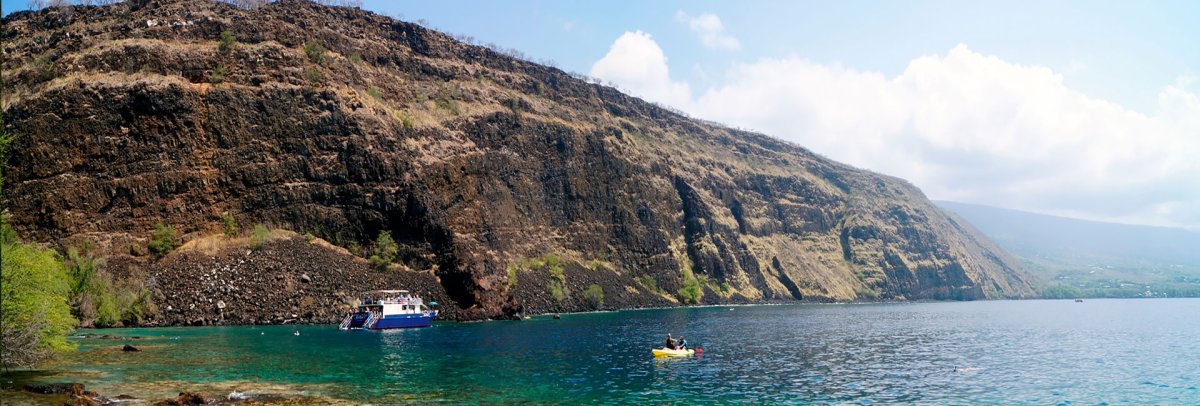
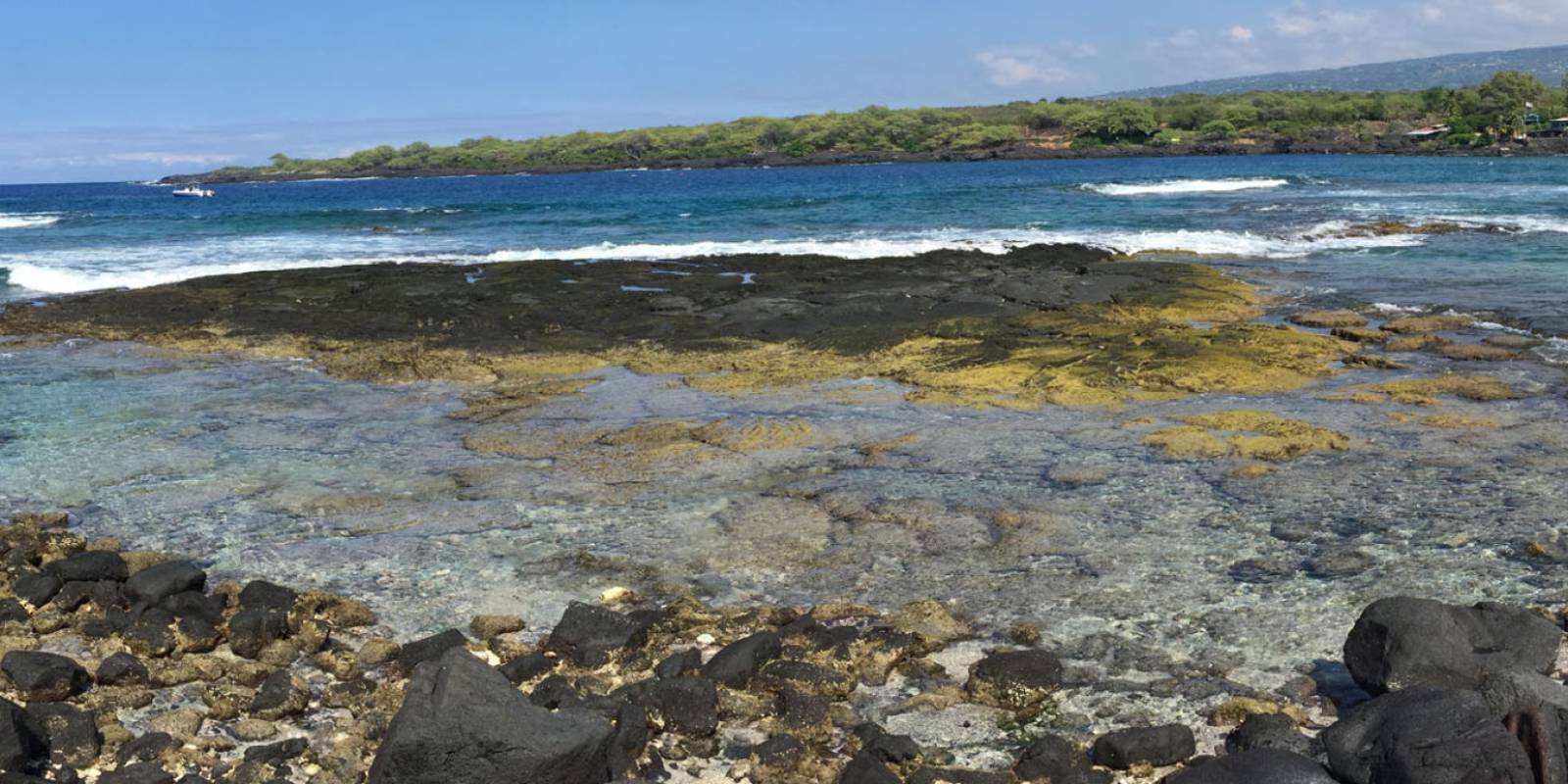
The Kona coast often has glassy summer mornings, the same conditions that make it a reliable snuba environment.
Kona often has calm summer mornings, which is why pretty much every water activity that needs flat conditions tends to anchor here. Snuba on the Big Island generally runs as an add-on to a morning catamaran snorkel sail rather than as a stand-alone shore-entry product the way it does on Maui. The pattern is the same: certified divers get scuba, snorkelers stay on the surface, and group members who want the underwater experience without certification step up to snuba on the same boat. A handful of catamaran operators out of Honokōhau Harbor, Keauhou Bay, and Kailua Pier offer this combination. Kona Snuba is one example of a dedicated Honokōhau departure. Browse current Big Island inventory on Viator’s Big Island water-sports listings and look for tours that explicitly list snuba as an upgrade option.
Oahu and Kauai — limited and seasonal
Snuba availability on Oahu and Kauai has been intermittent for several years. Some boat operators offer it occasionally as part of multi-stop snorkel charters, but it isn’t a reliable plan-around activity on either island. If you’re set on snuba and your itinerary includes Oahu or Kauai time, the safer approach is to plan it for your Maui or Big Island days, and use Oahu and Kauai for snorkel-from-shore experiences instead. Viator’s Oahu snorkeling page and Viator’s Kauai snorkeling page are the right place to check current snuba inventory if your dates are flexible.
What a snuba day actually looks like
Whether you’re shore-entry on Maui or boat-snuba on the Big Island, the structure is roughly the same. Operator-published itineraries from Snuba Maui and Kona Snuba give the rough timing below. Pre-dive briefing. The instructor reviews equipment, hand signals, ear equalization on descent, and what to do if your regulator gets knocked out of your mouth. You’ll also get fitted for mask, fins, and a weight belt. Plan on roughly 20–30 minutes. Surface familiarity. Before going down, you’ll breathe from the regulator at the surface so you can confirm the gear works the way the briefing described. Most people are surprised at how easy this part is. The regulator behaves the same as a snorkel tube, just with an audible click as you inhale. Descent and underwater time. Pairs of divers descend together, tethered to the same raft, with the instructor alongside. You’ll equalize your ears every few feet, the same technique used on a flight or a swimming-pool dive. Snuba Maui lists about 30 minutes of underwater time and Kona Snuba lists 20–25 minutes, so plan on roughly 20–35 minutes in the water depending on operator. At 15–20 feet, you can swim freely along the reef inside the radius of the hose, watching turtles and reef life from a respectful distance. Hawaiian green sea turtles (honu) are protected under federal and state law: don’t chase, touch, or block them, and stay several feet away. Surface and gear-out. You’ll come up slowly, hand off the gear, and spend the rest of the boat trip (if it’s a boat trip) snorkeling, eating lunch, or sitting in the sun. Total time commitment is around 1.5–2 hours for a shore-entry snuba session per Snuba Maui, and roughly 4–5 hours for a boat-snuba combo on a typical half-day Maui or Kona snorkel sail.
What to bring
Operators provide all the in-water gear. What you bring matters less than what you wear and how you’ve prepared. Reef-safe mineral sunscreen. Per the Hawaiʻi Department of Health, Hawaiʻi restricts the sale and distribution of sunscreens containing oxybenzone and octinoxate because of documented reef damage. Snuba puts you directly above and around live coral, so apply mineral SPF according to the label’s directions before you head to the meeting point, and reapply as the label specifies. A mineral SPF 50 stick is easy to keep in a beach bag for top-ups. Rash guard or swim shirt. NOAA water-temperature data for Hawaiʻi shows summer surface temperatures averaging roughly 79–82°F, which is warm enough to skip a wetsuit but cool enough that a long session underwater can start to feel chilly toward the end. A UPF 50 rash guard handles both temperature and the lingering reef-burn risk that comes from hovering over coral. Dry bag for your phone, wallet, and car keys. On a shore-entry snuba, your gear sits at the waterline for the duration of the session. A 10-liter dry bag holds two phones, a wallet, and a small towel. Equalizing-friendly head, if possible. If you’re stuffed up the day of the trip, descending 20 feet will hurt your ears, and the instructor will turn you around. There’s no harm in postponing. Most operators allow free reschedules with reasonable notice.
How to book a Hawaii snuba tour
A clean booking pass for a Hawaiʻi snuba tour looks like this: 1. Pick the island. Maui for shore-entry options and west-side reefs. Big Island for catamaran-based combos out of the Kona coast. 2. Confirm age and medical eligibility. Standard snuba starts at age 8 per Snuba International. For kids 4–7, ask whether the operator runs Snuba Doo. Pre-flag any medical conditions on the questionnaire so you aren’t surprised at check-in. 3. Verify the departure point. Especially on West Maui, where Lahaina Harbor is still rebuilding. Don’t trust the operator’s homepage. Trust the booking confirmation. 4. Read the cancellation terms. Weather windows shift, and a snuba day can get rolled into a snorkel-only day if conditions change. A free reschedule policy is what you want. 5. Check current pricing on the booking page. Pricing ranges in any guide article are dated within weeks. The operator’s own booking flow is the source of truth.
Booking lead times for summer 2026
Snuba is a smaller-volume activity than the headline snorkel sails or luaus, which means specific morning slots can sell out ahead of time in summer even when there’s plenty of catamaran capacity in general on the same coast. Treat the windows below as planning guidance based on our own observed booking patterns, not as guaranteed availability. West Maui shore-entry snuba: a few weeks ahead in summer, especially for the earliest morning slots when the water is calmest. If you’re flexible on time of day, last-minute slots open more often. Boat-snuba on Maui or the Big Island: roughly a month ahead. The catamaran itself is the constraint, not the snuba upgrade. These tours sell out at the boat-capacity level, and the snuba option adds a small premium per person. Snuba Doo (kids 4–7): confirm availability with the specific operator before you book non-refundable flights around it. Not every Hawaiʻi snuba operator runs the kids’ program every day. For broader timing across other Hawaiʻi tour categories (helicopter, Na Pali, Molokini, etc.), our Hawaii Tour Booking Lead Times: Summer 2026 guide is the right next read.
How snuba prices compare
Pricing varies by operator and shifts with the season, so treat these as rough planning ranges based on operator pages we’ve checked. The booking link is always the source of truth. Shore-entry snuba tends to run roughly $99–$130 per person for a half-day session. Kona Snuba lists rates near the bottom of that range, and Snuba Maui sits in the middle of it as of this writing. Boat-snuba combos are priced as a catamaran tour plus a snuba upgrade. The catamaran ticket itself runs roughly $150–$220 per person on tours like the Alii Nui Molokini snorkel sail, with a snuba upgrade in the $50–$80 range (Alii Nui currently lists around $69, and Sea Quest Hawaii on the Big Island lists around $79). For comparison, an introductory scuba session (“Discover Scuba”) starts around $199 from shore at Maui Diving Scuba Center. Boat-based intro options run higher: Jack’s Diving Locker on the Big Island lists their Discover Scuba in the $325–$425 range depending on whether the second dive is from shore or by boat. Snuba lands between basic snorkel and intro scuba in both price and depth.
Renting a car
Snuba meeting points vary. Some sit inside resort zones (Snuba Maui meets on Kāʻanapali Beach near the Sheraton, which is walking distance from several West Maui hotels). Others require a drive: Big Island boat-snuba typically leaves from Honokōhau Harbor or Kailua Pier, which are a short drive north of the Kailua-Kona resort row, and Maui boat-snuba mostly departs from Māʻalaea Harbor, which is closer to Kīhei and Wailea than to the Kāʻanapali side. Operator shuttle availability varies and is often an extra cost when offered, so check the booking page. For most snuba days, a rental car is the simpler option and gives you the afternoon back for the beach. If you haven’t locked in a vehicle yet, Discount Hawaii Car Rental is the aggregator we use on our own trips. They pull from the major Hawaiʻi rental brands, and per their own FAQ they hold reservations with no deposit and let you cancel free. That’s the right shape for a tour day that might shift if the weather window does.
When to skip snuba and pick something else
Snuba isn’t always the right pick. A few cases where another activity is better: Everyone in your group is already scuba certified. Just do the certified scuba dive. Same boat, more depth, more time underwater. Anyone in your group is genuinely anxious about being underwater. Stay snorkeling. The shore-entry snorkel sites along West Maui (Kāʻanapali Black Rock, Honolua Bay in summer, Olowalu) and the Kona coast (Kahaluʻu Beach Park, Two Step at Honaunau) will give you most of the same fish and turtle sightings without the underwater commitment. You only have a half-day available and have never seen a Hawaiian reef before. A guided snorkel from shore covers more ground in less time and lets you take photos with a phone in a waterproof case. Snuba is best when you’ve already snorkeled at least once and want to step it up. You want to see manta rays. The Kona manta ray night snorkel is a separate experience that happens at the surface. Snuba isn’t part of how that activity is structured. Per the Manta Pacific Research Foundation, mantas come up to feed on plankton attracted by the boats’ surface lights, so going underwater isn’t actually the right way to see them anyway.