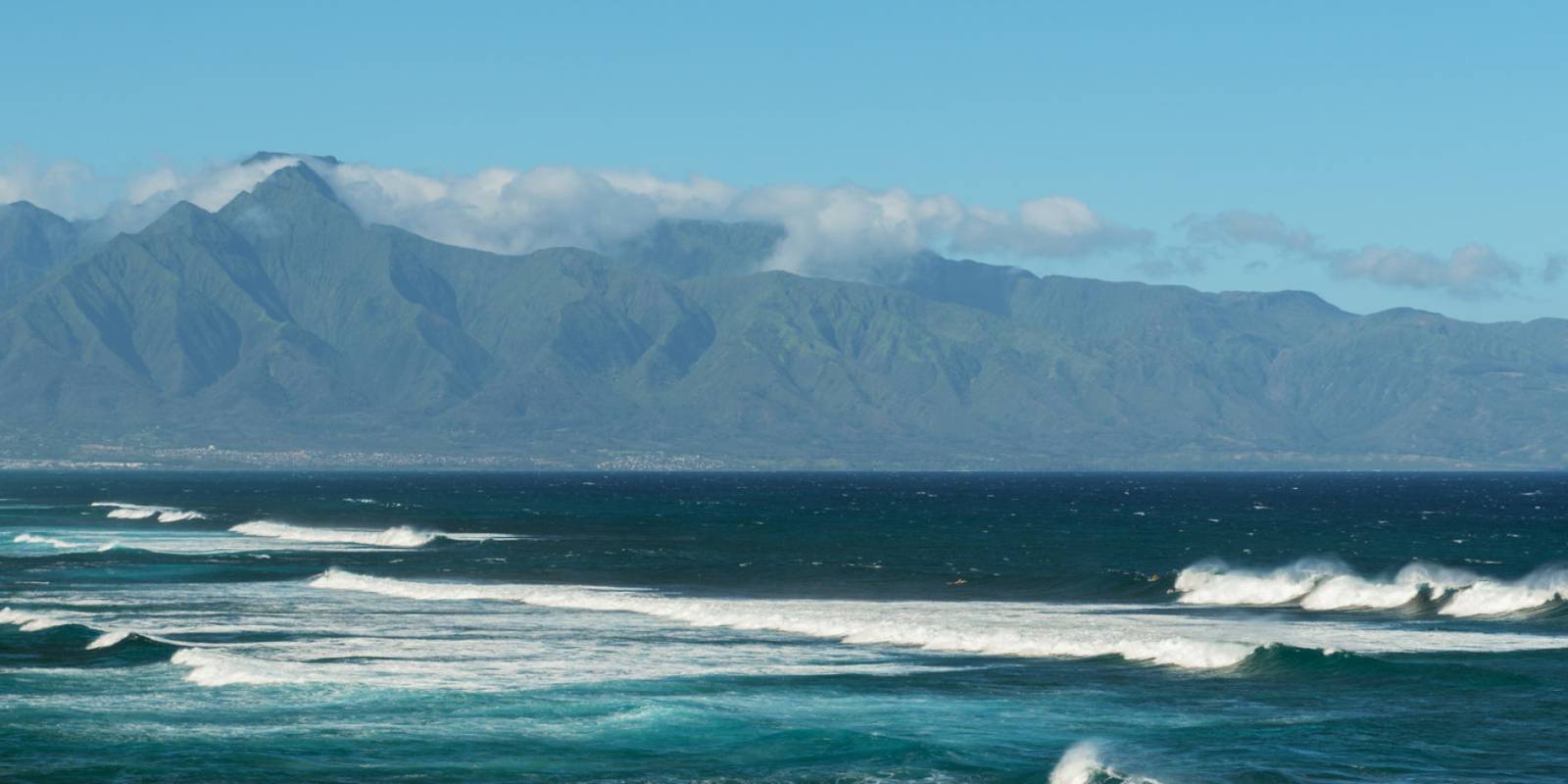

Hawaii windsurfing and kiteboarding run on one engine: the northeast trade winds that dominate from May through September, according to the National Weather Service Honolulu. At prime wind-sport spots on Maui's north shore, afternoon trades commonly blow 20 knots and up. Add a shallow reef that shapes clean waves and a cliff that doubles as a grandstand, and you get a small piece of coast that schools, pros, gear testers, and magazine photographers visit on rotation.
Most travelers will never put a kite in the air or step onto a windsurf board. That's fine. Watching from the Ho‘okipa cliff costs nothing and can anchor a full Maui afternoon. A few of you will catch the bug and want a lesson. This guide covers both: viewing, learning, and what summer trades mean for your trip.