
Heads up: this article includes affiliate links. We earn a small commission if you book through them, at no extra cost to you. Thanks for supporting Hawaii Guide.
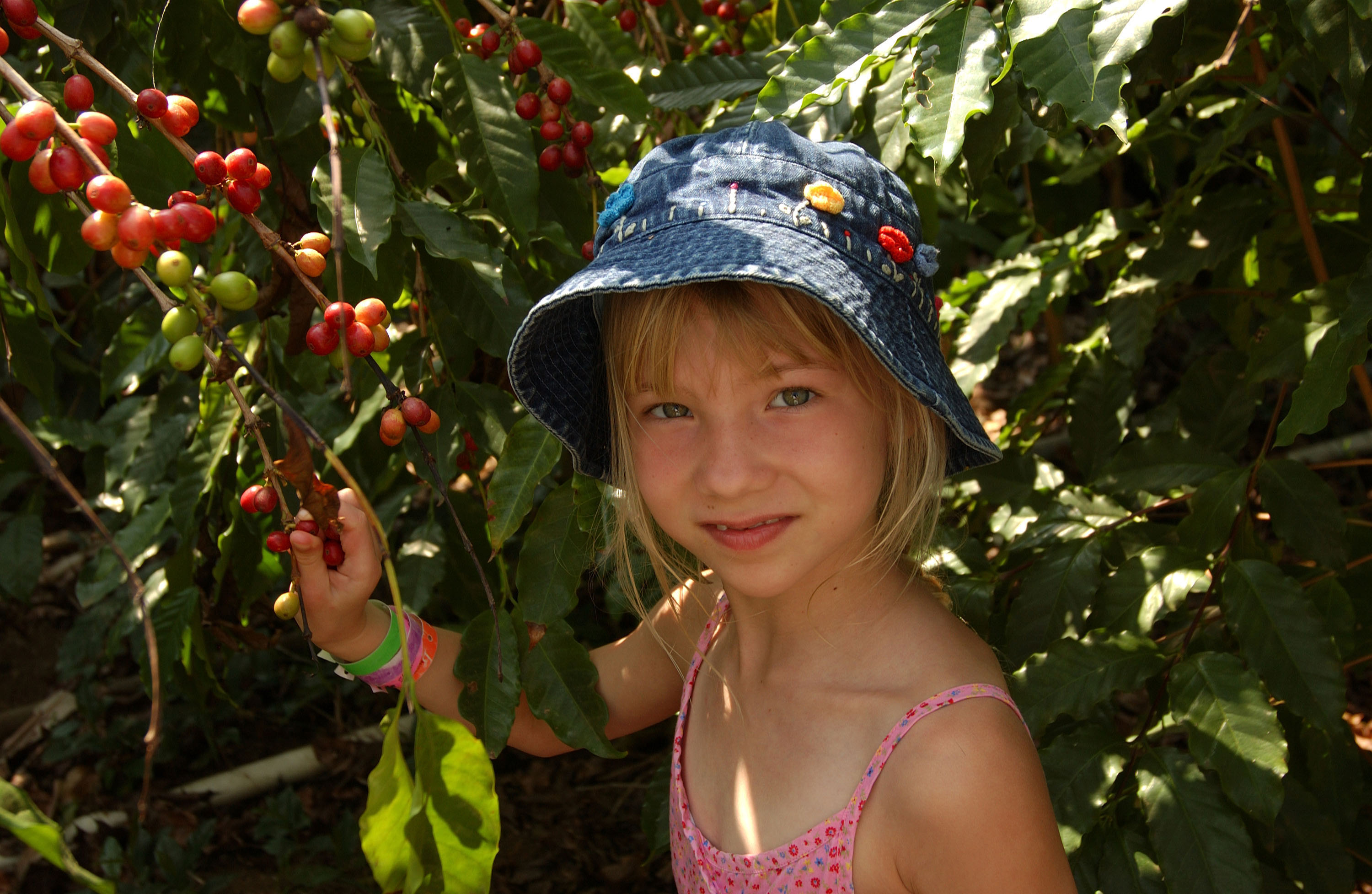
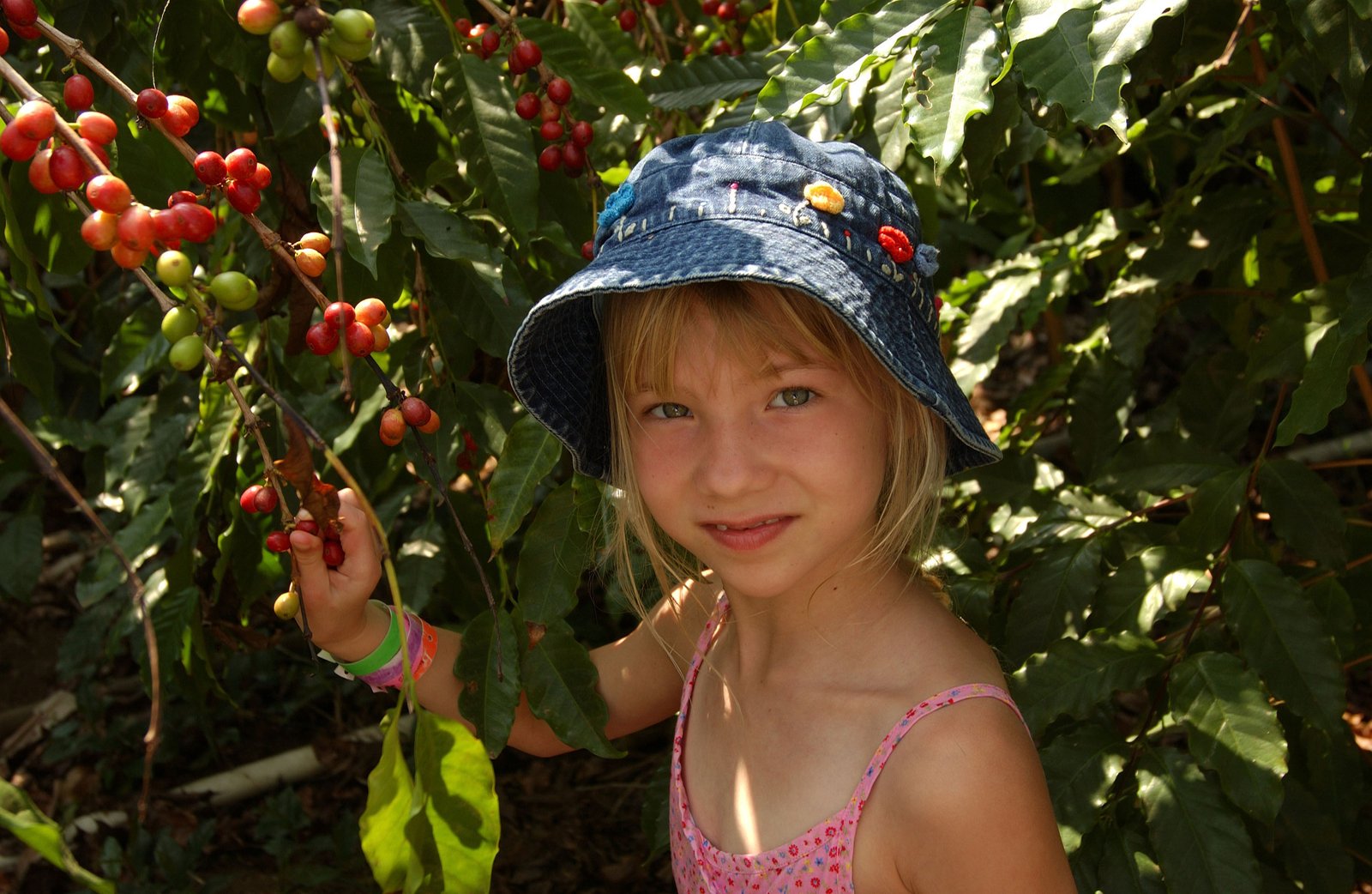
Kona coffee harvest season is the version of a Big Island farm tour most visitors never see. Most people who tour a Kona farm do it in spring or early summer, when the trees are quiet — green leaves, small green cherries, not much happening. That is a perfectly fine farm tour. But it is a different farm than the one a fall visitor walks onto. From late summer through early winter, the same trees are loaded with bright red cherries, pickers are working the slopes by hand, processing mills are running daily, and you can taste fresh-roasted single-origin lots that did not exist three weeks earlier.
Harvest in the Kona Coffee Belt typically runs from August through January, with the heaviest picking in September, October, and November. Kaʻū, the smaller growing region on the southern slopes of Mauna Loa, runs on an overlapping but later-extending calendar — harvest there stretches from late summer into early spring. That window is also when the annual Kona Coffee Cultural Festival takes over the district — one of the oldest continuously held food festivals in Hawaiʻi, organized around the same harvest you came to see.
Here is how to time a Big Island visit to match harvest, what looks and tastes different in fall, and how the Cultural Festival adds another layer worth knowing about before you book.