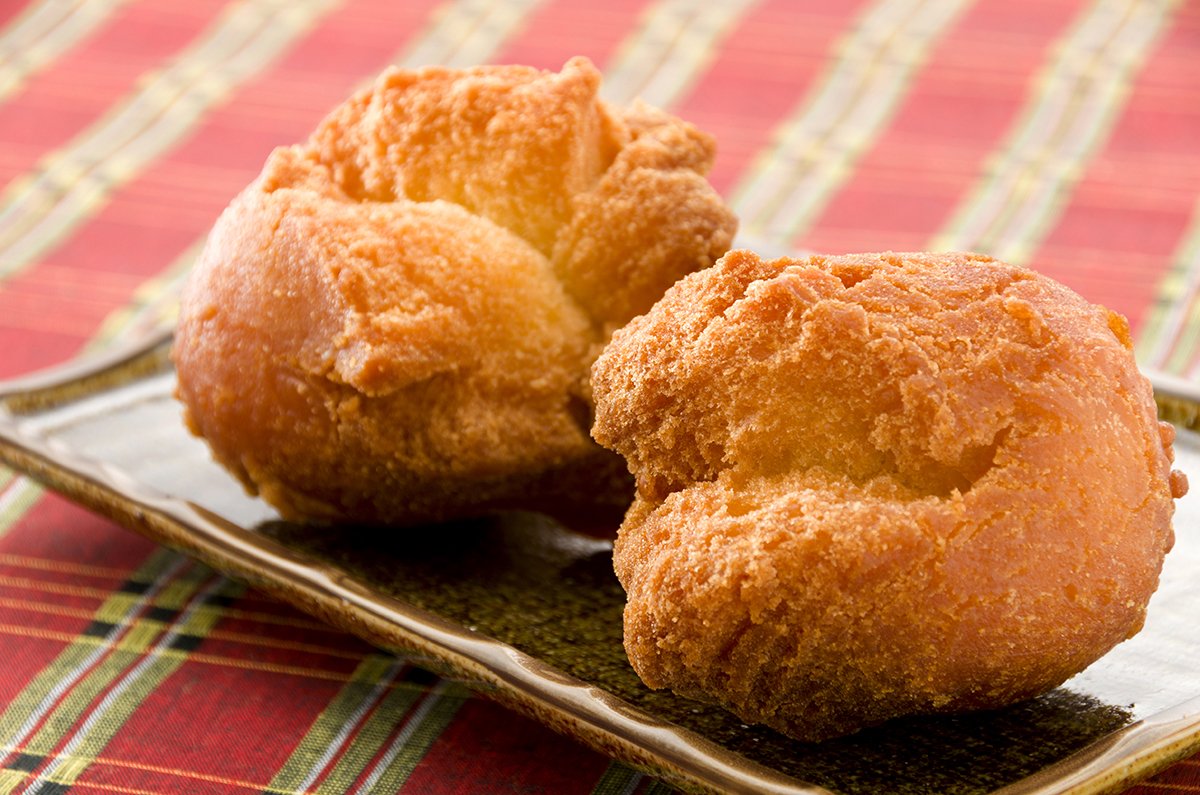

The Okinawan Festival returns to the Hawaiʻi Convention Center in Honolulu on September 5 and 6, 2026 — Labor Day weekend, the 44th year of the run. The June update is useful for travelers because the official site now lists hours, parking options, and the companion FEASTival dates. Two days of Okinawan food, music, dance, and a bon dance finale that fills the hall. The festival hands out more than 100,000 andagi across the weekend, which gives you a sense of the scale. It is also different this year, for a reason worth knowing before you make plans.
The 2026 festival: when, where, and what's changed
The dates are Saturday and Sunday, September 5–6, 2026, at the Hawaiʻi Convention Center (1801 Kalākaua Avenue), at the Waikīkī end of Honolulu. The current posted hours are Saturday 10 AM to 5 PM, Sunday 10 AM to 4 PM, with paid early admission from 9 AM to 10 AM both days. A Saturday evening bon dance is part of the posted festival plan, but confirm the final start time on the official schedule before building your evening around it. Plan around this: the organizers say 2026 will be a scaled-down, modified festival while the Convention Center renovates its lobby and third-floor ballrooms, per the official festival site. That does not mean skip it. It means go in expecting a tighter footprint than past years, and confirm the schedule close to the date rather than assuming the full-scale layout you may have seen before. The festival is run by the Hawaiʻi United Okinawa Association (HUOA), the umbrella group for the islands’ Okinawan clubs. The official admissions page lists single-day general admission at $10 for adults, $5 for seniors 65+, and free entry for children 12 and under. Two-day general admission is listed at $16 for adults and $8 for seniors. Early admission costs more because it gets you inside from 9 AM to 10 AM, before the regular crowd. Still check the official admissions page before buying, because ticketing links can change close to the event.
A century-plus of Uchinanchu Hawaiʻi
The festival makes more sense once you know who is throwing it. The official festival site frames the gathering against the long arc of Okinawan immigration to Hawaiʻi, beginning with the arrival of twenty-six men in Honolulu on January 8, 1900. The festival is not just entertainment; it is a public doorway into a community that has been part of Hawaiʻi for more than a century. Okinawa is the largest of the Ryūkyū Islands, with its own language, music, and food distinct from mainland Japan — which is why descendants here call themselves Uchinanchu rather than simply Japanese. The festival is the community’s once-a-year open house: proof that a plantation-era immigrant culture did not just survive in Hawaiʻi, it became part of the island fabric. If you have read our guide to the islands’ plantation heritage towns, this is the living, eating, dancing version of that same story.
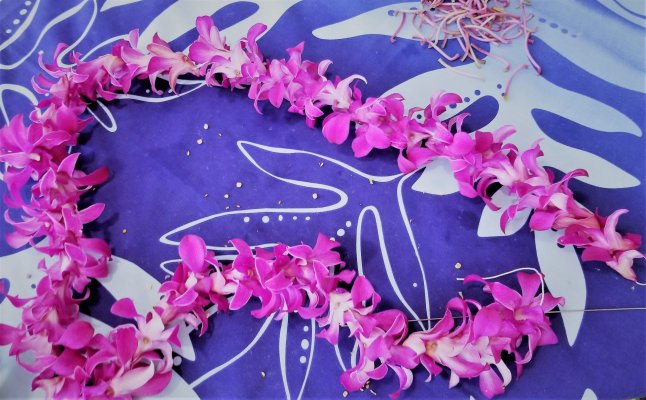
Like most gatherings in Hawaiʻi, the festival leads with welcome — visitors are not just tolerated here, they are the point of opening the doors.
The food is the headliner — start with andagi
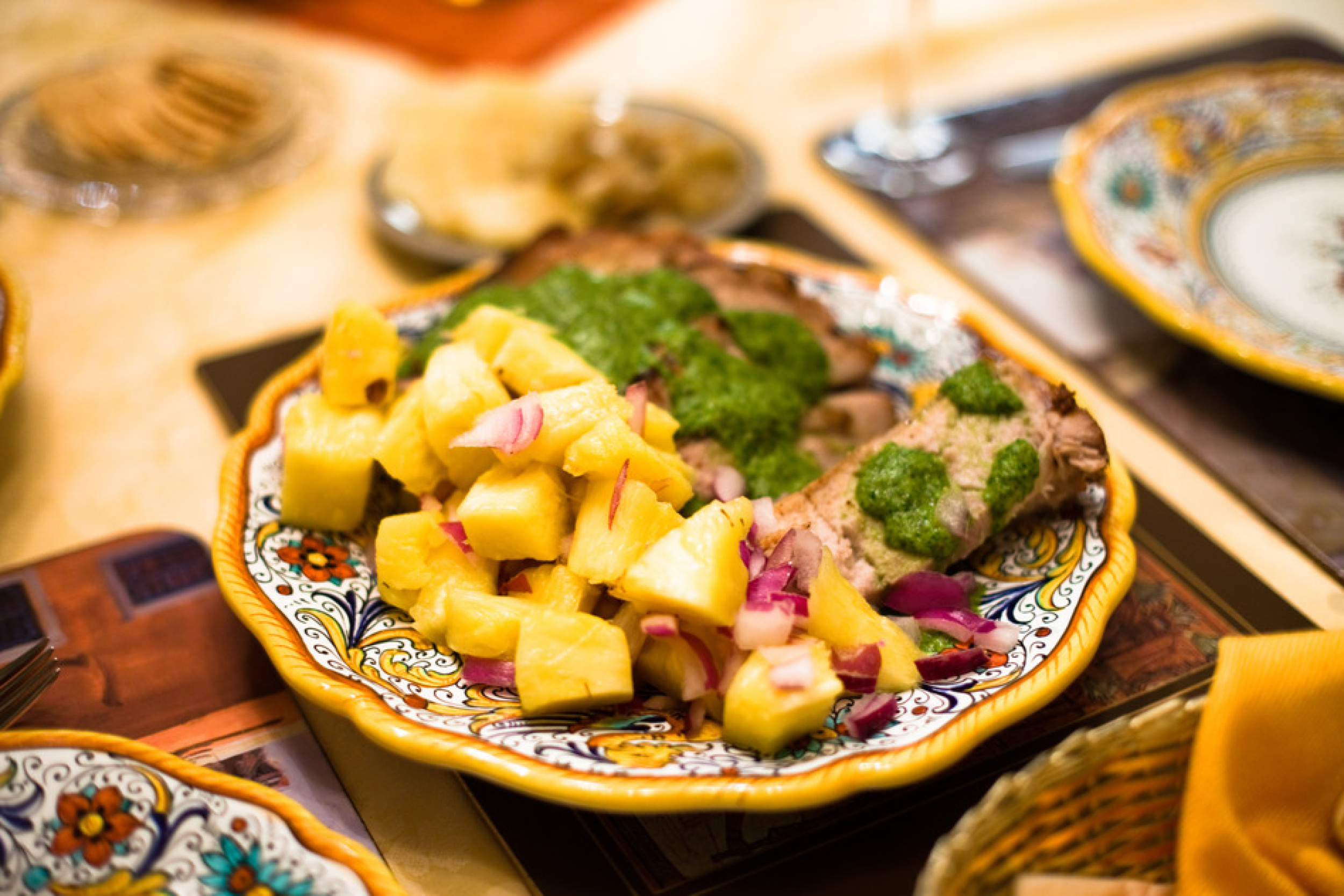
Ask anyone who goes and the answer is the same: andagi. These are Okinawan deep-fried doughnuts — crisp outside, cake-soft inside — and volunteers hand-drop and fry well over 100,000 of them across the weekend, per the festival coverage in Honolulu Magazine. Watching the line of cooks drop perfectly round balls of batter into the oil is half the show. Beyond the doughnuts, look for the andadog (andagi batter around a hot dog), Okinawa soba, specialty goods, and Okinawan cultural booths. If the festival weekend does not line up with your trip, the community also runs a companion Okinawan FEASTival from September 7 through 21, according to the official festival site. Check the restaurant list if you want to taste Okinawan cooking off the festival floor. For the rest of your eating on the island, our Oʻahu dining guide covers the spots worth the drive.
Music, dance, and the bon dance finale
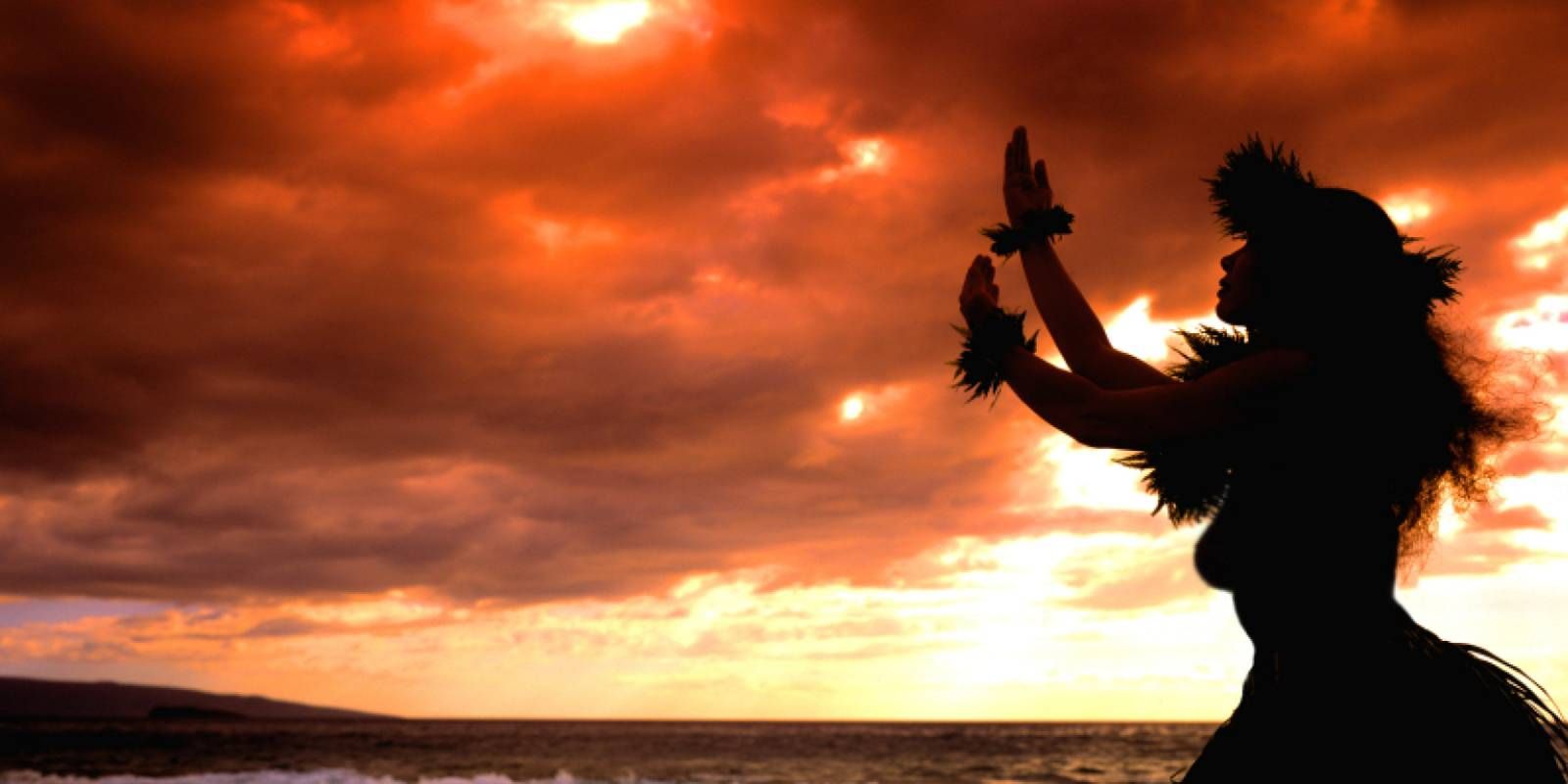
The stage runs all weekend: eisā drumming, the three-stringed sanshin, taiko, and folk dance from the Okinawan clubs. The closer is the bon dance — billed as the state’s largest indoor bon dance, per Hawaii News Now — where the crowd is invited into the circle. You do not need to know the steps. You follow the person in front of you, and that is the whole idea. If the rhythms feel familiar, it is because bon dance season runs across Hawaiʻi all summer at temples on every island. We break down where and how in our Hawaiʻi Obon and bon dance season guide.
Getting there and making a weekend of it
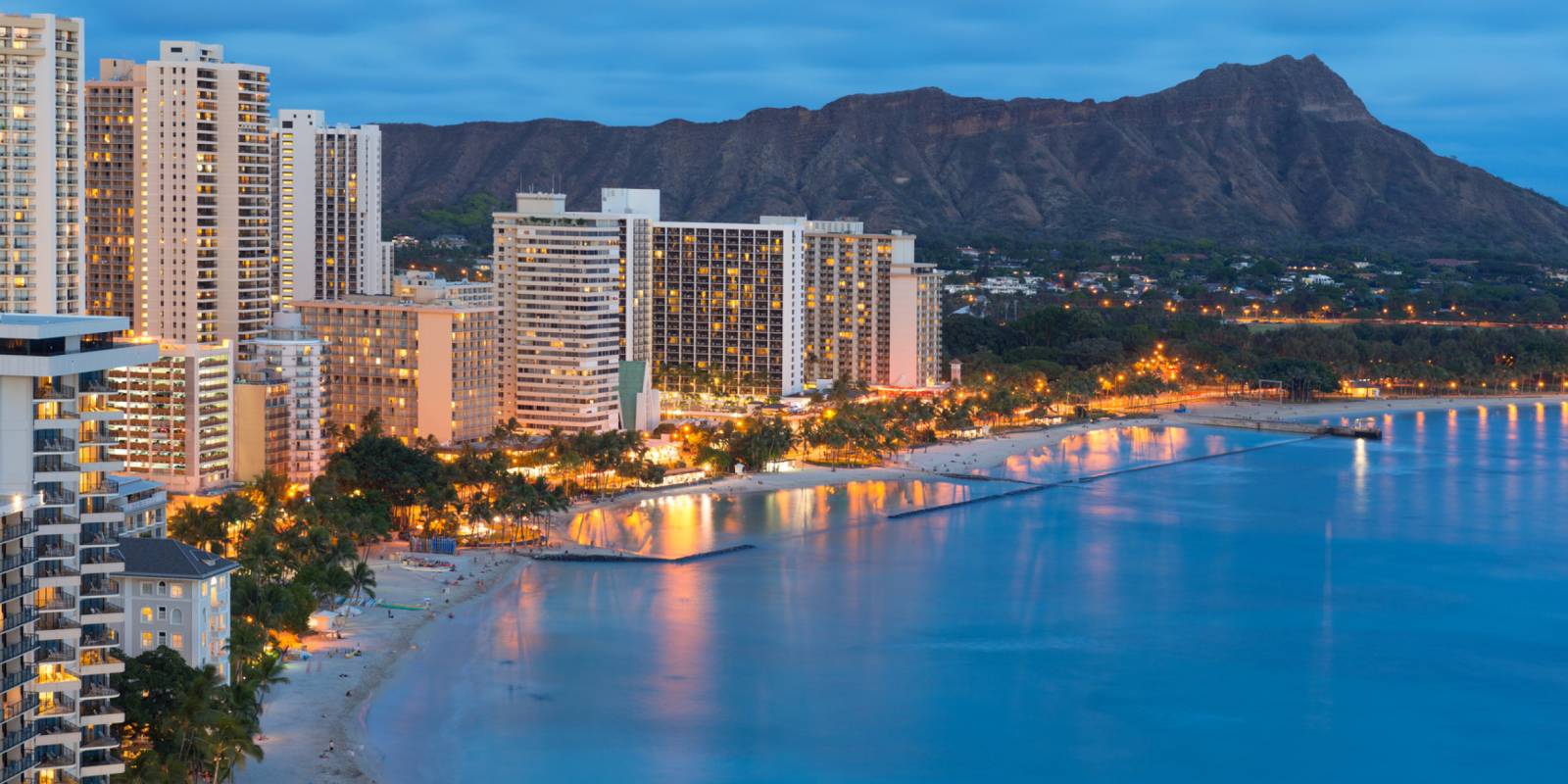
The Convention Center sits at the edge of Waikīkī, so if you are staying in or near Waikīkī you can walk or take a short ride and skip the parking crunch entirely. The festival’s transportation page is the page to check before driving, because Convention Center renovation work can change on-site parking availability. That walkability is the case for basing yourself in town rather than out near the airport.
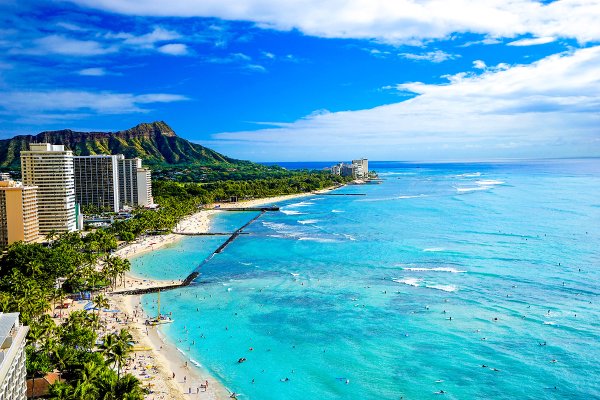
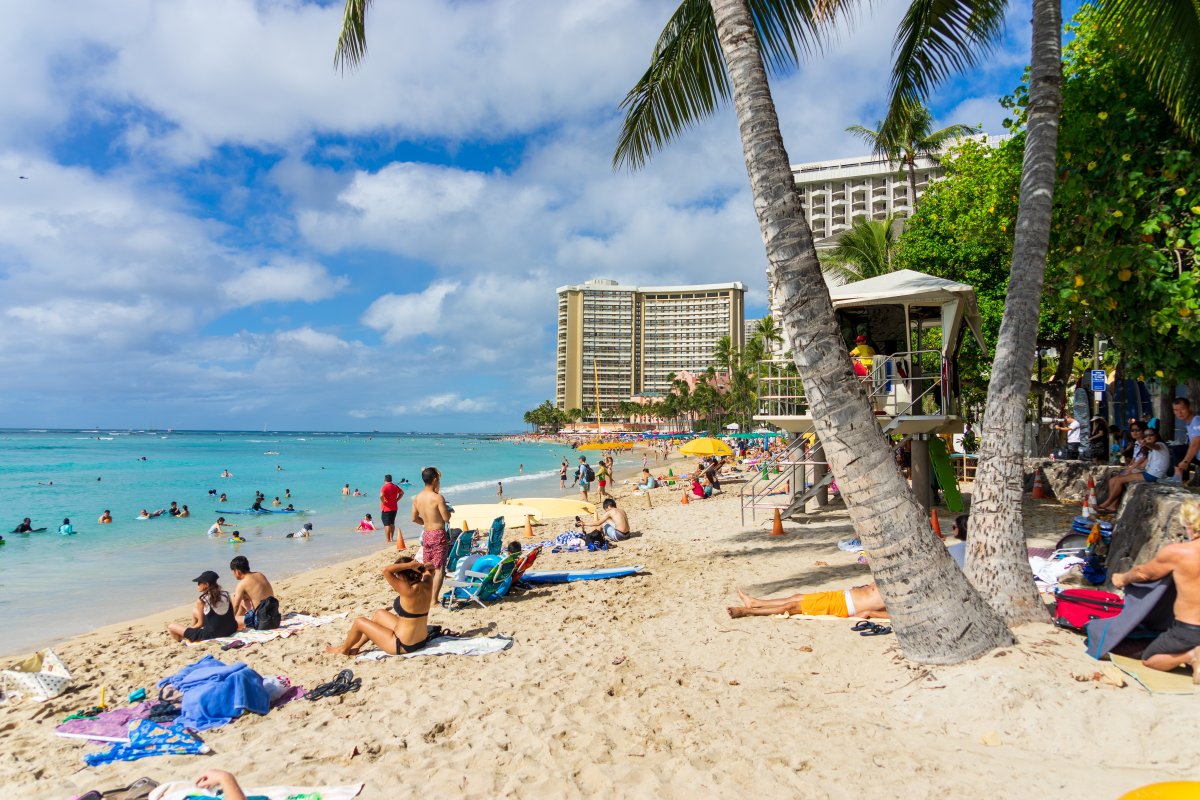
The venue is a short walk from Waikīkī — easy to pair a festival afternoon with a morning on the sand.
Make it a full weekend. Knock out a beach morning, spend the afternoon at the festival, and use the evening for the rest of Honolulu — our things to do on Oʻahu guide has the shortlist. If you are coming from outside Waikīkī, the festival transportation page points to TheBus routes 2, 3, and 13 as useful Convention Center connections. There is also free parking at the Frank F. Fasi Civic Center with a free shuttle to the festival, and a $5 ticket for the return trip on the days the festival runs it. If you would rather have a car for a North Shore or windward day on either side of the festival, book early through Discount Hawaii Car Rental — Labor Day is a holiday weekend, so lock in a rate before inventory tightens.
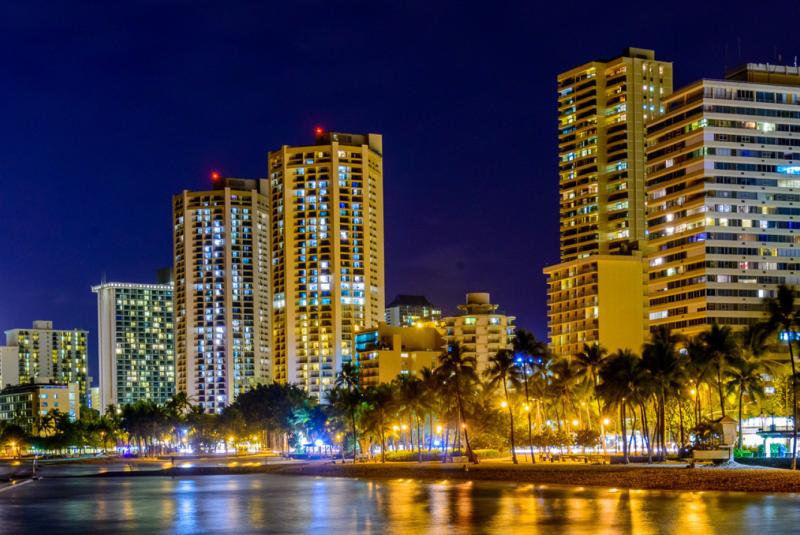
Stay in town and the festival becomes a walk, not a drive — with Honolulu's restaurants and nightlife waiting once the bon dance winds down.
Should you plan a trip around it?
If you are already weighing a late-summer Oʻahu trip, yes. The festival lands on a long weekend a lot of mainland travelers already have off, and it gives an ordinary Honolulu visit a center of gravity. Pair it with our Labor Day weekend in Hawaiʻi guide for crowd and pricing context, and our best time to visit Hawaiʻi breakdown for what early September actually feels like on the ground. Because the 2026 format is in flux: confirm the schedule, hours, and any admission details on the official Okinawan Festival site before you finalize anything. Go hungry, stay for the bon dance, and let somebody hand you an andagi on the way out.