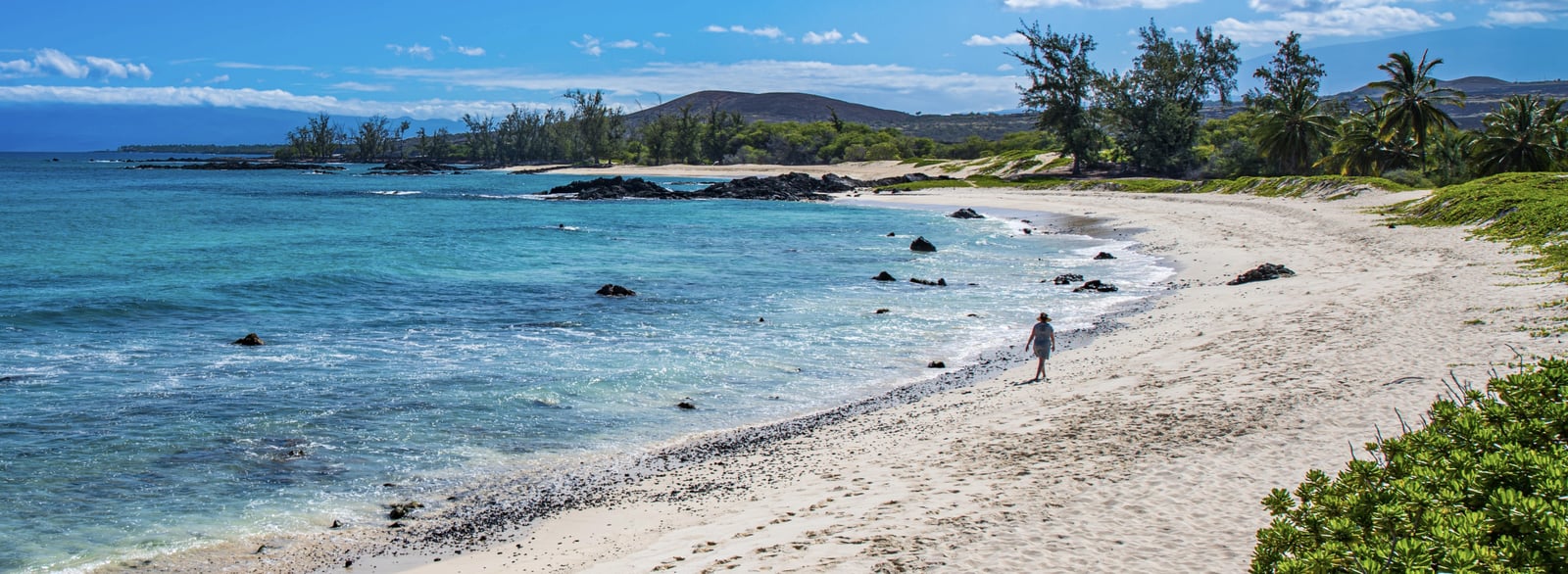

Every Labor Day weekend, Kailua Bay on the Big Island disappears under a fleet of outrigger canoes. The Queen Liliʻuokalani Long Distance Canoe Race brings clubs from across Hawaiʻi, the mainland, and the Pacific to Kailua-Kona for what the host club calls the world’s largest long-distance outrigger canoe race. (Kai ʻŌpua Canoe Club) The 2026 event lands September 4–7, and it’s worth circling on a fall Hawaiʻi trip even if you’ve never picked up a paddle. Here’s how the weekend actually unfolds, the easiest places to watch, and how to put a trip together without scrambling for a hotel the night before.
When the 2026 Race Runs
The 2026 race runs Labor Day weekend, September 4–7, with the open-ocean long-distance races on Saturday and shorter sprint and iron events bracketing the weekend. (Kai ʻŌpua Canoe Club — Queen Liliʻuokalani Race) Kai ʻŌpua Canoe Club out of Kailua-Kona has hosted the race every year since 1972 in honor of Queen Liliʻuokalani, whose birthday falls on September 2. (Kai ʻŌpua — QLCR History) Each year the schedule shifts by a day or two depending on where Labor Day lands, so check the official race page to confirm a final start time before booking flights.
What the Race Actually Looks Like
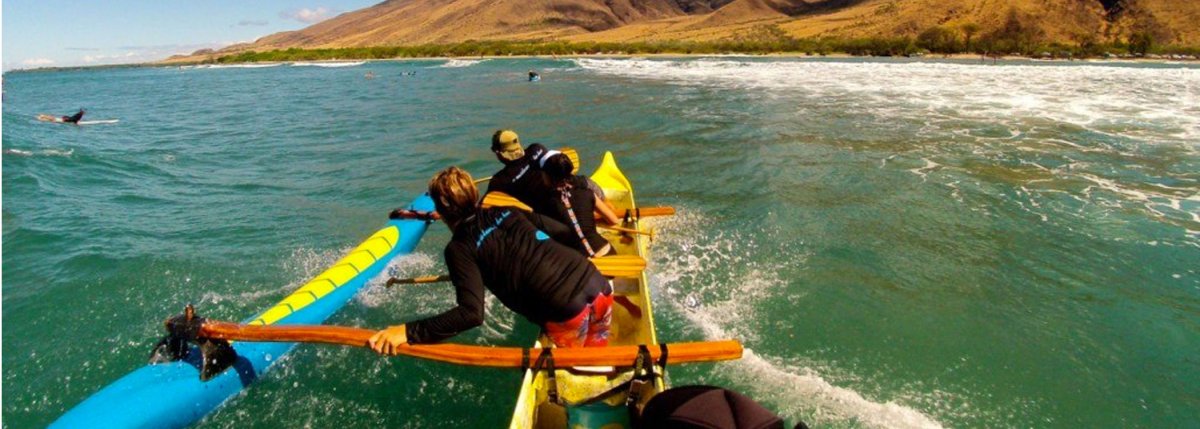
Six-person outrigger crews like these are the heart of the long-distance weekend in Kona.
The marquee event is an 18-mile open-ocean race up the Kona coast, paddled in traditional six-person outrigger canoes (OC-6). It’s a true endurance race. Crews swap paddlers from a chase boat while still moving, and winning iron crews have clocked the course in roughly two to two-and-a-half hours. (Kai ʻŌpua Canoe Club — Race History) Around that headline event the weekend layers in shorter sprint races, a one-person OC-1 distance race, iron-distance categories, OC-2 and OC-4 events, and youth and masters divisions, so the bay sees boats from sunrise through the afternoon across the weekend. (Kai ʻŌpua Canoe Club) The cultural side is the part people don’t expect. The host club runs a hoʻolauleʻa with hula, live Hawaiian music, food booths, and craft vendors at Kamakahonu Beach, on the same beach the races start from. (Kai ʻŌpua Canoe Club) The cultural fair is free to attend. Show up with a folding chair, a hat, and a few bills for shave ice and you’ve got a full day.
Where to Watch (For Free)
The single best free spot is Kamakahonu Beach, the small protected cove next to the Kailua Pier in downtown Kailua-Kona. The races start and finish here, the awards ceremony happens here, and the hoʻolauleʻa fills the beach park. Arrive early. Paddlers, families, and spectators all converge on the same few blocks of Aliʻi Drive, and parking goes first. The municipal lot at Hualālai and Kuakini fills earliest; walking from a few blocks south on Aliʻi is the easier play. The other vantage is along Aliʻi Drive itself, the shoreline road that traces the Kona coast south of the pier. The course runs north of the pier toward Honokōhau Harbor and back, so the long-distance crews are visible from any oceanside pullout near Kailua Bay during the morning. (Kai ʻŌpua — Course Maps) Bring binoculars if you want to track individual crews; from shore the canoes look small once they’ve worked out into open water. If you want a quieter watching spot, drive south to the Holualoa or Keauhou shoreline and find a roadside pullout. The course doesn’t extend that far, but the same fleet practices and warms up along the same stretch all week, and the views of the canoes coming in late afternoon are some of the best photography of the whole weekend.
The Cultural Anchor: Why It's a Queen's Race
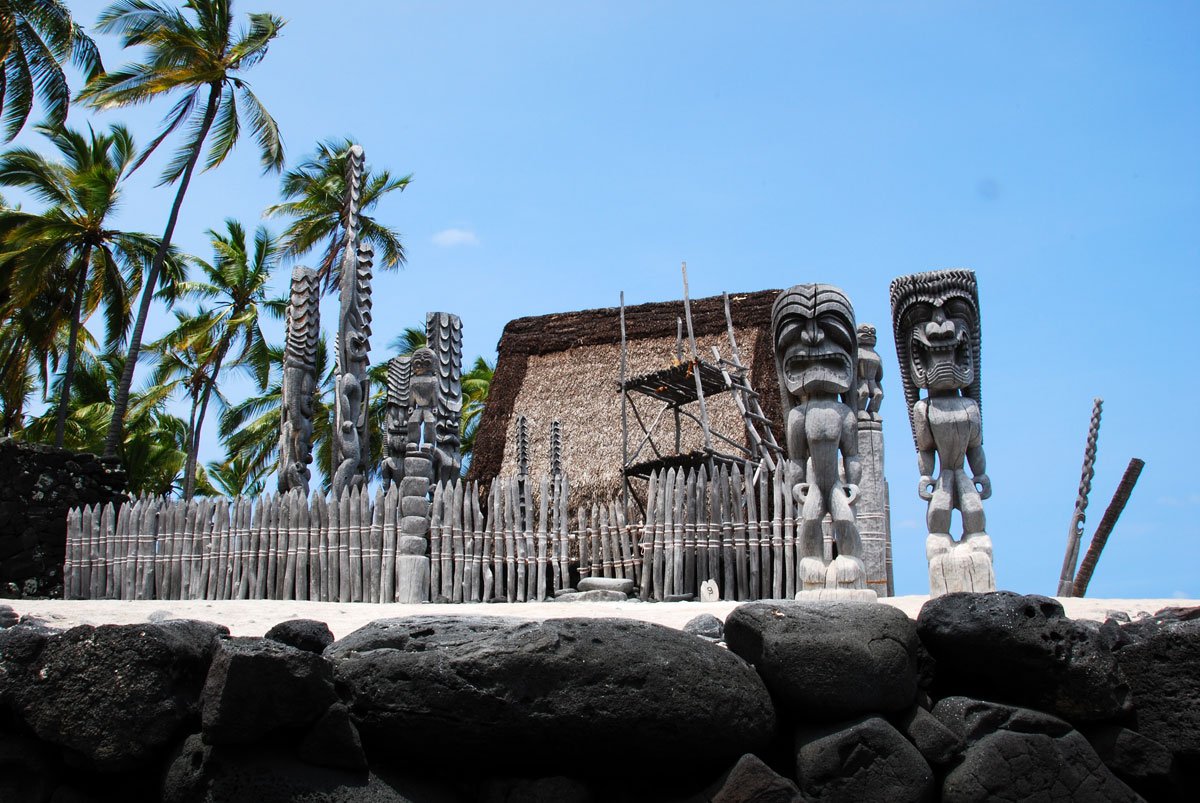
Puʻuhonua o Hōnaunau, the National Historical Park down the coast from Kona, is a worthwhile pairing with the race weekend.
Queen Liliʻuokalani was the last reigning monarch of the Hawaiian Kingdom before its overthrow in 1893. She was a composer (you’ve heard “Aloha ʻOe” even if you don’t think you have), a steady defender of Hawaiian sovereignty, and a figure whose memory the Big Island paddling community has honored every Labor Day weekend for more than fifty years. (Britannica — Liliʻuokalani; Library of Congress — Aloha ʻOe) The race is named for her birthday, September 2, and the timing of the weekend is no accident. For the cultural pairing, drive about 25 minutes south of Kailua-Kona to Puʻuhonua o Hōnaunau National Historical Park on Sunday afternoon or Monday morning. It’s the historic place of refuge where, in pre-contact Hawaiʻi, anyone who broke kapu (sacred law) could find sanctuary. (NPS — Puʻuhonua o Hōnaunau History) The reconstructed temple complex, the carved kiʻi, and the tide pools along the lava shoreline give a much richer sense of the Hawaiʻi the queen tried to protect than the race alone can. Standard NPS entrance fees apply (current rates). The park also tends to be quieter Sunday afternoon than mid-week.
Crowds, Hotels, and the Booking Window
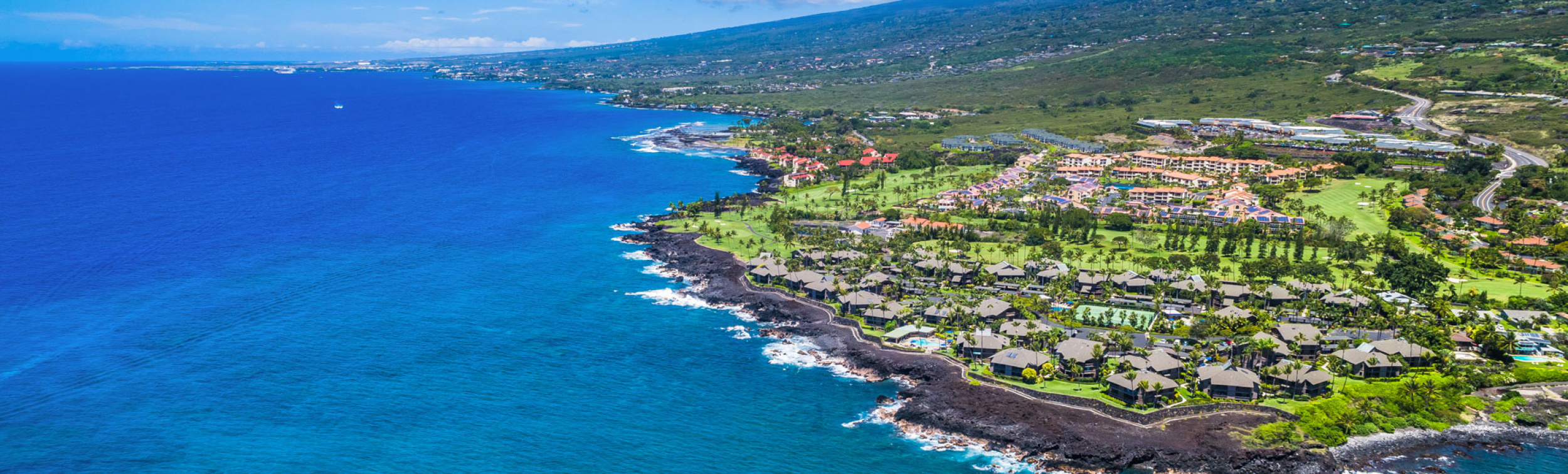
Labor Day weekend is already one of Kona’s busier weekends, and the race compounds it. Paddlers and their families pack the downtown Kailua-Kona hotels, and the rest of the bay-front lodging follows. If you want to stay walking distance to Kamakahonu Beach, the two anchor properties are the Courtyard by Marriott King Kamehameha’s Kona Beach Hotel (literally on the start-finish beach) and Outrigger Kona Resort & Spa. Both fill up fast for race weekend. Locking in lodging by early summer is the comfortable window; the longer you wait, the more the cheaper rooms thin out. If walking distance isn’t a priority, the Kohala Coast resorts thirty to forty-five minutes north (Mauna Lani, Westin Hapuna Beach, Waikoloa Beach Marriott) generally hold rates a touch better than downtown Kailua-Kona on race weekend. You’re not on top of the action, but you’re a short drive from the start line and you wake up on a real beach. Two practical notes on the drive in. First: the Daniel K. Inouye Highway (Saddle Road) is paved and fast, so if you’re connecting through Hilo it’s the right route. Second: rental car prices spike across the long weekend statewide. Booking through Discount Hawaii Car Rental usually beats the front-of-airport counter, and locking it in alongside the hotel is the smart play. Our Hawaiʻi car rental cost calculator shows what real Big Island weekly rates look like by class.
Pairing the Race with the Rest of Your Trip
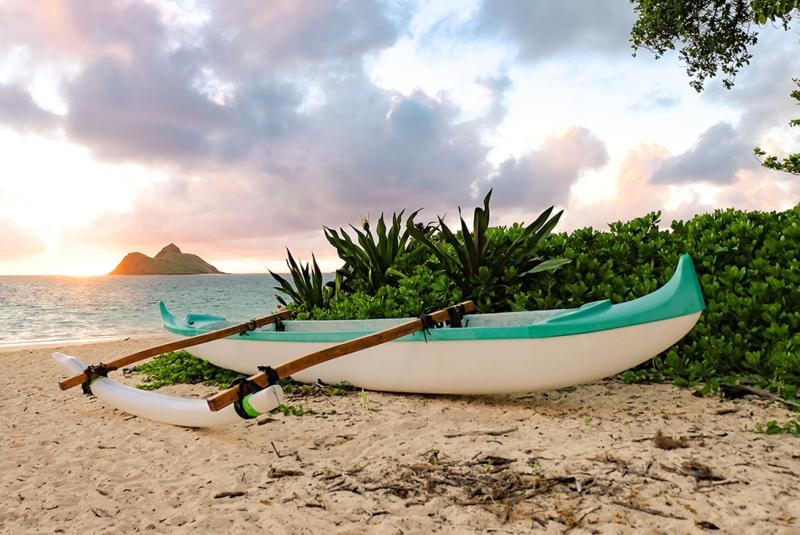
Outrigger paddling is woven into daily life on every island — the race weekend just brings the whole community to one bay.
A four- or five-day Big Island trip built around the race weekend works cleanly. Arrive Friday, spectate Saturday morning, then break into the rest of the island for the back half. The classic split: one day on the Kohala Coast beaches (Hapuna and Mauna Kea Beach are both wide enough to feel uncrowded even on a holiday weekend), one day at Hawaiʻi Volcanoes National Park on the other side of the island, and a half-day for Puʻuhonua o Hōnaunau and Two Step snorkeling on the way back. Kīlauea has been episodically active through 2025 and into 2026; check the USGS Hawaiian Volcano Observatory for current eruption status before you drive across. (USGS — Hawaiian Volcano Observatory) If you can stretch the trip a few days past Labor Day, the value math is heavily in your favor. The week immediately after Labor Day is one of the lowest-arrival weeks on the Big Island calendar. (Hawaiʻi DBEDT — Visitor Statistics) Hotels drop, rental cars drop, the water stays warm, and you’ve got the island mostly to yourself. Our post-Labor Day rates breakdown has the specifics by island.
What to Bring (and What Not to Wear)
Kona in September is hot and dry. Plan for sun, not weather. A wide-brim hat, mineral sunscreen with zinc oxide (Hawaiʻi Act 104 prohibits the sale of over-the-counter sunscreens containing oxybenzone and octinoxate — see the Hawaiʻi Department of Health sunscreen fact sheet), a refillable water bottle, and a folding chair are the basics. The hoʻolauleʻa runs into the late afternoon and there’s no real shade at Kamakahonu Beach beyond what you bring. A light wind shirt for the evening is useful if you stay through the awards ceremony. One thing not to do: don’t wear paddling-club logo gear that isn’t yours. Outrigger paddling is a tight community, and walking into a host beach in a borrowed club shirt reads the wrong way. A plain aloha shirt or any neutral beachwear is the right call.
If You Can't Make Labor Day Weekend
The Queen’s race is the headline, but it isn’t the only paddling weekend in Kona. The local club hosts regattas through the summer, and iron OC-1 and OC-6 races spread across the calendar, so if your Hawaiʻi trip lands at a different time, watching a Saturday-morning regatta at Kamakahonu Beach is a good consolation. The other annual fixture in Kona is the Hawaiian International Billfish Tournament in early August, a different culture entirely but the same Kailua-Kona harbor scene. For the cultural component without the race weekend, Aloha Festivals runs across the islands through September and the events are free. (Aloha Festivals — About) Our Aloha Festivals guide breaks down what happens island by island.
Plan Around the Race Weekend
More guides to help you build a Big Island Labor Day trip.