
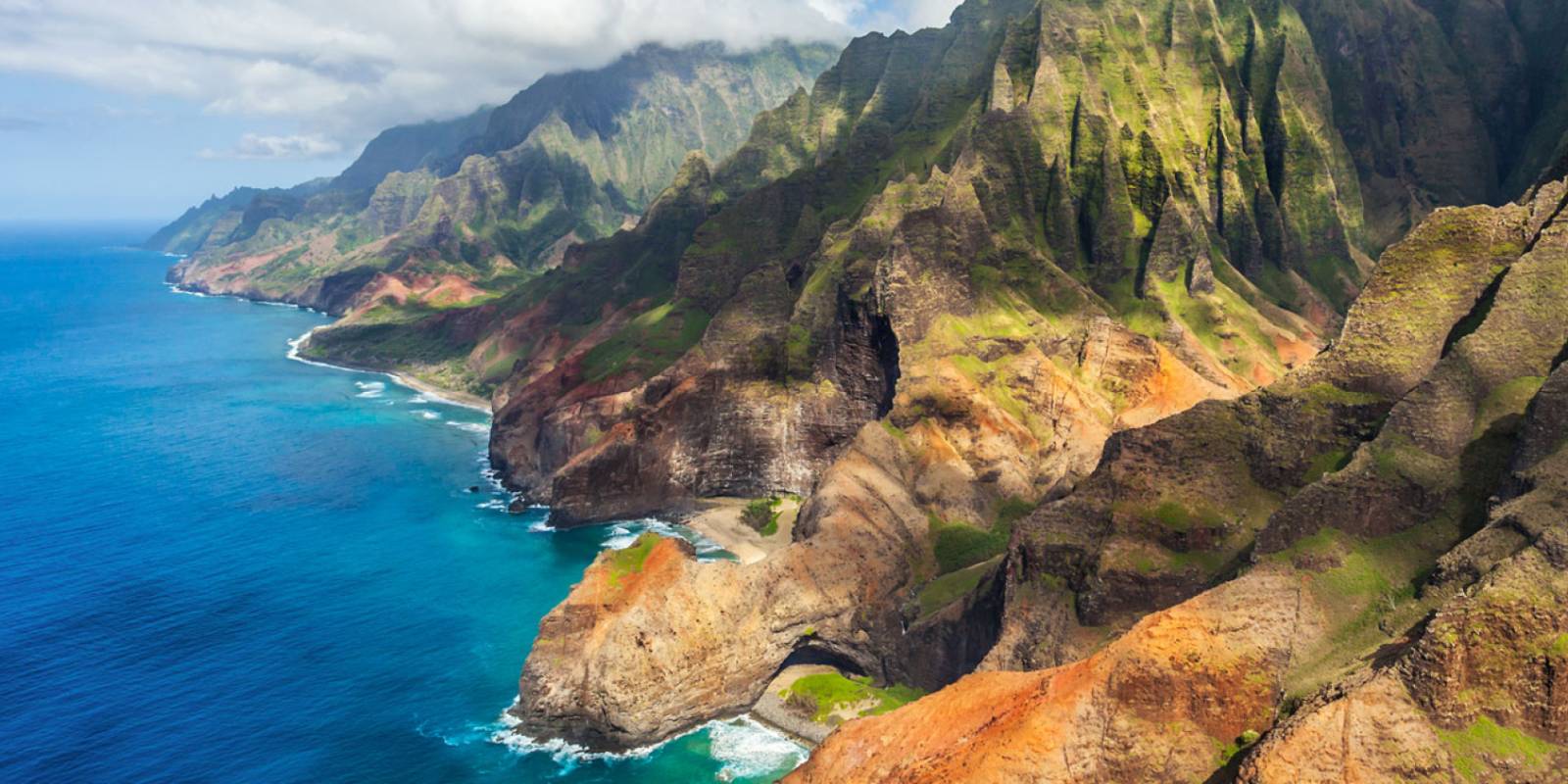

Na Pali Coast, Kauai
How to See Kauai's Roadless Coast
The Na Pali Coast is Kauai's wild northwest edge: steep green pali, narrow valleys, sea caves, waterfalls, remote beaches, and archaeological sites along a coastline with no through road. You can experience it by boat, helicopter, kayak, trail, or lookout, but each option solves a different visitor problem.
The mistake is treating Na Pali as one attraction with one best plan. A family staying in Poipu, a first-time hiker in Hanalei, a photographer chasing morning light, and a backpacker with a Kalalau permit all need different logistics. Use this page as the decision hub, then go deeper into the specific route, tour, or permit page that matches your day.
Na Pali Coast Quick Facts
- Length: about 17 miles of roadless coastline from the Hāʻena/Keʻe side toward Polihale.
- Access: no road follows the coast; choose boat, helicopter, kayak, trail, or ridge/lookout views.
- Most useful first-timer choice: a Na Pali boat tour if ocean conditions are good.
- Trail access: Hāʻena State Park reservations are required for most non-residents entering at Keʻe Beach or the Kalalau trailhead.
- Backpacking: hiking past Hanakāpīʻai Valley requires a valid Nāpali Coast State Wilderness Park camping permit.
- Best season: summer generally gives boats and kayaks the calmest water; winter can bring larger swells and cancellations.
- Location: Northwest coast of Kauai, Hawaii
Choose Your Na Pali Plan
The right way to visit Na Pali depends on ocean conditions, fitness, budget, reservations, and where you are staying on Kauai.
| If this is your priority | Best plan | Watch-outs |
|---|---|---|
| First-time Na Pali views | Book a Na Pali boat tour from the west/south side when seas are reasonable. | Ocean conditions matter. Winter swells and rough trade-wind days can cancel or reroute trips. |
| Maximum scenery in one hour | Choose a Kauai helicopter tour. | Weather can obscure the cliffs and interior valleys. Morning flights usually give you the best chance of clearer views. |
| North Shore day hike | Reserve Hāʻena access and hike the first section of the Kalalau Trail to Hanakāpīʻai Beach or toward Hanakāpīʻai Falls. | Most non-residents need advance Hāʻena entry, parking, or shuttle reservations through Go Hāʻena. |
| Backpacking Kalalau | Use the Kalalau Trail guide and secure a Nāpali Coast State Wilderness Park camping permit first. | DLNR requires a valid camping permit to hike beyond Hanakāpīʻai Valley. This is a serious route, not a casual day hike. |
| Lower-effort land views | Drive Waimea Canyon/Kōkeʻe to Kalalau Lookout, Puʻu o Kila Lookout, or the Pihea Trail. | These look into Kalalau Valley from above. They are not coastal access, and clouds can wipe out the view. |
| Kayak adventure | Use a guided Na Pali kayak tour only in the calmer-season window. | This is open-ocean paddling with landing and permit rules. Treat it as a major activity, not a casual rental. |


Na Pali by Land: Hāʻena, Kalalau & Lookouts
The Kalalau Trail begins at Keʻe Beach inside Hāʻena State Park. For most visitors, the practical land-based Na Pali experience is the first two miles to Hanakāpīʻai Beach, or the longer day hike toward Hanakāpīʻai Falls. That still requires planning because Hāʻena uses an advance reservation system for most non-resident visitors.
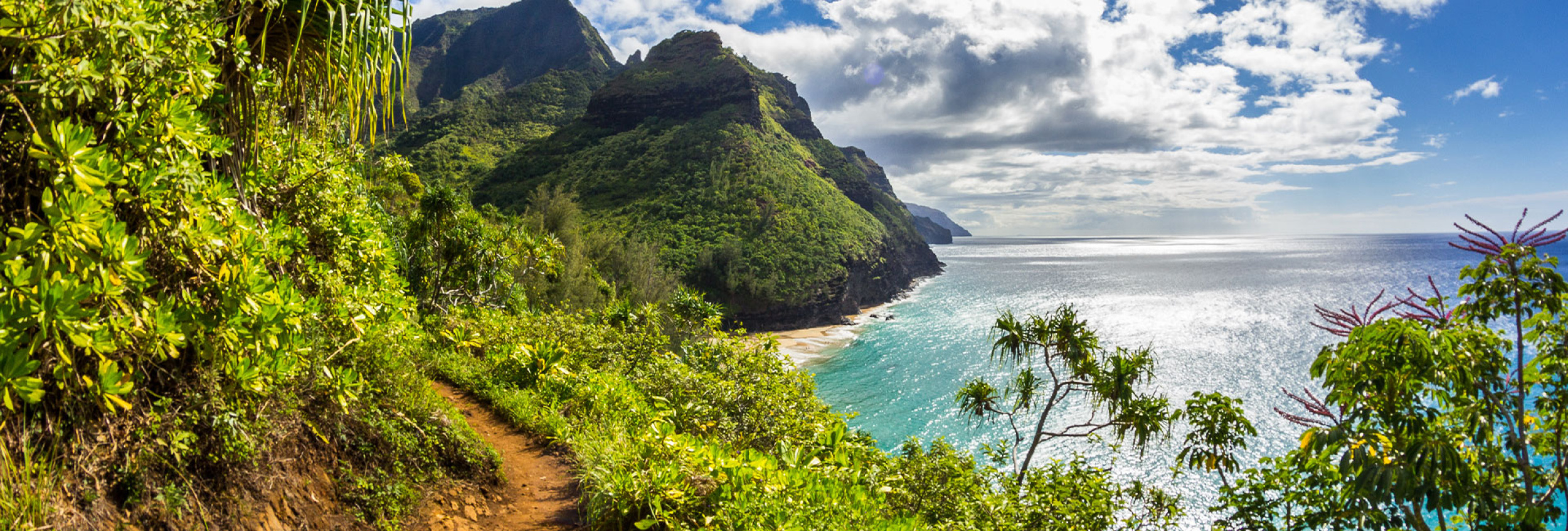
Access rule: DLNR says Hāʻena State Park requires advance reservations for entry except for Hawaiʻi residents and visitors with valid Nāpali Coast State Wilderness Park camping permits. To hike beyond Hanakāpīʻai Valley, you need a valid camping permit for Nāpali Coast State Wilderness Park.
Trail and lookout options:
- Keʻe Beach to Hanakāpīʻai Beach: the standard North Shore day-hike goal, with steep, muddy, and exposed sections. Do not treat Hanakāpīʻai Beach as a swimming beach.
- Hanakāpīʻai Falls: a longer and rougher day with stream crossings and muddy footing; start early and turn around if water levels or weather look wrong.
- Kalalau backpack: the full trail to Kalalau Valley is for prepared backpackers with permits, time, weather awareness, and comfort on exposed terrain.
- Kōkeʻe lookouts: Kalalau Lookout and Puʻu o Kila Lookout give ridge-top views into Kalalau Valley without entering Hāʻena.
There is no road along the Na Pali Coast. You can drive to nearby access points like Hāʻena/Keʻe, Polihale, Waimea Canyon, and Kōkeʻe, but the coast itself stays roadless.
Na Pali by Sea: Boat Tours & Kayaking
For most first-time visitors, the ocean is the clearest way to understand Na Pali. Looking up from sea level makes the cliffs, hanging valleys, sea caves, and remote beaches feel connected in a way that lookout stops cannot fully show.
Boat style matters. Larger catamarans usually give a steadier, more comfortable day and work well for families or travelers who want lunch, room to move, and a less intense ride. Smaller rafts and rigid-hull boats can feel more adventurous and may get closer to caves when conditions allow, but they are rougher and less forgiving. Sunset cruises are strongest for photography, couples, and winter whale-season atmosphere, but they usually trade away some snorkel time.
Na Pali Coast Boat Tour Comparison
Use this as a planning filter, then compare current operators and availability on our Kauai boat and sailing tours page.
| Tour Type | Duration | Best For | Tradeoff |
|---|---|---|---|
| Zodiac / Raft | About half day | Adventure seekers and travelers who want a more intimate ocean-level ride. | Rougher ride; more sensitive to swell, wind, and passenger comfort. |
| Catamaran Cruise | About half day | Families, comfort, lunch, deck space, and a more stable platform. | Less nimble near caves; snorkel stops depend on ocean conditions. |
| Sunset Dinner Cruise | Afternoon / evening | Couples, photography, relaxed sightseeing, and whale-season atmosphere. | Less snorkeling; return may be after dark and seas can still reroute trips. |
Ocean conditions can cancel or reroute any Na Pali boat tour. Keep plans flexible, especially in winter and on windy days.
Many Na Pali boat tours depart from Kauai's south or west side, which is convenient for Poipu and west-side stays. North Shore departures may appear seasonally or by operator, but always verify the exact launch point before booking.
Kayak Na Pali Coast
Kayaking Na Pali is a serious open-ocean trip with exposure, surf landings, weather risk, and permit rules. It can be outstanding in the calmer-season window, but it is not a casual beach rental. Most visitors who want this experience should use a guided Kauai kayaking tour and confirm the current route, landing rules, and physical requirements before booking.
Na Pali by Air
A helicopter tour is the fastest way to see how Na Pali, Waimea Canyon, the island's interior valleys, and the wet mountain core fit together. It is also the best option for travelers who cannot handle a rough boat ride or a long, muddy trail day.
Na Pali Coast Helicopter Tours
Most Kauai helicopter tours include Na Pali, Waimea Canyon, and interior waterfalls in one island loop. Exact routing depends on weather, visibility, air traffic, and operator decisions.
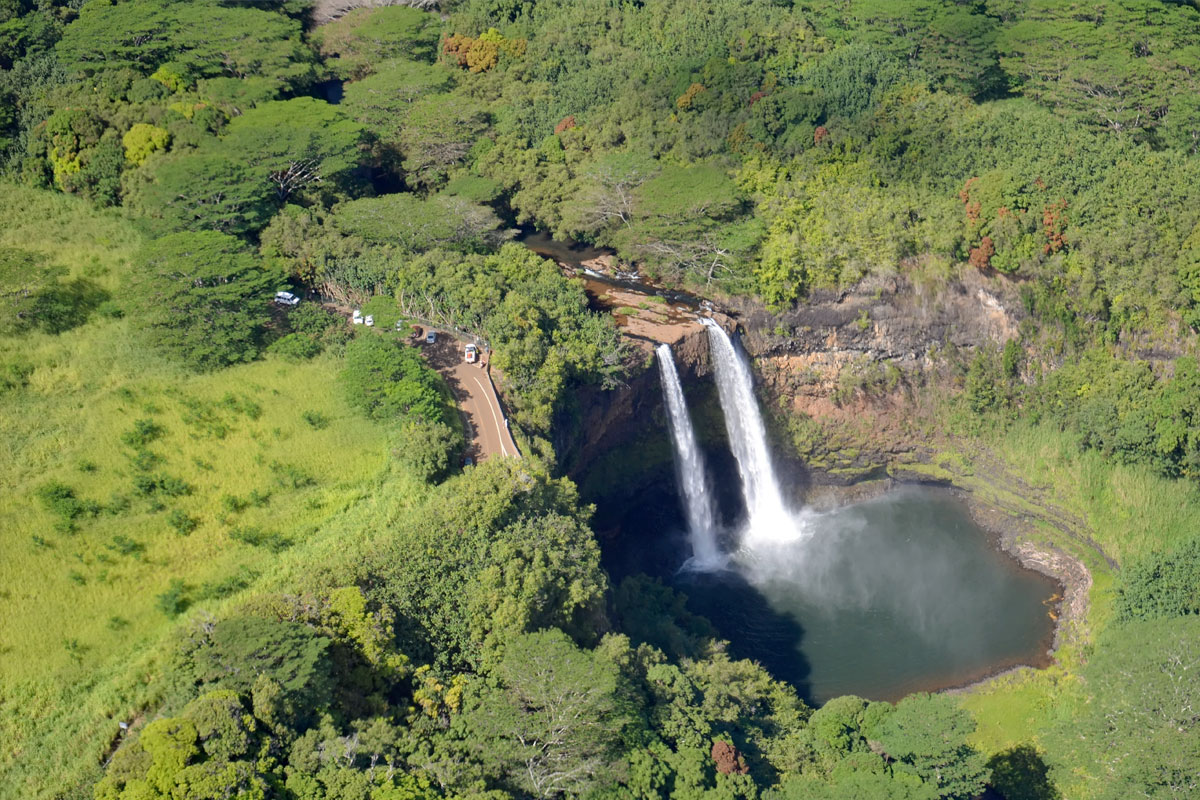
Book the earliest practical flight if clear views matter; clouds often build around Kauai's interior as the day warms. Doors-off flights can help serious photographers avoid window glare, but they are louder, windier, and not right for every passenger.
Do not treat any advertised flight path as guaranteed. Good operators make weather calls in real time, and the safest flight may be a reroute or cancellation.

Best Time to Visit the Na Pali Coast
Calmer Ocean Window
The warmer, drier part of the year is usually the strongest window for ocean-based Na Pali plans. Seas are more likely to cooperate for boat tours and guided kayaking, though no operator can promise calm water. It is also a busy travel season, so popular tour times and Hāʻena reservations can disappear quickly.
Rougher North-Shore Swell Window
The cooler, wetter part of the year can be beautiful, but it is less forgiving. North-shore swells can cancel, reroute, or roughen boat trips, trails can be muddier, and helicopter views still depend on clouds and rain. The upside is dramatic light and the chance of seeing humpback whales offshore in season.
Transition Periods
The transition periods between the calmer and rougher ocean seasons can be good compromises, but they are not guarantees. If Na Pali is a top priority, avoid scheduling your boat tour or helicopter flight on your final full day so you have room to rebook if weather interferes.
Na Pali Coast Permits & Logistics
Hāʻena and Keʻe access: Most non-resident visitors need an advance entry, parking, or shuttle reservation through Go Hāʻena to enter Hāʻena State Park, Keʻe Beach, and the Kalalau Trail trailhead. DLNR says day-use reservations are available 30 days in advance. Hawaiʻi residents and visitors with valid Nāpali Coast State Wilderness Park camping permits have different access rules, so check the current instructions before you go.
Kalalau beyond Hanakāpīʻai: DLNR says anyone hiking past Hanakāpīʻai Valley must have a valid Nāpali Coast State Wilderness Park camping permit. Start with the official Nāpali Coast State Wilderness Park page, then use our Kalalau Trail guide for route planning.
Boat and helicopter tours: Tour passengers do not need to arrange Hāʻena or Kalalau trail permits unless their own itinerary includes restricted land access. You still need to follow the operator's check-in, weather, weight, age, and safety rules.
Kayaking: Treat kayaking as a guided, permit-aware open-ocean activity. Confirm the current route, landing rules, season, and cancellation policy with the operator before you commit.
Rental car note: A rental car helps with west-side boat departures, Kōkeʻe lookouts, and flexible island logistics. Compare Kauai rental car rates, and read the Go Hāʻena pickup and parking rules carefully because some shuttle stops and parking areas have specific restrictions.
Na Pali Coast FAQ
What is the best way to see the Na Pali Coast?
For most first-time visitors, a boat tour gives the strongest Na Pali experience because you see the cliffs from ocean level. Helicopters are best for seeing the full coast and interior valleys quickly. Hiking is the most immersive option, but the Kalalau Trail and Hāʻena access rules require more planning.
Do you need a permit for the Na Pali Coast?
You need advance Hāʻena State Park access to reach Keʻe Beach, Hanakāpīʻai, and the Kalalau Trail trailhead unless you qualify for an exemption. Anyone hiking past Hanakāpīʻai Valley must have a valid Nāpali Coast State Wilderness Park camping permit. Boat and helicopter tour passengers do not need to arrange those trail permits themselves.
Can you drive to the Na Pali Coast?
You cannot drive along the Na Pali Coast. Roads reach nearby viewpoints and access points such as Keʻe Beach, Hāʻena State Park, Polihale, Kalalau Lookout, and Puʻu o Kila Lookout, but the coast itself is roadless.
When is the best time to visit the Na Pali Coast?
Summer generally gives boat and kayak tours the best chance of calm ocean conditions. Winter can bring larger north-shore swells, more cancellations, and muddier trails, but it can also bring whale sightings and dramatic light. Helicopter tours operate year-round, weather permitting.
Is the Kalalau Trail required to experience the Na Pali Coast?
No. The full Kalalau Trail is a serious backpacking route, not a requirement for seeing Na Pali. Most visitors should choose a boat tour, helicopter tour, Hāʻena/Keʻe day visit, Hanakāpīʻai day hike, or Waimea Canyon/Kōkeʻe lookout day instead.