
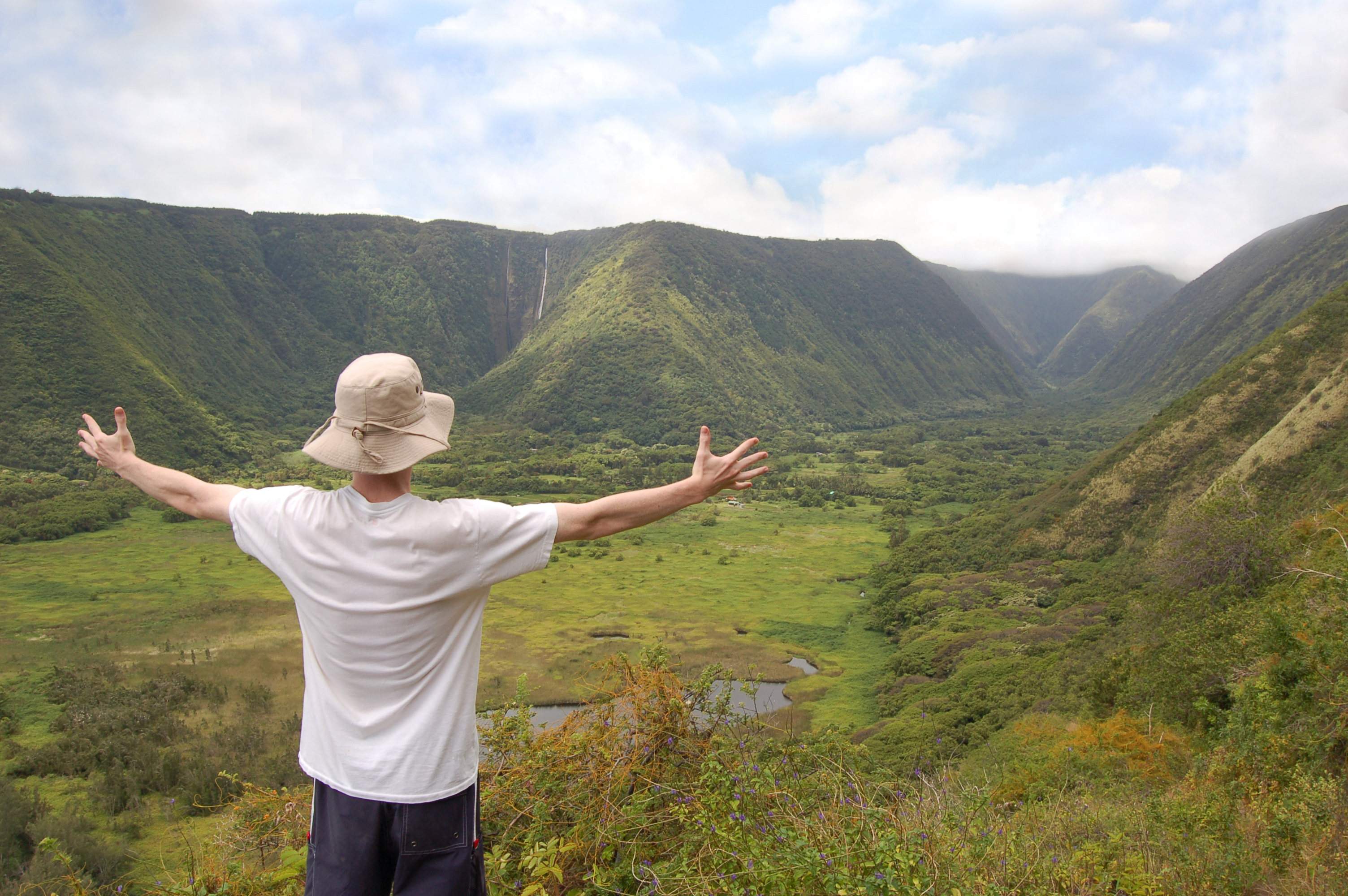
Why visit Hawaii at all? It's a fair question, and one a lot of people ask before booking — especially the first time. Hawaii is far. It's expensive. It's a five-hour flight from the West Coast if you're lucky and fourteen hours from the East if you're not. Mexico is closer. The Caribbean is cheaper. French Polynesia is more exotic. Florida has beaches you can drive to. So why these specific islands in the middle of the Pacific?
I asked myself the same question in 2002, the first time I thought about going. I was 21, I'd never flown in my life, and the practical math didn't add up. I went anyway, mostly on a gut instinct I couldn't fully explain. The story of what happened next is its own four-part piece — the short version is that the trip ended up restructuring my entire life and building the website you're reading right now.
This piece isn't that story. This is the longer answer I've been refining for twenty-four years to the question every first-time visitor really wants answered: what makes Hawaii actually different — different enough to justify the flight, the cost, the time?
What Hawaii actually is, geologically and biologically
Most people think they understand Hawaii because they've seen pictures of beaches and volcanoes. The pictures don't tell you the actually-strange part.
Hawaii is the most geographically isolated populated landmass on Earth. The nearest continent is roughly 2,500 miles away in any direction. Every plant, every animal, every spore of fungus that lives here either flew, swam, drifted in on the wind, or hitchhiked on a bird. Nothing got here easily. Which means the things that DID get here had millions of years to evolve in isolation — there's an entire native ecosystem on these islands that doesn't exist anywhere else on the planet. Birds with bills shaped to fit one specific flower. Trees that look like nothing you've seen. Fish whose closest relatives are on a different coast.
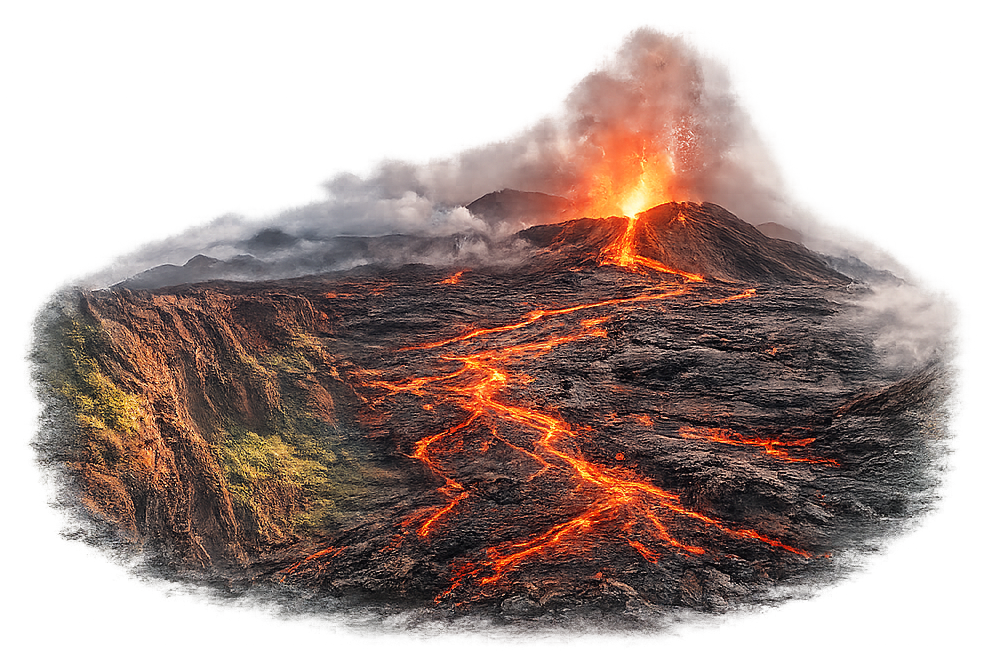
Then there's the geology. The Big Island is currently being built in real time — new land is added every time Kīlauea erupts, which it does often. Stand at the right spot in Hawaiʻi Volcanoes National Park and you're looking at earth that didn't exist twenty years ago. On Kauai, by contrast, you can stand on rock that's five million years old — the same archipelago, but the islands at the northwest end have been eroding into the sea for millions of years while the southeast end is still forming. The whole chain is a moving conveyor belt drifting northwest on the Pacific Plate. There's nowhere else on Earth where you can see the entire lifecycle of an island chain laid out in front of you.
The ocean's the same. Hawaii sits in a remote corner of the Pacific with warm water year-round, no major rivers feeding sediment into the reef systems, and visibility that routinely runs to 100 feet. The marine life is staggering. Twenty-five percent of the fish species are endemic — they exist here and nowhere else. You can snorkel without a wetsuit twelve months a year. The waves at the right beach at the right time are the best in the world for surfing.
What it feels like, which is the part that matters
The geological and biological case is real, but it's not actually why people fall in love with Hawaii. People fall in love because of what these things feel like when you're standing in them.
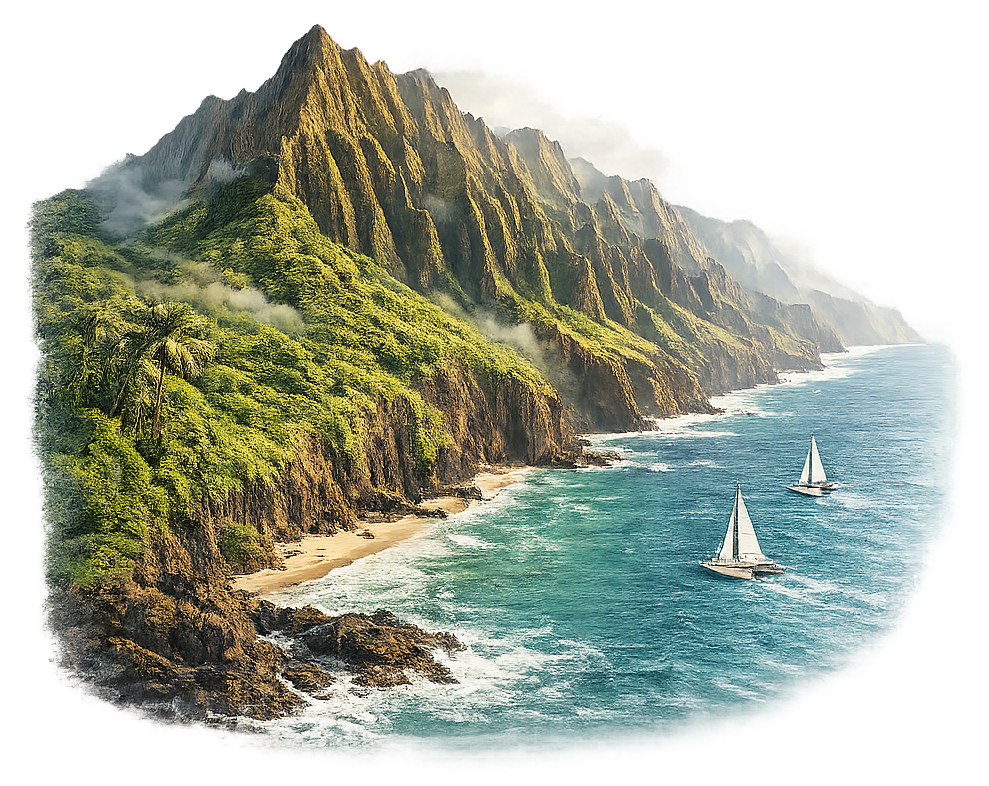
The trade winds. The plumeria. The Myna bird calls. The exact temperature of the ocean at Kamaole III at sunset. The smell of the rainforest off the Hana Highway after a rain. Standing on the rim of Haleakalā at sunrise above a sea of clouds and watching the sky turn colors that you didn't know existed. Driving the back side of Kauai and rounding a corner to see the Na Pali Coast for the first time. None of this reads on a website, mine or anyone else's. You have to stand in it.
There's a kind of place that talks to you. Some people get that from the Rocky Mountains. Some get it from the New Mexico desert. Some get it from a Japanese garden in autumn. Hawaii talks to most people who go — not all, but most. Twenty-four years of meeting other repeat visitors tells me that one. If you go and Hawaii talks to you the way it talks to me, you'll know within forty-eight hours, and you'll spend the rest of your life finding reasons to come back.
The part about culture and respect
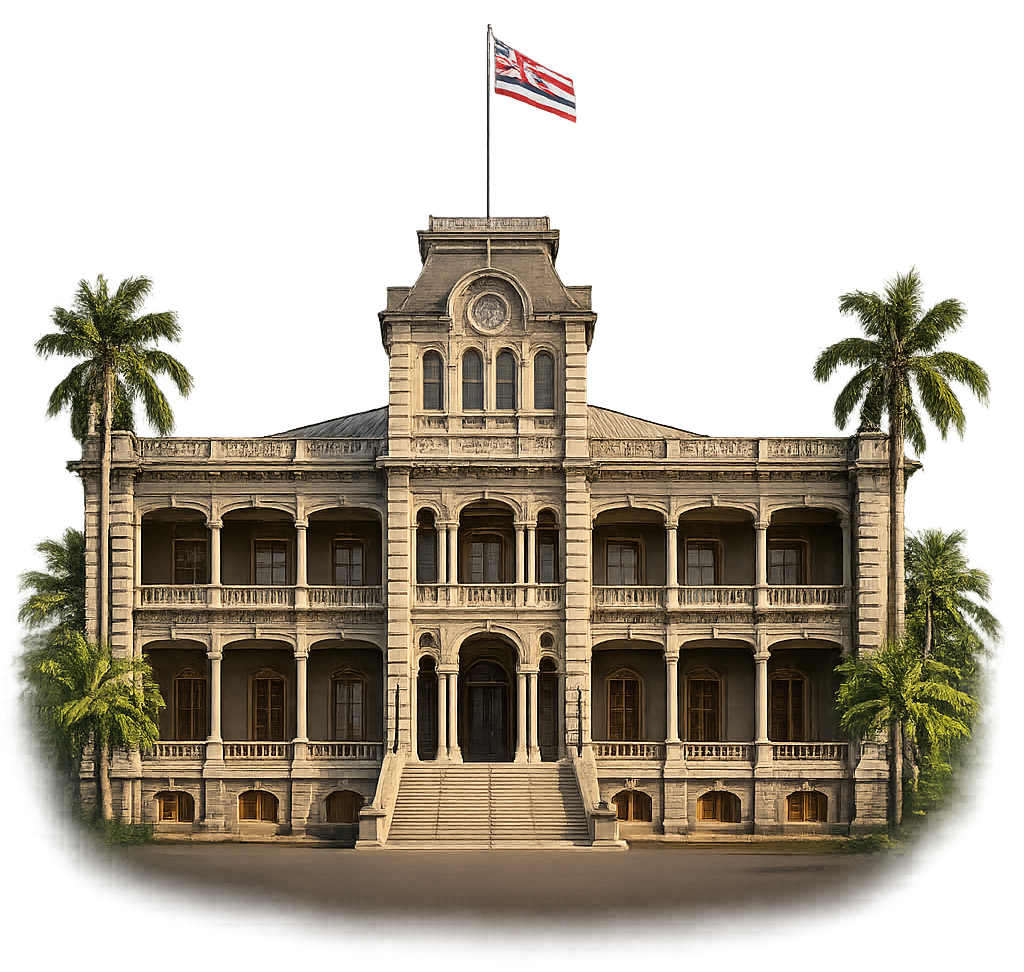
Hawaii is also not just an exotic backdrop. It's a place with deep, complicated history — kingdom, overthrow, statehood, plantation labor, military presence, tourism boom, native Hawaiian renaissance, ongoing conversations about sovereignty and stewardship that go back generations. The version of Hawaii that exists in Mai Tai marketing is not the version that exists on the islands.
If you go, you'll be a guest. The locals know that. They're mostly very kind about it. But the relationship between visitors and residents is real, and the most rewarding visits — by far, in my experience — are the ones where people come with curiosity, humility, and a willingness to learn something instead of just consume something. Tip well. Drive slowly. Don't touch the turtles. Ask before you photograph someone. Pick up your own trash. The cultural depth is one of the things that makes Hawaii Hawaii, and the easiest way to access it is to show up as someone who's there to be changed, not someone who's there to be served.
When you should NOT go to Hawaii
I'll be honest about this part because nobody else will. Hawaii isn't for everyone.
If what you want is a cheap, easy, all-inclusive resort with familiar food, big nightlife, and a low time commitment to actually get there — Hawaii is the wrong call. Mexico will cost you a third of the price and you can drive to Cancun if you're in the South or Southwest. The Bahamas is a two-hour flight from most of the East Coast. The Caribbean has stunning beaches and you can do a long weekend without losing two travel days to airports.
If what you want is a glamorous, photo-driven trip where the appeal is the destination's social currency — Bali, Santorini, the Maldives, and Iceland are all pulling that segment harder than Hawaii does. Hawaii doesn't try to be Instagrammable in the same way. It just IS, and you can take pictures or not.
Hawaii is for people who want depth. People who'll sit at Kamaole III at sunset and not need their phone out. People who'll drive the Hana Highway slowly because the drive IS the point. People who'll take a hard hike to a waterfall and remember it for the rest of their life. People who want a place to talk to them.
If that's you — and there's a decent chance it is, since you're reading this — then yes. Go. Pick an island, book the trip, and go.
Does Hawaii like you back?
That last paragraph — about Hawaii not being for everyone — is the part most travel writers won't go anywhere near. So I'll keep going.
The reason Hawaii doesn't work for everyone isn't that some people have bad taste. It's that Hawaii has its own opinions about who it lets in. The place chooses. I've watched it happen for twenty-four years now — I know who showed up open and got everything, and I know who showed up looking to be served and got handed a sunburn and a parking ticket. The selectivity is real. It's also fair. These islands are someone's home before they're your vacation, and the people whose home it actually is — kanaka maoli, native Hawaiians who watched the kingdom they built get overthrown and are still being priced out of the lands their families have lived on for centuries — get a vote in how you're received whether they say a word to you or not.
Hawaii also has opinions about specific behavior. Touch a green sea turtle for a photo and Hawaii will let you know. Crowd a monk seal on the beach because you wanted a closer look. Climb the fence at the Diamond Head sunrise overlook because you didn't want to wait for the gate. Take sand off the beach. Take a stone off a trail. Drive past the kapu signs at a fishing shrine because no one was watching. None of this is metaphor. The people who do these things have measurably worse trips than the people who don't, and the locals have been watching the pattern long enough that it isn't a coincidence. The islands have feedback. Listen for it.
This isn't religion or politics. I'm not here to convert anyone or to tell you who to vote for. The islands are part of the creation, in whatever language you'd use for that — sacred to the people whose home it is, ecologically irreplaceable in ways that scientists and kupuna both understand, alive in a way that's older than any of our arguments about it. You don't have to be penitent to come here. You just have to be a guest. The kind of guest who shows up curious, tips well, drives slow, asks before they touch, picks up their own trash, doesn't try to bring their politics with them, and leaves the place a little better than they found it.
That's the posture Hawaii rewards. That's also the posture that gives you the best chance Hawaii likes you back.
The 48-hour test
And how do you actually find out? Go for at least forty-eight hours, and pay attention. Day one, you're tired and disoriented from the flight. Day two is when you actually start noticing things. The trade winds against your skin in the morning. The way the light is different here. How easy it is to talk to strangers. Whether you reach for your phone to fill silence or stop reaching for it because the silence is doing something for you.
If by the end of day two you're already thinking about coming back, you have your answer. That happened to me in 2002 on the bench at Waikamoi, and it's been the through-line of my entire adult life since.
If by day two you're checking the calendar for your flight home — also fine. Hawaii isn't for everyone, and it'd be dishonest to tell you otherwise. Some of the warmest, most-traveled people I know just don't connect with these islands the way I do. That's not a failing on their part or the islands'. It's just not their place.
But you won't know until you go.
One more thing
That "Hawaii talks to most people who go" line earlier in this piece wasn't a metaphor. In October 2012, I was sitting on a bench above Maha'ulepu Bay on Kauai's south shore with my wife Tori. I felt the same kind of jolt I'd felt at Waikamoi ten years earlier — and I looked at her before I'd finished the thought. "Did you, uh, feel that?" "Yes," she said. Same moment. Same bench. Hawaii does that. If you're open to it.
That's the actual answer to the original question. The reason I keep telling first-time visitors to go isn't because Hawaii is beautiful (though it is) or because the geology is the most interesting on Earth (it is) or because the food and the people and the trade winds and the trails — yes to all of those. It's because the place keeps doing things to me twenty-four years in. And not just to me.
Aloha y'all,
John
Ready to find out?
If this piece made you want to go, the rest of this site exists to make the planning part easy. Twenty-four years of returning, built into one set of free tools.