


Start With the Kind of Cultural Day You Want
Most Maui cultural experiences are not sold as one tidy tour. The stronger plan is usually a self-guided Central Maui day: begin at Hale Hōʻikeʻike at the Bailey House, add a cultural landscape or heritage site, and check the island calendar for a hula or Hawaiian music performance.
Book a guide when you want interpretation and conversation, not simply transportation. A guide can make sense of the places between the famous stops. A museum-first day is the better value when your group wants to read at its own pace or when a fixed tour schedule does not fit.
A car makes the self-guided version easier
Wailuku, Kahului, and the valley sites do not form a resort shuttle loop. Compare airport rentals through Discount Hawaii Car Rental, then keep the day compact instead of crossing the island between stops.
1. Hale Hōʻikeʻike: the best first stop
Hale Hōʻikeʻike at the Bailey House is the practical anchor for a first cultural day in Central Maui. The Maui Historical Society uses the historic Wailuku property to interpret Hawaiian life, Maui history, missionary-era change, and the island's material culture. Starting here gives the later landscape stops context that a roadside sign cannot supply.
- Current posted hours: Tuesday through Friday, 10 a.m. to 2 p.m.
- Current posted admission: $10 adults, $8 seniors, and $5 students.
- Group option: The museum asks groups to contact staff for special-tour arrangements.
- Pair it with: our Wailuku guide for a short town-and-lunch plan.
2. Choose one cultural landscape
Kepaniwai Heritage Gardens is the current valley-area alternative when the state monument is unavailable. Maui County says the gardens reopened after March 2026 Kona-low storm damage and currently lists them as open. Its cultural structures represent communities whose traditions shaped modern Maui, including Hawaiian, Filipino, Chinese, Japanese, Portuguese, Korean, and Puerto Rican communities. Treat the grounds as a place for learning and reflection, not as a backdrop for climbing on structures.
Halekiʻi-Pihana Heiau State Monument is another option near Wailuku. DLNR describes the site as the remains of two important heiau rededicated as war temples by Kahekili, Maui's last ruling chief. It is open during daylight hours and has no entrance fee, but it is a protected place of worship. Stay in the public area and do not move stones or leave offerings.
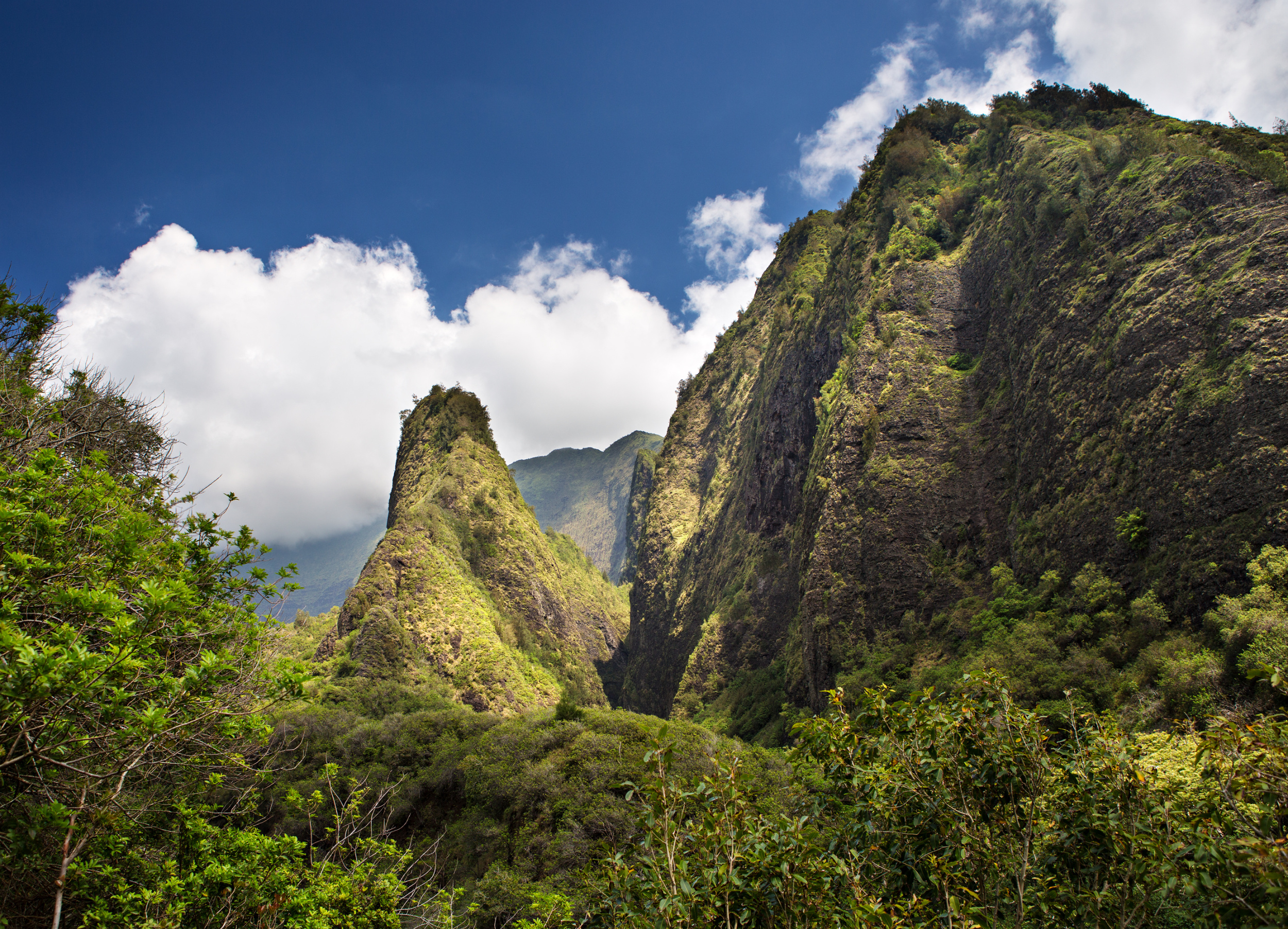
When ʻĪao Valley State Monument reopens, nonresidents should return to the state reservation system before visiting. The canonical ʻĪao guide carries the current access check, walking details, and reservation guidance.
3. Use the calendar for hula and Hawaiian music
The Maui Arts & Cultural Center is not a daily cultural attraction. It is a venue, so the calendar decides whether it belongs in your trip. The annual Kū Mai Ka Hula competition is returning in 2026, but its homepage and FAQ currently present the event schedule differently. Check the organizer's final program before buying. For other dates, use the current MACC events calendar and read the event description. A touring comedy show at the same venue is not a substitute for a hula or Hawaiian music program.
If your priority is a packaged evening with dinner and stage performances, compare Maui luaus. If you want a concert, play, or other ticketed production, use our Maui shows guide. Those are different decisions from a daytime history-focused cultural plan.
When a paid cultural tour is worth it
Choose a paid guide when the itinerary names the practitioner or guide, explains the cultural focus, and gives enough time at each stop for interpretation. A broad island tour that briefly stops at a lookout may be useful sightseeing, but it is not automatically a cultural tour.
- Look for specificity. “History and culture” is too broad. The listing should name the community, time period, site, or practice being interpreted.
- Check access before paying. A listing that still promises ʻĪao Valley during the closure needs clarification from the operator.
- Prefer accountable interpretation. Museum docents, recognized cultural institutions, and guides who explain their relationship to the subject give you more context than a generic driver narration.
- Keep commercial expectations realistic. A respectful tour can introduce a place or practice; it does not grant insider status or turn a living culture into a checklist.
To compare currently bookable options, browse Maui tours on Viator », then filter the results against the criteria above. For route-based sightseeing rather than a cultural focus, use the Maui guided tours guide.
Two workable Central Maui plans
Begin at Hale Hōʻikeʻike during its posted hours. Eat in Wailuku, then choose Kepaniwai Heritage Gardens or Halekiʻi-Pihana. Add a MACC event only if the calendar has a program you actually want to see.
Confirm the closure notice is gone, reserve the state monument if required, and pair the short developed walk with Hale Hōʻikeʻike. Keep Kepaniwai as an optional stop rather than cramming every site into one morning.
What to Know Before You Go
- Verify closures on the morning of the visit. Use our Hawaiʻi Travel Alerts page and follow its primary-source link.
- Do not treat a heiau as a photo prop. Stay in visitor areas, keep food and play away from sacred structures, and leave every stone where it is.
- Ask before photographing people. A public performance ticket may carry its own photo rules. A workshop or cultural practice is not automatic permission for close-up photos.
- Keep museum hours at the center of the plan. Hale Hōʻikeʻike's limited Tuesday–Friday window is less flexible than the outdoor stops.
- Use the owned planning tools. The Personalized Itinerary Builder can place the Central Maui block without consuming a beach or Road to Hāna day.
Related reading: Hale Hōʻikeʻike · ʻĪao Valley access guide · A&B Sugar Museum · Maui luaus · Maui shows · Maui guided tours