

 Been here? Tap to stamp
Honolua-Mokuleia Marine Life Conservation District
Maui Ocean Activities
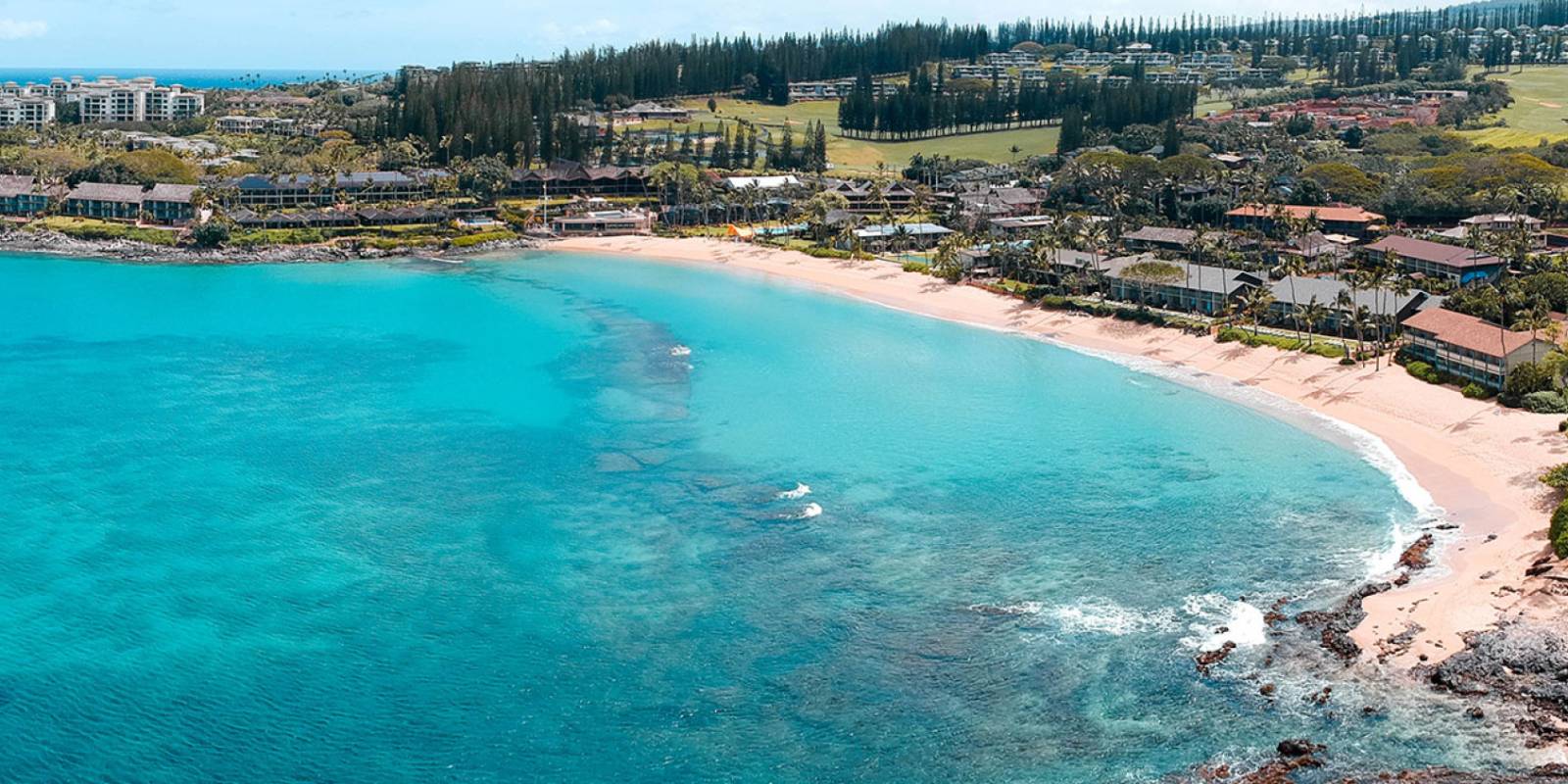
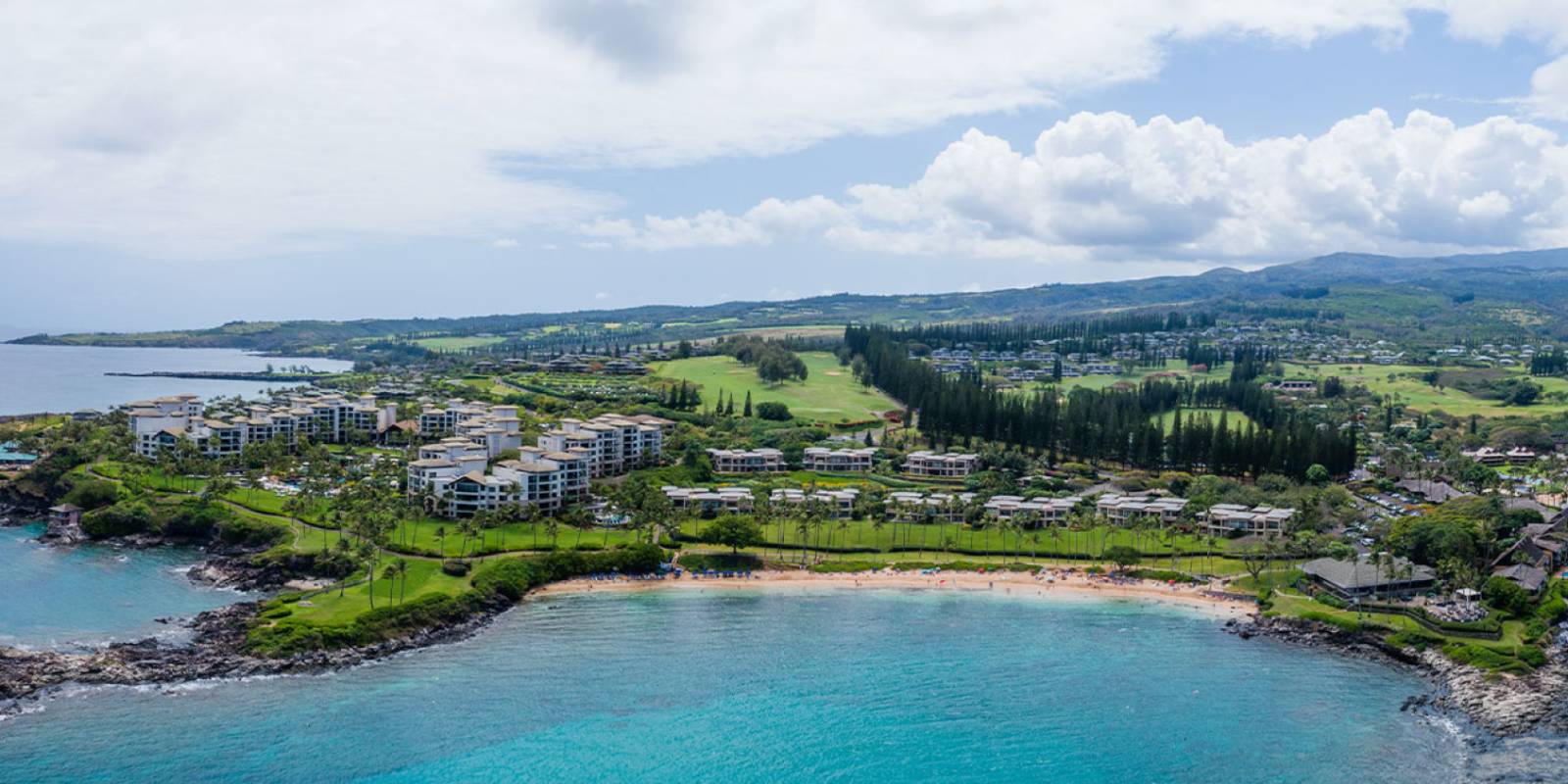
The Kapalua area of Maui’s northwestern tip is home to the magnificent Honolua Bay, a Hawaii Marine Life Conservation District renowned for its surfing and snorkeling. It is also a much-loved spot with visitors and locals alike and is revered for its historical, cultural, and environmental value.
The bay is part of the 45-acre Honolua-Mokuleia Marine Life Conservation District on the coast north of Lahaina along Honoapiʻilani Highway (Highway 30). Its protected status makes careful reef and wildlife behavior essential.

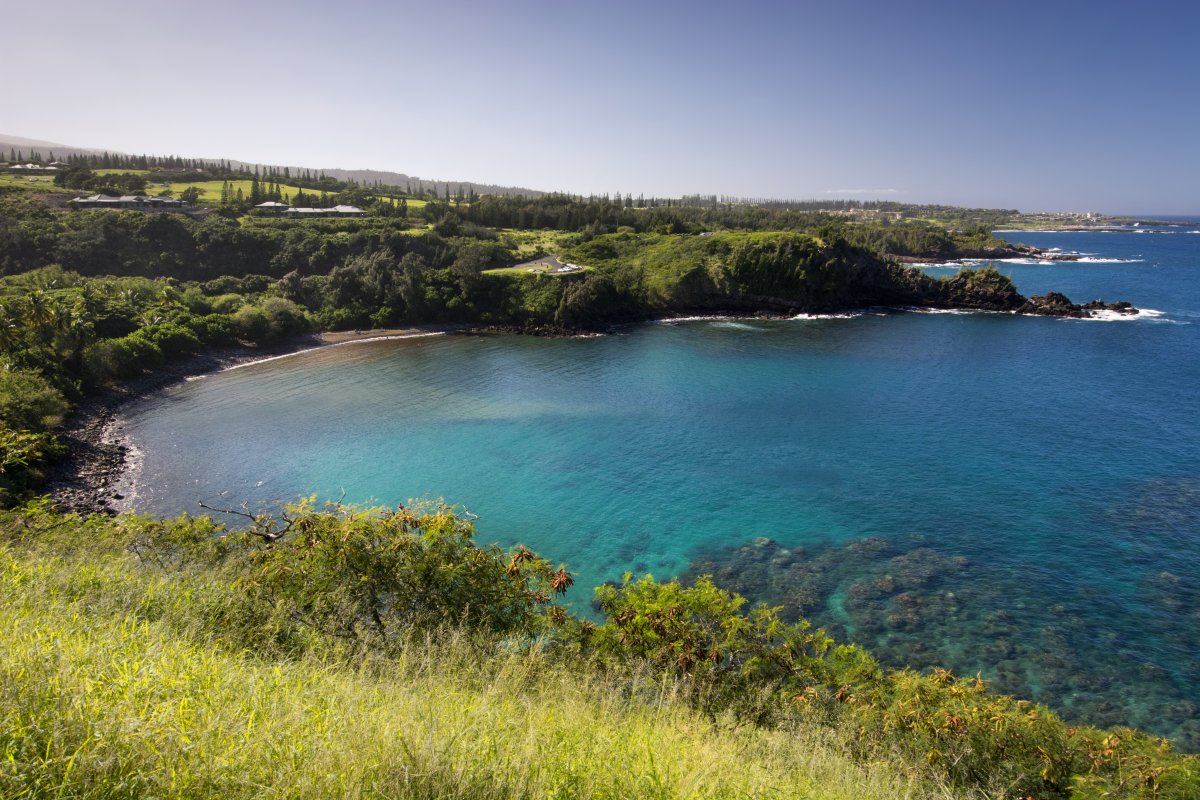
Honolua Bay and its protected marine waters
Cultural & Historical Significance
Honolua means “twin bays” in Hawaiian and refers to the neighboring bays of Honolua and Mokuleia. It was during the reign of Pi’ilani that a footpath was made that connected the six bays of West Maui so Pi’ilani could easily access his domain. This path was known as Honoapi’ilani- meaning “the bays of Pi’ilani”- and today is the Honoapi’ilani Highway. Native Hawaiians revered and cared for the land and sea in this area for generations.
In modern times, the area came under the management of Honolua Ranch. The land supported agriculture, fishing, and cattle ranching, and pineapple cultivation began in 1912. Honolua Bay became part of a Marine Life Conservation District in 1978.
Honolua Bay was the departure point for Hōkūleʻa’s maiden voyage to Tahiti on May 1, 1976. The double-hulled voyaging canoe and its crews helped revitalize Polynesian wayfinding and voyaging traditions.
Get Your Free Maui Guide
Instant access — opens immediately
- Beaches, activities & top spots
- Restaurant & dining recommendations
- Maps, itineraries & insider tips
Want the full offline version? Get the Complete Maui Guidebook →
Marine Life & Environment
District rules prohibit fishing or harming marine life and removing or altering coral, sand or other geological features, subject to the stated exceptions. Read the current DLNR rules before visiting, and leave the reef and wildlife undisturbed.
Wildlife sightings can include Hawaiian green sea turtles, seasonal humpback whales, spinner dolphins, reef fish, coral, and sea urchins. Observe from a respectful distance and never touch, chase, feed, stand on, or remove marine life.

Octopus at Honolua Bay
Snorkeling, Surfing, & Paddling
Honolua Bay is part of a protected marine and cultural landscape. A visit should begin with current ocean conditions, legal access, and the capacity of the arrival area—not with an assumption that the bay belongs on every itinerary.
Honolua Bay lies on Maui’s northwestern coast within the Honolua–Mokulēʻia Marine Life Conservation District. Coral grows along both sides of the bay, while silt carried by Honolua Stream can make the nearshore water murky.
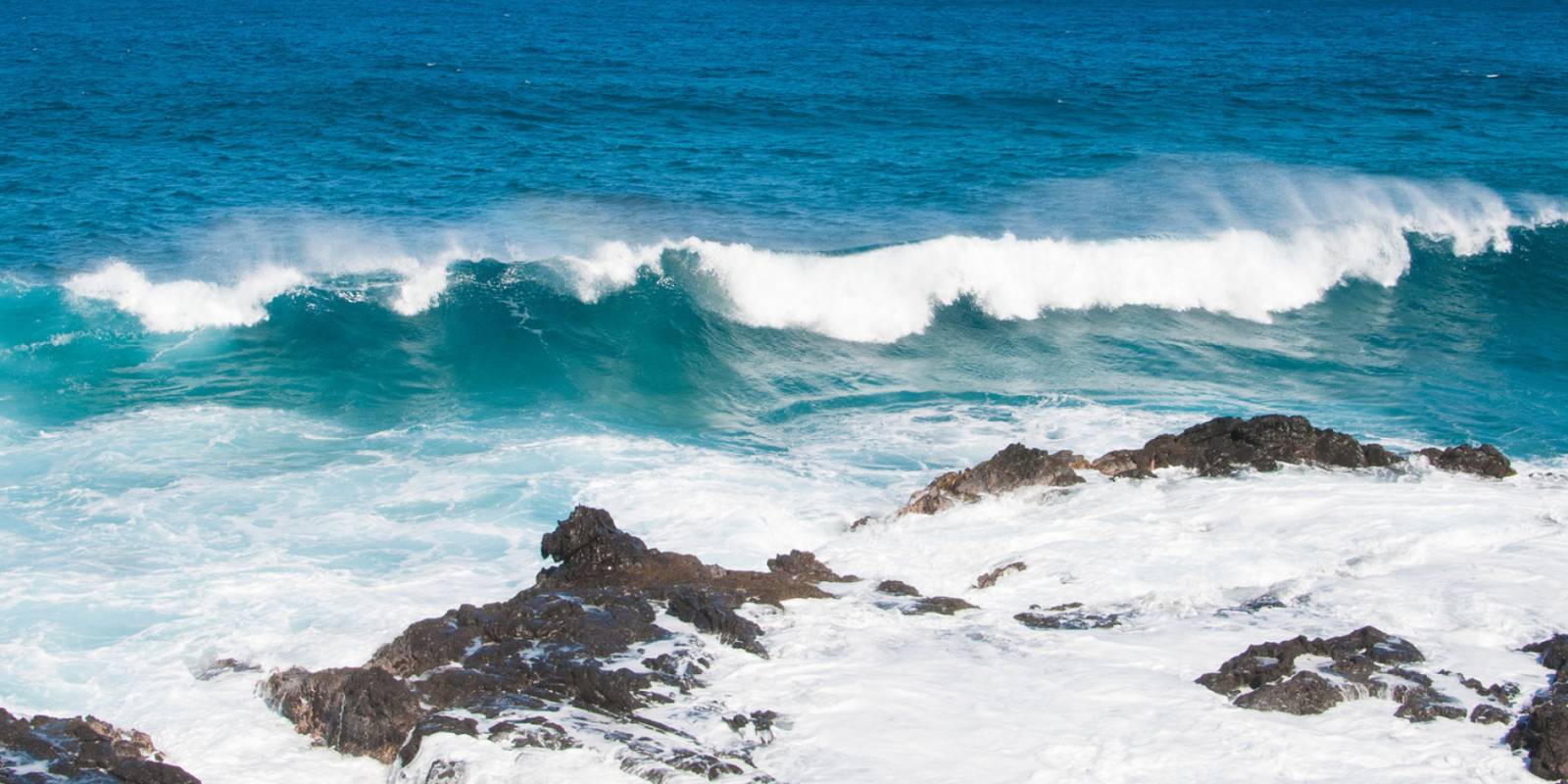
Choose snorkeling days by current conditions, not a calendar window; no season guarantees calm or clear water. DLNR advises avoiding these waters in winter, when high surf is common. During high surf, stay out of the water and observe only from a safe, legal shore location.
Honolua Bay can be a rewarding visit when ocean conditions, legal access, and visitor capacity all align. Treat a full arrival area as a signal to use your Plan B, not as a reason to improvise a parking space.
You May Also Be Interested In
Parking & Access
Honolua Bay is reached from Highway 30 north of Lahaina. Parking near the access trail is very limited. Use only clearly legal spaces, obey posted restrictions, never block a gate, and never stop in a travel lane. If the arrival area is full, continue to another suitable site rather than circling or adding to roadside congestion.
From the legal parking area, a short trail leads through a shady jungle canopy down to the bay. The trail is uneven dirt and tree roots — wear shoes, not flip-flops. There are no restrooms, showers, or lifeguards at Honolua Bay.
Best Time to Snorkel Honolua Bay
Choose snorkeling days by current conditions, not a calendar window; no season guarantees calm or clear water. DLNR advises avoiding these waters in winter, when high surf is common.
Choose a visit around legal access and current conditions, and keep a backup site in your plan.
Summer is often calmer at Honolua, while winter surf can be dangerous; there are no lifeguards. Swim and snorkel with a buddy; snorkeling requires experience swimming in the ocean. Stay out when surf, wind, shore break or currents are dangerous, and obey warning signs.
For a full guide to Hawaiian reef fish you may see while snorkeling, including the state fish (humuhumunukunukuapua'a), see our fish identification guide.
Nearby Snorkeling Spots
Compare each destination’s access requirements and current conditions before choosing an alternative.
See our complete guide: Best Snorkeling in Maui.
Frequently Asked Questions
Is Honolua Bay good for snorkeling?
Choose snorkeling days by current conditions, not a calendar window; no season guarantees calm or clear water. DLNR advises avoiding these waters in winter, when high surf is common.
How do you get to Honolua Bay?
Honolua Bay is reached from Highway 30 north of Kapalua. Follow current posted access and parking instructions; the dirt-and-root trail to the bay calls for secure footwear.
Is there parking at Honolua Bay?
Parking near the access trail is very limited. Use only clearly legal spaces, obey every posted restriction, and choose another site if the arrival area is full.
When is the best time to visit?
Choose snorkeling days by current conditions, not a calendar window; no season guarantees calm or clear water. DLNR advises avoiding these waters in winter, when high surf is common. During high surf, stay out of the water and observe only from a safe, legal shore location.