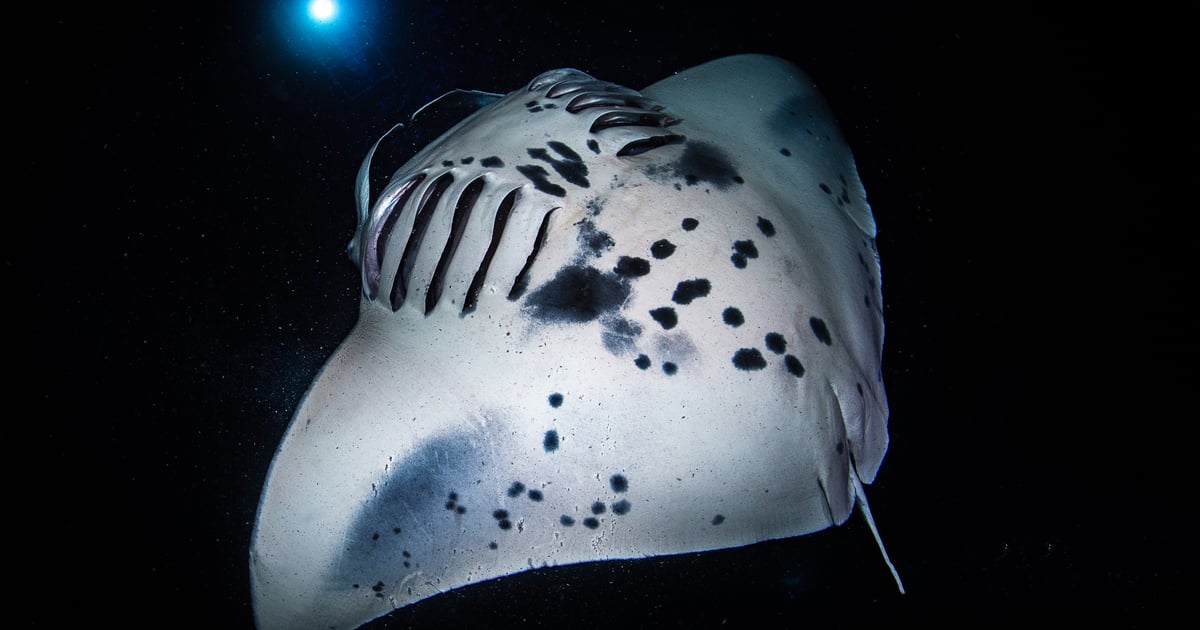

The Kona manta ray night snorkel is one of those rare Hawaii experiences that lives up to the hype. You ride a boat out from Keauhou, Honokōhau Harbor, or another west-side launch at sunset, anchor at a known reef-manta feeding site, and slide into the water holding a floating board with bright lights pointed straight down. The lights attract plankton; the plankton attracts reef mantas; and for the next 30 to 45 minutes in the water, those mantas loop under you, often inches from your snorkel mask, mouths wide open as they filter-feed.
It is calm, slow, and the kind of trip travelers tend to put at the top of their Big Island highlight reel. It works best for travelers who are comfortable putting their face in the ocean after dark; you are not actively swimming laps, but you do need to stay relaxed at the surface and follow the crew's instructions.
What Actually Happens on a Trip
The standard format runs about 2 to 2.5 hours total, though check-in and boat time vary by harbor and operator:
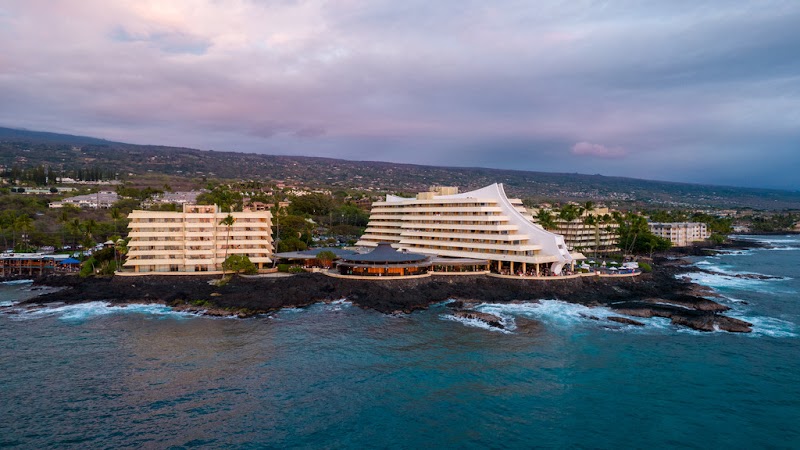
- Sunset departure — Boats commonly leave from Keauhou Bay or Honokōhau Harbor about an hour before sunset, depending on the tour and the site being used that night.
- Briefing — On the way out, the crew walks through the safety rules, shows you how to use the floating light-board, and answers questions. Responsible manta operators keep snorkelers at the surface; you should not dive down to a manta, chase one, or touch one.
- In the water at dusk — You enter the water at the feeding site as the light fades, holding the lit board with your fins out behind you. Mantas may arrive within minutes once the lights are on, or take much longer — arrival time depends on conditions and the site. Sessions run 30–45 minutes.
- Return to harbor — Hot drinks and snacks on the boat ride back. Most evening tours wrap back at the dock around 9:00 PM, with exact times set by the operator's departure window.
Wetsuits are typically provided — even in summer, the water at night feels cold once you're not moving.
Who Should and Shouldn't Go
Good for: Anyone who can comfortably float on the surface with a snorkel and mask. Children old enough to follow safety instructions may be allowed, but minimum ages vary by operator and sea conditions, so confirm before you book. This is the right version of the experience for travelers who are nervous about scuba diving but still want a real wildlife encounter.
Skip if: You get seasick easily, you panic when your face is in dark open water, or you cannot hold a board and keep your legs behind you without kicking down toward the animals. The boat anchors and rocks during the snorkel session, and the water feels colder after sunset even when a wetsuit is included.
The Two Main Sites: Manta Village vs. Manta Heaven
Tours leave from different west-side harbors and visit different feeding sites. The two names visitors hear most often are:
- Manta Village, off Keauhou — The classic south Kona site, close to Keauhou Bay and convenient if you are staying around Kailua-Kona or Keauhou.
- Manta Heaven / Garden Eel Cove, near the airport — The north Kona site often reached from Honokōhau Harbor, useful if you are staying closer to the airport, Waikoloa, or the Kohala Coast.
Both work when conditions line up. Pick a reputable operator first, then weigh drive time from your lodging. If the tour is the reason you are visiting the Big Island, book it early in the trip so a weather cancellation or no-show night does not erase your only chance.
How to Book
Operators run year-round when ocean conditions allow. Book through one of the major aggregators or directly through an operator's site, and read the cancellation/no-sighting policy before you pay. Compare options and book through Viator: browse Big Island manta ray tours on Viator.
For our complete operator round-up, see our Big Island snorkeling tours guide.
Sighting Rates and What "No Show" Means
Mantas are wild animals. Sightings tend to be strong when conditions cooperate, but on any given night the mantas might not show. Some operators, including Sea Paradise, publish a free return-trip policy if no mantas are seen. Others handle weather, cancellations, and no-show nights differently. Confirm the specific guarantee language at booking, because "no-show" terms are not identical from company to company.
Build a buffer day into your Big Island trip if the manta snorkel is a must-do. If your first night gets cancelled for weather or you don't get a sighting, you'll want a second chance.
Conservation and Etiquette
The Kona reef manta population (Mobula alfredi) is recognized individually by the spot pattern on each manta's belly — the markings work like a fingerprint, and researchers catalogue individual animals from those photos. The night-snorkel experience works only when guests follow low-impact behavior: do not touch, do not dive down, do not chase, keep fins near the surface, and follow your crew's camera rules. Treat the crew's safety briefing as part of the experience, not as fine print.
Hawaiʻi law also prohibits knowingly capturing or killing manta rays in state waters under a 2009 statute, and reef-safe sunscreen rules apply. Use mineral sunscreen before you arrive, then rinse off and let the wetsuit do most of the work after sunset.
Quick Facts
Cost: Commonly around $130–180 per person, depending on operator, group size, harbor, and season.
Length: ~2 to 2.5 hours total trip; 30–45 minutes in the water, depending on operator.
Reservation: Required.
Skill level: Comfortable surface-snorkel only — no scuba certification and no free-diving.
Best season: Year-round. Conditions vary night to night; check the forecast close to your date and ask the operator about recent sighting and cancellation patterns.
Sighting guarantee: Many operators offer a re-try if no manta is seen; confirm the exact policy at booking.
Includes: Wetsuit, light-board, mask, snorkel, fins, hot drinks, crew safety briefing.
Related on Hawaii-Guide.com
Related reading: Big Island Snorkeling Tours · Best Snorkeling on the Big Island · Two-Step (Honaunau) · Hawaii Snorkel Finder Quiz