
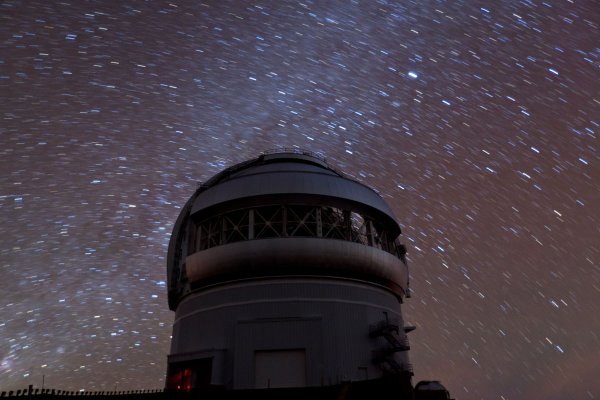

Mauna Kea Is the Reason You Book This Tour
Big Island stargazing tours are not just a pleasant after-dinner activity. They solve a real logistics problem: Mauna Kea's summit reaches about 13,803 feet according to the USGS, the road above the Visitor Information Station is steep and partly unpaved, and the night sky is best after most visitors are too cold, tired, or underprepared to keep making good decisions.
If you want the summit sunset plus telescope time after dark, book a guided Mauna Kea tour. If you only want a lower-elevation night-sky look, plan around the official access limits and weather forecast instead of assuming the old public VIS stargazing routine is still available.
Current access reality
Check the current road, weather, and health restrictions before any summit plan. Our Mauna Kea summit tour guide tracks the practical access issues; your operator gets the final call on whether tonight's summit route is safe. The Visitor Information Station is the acclimation point, not a guaranteed public telescope program.
Best fit: guided summit and stars tour
This is the classic Mauna Kea experience: late-afternoon pickup from Kona, Waikoloa, or Hilo-side pickup points depending on the operator, an acclimation stop near 9,200 feet, sunset near the summit, then a descent to a darker viewing area for telescope viewing after full dark. The exact route changes with weather, road closures, and operator permits.
Start with these verified operator options in the Hawaii Guide data:
- Hawaiʻi Forest & Trail — Maunakea Summit & Stars Adventure. A long-running summit tour format with 4WD logistics, warm gear, and post-sunset stargazing. Check direct availability »
- Hawaii Island Holidays — Hawaiʻi's GOAT Experience: Mauna Kea Summit, Sunset & Stars. A summit-and-stars itinerary that appears in our current tour catalog. Book through FareHarbor »
- Epic Tours — Mauna Kea Stargazing Experience + Free Photos. A photo-forward stargazing option for travelers who care about long-exposure portraits as much as telescope time. Book through FareHarbor »
If those are sold out, use the Big Island tour widget below to compare current Mauna Kea listings and cancellation terms. Read the itinerary carefully; some tours go to the summit for sunset, while others stay lower and focus on telescope viewing.
Why driving yourself is rarely the better choice
The summit road above the Visitor Information Station requires a true 4WD vehicle with low range. Many rental contracts also prohibit the road, even when the counter hands you an SUV. That matters because a tow, accident, or altitude problem near 14,000 feet can become expensive fast.
Even if you have your own qualified 4WD, a guide still buys you timing, altitude discipline, warm layers, telescope setup, and the judgment to call off the summit when clouds, ice, wind, or health symptoms make the plan wrong. For a first Big Island trip, that is usually worth more than the money saved by improvising.
Who should skip the summit
Mauna Kea is high enough for altitude sickness. Summit travel is not a fit for people who are pregnant, in poor health, within 24 hours of scuba diving, or dealing with heart, lung, circulatory, or oxygen-related conditions. Operators may set stricter rules than the mountain guidance, so check the booking page before you pay.
If the summit is a bad fit, do not force it. Consider a lower-elevation stargazing tour, an evening around Waikoloa or Saddle Road, or a daytime visit to ʻImiloa Astronomy Center in Hilo to connect Hawaiian wayfinding, Mauna Kea science, and the observatory story without the altitude risk.
What to wear and bring
Dress like you are leaving Hawaiʻi for a few hours. Summit temperatures can feel 30 to 50 degrees colder than the Kona or Kohala coast, and wind makes a thin hoodie useless. Wear long pants, socks, closed-toe shoes, a real mid-layer, and a wind shell. If the operator provides parkas or gloves, use them.
- Bring water and drink it before the climb.
- Skip alcohol before and during the tour.
- Use a red-light headlamp if you are doing any DIY dark-sky stop. A basic astronomy headlamp preserves night vision better than a phone flashlight.
- Pack a phone battery or camera battery you can keep warm in a pocket.
How to time the night
New-moon weeks are the best target, but weather beats moon phase. Check the National Weather Service Honolulu forecast office and your operator's day-of instructions the morning of your tour. High clouds, summit winds, ice, or road closures can change the plan quickly.
If stargazing is a priority, schedule it early in your Big Island stay. That gives you room to rebook if the operator cancels for weather. Do not place it the night before an early interisland flight or the day after a scuba dive.
Pair it with a smarter Big Island itinerary
Mauna Kea pairs best with a Kona or Waikoloa base day, not a same-day Hawaiʻi Volcanoes National Park push. Use a separate day for Volcanoes National Park tours, a separate evening for manta ray night tours, and a lighter day after the summit if altitude or a late return hits harder than expected.
Related reading: Mauna Kea summit tour guide · Mauna Kea visitor guide · Hawaiʻi stargazing tours statewide · Big Island manta ray night tours