

 Been here? Tap to stamp
Papakolea Green Sand Beach
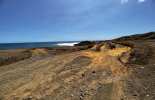
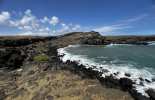
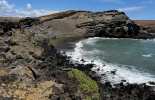
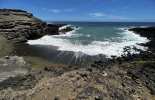
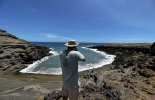
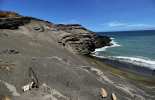
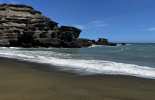
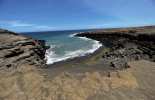
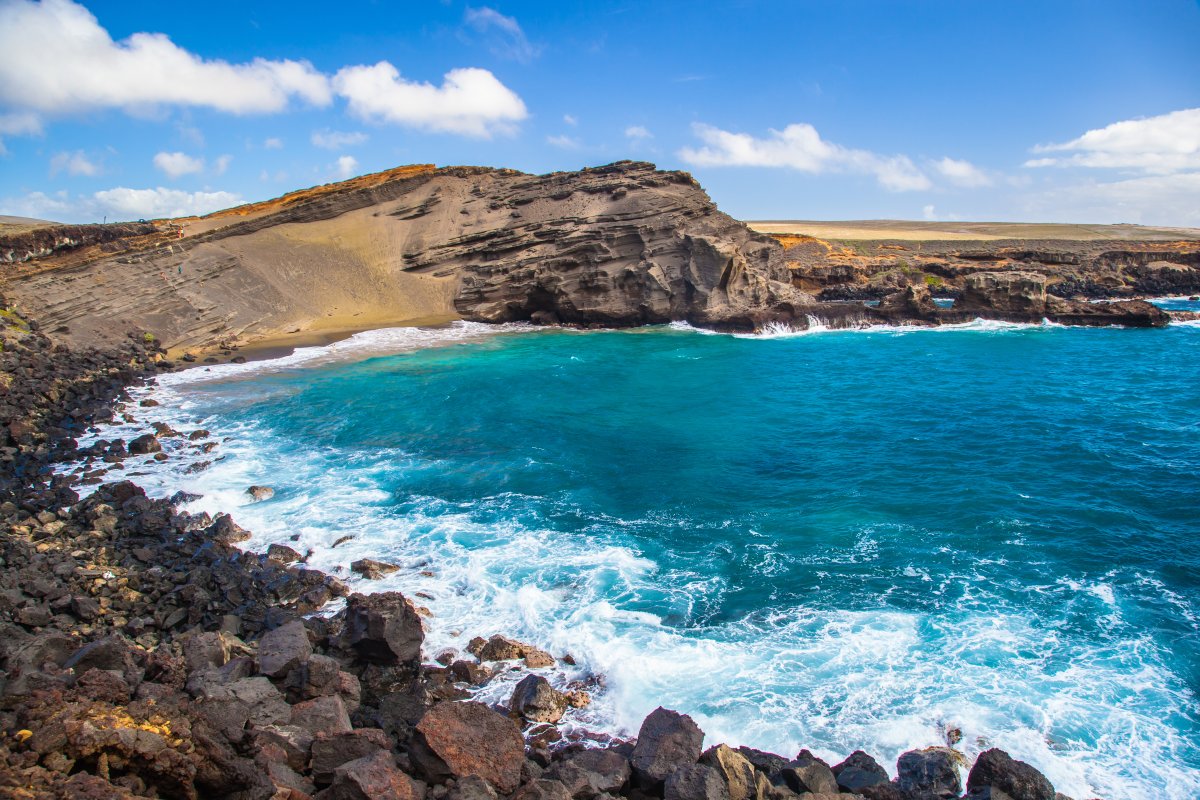
Papakolea is one of only four green sand beaches in the world. This secluded sandy beach is located near Ka Lae (South Point) in the Kau district of Hawaii. Papakolea was once a cinder cone volcano. After it erupted, the lava the volcano spewed was rich in olivine, an abundant mineral in Hawaii's natural volcanic rock. After the eruption, erosion from the ocean and weather slowly eroded the basalt rock until just the olivine was left behind, giving this beach its unique green color.
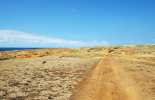
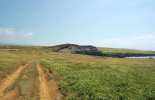
Access caution: The Island of Hawaiʻi Visitors Bureau discourages hiking and driving to Papakōlea because access crosses private property and raises erosion and safety concerns. Do not treat a walking route, vehicle track or offered ride as permission to enter. Choose another outing unless lawful access is confirmed.
Papakolea Green Sand Beach — Quick Facts
- One of four: One of only four green sand beaches in the world — color comes from olivine crystals in volcanic rock
- Access caution: Do not assume that walking or driving to the beach is authorized; see the access caution above.
- Water: Do not swim; heed current access and ocean-safety guidance.

Papakolea Green Sand Beach
Overview of Papakōlea Beach (Green Sand Beach)
Papakōlea Beach (Green Sand Beach) sits inside a breached volcanic cone called Puʻu Mahana, just east of Ka Lae (South Point) — the southernmost point in the 50 states. The green color comes from olivine crystals — a magnesium-iron silicate mineral that's denser than other beach sediment, so wave action concentrates it on the sand here while sweeping lighter material out to sea.
What does "Papakōlea" mean?
Papakōlea means "plover flats" in Hawaiian — papa (flat surface, foundation) + kōlea, the Pacific golden plover, a migratory shorebird that arrives in Hawaii each fall from Alaska. Plovers feed on the surrounding flat lava plains. Despite the name's modern association with the beach, it originally referred to the broader area of flat coastal terrain inhabited by these birds.
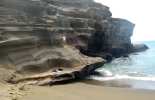
One thing to clear up: Puʻu Mahana itself isn't a recent feature. The cinder cone is roughly 49,000 years old, predating the modern shoreline by several ice ages. The waves keep undercutting the cone's seaward wall, which is how fresh olivine keeps making it onto the beach. The 1868 Mauna Loa eruption is a different event entirely — it produced lava flows further north and triggered the massive Kaʻū earthquake, but it didn't create this cone.
Get Your Free Big Island Guide
Instant access — opens immediately
- Beaches, activities & top spots
- Restaurant & dining recommendations
- Maps, itineraries & insider tips
Want the full offline version? Get the Complete Big Island Guidebook →
Access and safety at Papakōlea
There are no lifeguards at Green Sand Beach. Swimming is not recommended because of the rough ocean conditions and strong currents.

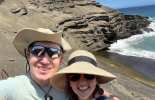
John & Tori at Papakolea

Photographs do not establish current access.
Before considering a visit
Before considering access, consult the Department of Hawaiian Home Lands and respect posted restrictions. An old map, an offered ride or a past visit does not establish current permission.

Papakolea Green Sand Beach
Nearby Attractions and Sights of Papakōlea Beach (Green Sand Beach)
Punalu'u Black Sand Beach: Located on the island's southern end, this beach is a breathtaking sight. It's also home to Hawaiian green sea turtles. Nearby is Punalu'u Bake Shop, which sells its famous sweet bread and banana macadamia nut crunch.
Hawai'i Volcanoes National Park: The park offers spectacular views of lava flows, tropical rainforests, and an active volcano.
Ka Lae or South Point: The southernmost point in the 50 states, Ka Lae, is an excellent place for bird-watching and whale-watching (during winter). It is also one of Hawaii's most sacred sites and is home to many archeological sites and petroglyphs.
Papakōlea Beach or Green Sand Beach Photos