

 Been here? Tap to stamp
Hawaii Black Sand Beach
Overview of Punaluʻu Black Sand Beach
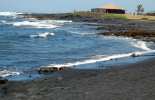
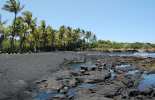
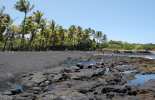
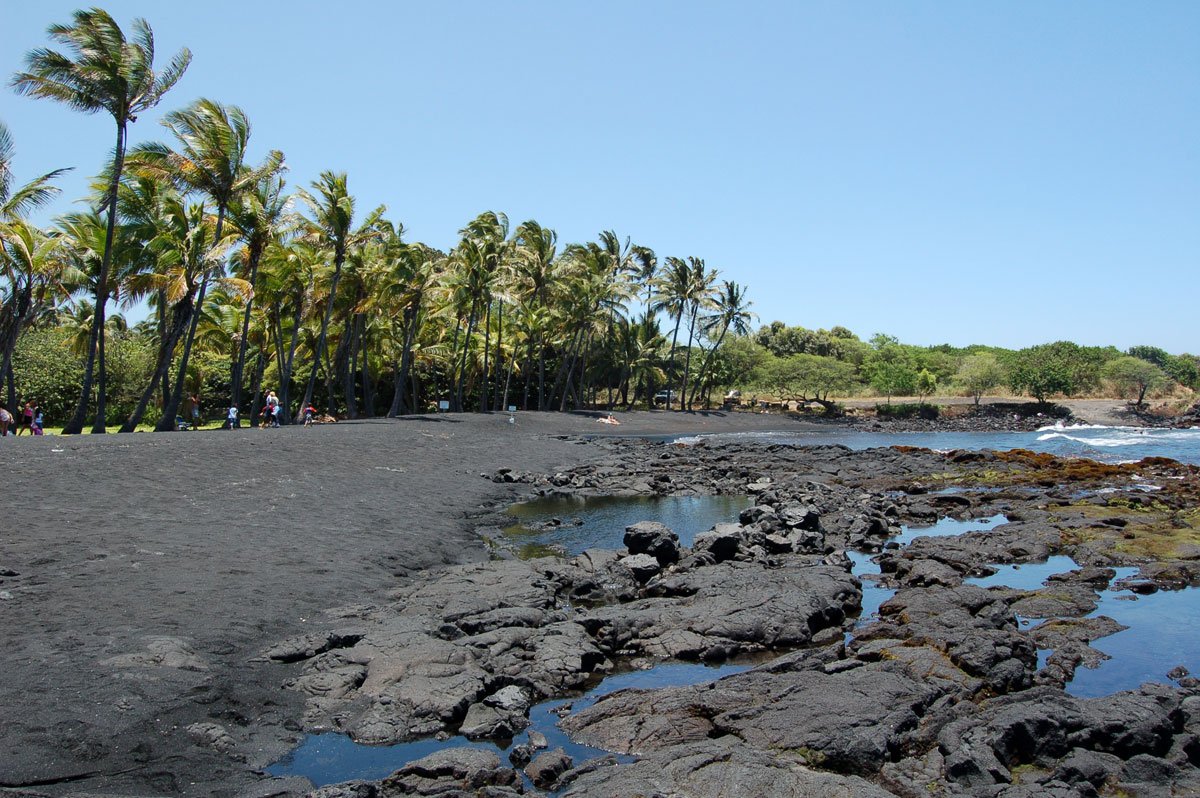
Punaluʻu Black Sand Beach, located on the southeastern coast of Hawaii’s Big Island, is renowned for its striking black sand, formed from basaltic lava. When lava from the nearby Kilauea Volcano meets the ocean, it cools rapidly, shattering into tiny fragments that, over time, accumulate to create the beach’s signature black sand. This unique natural feature is complemented by a dramatic landscape of swaying palm trees, lava rocks, and the rhythmic sound of waves.
Punaluʻu Black Sand Beach — Quick Facts
- Current access: Listed as closed in HTA’s August 19 Lala update; verify the entrance and parking before driving
- Location: Kaʻu coast near Highway 11 mile marker 56, between Pāhala and Nāʻālehu
- Swimming: Not recommended — frequent high surf and strong rip currents make it dangerous
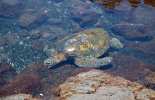
- Sea turtles (honu): Hawaiian green sea turtles bask on the sand regularly — NOAA recommends staying at least 10 feet away, and disturbing them is illegal
- Hot sand caution: Black sand absorbs heat and gets extremely hot midday — wear sandals or water shoes
- Nearby: Punaluʻu Bake Shop is temporarily closed after Hurricane Lala, with no reopening date announced
- Amenities: Do not assume restrooms, picnic areas, parking, camping, or staffing will be available after August 29
The beach is also a haven for wildlife, particularly Hawaii’s endangered green sea turtles (honu), which can often be seen basking on the sand or swimming offshore. Occasionally, visitors may spot the critically endangered hawksbill turtle (ʻea), though sightings are rarer. Swimming and snorkeling are possible at Punaluʻu, but the waters can be rough, so it’s best suited for experienced swimmers. The beach offers a chance to experience the beauty of Hawaii’s volcanic origins and its diverse marine life.
History of Punaluʻu Black Sand Beach
Punaluʻu Black Sand Beach holds significant cultural and historical value in Hawaiian history. The name “Punaluʻu,” meaning “spring water” in Hawaiian, reflects the numerous freshwater springs that flow beneath the lava rock along the shore. These springs were vital to ancient Hawaiians, providing fresh water even during times of drought. According to legend, locals would dive into the ocean with gourd vessels to collect freshwater rising through the seafloor—a testament to their ingenuity and resourcefulness.
The beach was not only a place of sustenance but also a gathering spot for aliʻi (Hawaiian royalty) and commoners alike, drawn by its beauty and the life-sustaining freshwater springs. Today, Punaluʻu remains a beloved destination for both locals and visitors, offering a glimpse into Hawaii’s rich cultural and natural heritage.
Directions to Punaluʻu Black Sand Beach
Punaluʻu Black Sand Beach is along Highway 11 on Hawaii’s Big Island, between Pāhala and Nā‘ālehu near mile marker 56. Under ordinary conditions, the established route turns makai from Highway 11 toward the beach park. Current access is not ordinary: confirm that the park has reopened and that the established entrance and designated parking are available before leaving. Do not use an improvised road, shoreline route, or unmarked parking area if the former county entrance is closed.
Amenities at Punaluʻu Black Sand Beach
The former county lease covered parking, pavilions, bathrooms, and campgrounds. Hawaiʻi County says those facilities and improvements revert to the landowner after August 29, 2026. The County has not confirmed which amenities, if any, will operate under the post-lease arrangement.
Until a current operator publishes details, arrive self-sufficient only after access is confirmed. Do not count on restrooms, showers, trash service, picnic tables, grills, camping, or county staff. Follow every posted instruction and use designated parking only.
Essential Tips for a Great Punaluʻu Black Sand Beach Visit
Since this beach features black sand, it can get scorching when exposed to direct sunlight, so please be careful if you decide to lie down! You may consider bringing a towel or mat for comfort and protection from sunburn. Also, consider wearing rubber slippers to protect your feet. Swimming is not recommended at Punaluʻu Black Sand Beach because frequent high surf and strong rip currents make swimming dangerous.
Enjoyable Times at Punaluʻu Black Sand Beach
Fun Activities at Punaluʻu Black Sand Beach
The Black Sand Beach has so much to do for all visitors. Take time to enjoy this piece of paradise.
Watching turtles bask in the sun: What makes Punaluʻu Black Sand Beach unique is that it is home to several sea turtles called honu. They often come up on the black sand to rest. Honu are protected species, so do not touch, chase, feed, or otherwise disturb them. NOAA recommends watching from at least 10 feet away; give them more room if your presence changes their behavior. You can sometimes also encounter the rare hawksbill turtle (honuʻea) in the water.
Picnicking: Only plan a picnic after current access and facility rules are published. The former county park had picnic facilities, but their post-August 29 availability is not confirmed. Bring water, carry out everything you bring in, and do not enter if the established access is closed.
Sunbathe: If you want to work on your tan, this is the place to do it! Bring a mat or towel and find yourself a good spot. The black sand soaks up heat from the sun, so it's always warm here, even when it's too cold to swim.
Family Activities at Punaluʻu Black Sand Beach
Punalu'u can be a memorable family stop when the established access and facilities are operating. For now, families should wait for a current access notice, especially if anyone needs reliable parking, restrooms, shade, or an accessible route.
Nearby Attractions and Sights of Punaluʻu Black Sand Beach
Punaluʻu Bake Shop: The nearby Punaluʻu Bake Shop, visitor center, and online store are temporarily closed after Hurricane Lala damage, with no reopening date announced. Check the bakery’s website before planning a stop.
Volcanoes National Park: Many tourists flock to Volcanoes National Park in Hawaii to see an active volcano. The park has exciting sights, including an overlook that provides a great view of the Kilauea crater. The caldera is the main attraction here.