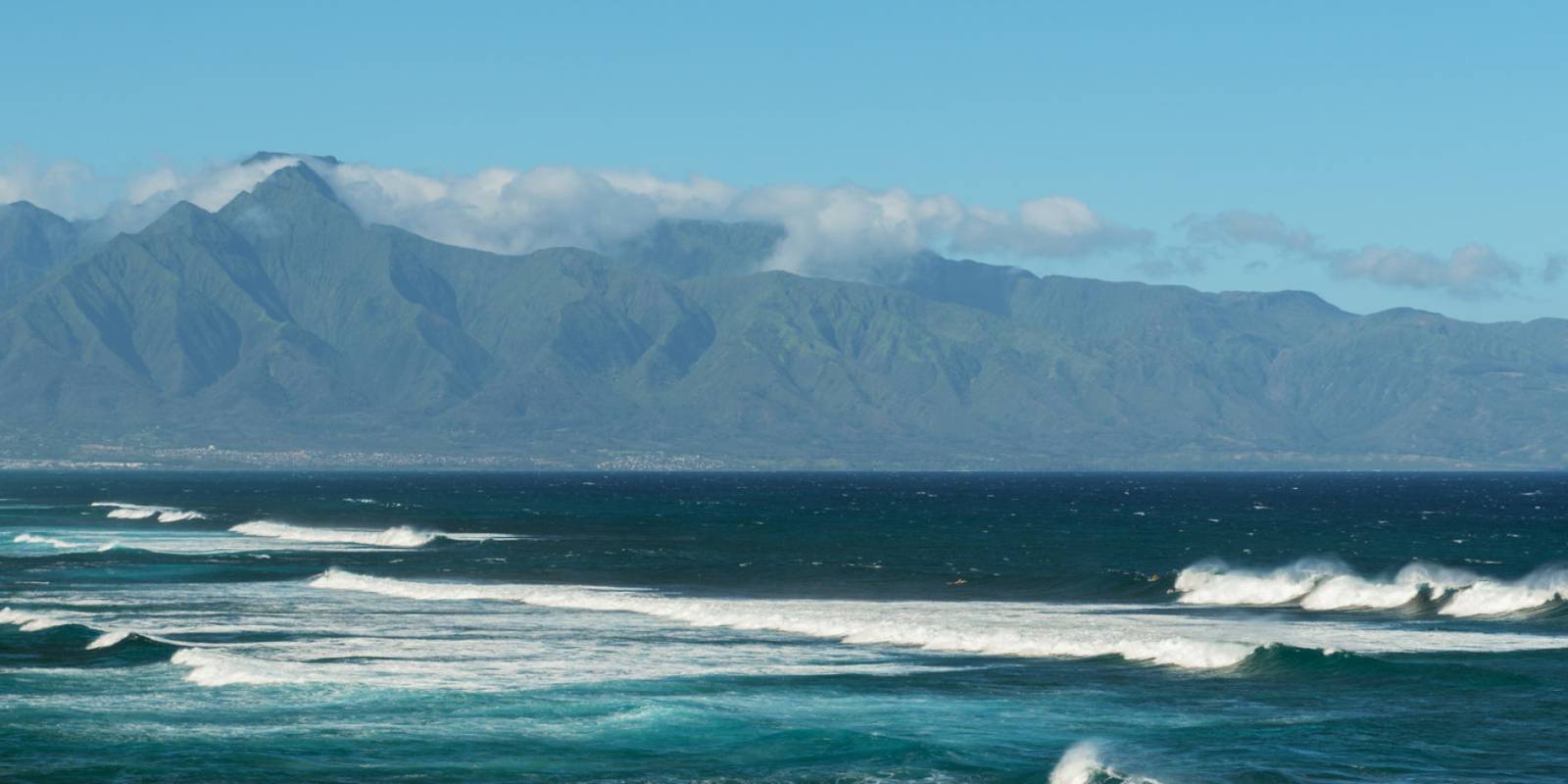


The 2026 Aloha Classic is set for October 19-30 at Hoʻokipa Beach Park on Maui’s North Shore. The Professional Windsurfers Association event page now confirms the dates, venue, and men’s and women’s wave disciplines. That is enough to plan the trip, but not enough to lock a single competition day months ahead. This is a wind-and-wave event spread across a 12-day window. Treat the Aloha Classic as a flexible North Shore bonus, keep one or two movable days in your Maui itinerary, and make the official event site your source for the current call after you arrive.
What is confirmed for 2026
The official Aloha Classic site carries the organizer’s current event overview. It also contains inconsistent language about whether this stop is the tour final or pre-final, so do not use that distinction to make a travel decision. The PWA’s confirmed dates and venue are the stable planning facts. The organizer has not posted a visitor-ready day-by-day heat schedule or an event-specific parking plan. Use its site for updates close to travel instead of relying on an old social post or a generic Maui events calendar.
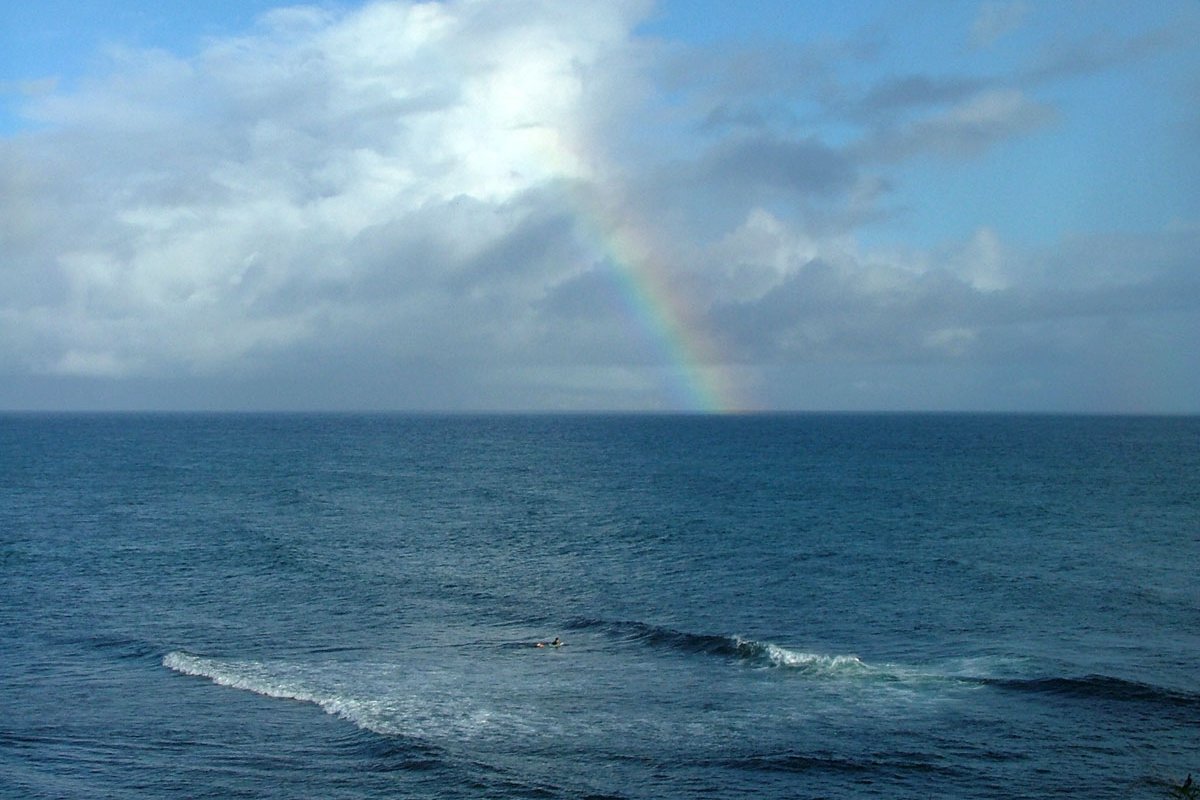
Conditions can change quickly on Maui's North Shore. Keep the event site and current surf forecast handy rather than betting the trip on one day.
The decision that matters: event window or running day
The October 19-30 event window is firm enough to choose travel dates. It is not a promise that competition will run on the particular day you visit. If you mainly want to watch heats, flexibility matters more than being there on opening day. Leave at least two possible North Shore days between October 19 and 30. Check the official Aloha Classic site and the National Weather Service Hawaiʻi surf forecast close to the day. The surf forecast is context, not an event call; organizers decide whether and when to run. The practical hierarchy is simple: organizer update first, forecast context second. If the organizer has not announced competition, do not drive across Maui because a forecast app shows wind arrows.
Where to watch and what the park actually provides
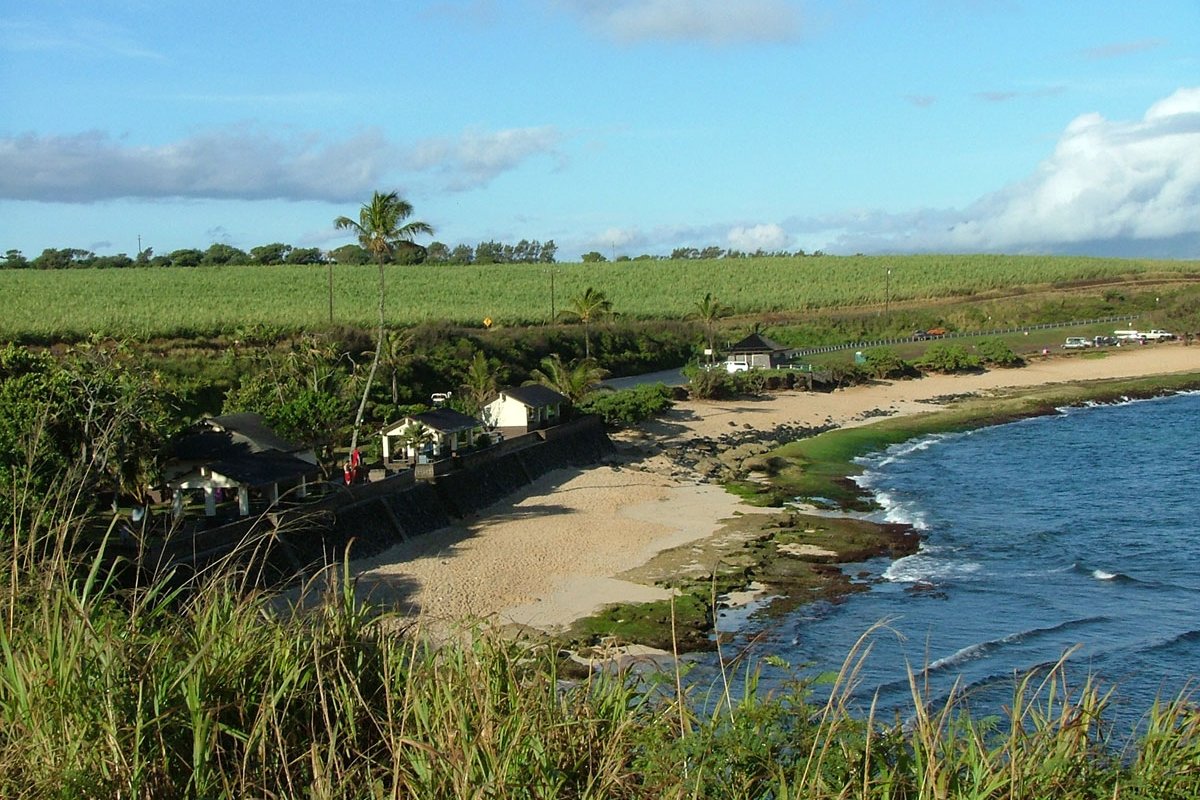
Hoʻokipa is a county beach park at Mile Marker 9 on Hāna Highway, east of Pāʻia. The bluff lookout gives spectators the broadest view of the reef, while the lower park puts you closer to the beach, pavilions, and restrooms. Stay behind barriers and follow event staff directions; competition operations may change which area works best on a given day. The County of Maui’s current park listing lists three parking areas with more than 170 spaces, more than 30 street spaces, public restrooms, outdoor showers, drinking water, and ADA access at the restroom pavilion and main parking area. Those are normal park details, not an event parking promise. The organizer has not yet published a 2026 spectator parking or traffic plan. On a competition day, follow posted signs and any County notice rather than improvising a shoulder space along Hāna Highway. If parking looks chaotic, leave and use your second flexible day.
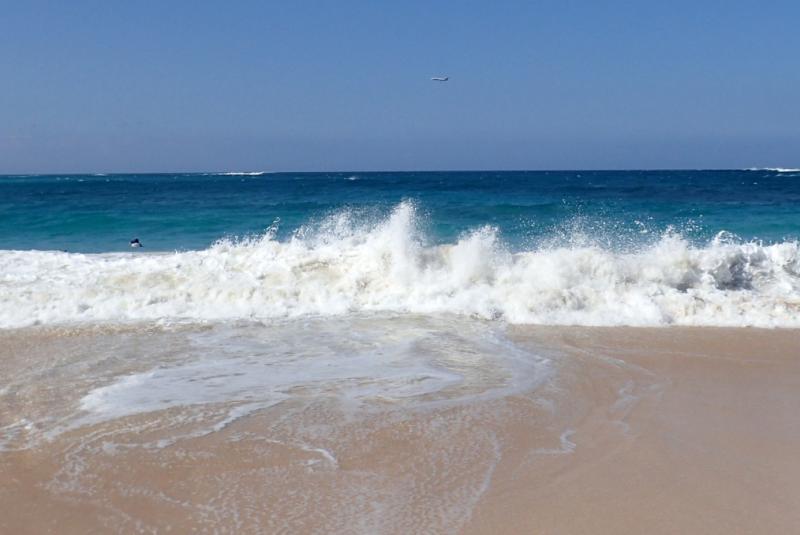
North Shore surf deserves space and attention even away from the contest. Watch from dry sand unless lifeguards say conditions fit your ability.
Build a North Shore day that still works on hold
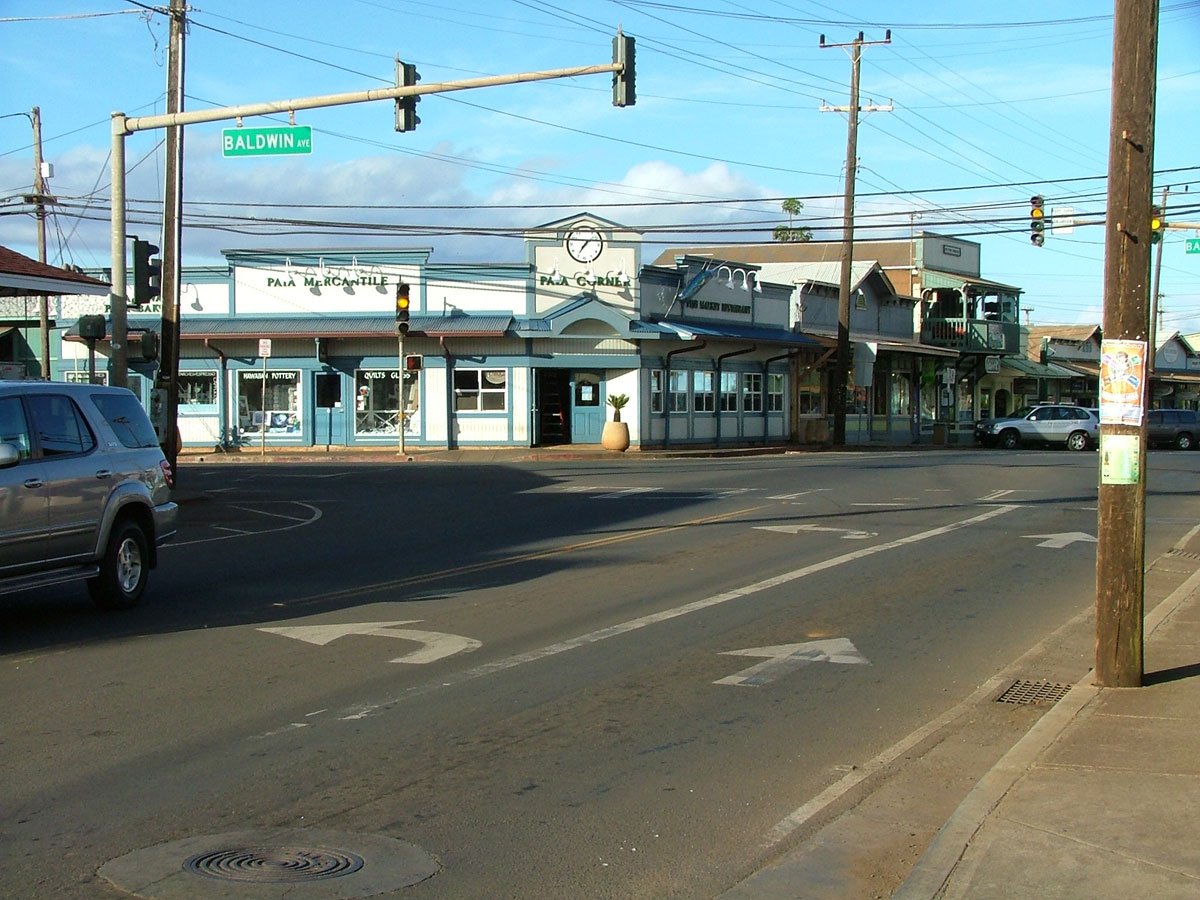
A lay day should not wreck the itinerary. Start in Pāʻia, check the official event status, and then choose between Hoʻokipa and a backup plan. If heats are on, head to the park and keep the rest of the day light. If the event is on hold, spend time in town, use the overlook for a short conditions check, or move to another North Shore stop without waiting in a parking lot. Do not combine a condition-dependent competition stop with a timed reservation deep on the Road to Hāna. The two plans pull in opposite directions: the contest asks you to wait for a same-day call, while a Hāna day works best with an early start and a deliberate route. Save the longer drive for a confirmed hold day or a separate date. A rental car is the simplest way to keep this flexibility. If you have not booked one, compare current Maui rental-car options before the event window rather than assuming you can add a car after arrival.
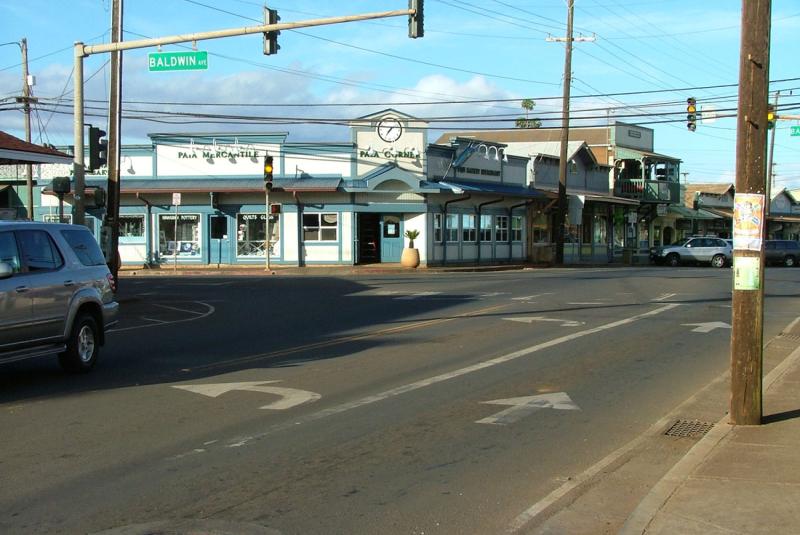
Pāʻia is the practical reset point for an Aloha Classic day: check the event call here before committing to the park.
What to pack for the bluff
Bring water, sun protection, a light rain layer, and binoculars if you want a closer look at the heats from the bluff. Keep loose hats and wrappers controlled in the wind. The park has water and restrooms under normal operations, but a crowded event day is not the time to depend on finding food at the beach. More important, treat the competition water as expert territory. The official event page describes Hoʻokipa as a technical venue with shorebreak, currents, reef, rocks, and shifting wind. Watching elite riders handle it is the point. It is not evidence that the same water is suitable for a visitor swim.
The August booking checkpoint
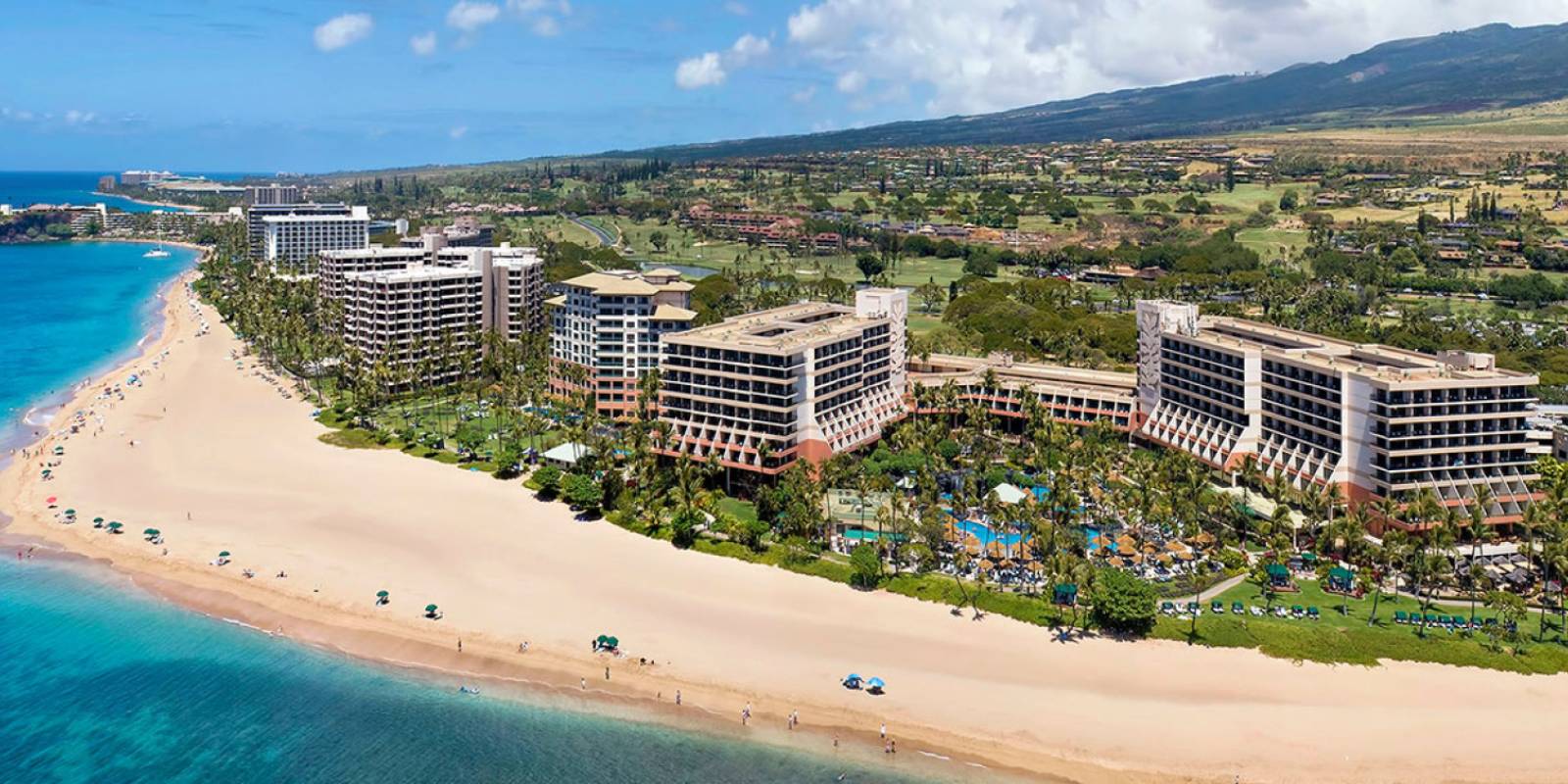
With the October 19-30 dates confirmed, August is the useful time to make two decisions: whether your Maui dates overlap at least two possible competition days and whether to base part of the trip near the North Shore. Do not build the entire vacation around a predicted finals day; no public day-by-day spectator schedule is posted yet. Before travel, revisit the official event page for the daily format, parking instructions, and any access rules. After arrival, use organizer updates to decide whether to drive to Hoʻokipa. That keeps the Aloha Classic in the role it fits best: a remarkable spectator opportunity when the ocean cooperates, without turning a flexible event into a brittle itinerary.
Plan the rest of your Maui North Shore visit: