

The Eo e Emalani i Alakaʻi Festival is one of the most distinctive cultural days on Kauaʻi’s calendar, and the 2026 edition lands at Kōkeʻe State Park on Saturday, November 7. The 38th annual gathering runs from 9 a.m. to 4 p.m., and it remains free to attend — a real outlier in a state where most flagship festival days carry a real ticket price. If you’re already considering a fall Kauaʻi trip, this is the kind of day to build a long weekend around, not the kind to squeeze in on the drive between Waimea Canyon and your hotel. I’m writing this in late June so there’s still meaningful runway to book flights and the right side of the island. Kauaʻi’s western Mānā plain and the upcountry around Waimea, Hanapepe, and Kekaha is the closest base, and that corner of the island books up faster than visitors expect for the first half of November. Lock dates now, then refine the day’s plan as the festival program firms up over the late summer.
What the festival actually is
Eo e Emalani i Alakaʻi commemorates Queen Emma Kaleleonālani’s 1871 journey from the Kauaʻi south shore up to Kōkeʻe and into the Alakaʻi swamp. The festival is organized by Hui o Laka, the nonprofit stewards of the Kōkeʻe Natural History Museum, and it has been held annually since 1989. Queen Emma was the widow of Kamehameha IV and had lost her only son, Prince Albert, in 1862 and her husband in 1863. The 1871 trip — by horseback from her Lawaʻi house up the Waimea bridle path, with an entourage that reportedly numbered around one hundred companions including hula performers, musicians, and family — was both a personal mourning journey and a deliberate act of seeing the upland country her late husband and his brother had described to her. That history is what the festival re-enacts. Hawaiian music begins on the festival meadow at 9 a.m. At 10 a.m., a woman portraying Queen Emma rides in on horseback with her attendant and her guide Kaluahi, and protocol ceremonies begin. Hula hālau perform throughout the day. Tents around the seating area sell food, exhibits cover the natural and cultural history of Kōkeʻe and the Alakaʻi, and lei-making demonstrations run on a rolling basis. The whole thing has the texture of a community gathering that happens to welcome visitors, not the texture of a staged tourist event — which is a meaningful distinction if you’re allergic to the latter.
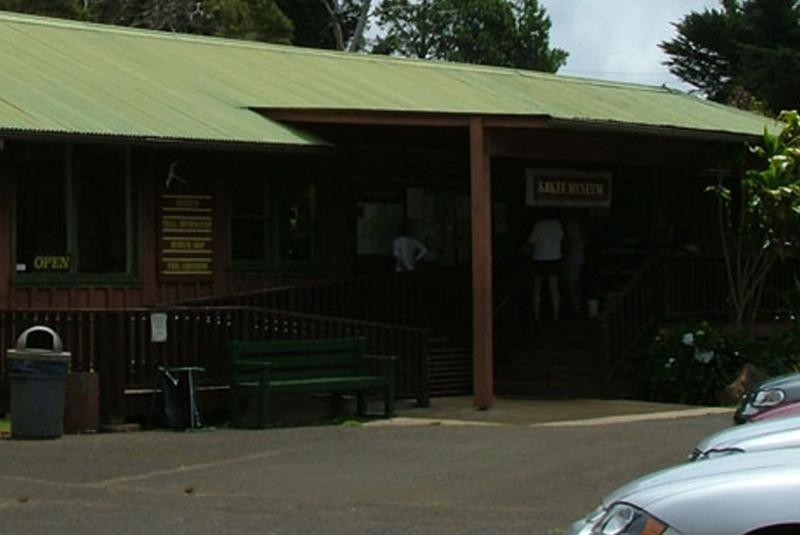
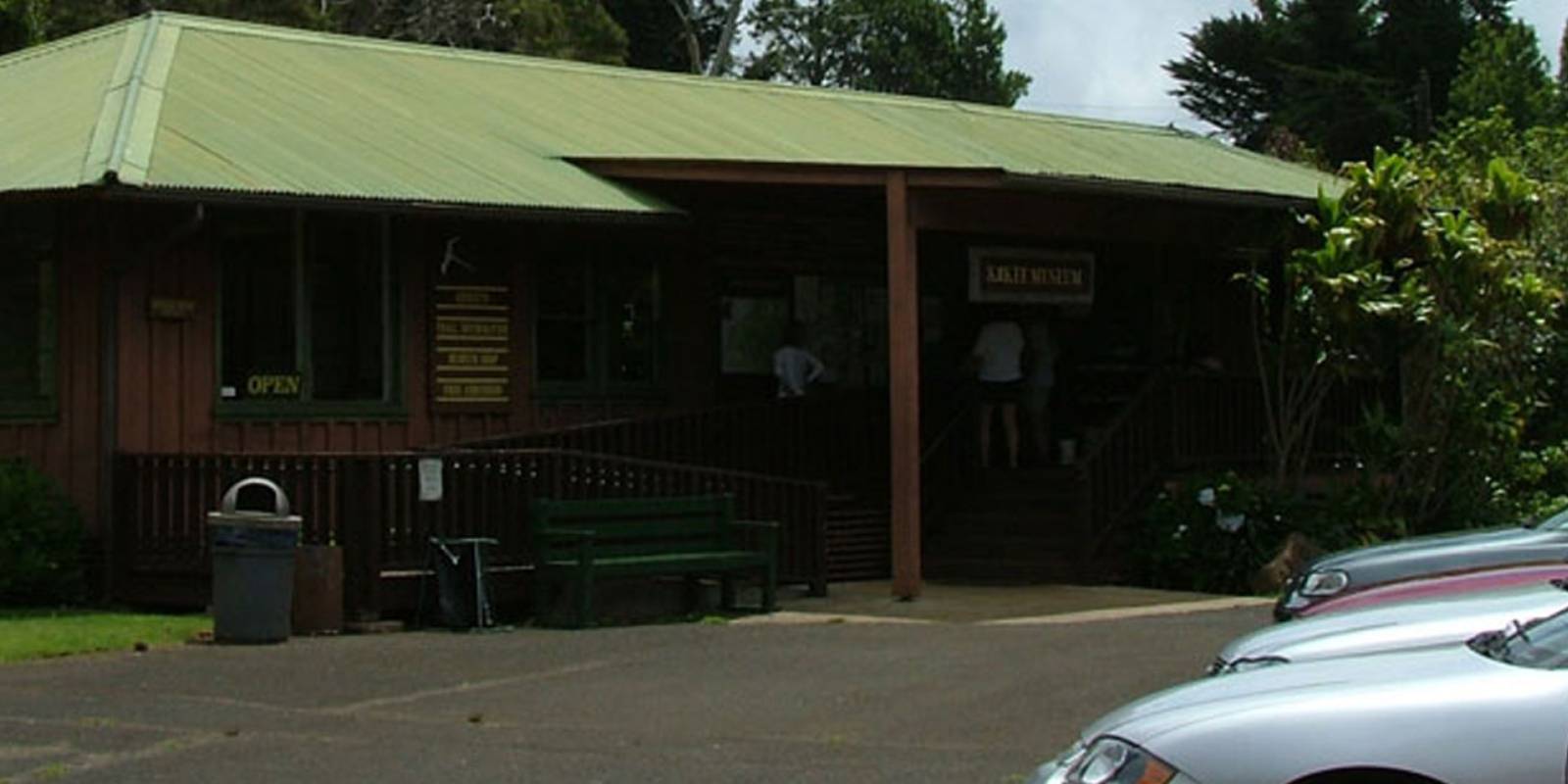
The meadow in front of the Kōkeʻe Natural History Museum is where the protocol ceremony, the music stage, and most of the tents set up on festival day.
Why a November Kauaʻi trip works
Three things tend to stack in your favor in the first half of November on Kauaʻi, and a festival-anchored trip uses all three at once. Hurricane season is winding down. The Central Pacific hurricane season runs through November 30, per National Hurricane Center climatology, but tropical activity affecting Hawaiʻi tends to taper through October into early November. Trade winds typically re-establish, and the southwest side of Kauaʻi — the Waimea, Hanapepe, and Poʻipū corridor that is your most likely base — sits in the consistently driest part of the island. Our Hawaiʻi hurricane season explainer walks through how to read watches and warnings if a late-season system does show up. The shoulder hasn’t tipped yet. Thanksgiving week is a different rate environment — lodging in the Poʻipū cluster jumps and easy reservations evaporate. The first two weeks of November are still inside the post-Labor-Day shoulder for most Kauaʻi properties, and you can usually still find reasonable air to Līhuʻe out of West Coast hubs. The festival itself is on a Saturday, so a Thursday-to-Tuesday five-night trip slots neatly inside that window. The upcountry runs cool. Kōkeʻe sits at roughly 3,500–4,000 feet, which on a typical November day means mid-60s to low 70s on the meadow and noticeably cooler than the coast. Pack a light fleece and a rain shell — the Alakaʻi gets weather even when the south shore is sunny. The Kōkeʻe Lodge cabins and the meadow itself are exposed enough that any passing squall on festival day moves through quickly, but the upland weather genuinely is its own thing.
Where to base for the trip
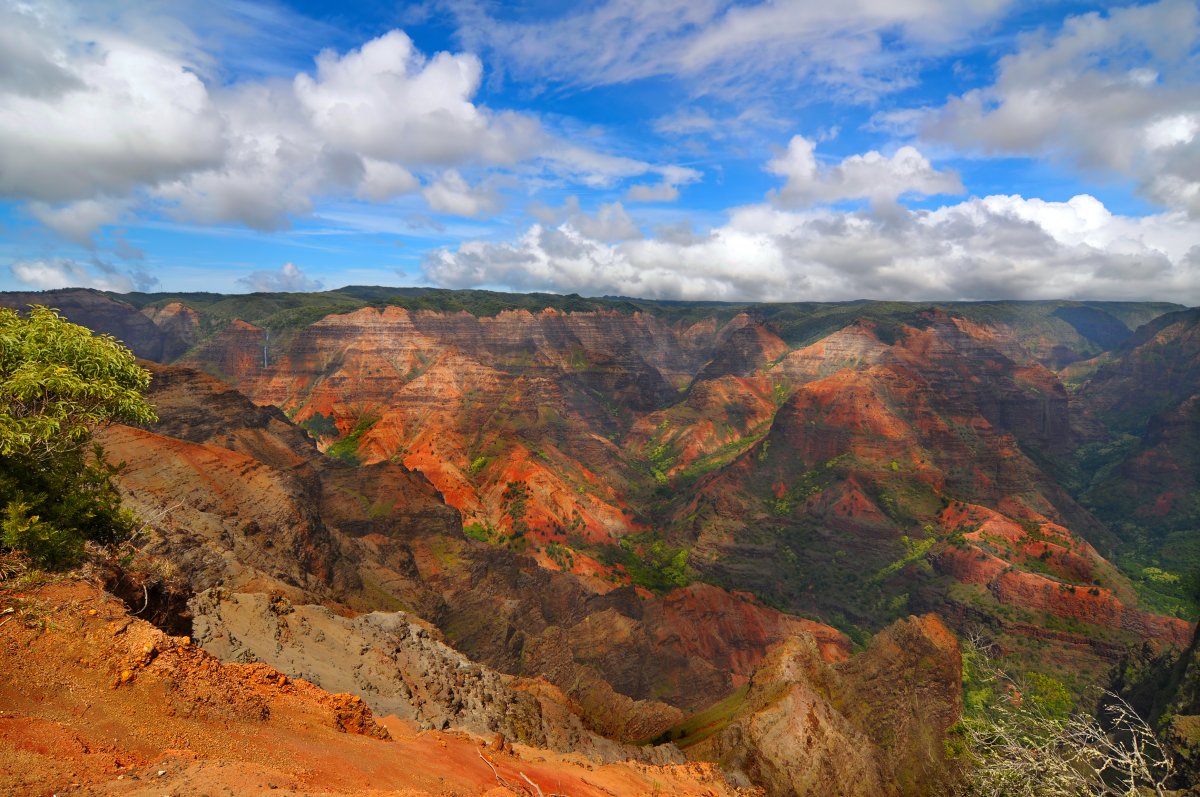
Two strategies work, and which one fits depends on what you want the rest of the week to feel like. The Waimea / Hanapepe / Kekaha side. This is the geography that makes festival morning easiest. From Waimea town it is roughly thirty-five to forty minutes up Highway 550 to the museum meadow — a winding, beautiful road climb past Waimea Canyon. Waimea Canyon itself is a separate full-stop on any first-time Kauaʻi trip and is on the same road, which means you can layer canyon stops and an afternoon at the Kalalau Valley overlook into the festival weekend without retracing miles. The Waimea Plantation Cottages are the most distinctive lodging in town; Hanapepe and Kekaha have a small handful of vacation rentals. Poʻipū. The south shore resort cluster is the obvious base if you also want a full beach week. It is about an hour from Poʻipū to the Kōkeʻe meadow on festival morning — long enough that you want to leave before 8 a.m. to get a parking spot, short enough that it works. The Poʻipū side has the deepest restaurant bench, the most lodging inventory, and the best swimming conditions on the island in November. Our Poʻipū overview covers what to expect. Whichever base you pick, book by early September if you’re targeting the festival weekend. The west-side inventory is thin enough that any of the half-dozen Waimea-area places fills up first, and once that happens you fall back to Poʻipū and the longer morning drive.
Festival-day logistics that actually matter
A few practical realities worth setting expectations around. Parking is the bottleneck. The Kōkeʻe meadow has a modest paved lot and roadside parking on the highway shoulder for the rest. By mid-morning on festival day the lots fill and traffic backs up on 550 below the museum. Plan to arrive by 9 a.m. or earlier if you want a close-in spot. The lots are not the place to ration patience. VIP packages exist if parking and seating matter. Hui o Laka has historically sold a small VIP package that includes a shuttle from the Kekaha Neighborhood Center, reserved covered seating on the meadow, a catered meal prepared by Hālau Ka Pā Hula O Hinano, and a festival shirt. It is the simplest way to avoid the parking question and to underwrite the festival’s nonprofit organizer at the same time. Contact the Historic Waimea Theater and Cultural Arts Center for current availability — the on-sale window typically opens in late summer. Bring layers and rain protection. Even in November the Alakaʻi is a wet upland forest, and the meadow is exposed. A light fleece, a packable rain shell, and a small ground blanket or low folding chair will make a several-hour stay far more comfortable than relying on whatever the day delivers. Cell service is unreliable. The Kōkeʻe end of Highway 550 has spotty coverage on most carriers. Download anything you need — directions, the festival schedule, our Kōkeʻe State Park overview — before you leave the coast. Plan on renting a car. There is no meaningful transit to Kōkeʻe, and rideshare to the meadow from Līhuʻe airport is not practical. Reserve a vehicle through Discount Hawaii Car Rental when you book lodging — Līhuʻe (LIH) rates fluctuate, and pinning down shoulder-season pricing early is easier than chasing it later.
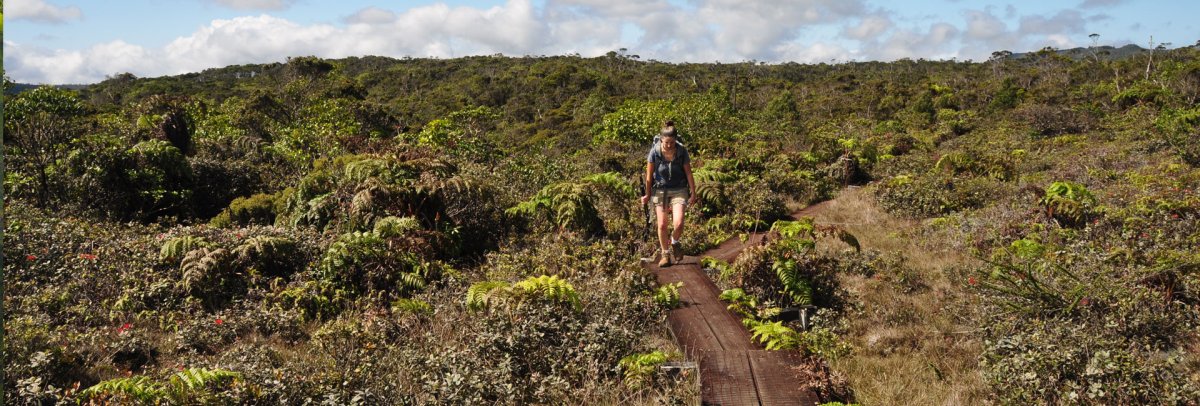
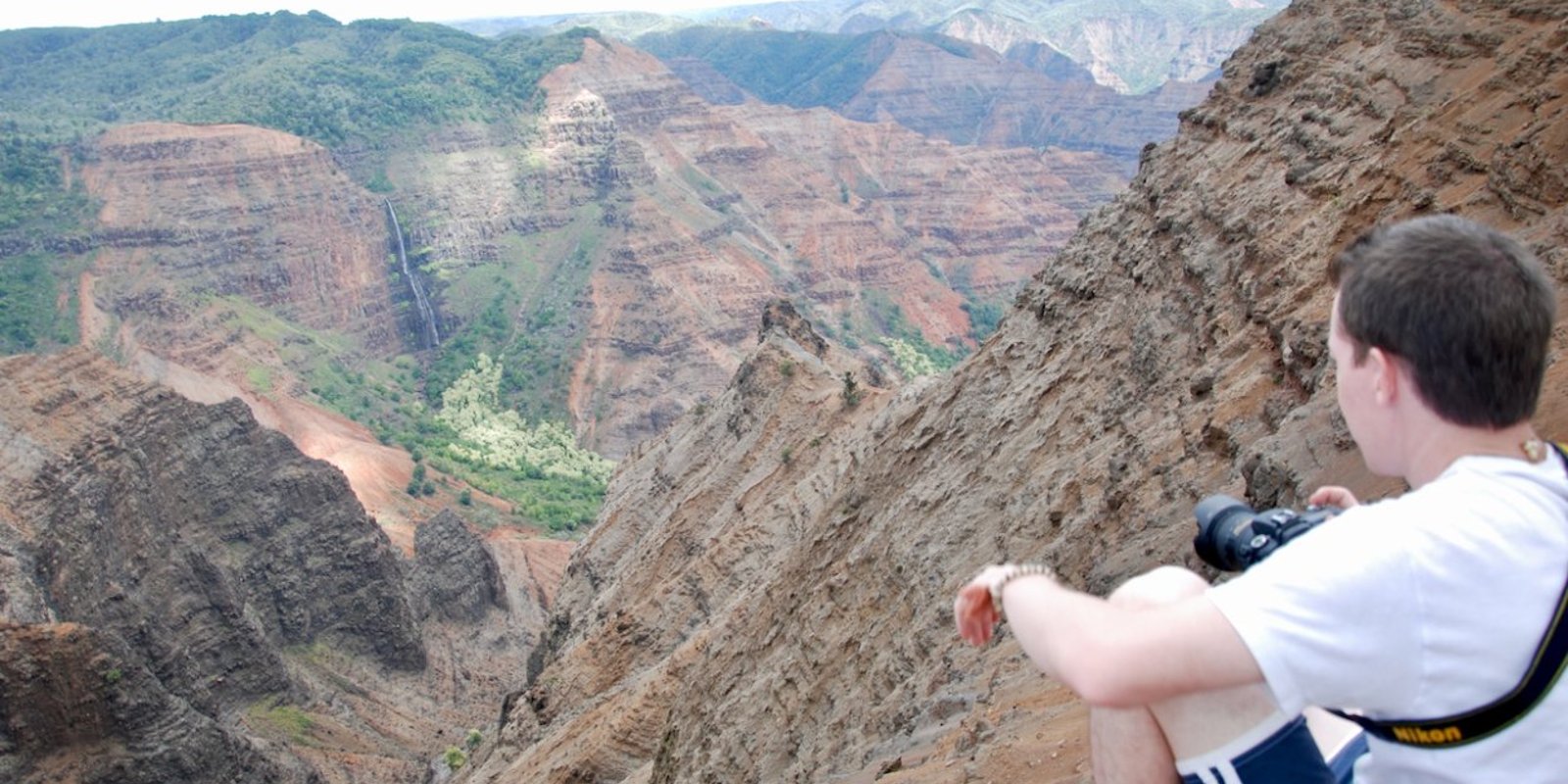
The Alakaʻi sits at roughly 4,000 feet and is one of the wettest, most remote landscapes in the Hawaiian Islands. Queen Emma's 1871 party left the horses behind once the swamp began and continued on foot.
How to spend the rest of the weekend
A festival-anchored Kauaʻi weekend wants three or four other anchors. Build around these. The Waimea Canyon and Kalalau Lookout drive. Pair this with festival Saturday if you arrive in town the day before, or do it Sunday as a slower drive after the festival. The road from Waimea up to the Puʻu o Kila lookout is one of the most scenic stretches in Hawaiʻi and shares almost all of its mileage with the festival route. An Alakaʻi or Pihea boardwalk hike. The Alakaʻi Swamp Trail and the Pihea Trail both start near the festival meadow and take you into the upland forest the festival is named for. Either one is a strong half-day pairing for Sunday morning if you have the weather. Check the latest trail conditions on our Hawaiʻi trail and road status page before you commit. A south-shore beach day. Poʻipū’s beach corridor — Poʻipū Beach Park, Brennecke’s, Shipwreck — is reliably calm enough for swimming on most November days. Sunday or Monday is the day to schedule it. One Hanapepe Friday Art Night. If your trip overlaps a Friday, the small town of Hanapepe runs a weekly art-walk evening with open galleries, food trucks, and live music. It is a low-key counterpoint to the formal protocol of festival Saturday and a useful way to anchor an extra day on the west side.
Booking timeline if you're starting today
The festival sits roughly four and a half months out from this article. Three pulls. Now through mid-July: book a flight to Līhuʻe (LIH) for the weekend bracketing November 7. Set fare alerts and watch the typical mid-September dip when summer demand falls away. A flexible-date search on Google Flights will show you whether Thursday-to-Tuesday saves materially over Friday-to-Sunday. July through early September: book lodging. Decide between a west-side base in Waimea or a south-shore base in Poʻipū. Watch the Hui o Laka site for the festival’s official program and the on-sale window for VIP packages. September through mid-October: if you want a VIP package, buy it the day it goes on sale. Layer in the non-festival side of the trip — canyon drive, beach days, Hanapepe Friday — and confirm the car rental. The last two weeks before the trip: watch the weather, check trail conditions for any closures on Pihea or the Alakaʻi boardwalk, and download what you need offline.
Why this one is worth the trip
Many of Hawaiʻi’s biggest cultural festivals are competitions — Merrie Monarch on the Big Island, Prince Lot Hula on Oʻahu, Moku O Keawe in Waikoloa. Eo e Emalani is not. It is a protocol ceremony in honor of a queen who rode into the mountains to grieve, and a community day at the doorstep of the most remote rainforest in the islands. The performances are dedicated, not judged. The setting is the Kōkeʻe meadow at 4,000 feet, not a competition floor. The crowd is small enough that you can park, walk in, find a place on the grass, and stay all day without ever feeling like a tourist at an event. That is what makes it a fall trip worth planning around. Most Kauaʻi visitors drive up to Kōkeʻe once, glance at Waimea Canyon, and turn around. The Eo e Emalani Festival is the day a year when the meadow is a living place — when the music and the protocol and the smell of the upland forest line up in a way that you can’t recreate any other weekend on the calendar.