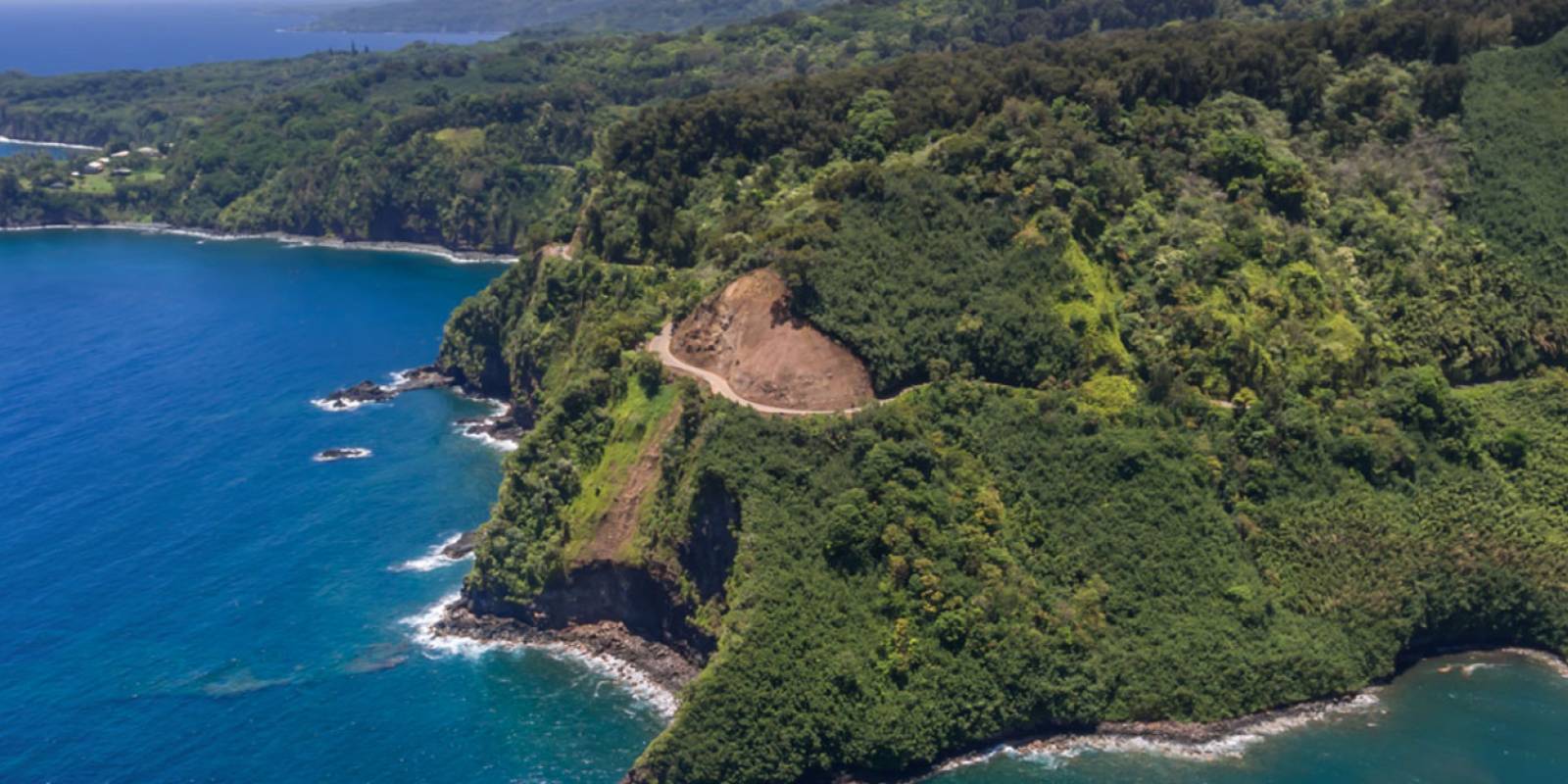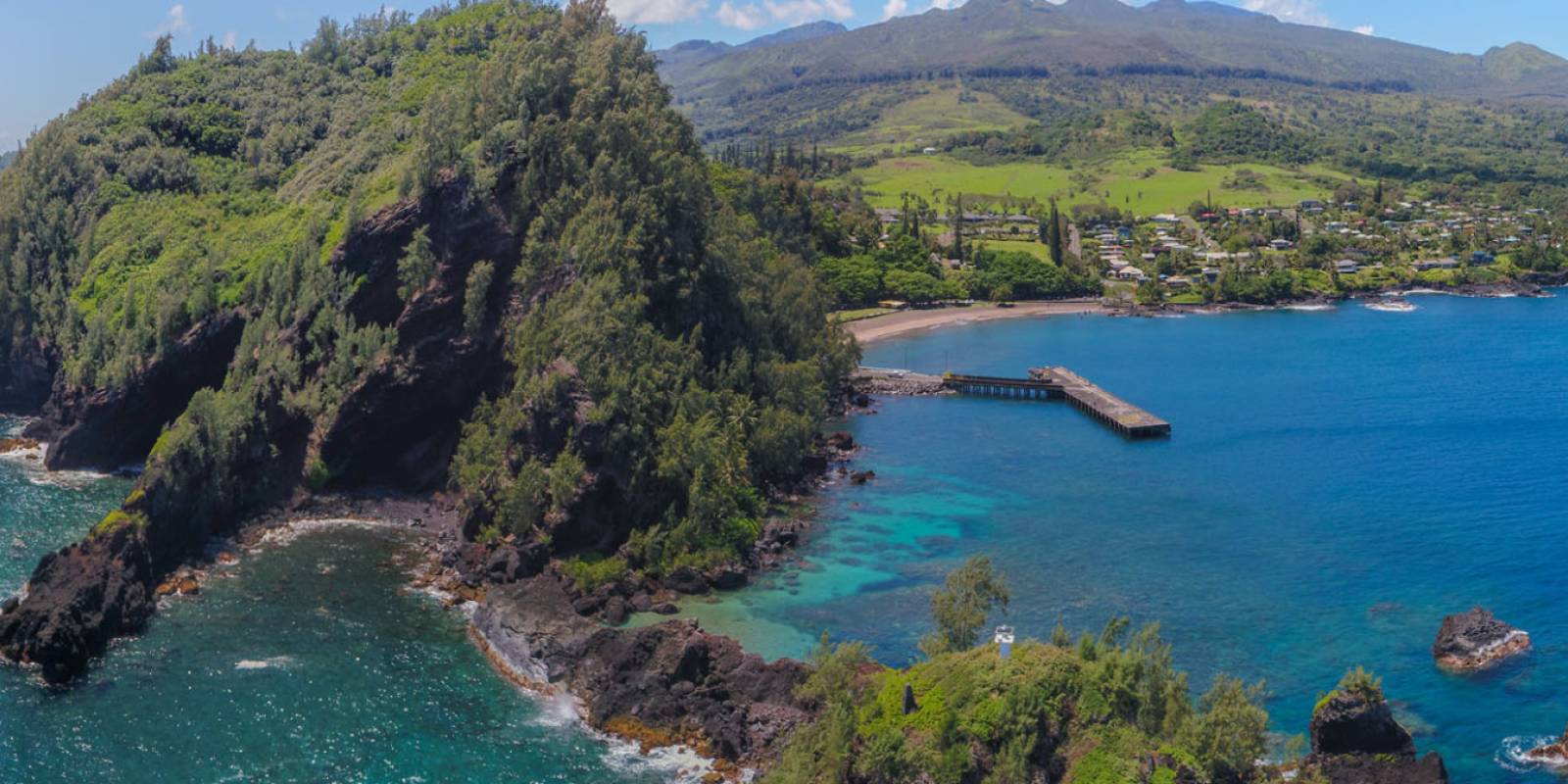
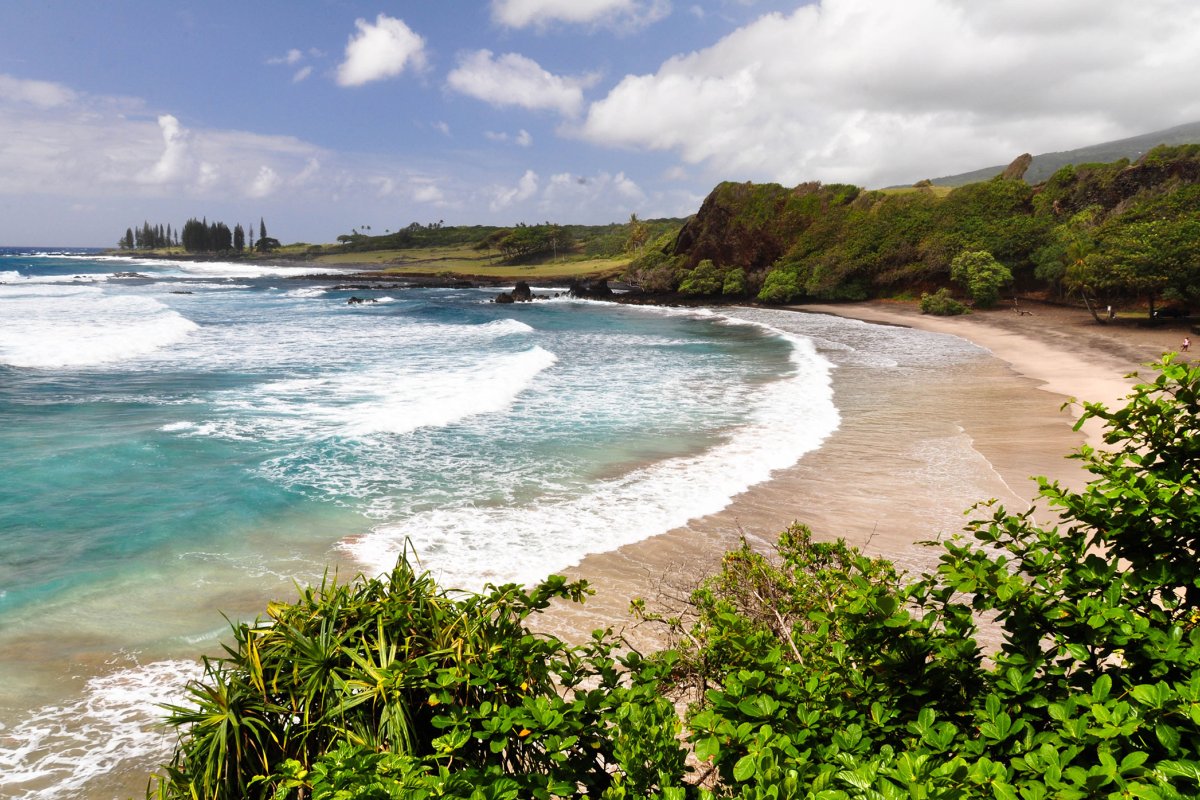


The Hana Relay is the September weekend most Maui visitors miss entirely. On Saturday, September 12, 2026, six-person teams will leave the 5 a.m. start on Mua Street in Kahului and run the Road to Hana from west to east — finishing at the Hana Ball Park later that day. The Valley Isle Road Runners have been putting it on since 1972, with recent gaps only for COVID. It’s one of the longest-running road races in the islands. If you’re already planning a Maui trip in mid-September, this is a weekend to either build around the relay or deliberately avoid. The difference is whether you want to watch a community tradition unfold across the Hana Highway, or whether you want to drive that road in peace without sharing it with hundreds of support vans. Both are legitimate. They are not the same trip.
What the Hana Relay actually is
The Hana Relay is a road relay of about 52 miles from Kahului Airport to the Hana Ball Park. Teams of six runners each take turns covering the course in sequence — one runner on the road at a time, with the rest of the team following in a support van that leapfrogs ahead between exchanges. Each runner ends up covering somewhere between seven and ten miles total, broken into multiple legs. The course is the Road to Hana itself — about six-hundred-plus curves and more than fifty one-lane bridges, mostly oceanside, climbing and dropping through rainforest the entire way. It is not a fast course. Winning teams typically finish in under six hours; most recreational teams arrive in the eight-to-nine-hour window. Runners and support vehicles are on the road from before sunrise until well into the afternoon. HDOT expects about 75 teams and approximately 450 runners in 2026. It’s fundamentally a participant event, not a spectator event — but the spectators it does draw are families, friends, and Maui locals who turn it into a moving community day along the highway.
Why it's been running for fifty-plus years
The Hana Highway is the only paved road between Hana and the rest of Maui — for the small community on the east end of the island, it’s the everyday connection, not a scenic loop. The relay started in 1972 and has been the Valley Isle Road Runners’ anchor event since. Five decades later, it still feels like a community day rather than a race. Some teams are competitive and chase the open course record. Plenty more are recreational rosters of co-workers, friends, or extended family who treat the day as a moving reunion. That mix is what gives the event its texture, and why a lot of the local coverage focuses on team stories more than on overall finish times.
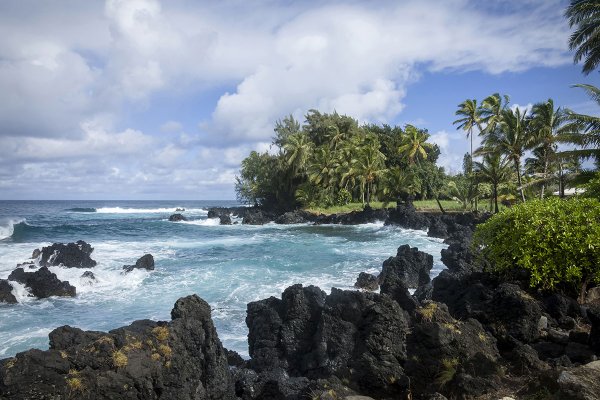
Keanae sits roughly halfway between the Kahului start and the Hana finish. The small village is also one of the most photographed stops on the road for anyone driving it.
If you're a visitor on Maui that weekend
Most visitors who happen to be on Maui that Saturday don’t realize the relay is running until they’re already on the Hana Highway watching teams of cheering runners trade off batons at a turnout. Here is how to think about the day so it doesn’t catch you mid-drive. The road is open and uncontrolled. The Hana Relay is not a closed-course event — it runs on the public highway with no traffic stops. Drivers share the road with runners the entire way. The legal speed limit applies, and runners stay on the shoulder where possible. In practice that means slower traffic, more frequent passing on a road that already has few good passing zones, and a much higher concentration of vans, trucks, and team support vehicles pulled over at turnouts. The right call most days is to skip the Hana drive on race Saturday. If your trip is on Maui only that one weekend and the Hana drive is the must-do, do it on Sunday or Friday rather than Saturday. The road is functionally the same drive on either side of the race day, and on Sunday morning the highway is unusually quiet — most of the support vans drove home Saturday night. If you do drive it on race day, do not assume a late start clears the course. HDOT says the relay begins at 5 a.m. and officially ends at 2:15 p.m., but participants may still be on the route after that time. There are no lane closures: runners use the shoulder facing traffic while support vehicles move between exchanges. Slow down, expect frequent roadside activity, and leave passing decisions to clear, legal sections of the highway. Hana itself is the best place to be on race-day afternoon. The town fills with finishing teams, families, and the lingering food-and-music energy of any community event in a small place. Hana has a real shortage of seats during finish hours — bring a folding chair if you want one — but the atmosphere is the closest thing visitors will get to a small-town parade in Hawaiʻi.
Where to stay if you want to anchor the trip around it
Two basing strategies make sense, and they are different trips. Hana town. The most race-immersive option but also the toughest to book. Hana’s lodging inventory is small: the Hana-Maui Resort on the Hyatt side, a scattering of vacation rentals, and the Waiʻanapanapa State Park cabins. Race weekend pulls on all of it, so start looking early if Hana is your base. If you can secure a Friday-to-Sunday window in town, you wake up at the finish line on race morning, walk to a quiet beach in the early afternoon, and watch teams roll in from late morning through the evening. Our Hana town overview covers the geography and the few places to eat. Central or south Maui. Wailea, Kīhei, Mākena, or Kahului base puts you well outside the race-day traffic on the Hana side but gives you the rest of Maui — and most of the island’s lodging inventory and restaurants. If your trip is primarily a beach week with the Road-to-Hana drive as one anchor, this is the realistic option. Drive the road on Friday or Sunday rather than Saturday. Compare Maui hotels here. Whichever side you pick, lock in a rental car early. Reserve through Discount Hawaii Car Rental when you book lodging.
Weather, road, and timing realities
Mid-September on Maui is still the warm half of the year. The leeward south and west sides run hot and dry, the Hana side runs a few degrees cooler and noticeably wetter, and the Hana Highway gets squalls year-round. The Central Pacific hurricane season runs through November 30 per National Hurricane Center climatology, so a tropical system can always shift the calendar — pack a light rain shell if you’re driving the road that weekend, and check current trail conditions on our Hawaiʻi trail and road status page before you commit to any side trips. Road work and slip repairs along the Hana Highway are an ongoing reality. The Hawaiʻi Department of Transportation posts current restrictions on its Maui roadwork page — check it before you commit to a specific morning departure time. Cell service is patchy on most of the highway and gets worse the closer you get to Hana, so download offline maps before you leave Kahului.
Hana town's main road, near the Hana Ball Park finish. The handful of buildings around it host most of the post-race gathering.
How to spend the rest of the weekend
A relay-anchored Maui trip wants two or three other anchors. Build around these. An early-morning Haleakalā summit drive. Sunday is the natural day. Reservations are required for summit sunrise entry — see our Haleakalā National Park overview for the current rules. A Wailea or Kīhei beach day. The south shore tends to be the calmest stretch of coastline on the island, and you can string together a snorkel morning at one of the protected coves and an afternoon at a wider beach. Our Maui beaches guide covers the trade-offs. A drive past Hana to the Kīpahulu side of Haleakalā. If you basecamp in Hana for race weekend, Sunday is the day to keep driving past Hana into the Kīpahulu section of Haleakalā National Park. The Pīpīwai Trail to Waimoku Falls and the ʻOheʻo Gulch pools are the headline stops. The standard park entrance fee covers both districts for three days, and no separate timed reservation is required for Kīpahulu — but check the park’s site for any temporary closures before you go. An Upcountry afternoon. Makawao town and the Upcountry farm corridor offer a cooler, slower counterpoint to the beach and the Hana Highway. Coffee shops in Makawao, a small handful of galleries, and the surrounding farms make for an easy Sunday-afternoon loop on the way back to Kahului if you flew in or out of OGG.
If your September trip overlaps the relay
If your Maui stay overlaps Saturday, September 12, make the Road-to-Hana decision before race morning. Hana inventory is thin, so confirm lodging and your rental car now if you plan to stay near the finish. Otherwise, drive the highway on Friday or Sunday and use race day for Haleakalā, South Maui, or another part of the island. If Saturday is your only possible Hana day, pre-download the route, leave extra time, and follow police and event traffic control. HDOT says runners will use the shoulder rather than a closed lane, but approximately 450 runners plus team vehicles will share the corridor from 5 a.m. until at least the official 2:15 p.m. finish. Cell service becomes less reliable toward Hana, so do not depend on a last-minute online reroute.
Why it's worth caring about even if you're not running
The most common Road-to-Hana experience for visitors is a one-day rental-car drive, an out-and-back of waterfalls, beaches, and roadside fruit stands, and a few photos. That is a fine way to see the road. It is also the only way most visitors ever see it. The Hana Relay is the day a year when the same road belongs to the running community of Maui. Six-person teams trade legs along the highway from before dawn until late afternoon, support vans roll between exchanges with the next runner stretching on the shoulder, and Hana town turns into a finish-line block party for a few hours in the early evening. The road is the same road. The energy is not. You don’t have to be a runner to appreciate it. You just have to be in the right corner of the island at the right time, and to plan around the traffic on race day rather than against it.
More Maui reading to pair with a September trip: