

The brochures skip this part: most of the best Hawaii activities for non-swimmers happen on land, in the air, or on a boat where you never get wet. If you can’t swim, don’t swim well, or just don’t love being out of your depth, you are not stuck on a lounge chair. Most of the islands are still wide open to you. I get this question all the time, usually from a parent, a grandparent, or someone who had a bad water scare years ago and never shook it. The honest answer: swimming is optional here. Some of Hawaii’s highest-rated experiences ask nothing of you but a seat and a seatbelt. This guide sorts activities by how much water you actually have to deal with. First the completely dry stuff, then the trips that put you on the water but keep you dry, then a few gentle shallow options for anyone who wants a taste of the ocean without going deep. Prices and schedules move around through the season, so book off each operator’s own page for current rates rather than trusting a number in any blog post.
Stay completely dry: land and air
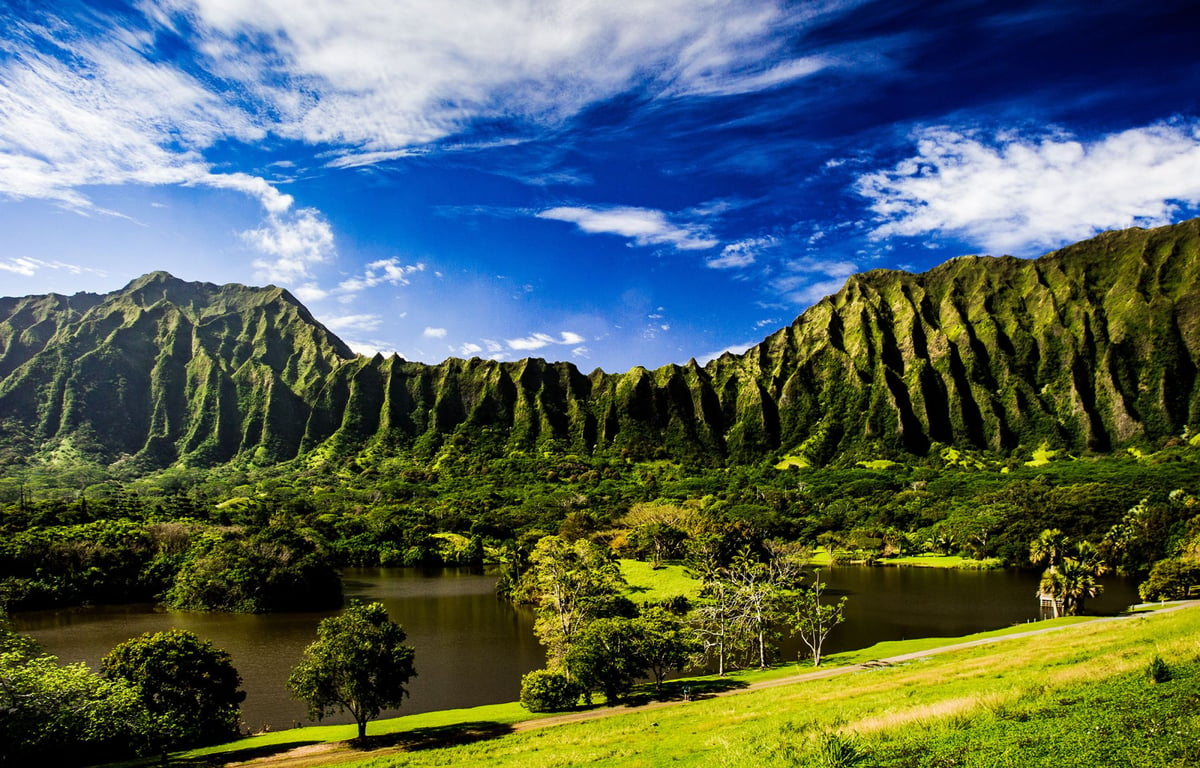
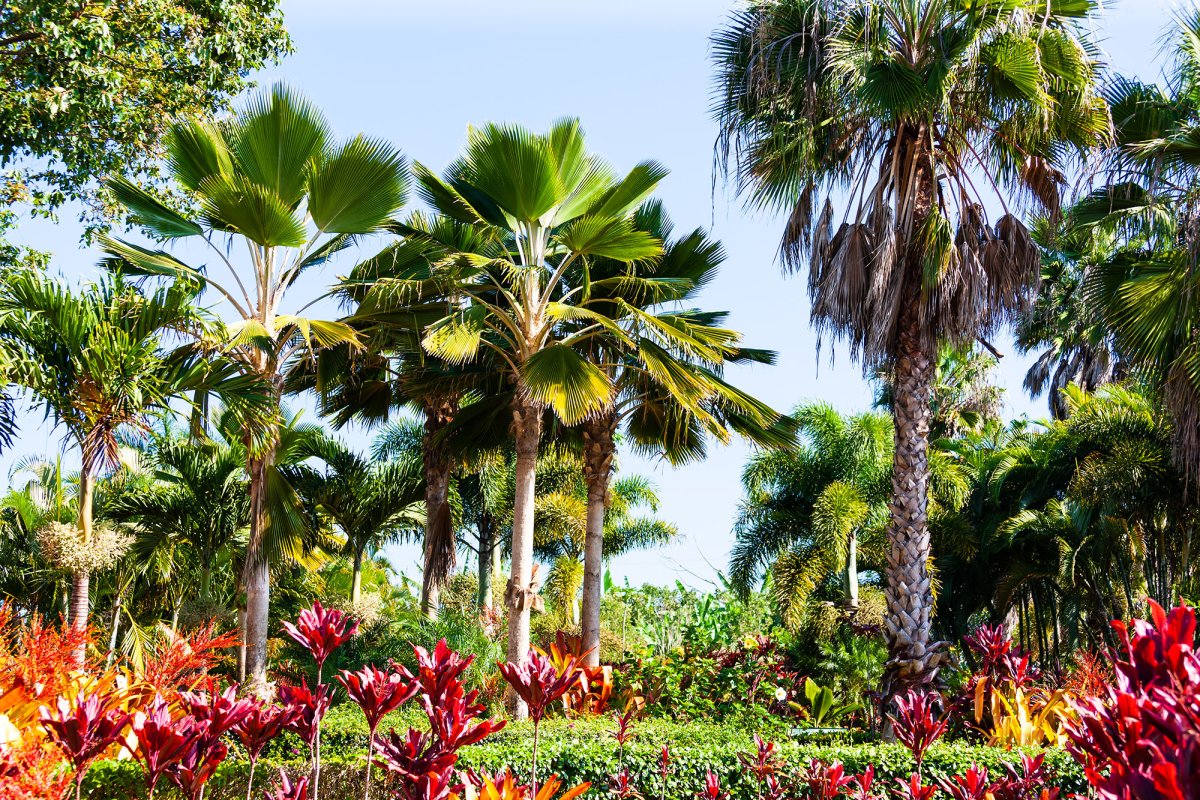
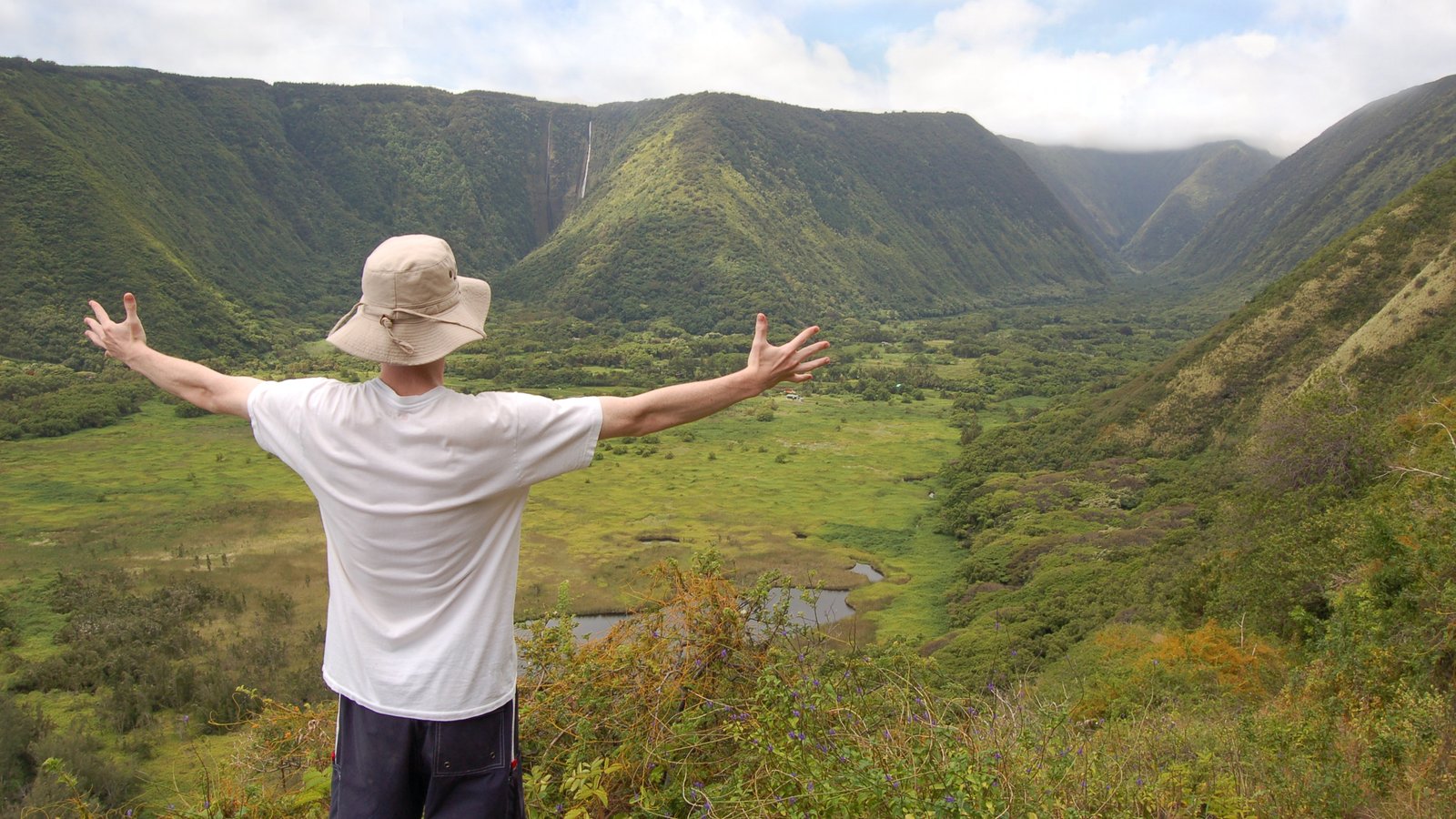
The single best way to take in Hawaii without touching the water is from above it. A helicopter tour shows you waterfalls, sea cliffs, and craters you cannot reach any other way, and the only thing between you and the view is a window. The Big Island’s volcano routes and Kauai’s Na Pali Coast runs are the marquee flights. Our helicopter tour routes guide breaks down which island flies over what, and how to pick a seat. On the ground, the islands are full of dry adventure. Ziplines run on all four major islands — Kauai (Koloa Zipline), Maui (Kapalua Ziplines), the Big Island (Botanical World Adventures), and Oahu (CLIMB Works Keana Farms). ATV and UTV tours run through old ranch land and movie-set jungle. Horseback rides through paniolo (Hawaiian cowboy) country on the Big Island (Paniolo Adventures), Maui (Triple L Ranch), and Kauai (CJM Country Stables) put you in the saddle instead of the surf. Prefer a slower pace? A scenic drive asks nothing of you but a rental car and a full tank. Botanical gardens, coffee and farm tours, and a walk through a lava tube all keep your shoes dry. A luau is the classic Hawaii night out: dinner, fire-knife dancing, hula, and not a drop of seawater. If it is your first one, our first-luau guide covers what to wear and what to expect. For more after-dark ideas, see Hawaii night activities beyond luaus. You can compare and book most of these on Viator’s Hawaii activities page, or browse our own Hawaii tours hub.
Horseback rides through paniolo country are a full-morning adventure that never goes near the water. The Big Island, Maui, and Kauai all have working-ranch operators.
On the water, but you stay dry
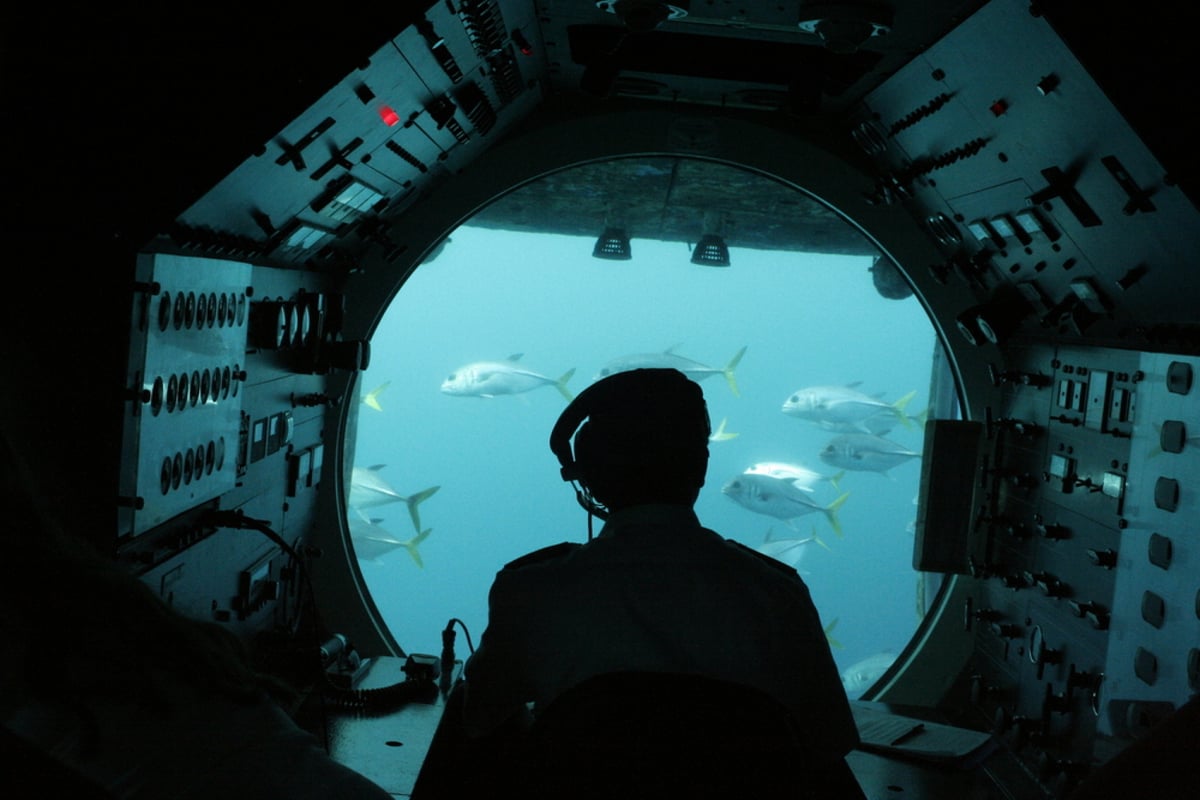
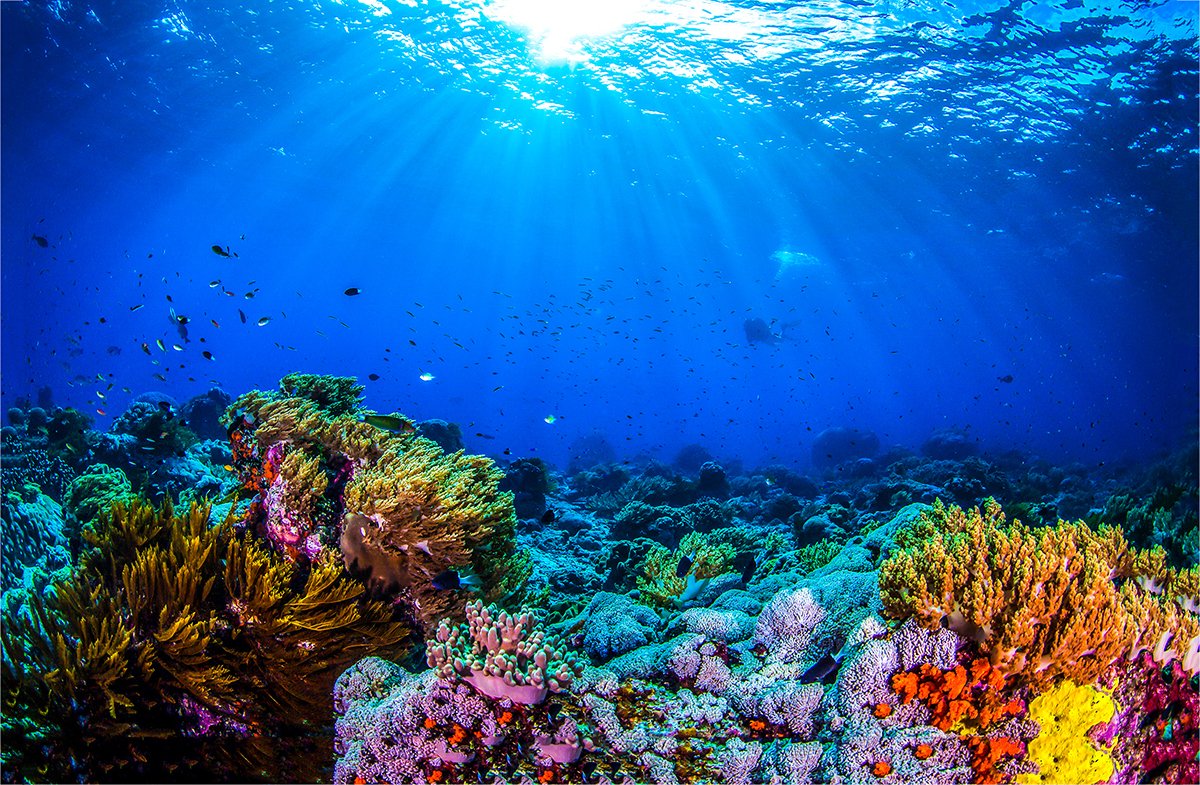
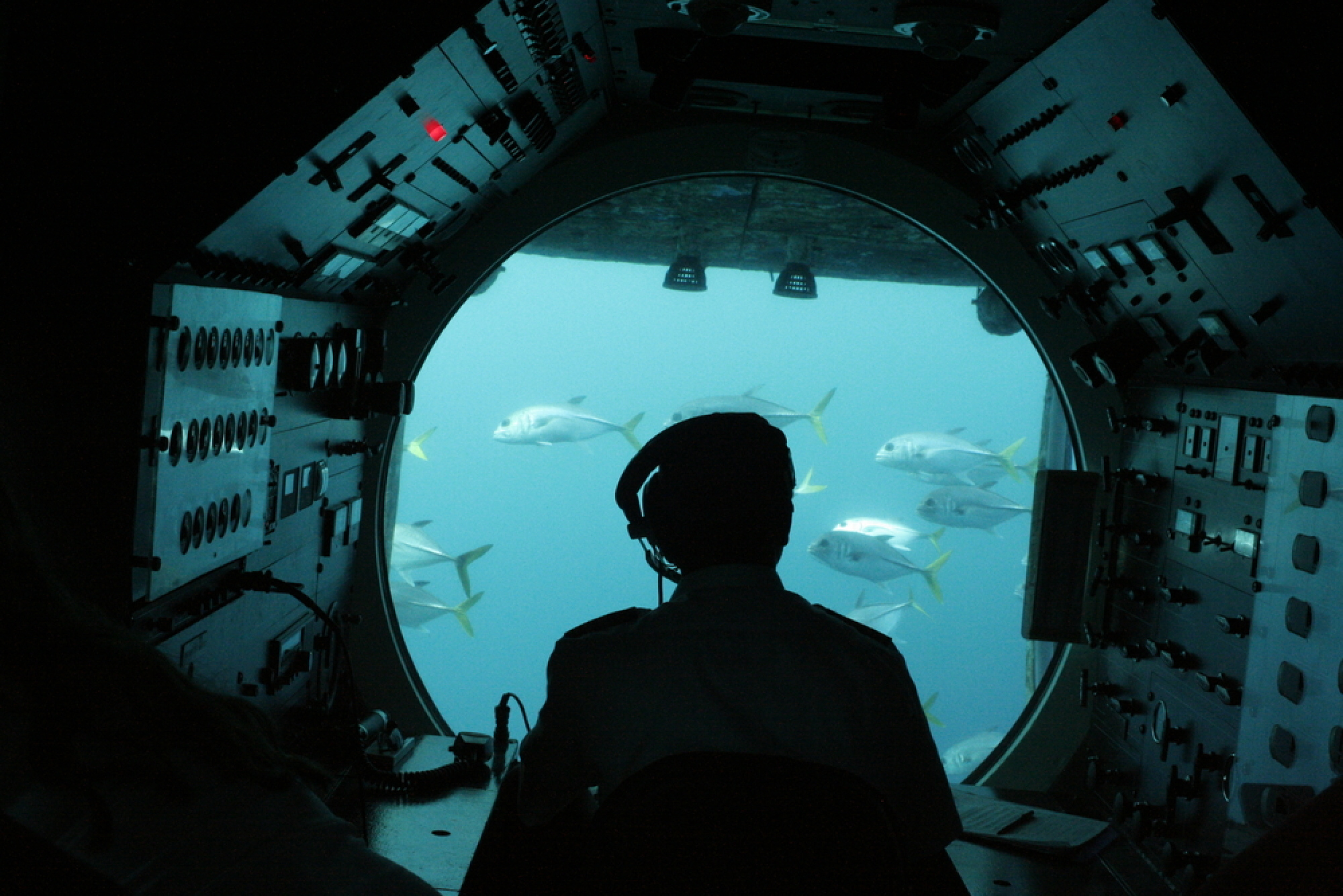
Non-swimmers can still see what everyone else paid to snorkel for, without getting in. A submarine tour is the standout. Atlantis Adventures runs a real submarine that descends past reefs, fish, and sunken wrecks off Waikiki on Oahu and off Kona on the Big Island. The Maui operation runs out of Lahaina Harbor; service was suspended after the 2023 fires and resumed in late 2025 as limited commercial activity returned to the harbor, so confirm sailing schedules directly with Atlantis before you build a day around it. Our Hawaii submarine tours guide and the Oahu submarine page have the details. Glass-bottom boats do a lighter version of the same trick. They float over shallow reefs while you look down through a viewing panel, and most run short, calm trips out of Waikiki and a few neighbor-island harbors. Catamaran sails and sunset cruises are another easy yes. You stay aboard the whole time, drink in hand, while the boat does the work. Plenty of passengers on a snorkel cruise simply never get in, and a good crew is fine with that. For the biggest scenery payoff, a Na Pali Coast boat tour on Kauai or a Maui coastline cruise gives you sea cliffs and sea caves from the deck. You can book these directly with the operator or compare options through our Hawaii tours hub. One tip from experience: take a morning departure when the water tends to be calmest, and bring motion-sickness tablets if boats and you have a complicated history.
A submarine tour lets you see reef fish and a wreck from a dry, pressurized cabin. It is the closest a non-swimmer gets to the underwater world without touching the water.
Easing into the water without swimming
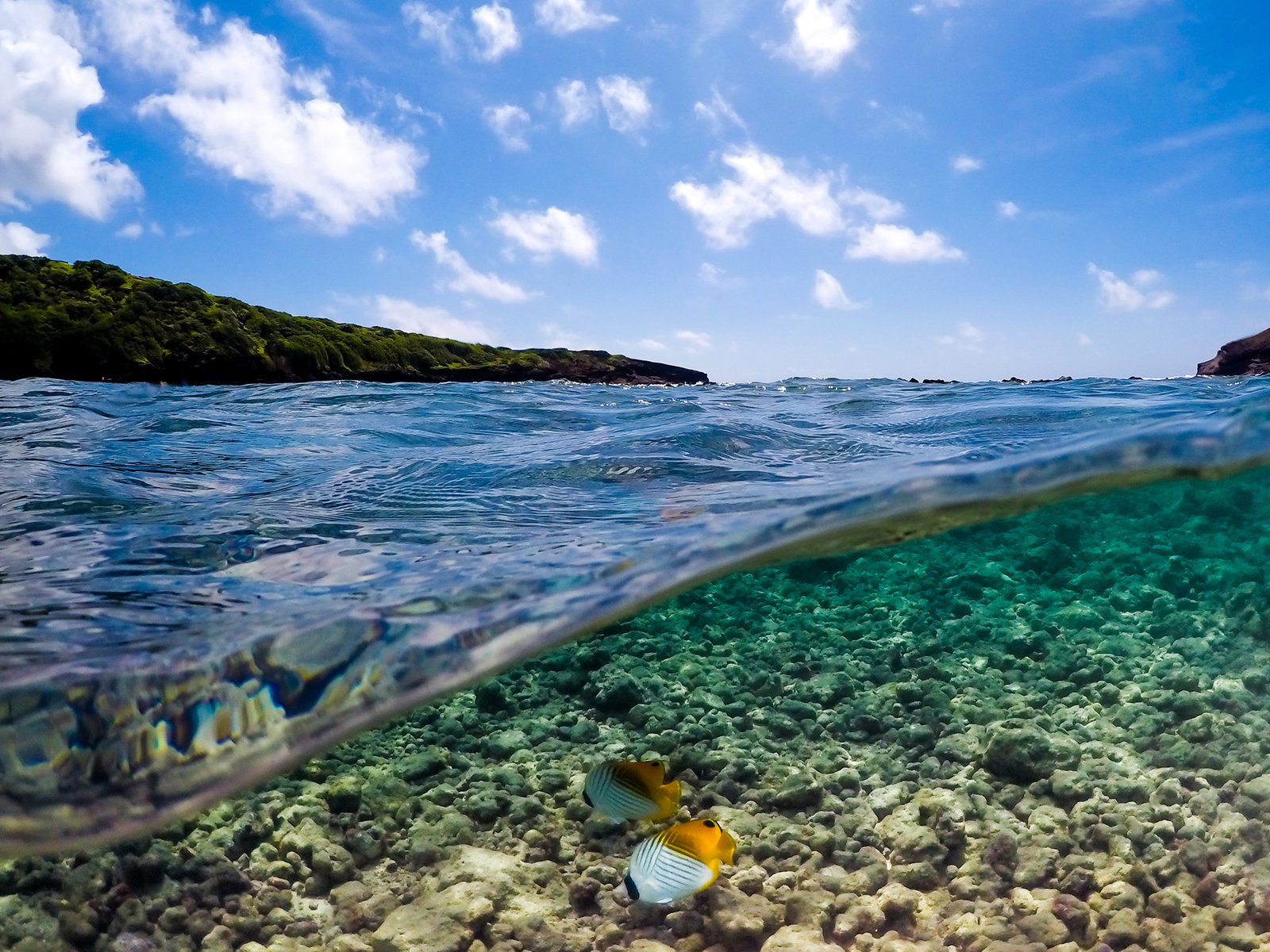
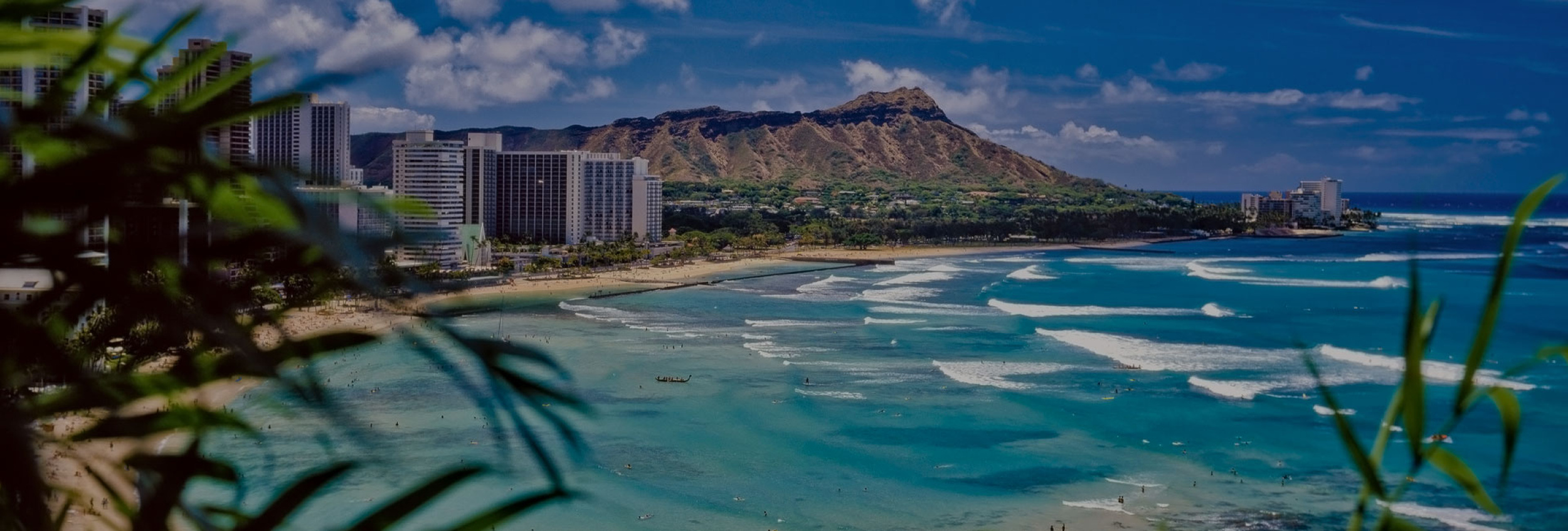
Maybe you do want a little ocean, just on your own terms. The trick is picking water that does the opposite of what surf does: shallow, calm, and protected. The four Ko Olina Lagoons on Oahu’s leeward coast are the gold standard. They are man-made and ringed by rock barriers, and they stay flat even when the open coast is rough, so you can stand and wade with sand under your feet the whole time. A flotation device changes the math even more. A simple flotation belt or swim vest keeps you upright and buoyant without any skill, and most reputable snorkel operators carry U.S. Coast Guard-approved life vests and pool noodles on board — ask before you book if you want to be sure. Tell the crew you are not a strong swimmer and they will set you up. Our beginner snorkeling guide walks through how to float and breathe before you ever leave the shallows. Two hard rules, because the ocean here does not forgive overconfidence. Never turn your back on the water, and never wade past where you can comfortably stand, even with a vest on. Check conditions at Hawaii Beach Safety before you go, swim only at lifeguarded beaches, and read our Hawaii ocean and shark safety guide so you know what an off day looks like.
Ko Olina's lagoons stay flat and shallow even when the open coast is choppy. You can wade with sand underfoot the whole way, which makes them a non-swimmer's best ocean intro on Oahu.
How to tell guides you're not a swimmer
Say it out loud, early, and to the right person. Good operators handle nervous and non-swimming guests every single day, and the worst thing you can do is stay quiet and try to tough it out on a moving boat. When you book, ask two questions: does this trip require swimming, and do you provide flotation vests? On the boat, tell the actual crew, not just the booking agent, that you are not a confident swimmer. Ask for a vest before you need it, stay where you can touch bottom, and accept that “I’ll just watch from the deck” is a complete and respectable plan. Kids who can’t swim should be in a properly fitted U.S. Coast Guard-approved life jacket near the water, not water wings or inflatable toys, which are not safety devices.
Getting around the islands
Almost every activity above lives away from the resort strip. The helicopter pads, the ranches, the lava tubes, and the quieter lagoons all want a car. Public transit reaches some of it on Oahu, but the neighbor islands really do run on your own wheels. We use and recommend Discount Hawaii Car Rental for the islands. They compare the major agencies, and per their published FAQ you pay at pickup (no upfront deposit) and can cancel without penalty. Lock in a vehicle early for summer, when the lots run thin and counter prices spike.
A Hawaii trip does not require a single swim stroke. Fly over a volcano, ride through ranch country, watch reef fish from a submarine, and wade a calm lagoon if you want warm water on your skin. Plan around what you actually enjoy, tell your guides where your comfort line is, and the islands will meet you there.