
A Hawaii rental car break-in usually starts with one avoidable signal: something in the cabin looks worth stealing. A back window gets punched out at a trailhead while you’re up at the waterfall. A bag disappears from under a seat at a beach park while you’re in the water. The fix is mostly a short routine you do before you ever leave the hotel. The prevention pattern is consistent enough that visitors do not need a new crime map every month. You need a boring car: no bags, no electronics, no paperwork, no visible reason for anyone to look twice.
Why It Happens to Visitors
Rental cars are easy to spot. They’re newer and cleaner, and they sit at exactly the spots where the driver is going to be away from the car for an hour or more — a popular trailhead, a snorkel beach, a scenic lookout. Thieves who target these lots aren’t looking for a long heist. They want a window broken and a bag grabbed in under a minute. The practical rule is simple: lock the doors, keep packages and bags out of plain view, and avoid putting items in the trunk while others are watching. Anyone watching a parking lot at a popular trailhead figures out quickly which cars are tourist rentals and which ones look “shopped.” Yours doesn’t have to.
What the East Oʻahu Camera Pilot Changed
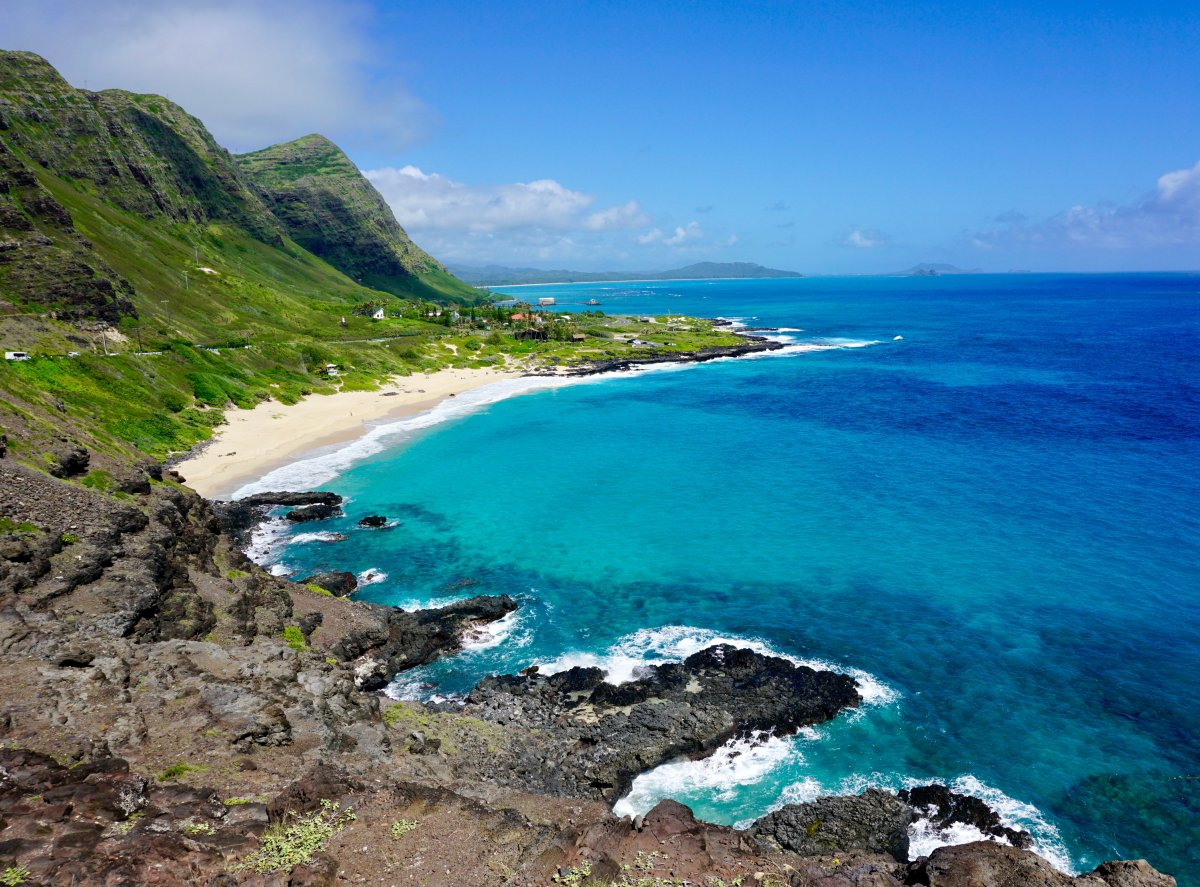
East Oʻahu’s scenic lookouts are the useful case study because they show both sides of the problem. Honolulu police and city officials responded to repeated lookout break-ins by placing visible camera trailers at several high-profile stops, including the Makapuʻu and Halona areas. HPD later reported that the surveillance-camera pilot deterred crime at those monitored locations. (Honolulu Police Department) Treat that as a lesson, not a guarantee. A staffed or visibly monitored lot changes the risk. It does not change your routine. The same East Oʻahu loop has busy lookouts, quiet pullouts, beach parks, and trail access points within a short drive of each other, and other islands have many lots with no camera, kiosk, or steady foot traffic.
Where Break-Ins Still Happen

Trailhead lots like Iao Valley on Maui are exactly the kind of spot break-ins target — high turnover, isolated parking, and visitors clearly gone for at least 30–60 minutes.
You won’t find a reliable official visitor-facing heat map, because police departments usually report by district, case type, or advisory, not by every beach lot and trailhead. Treat any spot that meets all three of these criteria as a higher-risk lot:
- Visitors are clearly gone for an hour-plus. Trailheads to waterfalls and ridge hikes, scenic lookouts where people walk a quarter-mile path, snorkel beaches where you're in the water.
- Parking is set back from foot traffic. Dirt pullouts on the Hāna Highway, roadside parking near scenic overlooks, and residential streets near beach access paths all ask for more care than a staffed park entrance.
- Most cars in the lot are obvious rentals. Hawaiʻi rentals carry Hawaiʻi plates, so license origin isn't the giveaway. Model year, cleanliness, and contents (sun hat on the dash, beach bag visible, GPS suction-cup ring on the windshield) all flag a tourist.
Higher-risk situations tend to be familiar visitor setups: trailhead lots, beach parks, Hāna Highway pullouts, Iao Valley parking, quiet roadside pullouts, and street parking around Lanikai Beach and the Lanikai Pillbox trailhead on Oʻahu’s Windward side. The point isn’t to avoid these places. The point is to assume the lot may be watched and pack the car accordingly.
The Quick Routine That Cuts Your Risk

The trick is doing your packing in the hotel room, not the trailhead lot. Don't move anything from cabin to trunk in public — that's exactly the moment a thief is watching for.
Treat these five rules as a checklist before you start the engine each morning:
1. Pack at the hotel.Decide before you leave what you'll bring on the hike or the snorkel. Anything else stays in the room safe — passport, second wallet, laptop, jewelry, spare phone.
2. Take what you need with you.A small drybag with phone, ID, one credit card, car key, and cash. Carry it in the water in a tide-resistant pouch. The car holds nothing.
3. Never transfer to the trunk in public.If something has to stay in the car, it goes in the trunk before you arrive at the lot. Anyone who watches you stash a bag knows exactly where to look.
4. Lock and look.Every time. Every door. Windows up, sunroof closed. Then look through the windows the way a stranger would: nothing visible should suggest a bag, wallet, or device.
5. Park where people are.Closer to a kiosk, lifeguard tower, or busy turnaround beats the empty corner of the lot. Well-lit, visible spots are explicit police guidance.
The reason “pack at the hotel” carries most of the weight: a clean cabin is one of the simplest deterrents. Thieves rarely break a window on speculation. They break a window because they already saw something. Take away the something and the lot stops looking like a target.
What's Actually Worth Worrying About vs. What Isn't
Hawaiʻi rental car break-ins are property crimes, not personal-safety crimes. The thief wants to be in and out before anyone gets back to the lot. That changes what you should and shouldn’t worry about: Worry about: phones, wallets, laptops, cameras, prescription medications, passports, and anything with payment-card data. These are the targets. Worry less about clothing, but never leave luggage visible. A suitcase full of clothes is usually less sensitive than a phone, passport, camera, or laptop. The problem is that a visible bag still looks worth checking. If your luggage has to ride along between hotels, put it in the trunk before you arrive at the trailhead, not after. What you don’t see in visitor reports: the rental car itself getting taken. The crime visitors usually deal with is window-smash-and-grab, not auto theft. Park where you’d park anywhere on the mainland and focus on what’s inside the cabin.
Beach-Day Specifics
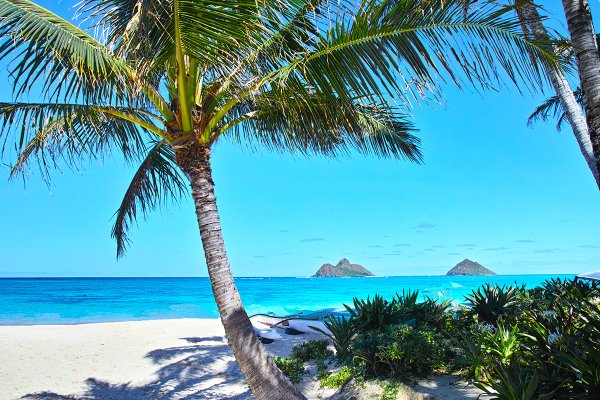
At beaches like Lanikai where parking is on residential streets, a waterproof drybag in the water with you is much safer than anything tucked under a seat.
Snorkel and beach days are higher risk than hikes because the car sits unattended longer and the parking is often on residential streets or in unmonitored beach lots. Two things to do specifically on beach days: First, bring a small waterproof drybag before your trip. The kind that floats. Phone, ID, one card, and the car key go in the bag. The bag goes with you in the water, clipped to your snorkel float or wrist tether. Don’t leave it on the beach unattended. The whole point is that valuables stay with you. Second, if your rental key is the smart-key kind that can ride in the bag, great. If it is a metal key that has to live somewhere on the beach, use a small combination lockbox that clips to the vehicle. Don’t bury the key in the sand. Don’t put it on top of the tire. Both of those tricks are easy to spot, and the cars they’re attached to get found. Check your rental agreement for which documents actually need to stay with the vehicle, and keep everything else off display. What you should take with you into the hotel safe: printed itineraries, hotel keycards, or anything with your name and home address. A break-in plus a known-empty hotel room plus your home address is a worse problem than a break-in alone.
If It Happens Anyway
A small percentage of break-ins still happen even when you do everything right. Here’s the order of operations: 1. If your phone was in the car, wipe it first. Use a hotel computer or a friend’s phone to remote-wipe via iCloud Find My or Google Find My Device, and call your carrier to suspend the line. Do this before standing around the parking lot if banking apps or stored payment cards were on the device. 2. Don’t touch anything in the car. Take photos of the damage and the contents from outside. Note the time you left the car and the time you returned. 3. Call the local non-emergency police line and file a report on scene. You’ll need the report number for both your rental car company and your travel insurance. For an emergency or a crime in progress, call 911. For non-emergency reporting, use the current instructions from the relevant county police department rather than relying on an old saved number; your hotel front desk or rental-car company can also point you to the right district desk while you are on island. 4. Call your rental car company. They have a 24-hour roadside number on the contract. Most major rental companies will swap your vehicle. Policies vary on whether broken-glass damage is on you or covered. They’ll ask for the police report number. 5. Call your credit card or travel insurance. Some travel insurance policies cover personal effects taken from a rental car, with documentation, and some premium credit cards include similar coverage if you booked the trip on the card. Coverage details vary widely by policy. Our Hawaii travel insurance guide walks through what to check. 6. If your passport or ID is gone, build in extra airport time and check TSA’s current identification rules before you leave for the airport. International visitors should contact their country’s consulate or embassy for an emergency replacement.
Bottom Line on the Parking-Lot Problem
The break-in problem is real and worth preparing for, but it should not change where you go, what you hike, or which beaches you visit. Managed-access parks with reservation systems — Diamond Head (DLNR), Hāʻena State Park on Kauaʻi (gateway to the Kalalau Trail), Hanauma Bay — put you in a more structured lot than a roadside pullout. State parks with staffed gates and posted hours, like Wailuku River State Park (Rainbow Falls) on Hawaiʻi Island and Puʻu ʻUalakaʻa on Oʻahu, sit somewhere in between. A gate or a reservation doesn’t make a parked car immune, but the setting changes. Everywhere else — the dirt pullout, the trailhead with no ranger, the residential street by the beach — the fix is the same and takes thirty seconds at the hotel each morning. Pack the trailhead bag in the room. Leave the cabin empty. Locking up before you arrive at the lot is also a courtesy to the property owner, the rangers, and the next visitor who doesn’t want to walk over broken glass to a scenic overlook. For more on the practical side of a Hawaiʻi rental, our Hawaiʻi car rental guide covers Turo vs. traditional rental tradeoffs and our rental car cost calculator handles the budget side.