


Hawaiʻi carry-on essentials are not the same as the carry-on you’d throw together for a weekend in Denver. Your flight to Hawaiʻi is going to be one of the longest domestic flights you ever take — roughly five hours from the West Coast and closer to ten or eleven from the East, per the route times published on Hawaiian Airlines’ destinations page. When you finally land, the last thing you want is to discover that your checked bag took a different flight and is now somewhere over the Pacific, or worse, still sitting in a terminal in Phoenix. A delayed bag on a six-day Hawaiʻi trip eats an entire afternoon you cannot get back, and it usually collides with the exact window when you are tired, sun-hungry, and waiting for hotel check-in. The fix is your carry-on. Pack it like the trip starts the second you step off the plane and you can be on a beach inside an hour, even if the rest of your luggage is stuck a continent away. Pack it badly and you spend the first day in a drugstore parking lot buying everything you already own at home, in mainland-tourist quantities, at resort-area prices. Here is how I think about it after enough trips to have made every wrong call at least once.
Why your Hawaiʻi carry-on matters more than you think
A delayed checked bag on a mainland trip is annoying. A delayed checked bag on a Hawaiʻi trip is a meaningfully worse problem. The flights are long, the islands are far from the mainland, and many routes have only a limited number of same-day alternatives. If a checked bag misses the airplane, it may not catch up before your first beach, first dinner, or first morning. You also have less margin to absorb the loss than you would in a domestic city. There is no friend’s apartment to borrow clothes from, and the small ABC Stores, resort shops, and beach kiosks near visitor areas charge accordingly for replacement basics. Use our Hawaiʻi airport arrival planner and early check-in guide to keep the rest of that first-day window sane. The math is simple. Pack the first afternoon — and a backup plan for the first night and morning — in your carry-on. Anything beyond that can ride in the belly of the plane.
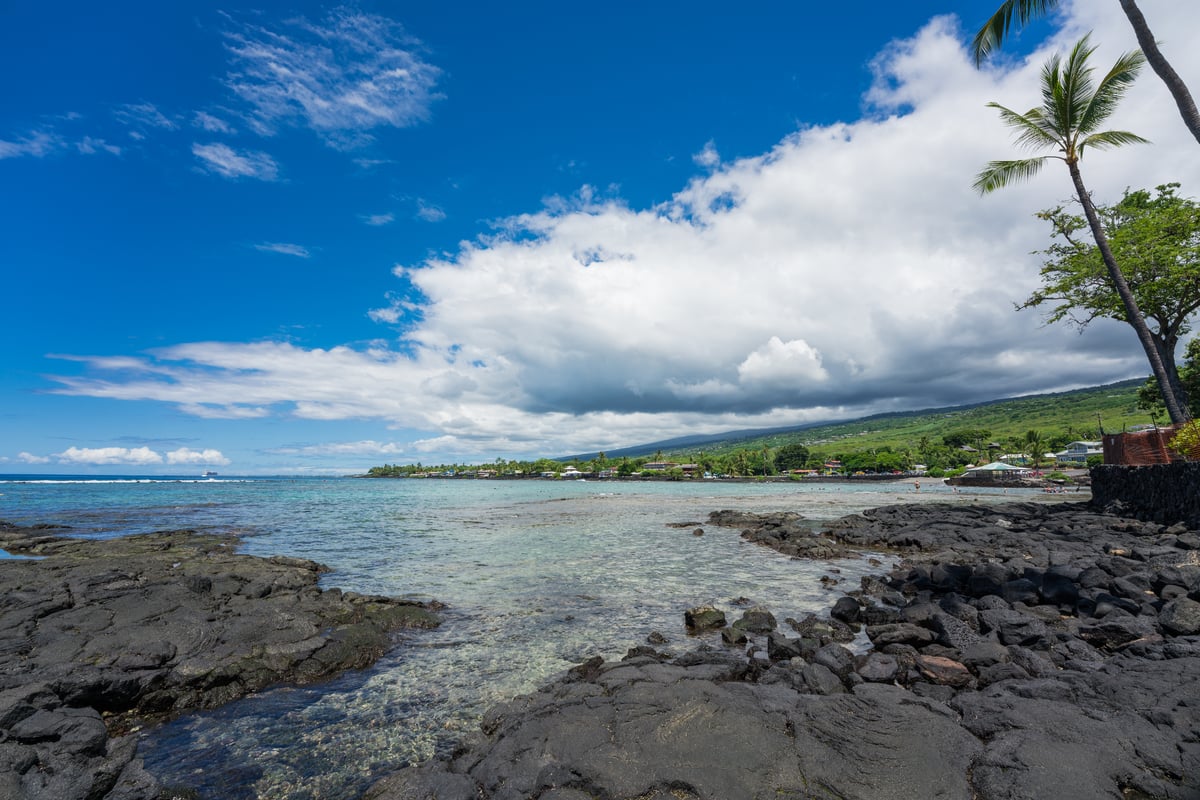
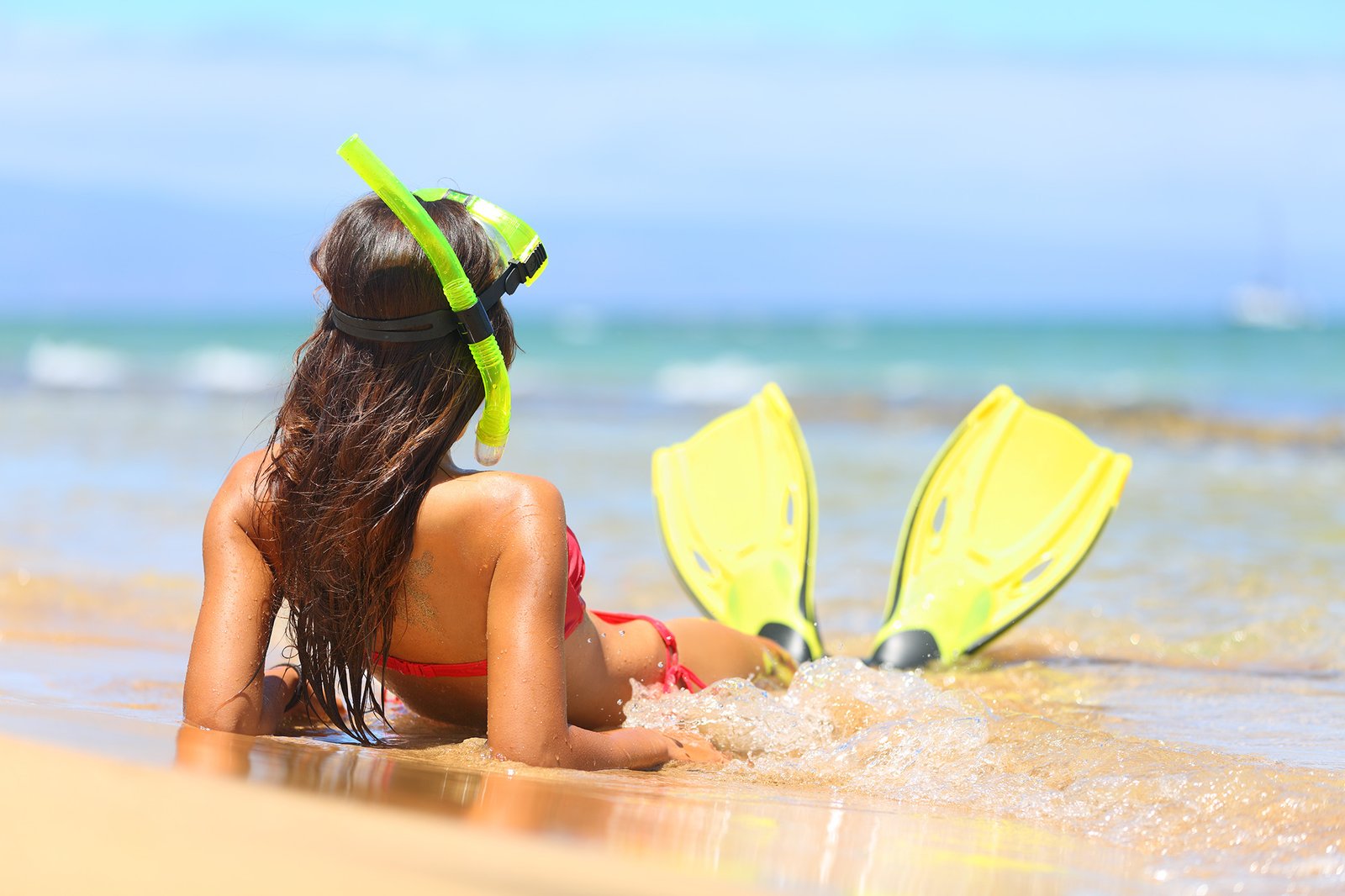
The whole point of the carry-on strategy: be in the water — like these snorkelers at Kahaluʻu on the Big Island — the same day you land, not the day after.
The beach-ready core: swim, cover-up, sandals
The single most useful thing in your carry-on is one complete beach outfit. Swimsuit, lightweight cover-up or rash guard, and the sandals you plan to live in for the week. With that trio in your bag you can land at HNL, OGG, KOA, or LIH, pick up the rental car, and be in the water before sunset on day one. Wear the sandals on the plane if you can stand them through security — Hawaiʻi runs barefoot or in slippers, not in lace-up shoes, and your feet will be happier on the ground. If you cannot, slip-ons that come off in two seconds at TSA do the same job. Either way, the goal is to avoid arriving in Honolulu wearing winter boots while your flip-flops sit in a checked bag headed for the wrong island. Our Hawaiʻi footwear guide breaks down exactly which kind of sandals actually work here, and what to wear on a Hawaiʻi trip covers the everyday outfit question. Both are worth a skim before you pack the carry-on.
Reef-safe sunscreen, and bring it from home
Hawaiʻi banned the sale of sunscreens containing oxybenzone and octinoxate statewide on January 1, 2021 (DLNR sunscreen fact sheet), and Maui County tightened that to a mineral-only rule for sales on Maui starting October 1, 2022 (Maui County sunscreen ordinance). Both laws restrict the sale of non-compliant sunscreens, not their possession, but the practical effect is that most reasonable visitors either bring reef-safe from home or buy it at one of the local drugstores once they land. Buying it before the trip gives you more selection and keeps the arrival-day errand list shorter. See our reef-safe sunscreen law guide and the Maui mineral-only rule explainer for the full details. The TSA carry-on liquids rule is 3.4 ounces (100 ml) per container, everything fitting in a single quart-size bag. A standard 3-ounce tube of mineral sunscreen clears that limit easily and covers a couple of adults for the first day or two of application. Save the bigger bottles for the checked bag or buy them once you land. Travel-size reef-safe mineral sunscreen on Amazon is an easy way to stock the carry-on before you fly.
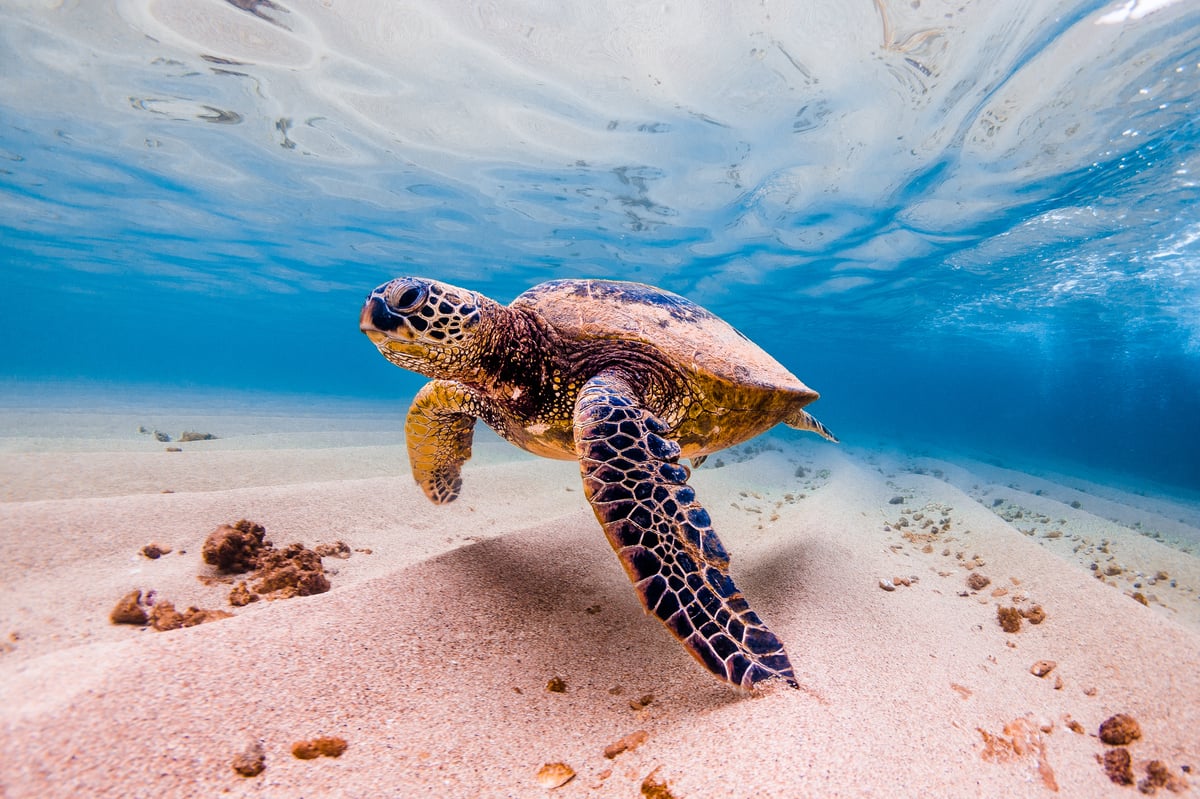
The reef-safe sunscreen rule exists for reasons like this one — Hawaiian green sea turtles share the same nearshore reef you'll be swimming over.
Medications, glasses, and anything you cannot replace
This is the non-negotiable rule on any flight and it doubles on a Hawaiʻi flight. Every prescription medication, every pair of eyeglasses, every contact lens supply, every CPAP machine, every hearing-aid battery — into the carry-on, never into a checked bag. Hawaiʻi has a perfectly functional medical system, but you do not want to spend day one of vacation tracking down a pharmacy that can verify and refill a mainland prescription, especially on a Sunday or when altitude or unfamiliar exertion is in your trip plan and you would rather not be improvising. Pack a few extra days’ worth of any maintenance medication on top of the trip length, in case you miss a return flight and an extra night materializes. TSA allows medically necessary liquids, medications, and creams above the standard liquids limit when they are screened separately, so do not force essential medical items into checked luggage just to keep the toiletry bag small. Pack them where you can reach them and give yourself enough airport time for the extra screening step if you need it.
A reusable water bottle and snacks for the long leg
An empty reusable water bottle in your carry-on costs you nothing at security and keeps you from depending on the drink cart for the whole flight. The cabin air on a Hawaiʻi flight is dry, and you will land thirsty if you do not plan for it. Fill the bottle at the gate before you board, then again before you walk off the jetway in Hawaiʻi, and you start the first afternoon hydrated instead of cotton-mouthed. Same logic with snacks. The mainland-to-Hawaiʻi leg is long enough that even the carriers that still serve a meal in main cabin will not cover an East Coast person’s full day, and the on-board snack carts run out. A couple of granola bars, a bag of mixed nuts, or some dried mango in the carry-on means you do not arrive ravenous and end up eating the first overpriced lobby snack you see because the line at the resort restaurant is long. You will eat much better Hawaiʻi food once you have your bearings — see our island dining hubs for Oahu, Maui, Big Island, and Kauaʻi to know what to chase.
Phone, charger, and a small power bank
Your phone will do a lot of work in the first 24 hours: the rental-car shuttle map, the resort check-in QR code, the rideshare back to the airport if your bag never arrived, the navigation to the beach you already picked. A dead phone at HNL with a flight crew you do not know how to text and a rental-car app you cannot open is the kind of Hawaiʻi arrival nobody plans for and everybody has at least once. Charger in carry-on, always. A small power bank is fine in a TSA carry-on if it is under 100 watt-hours, which covers nearly every consumer-grade battery — but spare lithium batteries of any size are banned from checked bags entirely, per FAA PackSafe rules on lithium batteries. The US plug is the same in Hawaiʻi as on the mainland, so no adapter is needed if you live in the States. International visitors should still pack their adapter, and our country welcome pages for travelers from Canada, Australia, the UK, and Germany cover the rest of the entry-day basics. A heads-up on cell service — coverage is usually solid in the main tourist areas and gets patchier once you leave them. Our Hawaiʻi cell coverage guide maps where signal actually drops.
A change of clothes and one warm layer
One change of clothes is the carry-on insurance policy. If your checked bag is delayed by a day, this is what you sleep in, what you meet the morning in, and what you wear to the resort shop to buy a replacement aloha shirt while you wait. Light cotton, tropical-weight, easy to wash in a sink if it comes to that. You also want one warm layer. A light fleece or a hoodie. Cabin air on a long flight runs cold, trade winds at a resort dinner on the windward side of any island can turn a warm afternoon into a surprisingly cool evening, and if your trip plans include a Haleakalā sunrise or a Mauna Kea visitor center stop, you will be glad you have it before the checked bag turns up. Hawaiʻi is warm. Hawaiʻi at 10,000 feet at 5 a.m. is not — the National Park Service Haleakalā weather page notes summit temperatures often run 15 to 30°F colder than at sea level and can drop below freezing at any time of year.

Kona coffee is the first decent cup most visitors find on the Big Island — exactly the kind of small reward that goes flat if you are spending the morning waiting on a checked bag.
Documents: REAL ID and the outbound ag inspection
Two documents-and-procedures items to know about on the carry-on layer. Federal REAL ID enforcement kicked in on May 7, 2025, per the Department of Homeland Security REAL ID page, which means every adult flying domestically — including to and from Hawaiʻi — needs a REAL ID-compliant driver’s license, a U.S. passport, or another TSA-approved alternative ID at the security checkpoint. Our REAL ID summer 2026 flight rules guide covers what counts and what does not. You also need to plan for the agricultural inspection on the way home. The Hawaiʻi Department of Agriculture’s outbound travel page points travelers to USDA inspection before mainland-bound flights. The practical move is to treat this as an extra airport step before airline check-in, not as paperwork you can handle later. Certain fresh fruits, plants, and seeds are not allowed to leave, so know the rule before you shop for food souvenirs. See our USDA inspection guide for bringing souvenirs home before you load up on roadside mangos.
What NOT to put in your Hawaiʻi carry-on
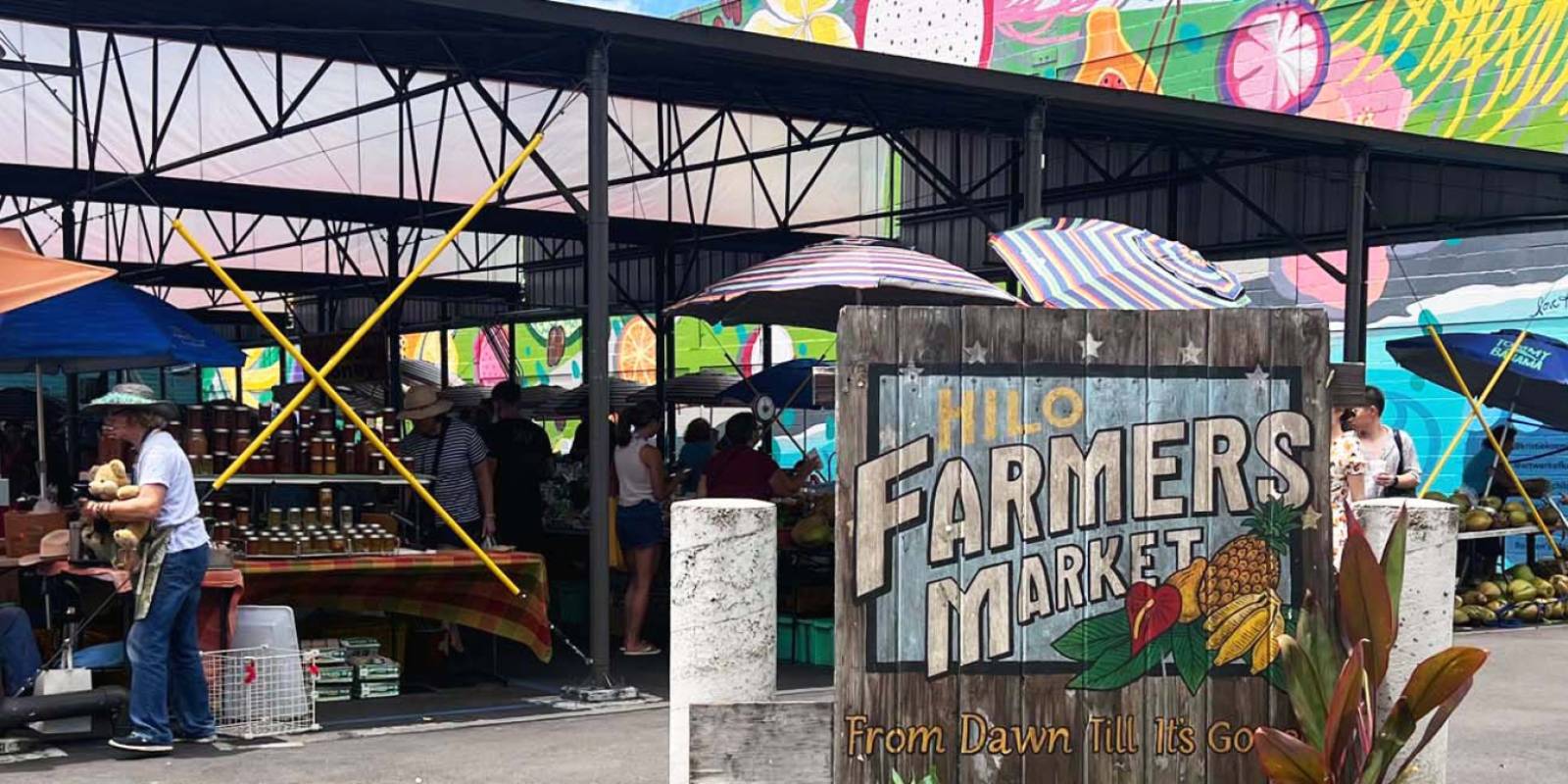
A short do-not-pack list, in order of how often I see it ignored. Full-size liquids. Hawaiʻi sunscreen, shampoo, lotion tubes over 3.4 oz get pulled at TSA and you lose the bottle. Decant or buy travel sizes. Spare lithium batteries over 100 Wh. Anything bigger than a normal phone power bank typically needs airline approval. Most consumer batteries are fine; the giant camera bricks are the trap. Fresh fruit and vegetables from outside the U.S. Per the HDOA’s inbound travel page, agricultural items must be declared and presented for inspection when you arrive in Hawaiʻi. Some mainland-grown food products are allowed, but soil, plant material, and restricted produce are where visitors get tripped up. If you are unsure, leave it home and buy fresher local fruit at a Hawaiʻi farmers market on day two. The full restricted list lives on the HDOA import program page. Snorkel gear and reef shoes. Resist the urge. You can rent or buy them once you are there for what an extra checked-bag fee costs anyway, the rentals are usually fresher than whatever has been stored in your garage, and our Hawaiʻi beach gear rent-or-buy guide walks through the math item by item.
Putting it all in one bag
The whole carry-on, packed for a Hawaiʻi arrival, fits comfortably in a single 22-inch roller — or spread across a 22-inch roller and a roomy personal-item daypack if you want to split the load. Run through the list one more time before you leave the house: One swim outfit — suit, cover-up or rash guard, sandals worn or packed on top. One change of clothes — light cotton, easy to wash. One warm layer — fleece or hoodie, for cabin air and windward evenings. Toiletries kit — travel-size reef-safe sunscreen, lip balm with SPF, toothbrush, deodorant, anything else you cannot live a morning without. All prescription medications — full trip supply plus a few extra days. Phone, charger, power bank, headphones. Reusable water bottle, empty through security. Snacks — protein bars, nuts, dried fruit. Documents — REAL ID-compliant license or passport, printed or screenshot copy of your rental car and hotel confirmations. Do that and the first day works the way you want it to work. The checked bag, when it eventually shows up, is just the bonus content. The carry-on is the actual trip.
More First-Day Planning Help
Use these guides to make the arrival, packing, and airport pieces work together.