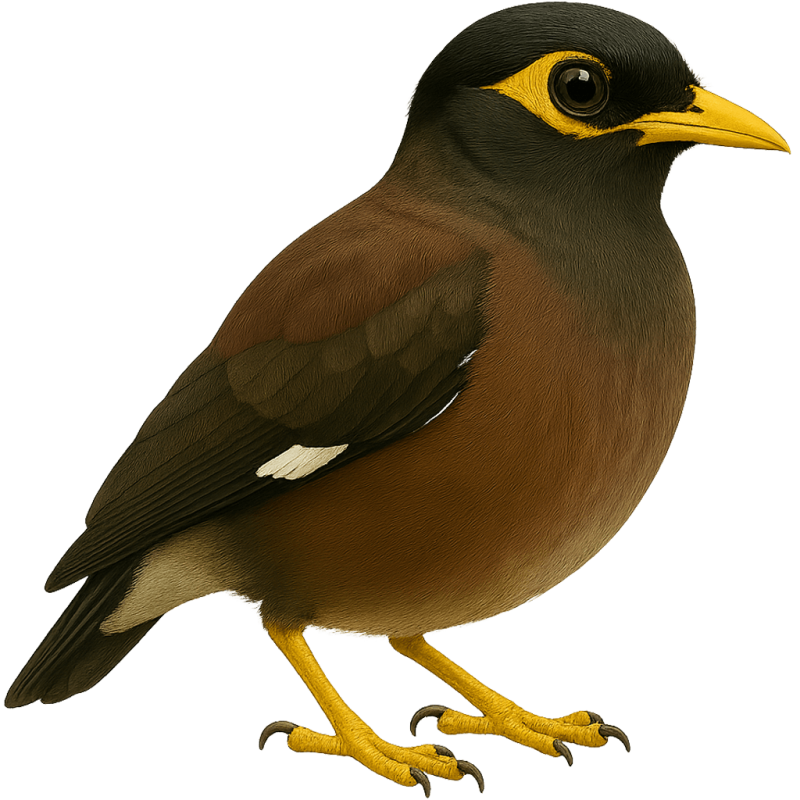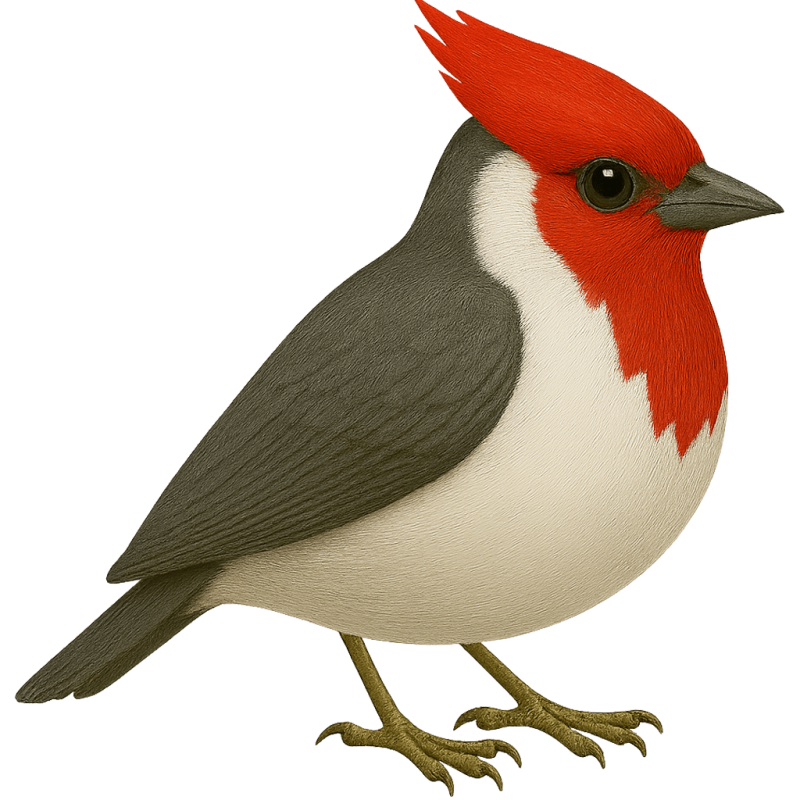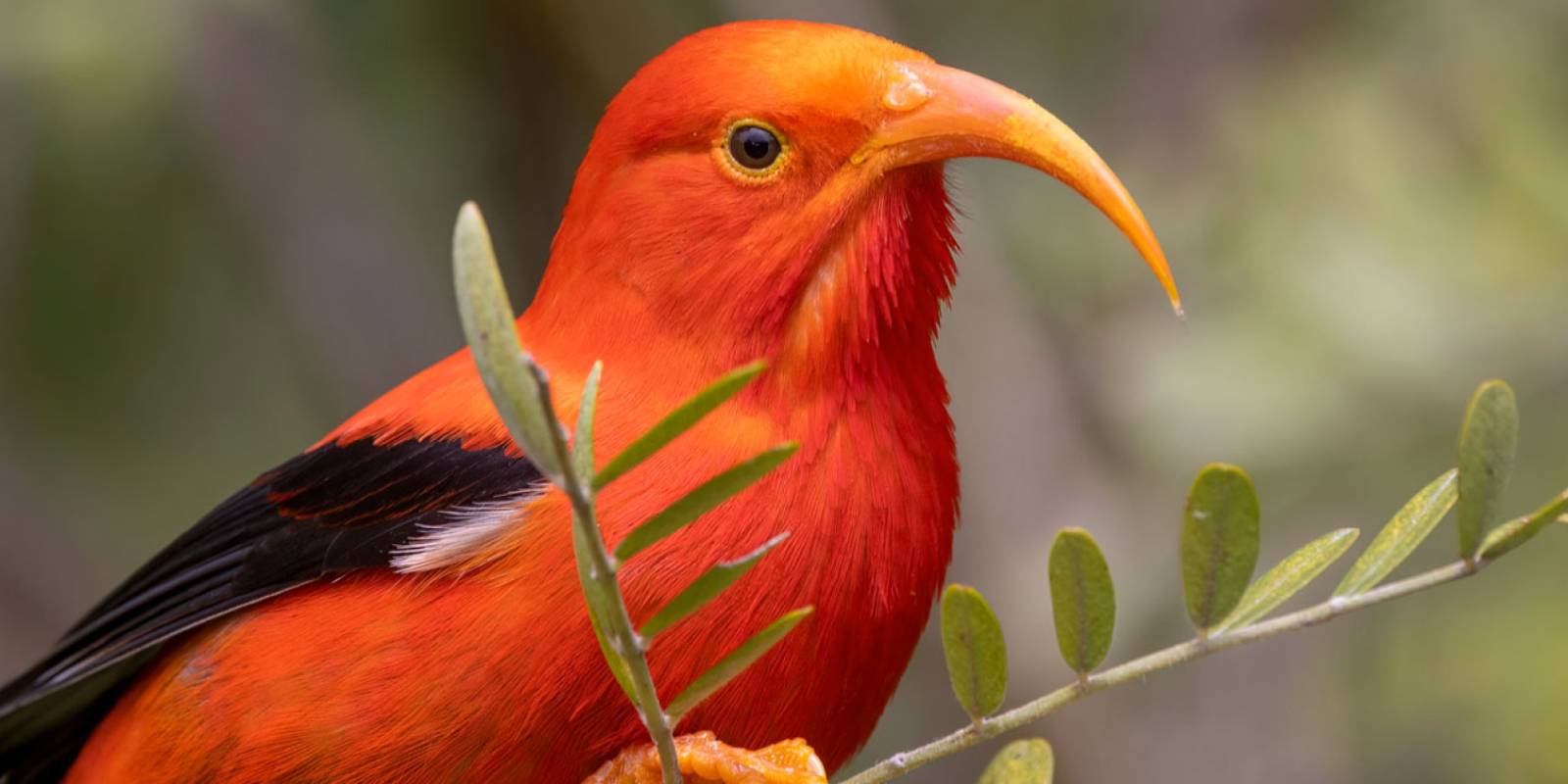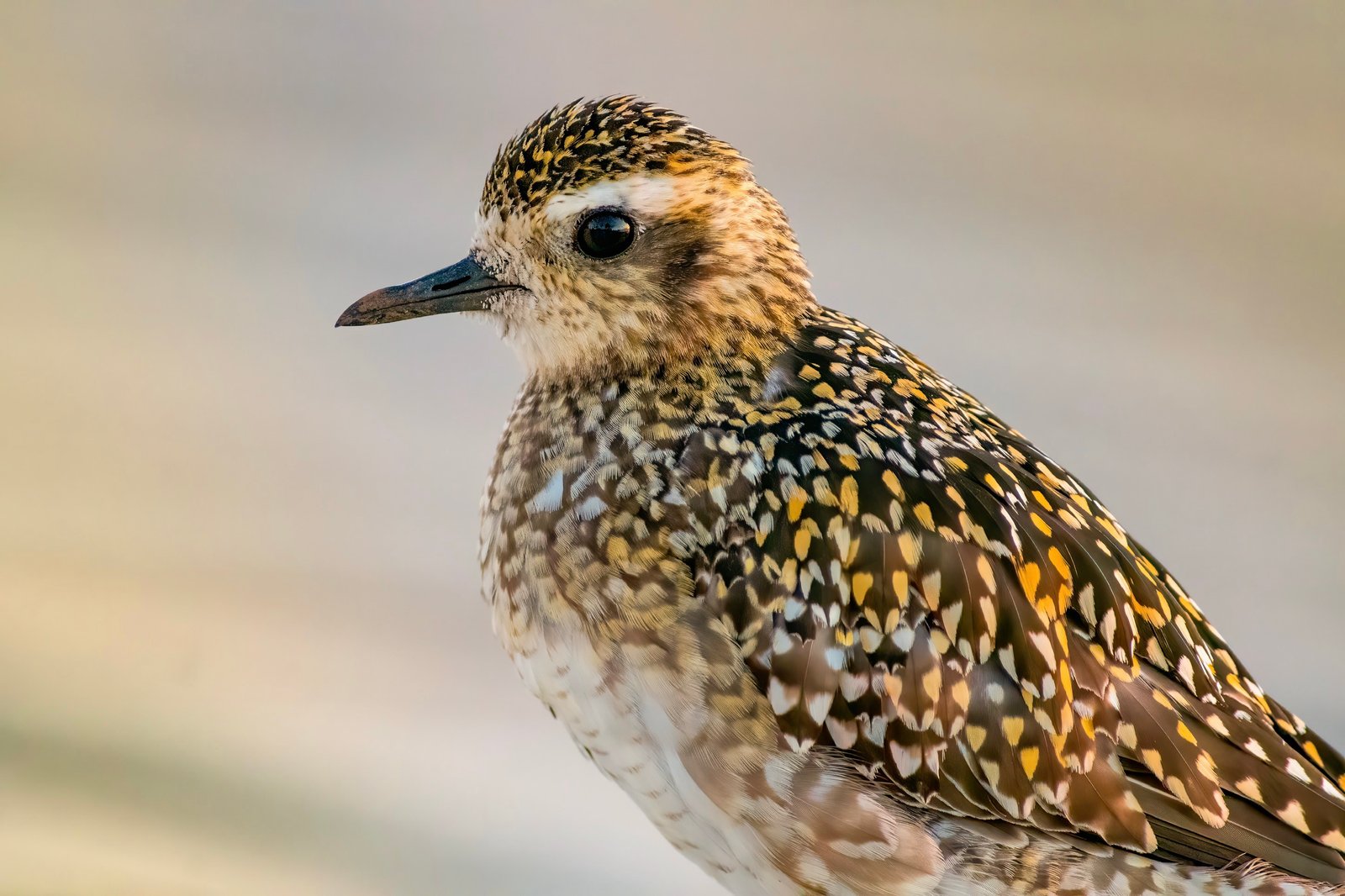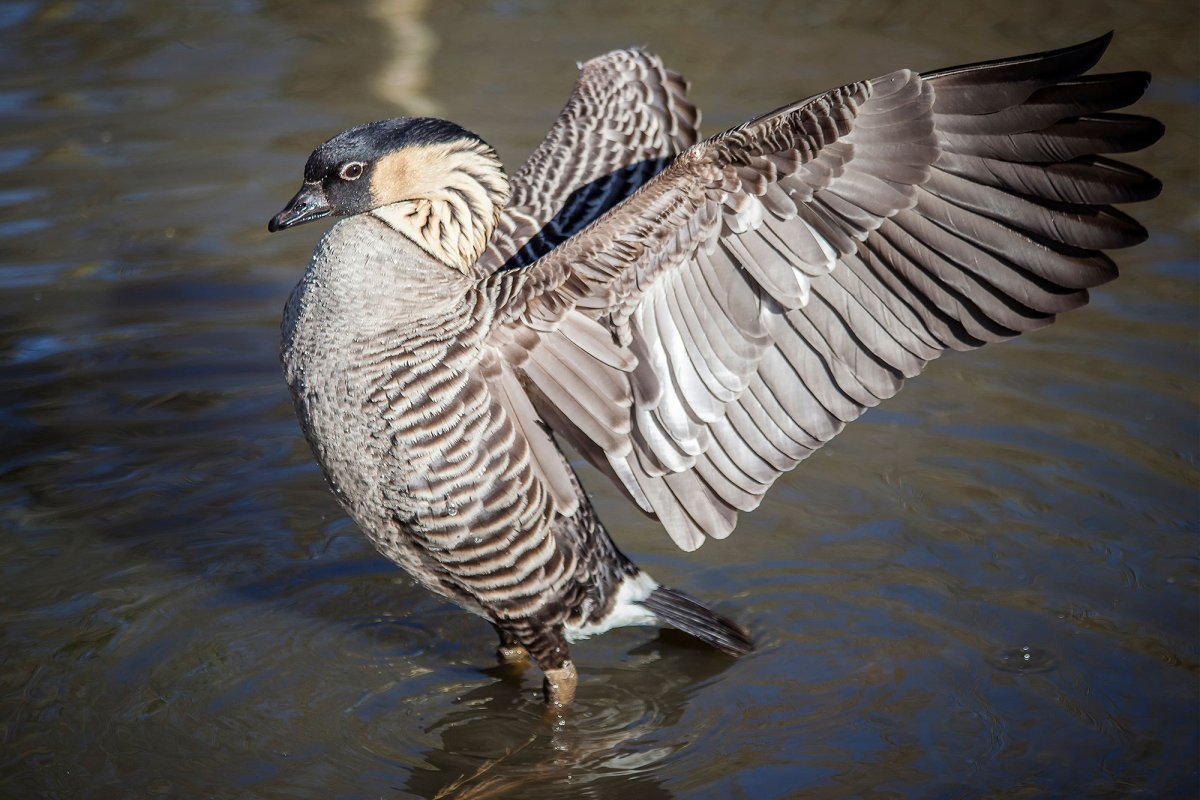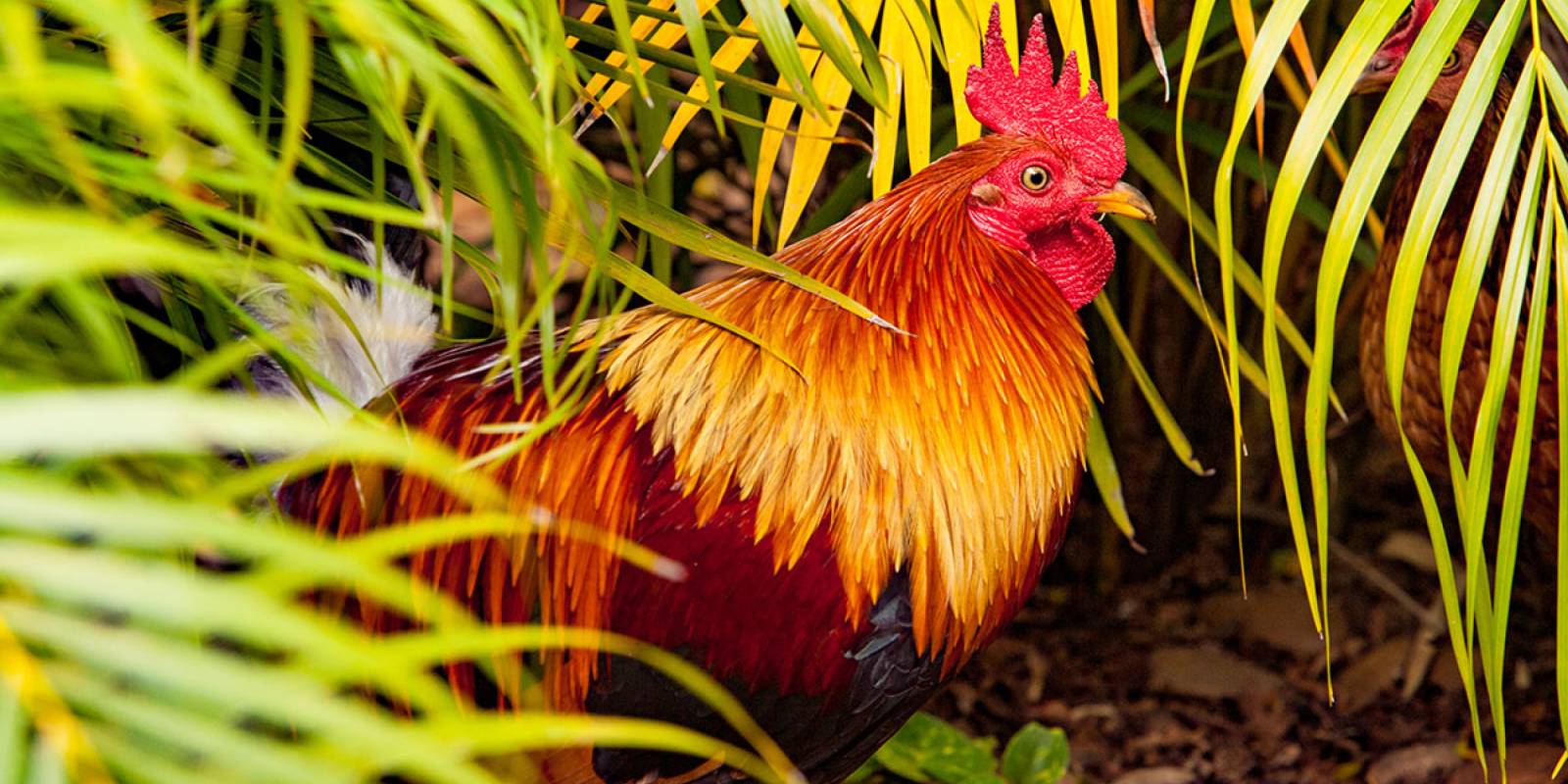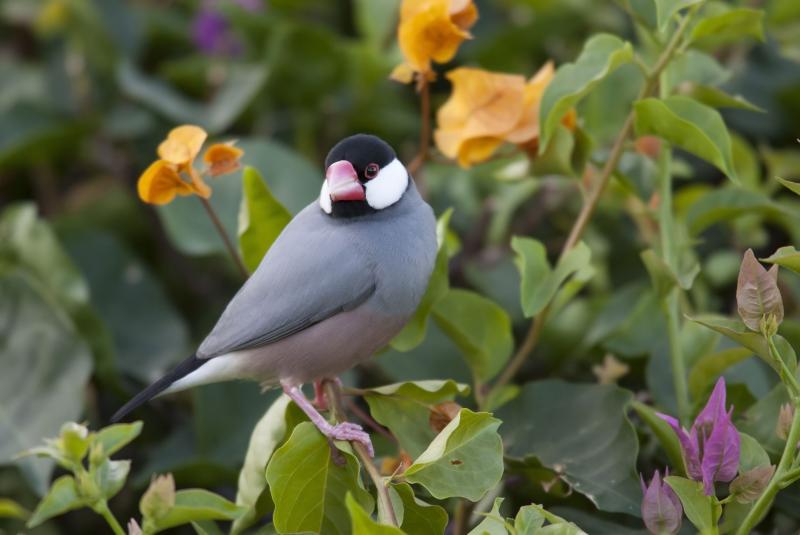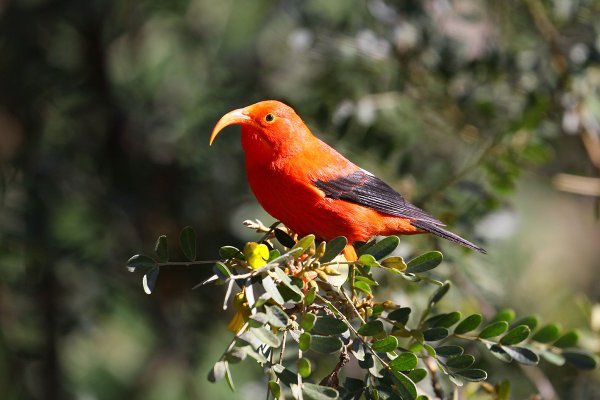
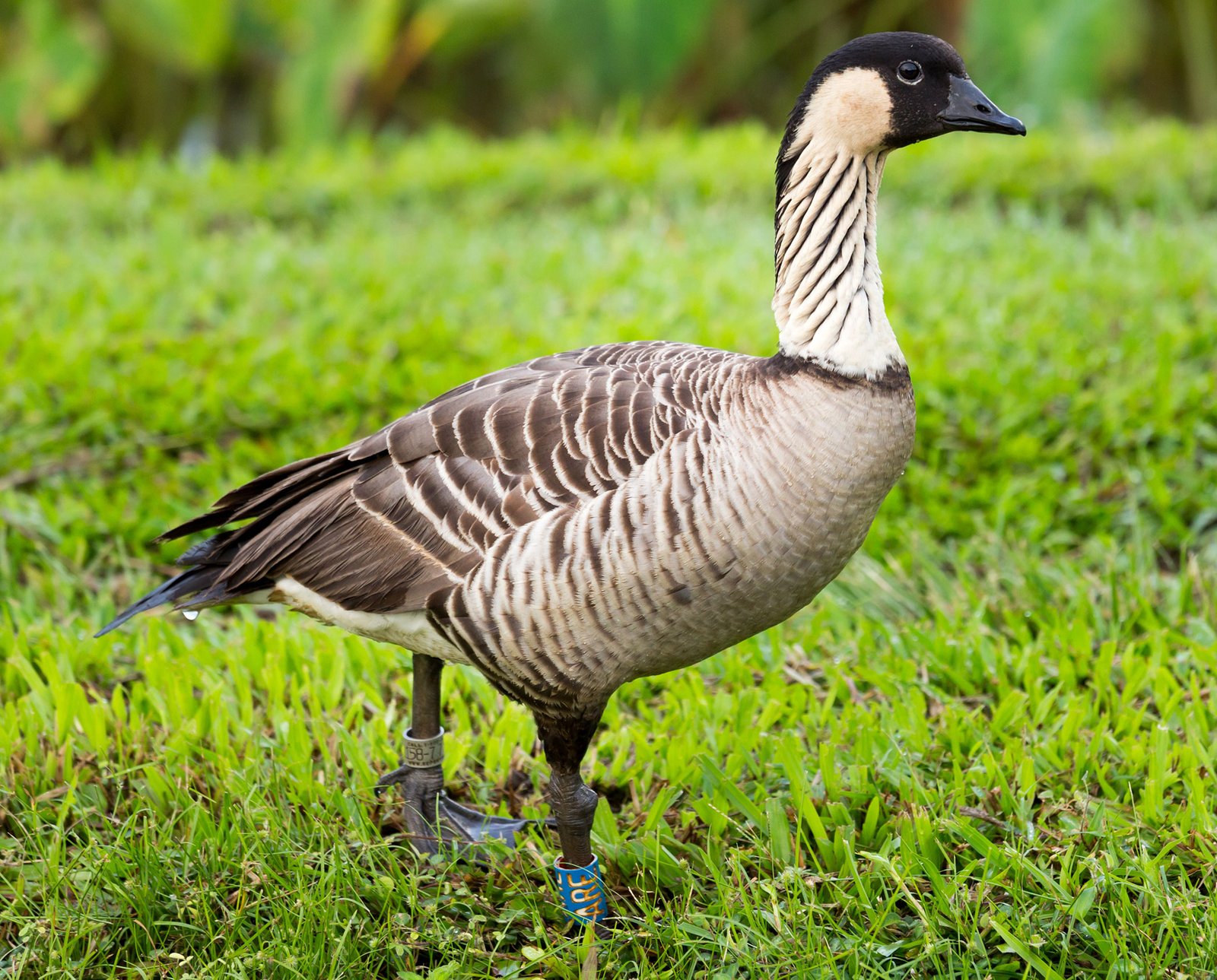


Hawaii common birds become much easier to identify when you stop trying to memorize every feather. Start with three clues: where the bird is, how it moves, and the one feature you would notice from across a lawn.
This field guide covers 12 birds visitors may meet across Hawaiʻi. Most turn up around airports, hotel grounds, parks, beaches, and wetlands; some need the right island or habitat. Eight are introduced species, three are native residents, and kōlea is a regular migrant. These classifications follow Hawaiʻi Birding Trails’ introduced-species listings, DLNR’s native-bird listings, Hui Manu-o-Kū, and Hawaiʻi Birding Trails’ kōlea listing. The split matters, but it should not turn a morning walk into a taxonomy exam.
Use this page for the bird outside your room. Use our native Hawaiian birds guide when you want to keep exploring Hawaiian forest birds, and use the island birdwatching pages when you want to plan a dedicated outing.