
A cooking class sends you home with a skill instead of a sunburn. That's the pitch. You spend an afternoon, you eat what you make, and the trip keeps showing up in your kitchen for years.
This guide is for visitors trying to decide whether a class fits the rest of the trip, and if so, what kind to book. I cover the formats you'll actually run into, what a class typically costs, how much hands-on time to expect, and where to start looking on each island. No fabricated operator names. For booking, I point at the live Viator food-tours category for each island so you can read the current lineup yourself.
Why a cooking class earns its slot
Two scenarios make this an easy call. The first is a rest day after a long sun-and-sand stretch. Day 4 or Day 5 of a typical trip, when one more beach feels like work. A two- or three-hour class moves you indoors, fills the afternoon, and ends with a meal you actually want to eat.
The second is rainy weather. Hawaii's wet months on the windward sides can stall a beach day cold. A cooking class is a solid rain plan and is rarely affected by surf, swell, or trail closures.
If you travel with kids, classes that include a market walk or farm visit tend to land well. They break up the kitchen time and give younger guests something to look at when the prep work gets technical. For couples, private chef-led classes in a vacation rental are a quietly excellent date night without restaurant noise.
What you'll typically learn
Most visitor-facing classes lean into a small set of dishes that travel well as a memory and are achievable in a home kitchen. The usual suspects:
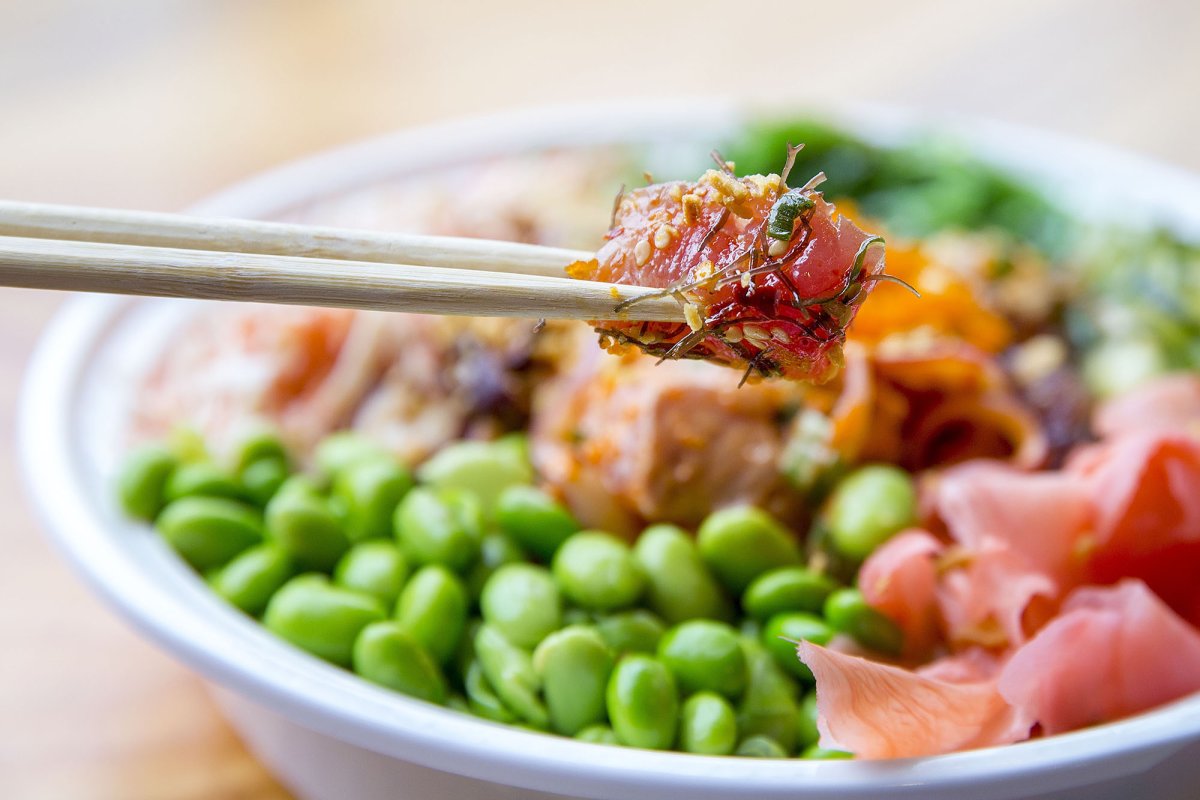
- Poke. The marinated raw-fish dish that defines casual Hawaiian eating. Classes usually cover knife work on ahi, the soy-sesame base, and the regional variations you see on poke counters across the islands. Our poke guide covers the cultural background if you want a primer.
- Spam musubi. Half snack, half cultural artifact. Quick to assemble, easy to bring back to a mainland kitchen, and a real conversation starter on the way home.
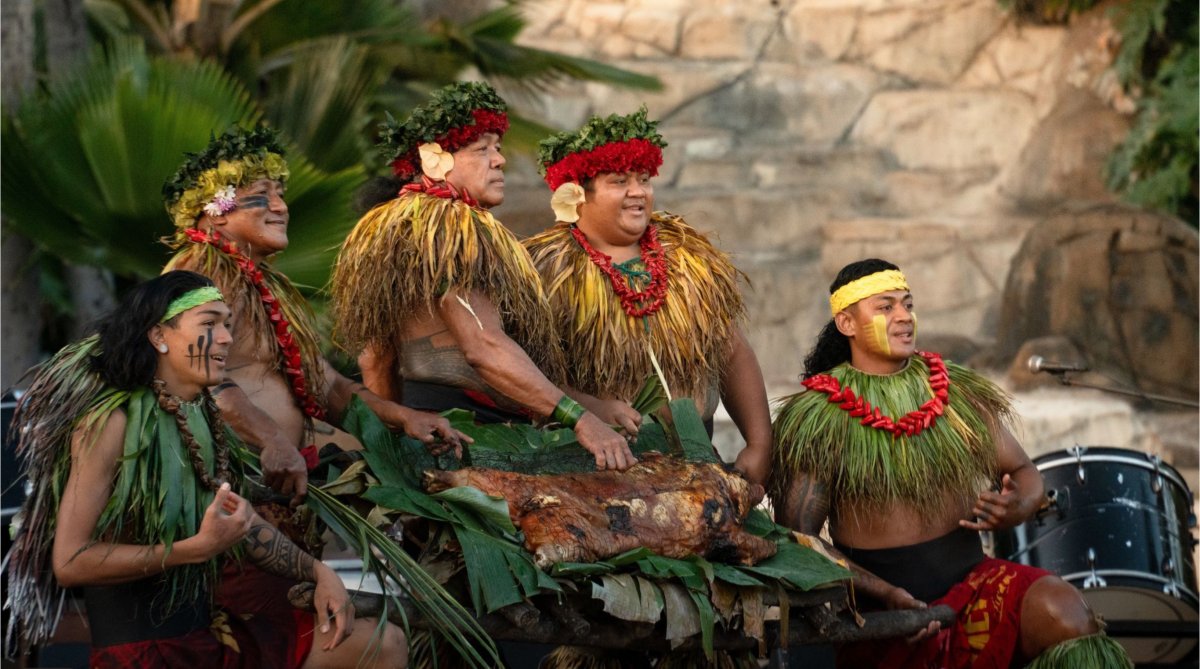
- Kalua-style pork. Most home-kitchen versions use an oven or slow cooker rather than an actual imu (underground pit), but the seasoning and finish are taught honestly.
- Lomi salmon and chicken long rice. Luau-plate staples that are simpler than they look once a teacher walks you through them.
- Malasada and shave-ice syrups. Sweet-side workshops sometimes split out as their own dedicated session.
- Pacific Rim and plantation-era dishes. Many classes spend time on the immigration history that shaped local cooking: Portuguese sausage, Filipino adobo, Japanese saimin, Korean kalbi, Chinese char siu. The food on a Hawaii plate has receipts.
If you've already enjoyed any of these on the trip and want to reverse-engineer them at home, a class is the most direct way. We also keep a growing library of Hawaiian recipes you can browse for free if a class isn't in the budget.