

If you’re deciding what shoes to pack for Hawaii, most first-time visitors over-pack. They bring stiff hiking boots they wear once, dress shoes they wear never, and a single pair of cheap flip-flops that fall apart on lava rock or hot pavement. Then on day three they’re at a Longs Drugs or Target buying replacement slippers because the pair they brought from home isn’t cutting it. You can do better with four pairs total, sometimes three. The right shortlist handles the airport, beach days, resort dinners, waterfall pullouts, family walks, and the easy-to-moderate trails most visitors actually attempt. It also keeps mud, seeds, and plant diseases from hitching rides around the islands.
1. Slippers (Yes, That's What We Call Them)
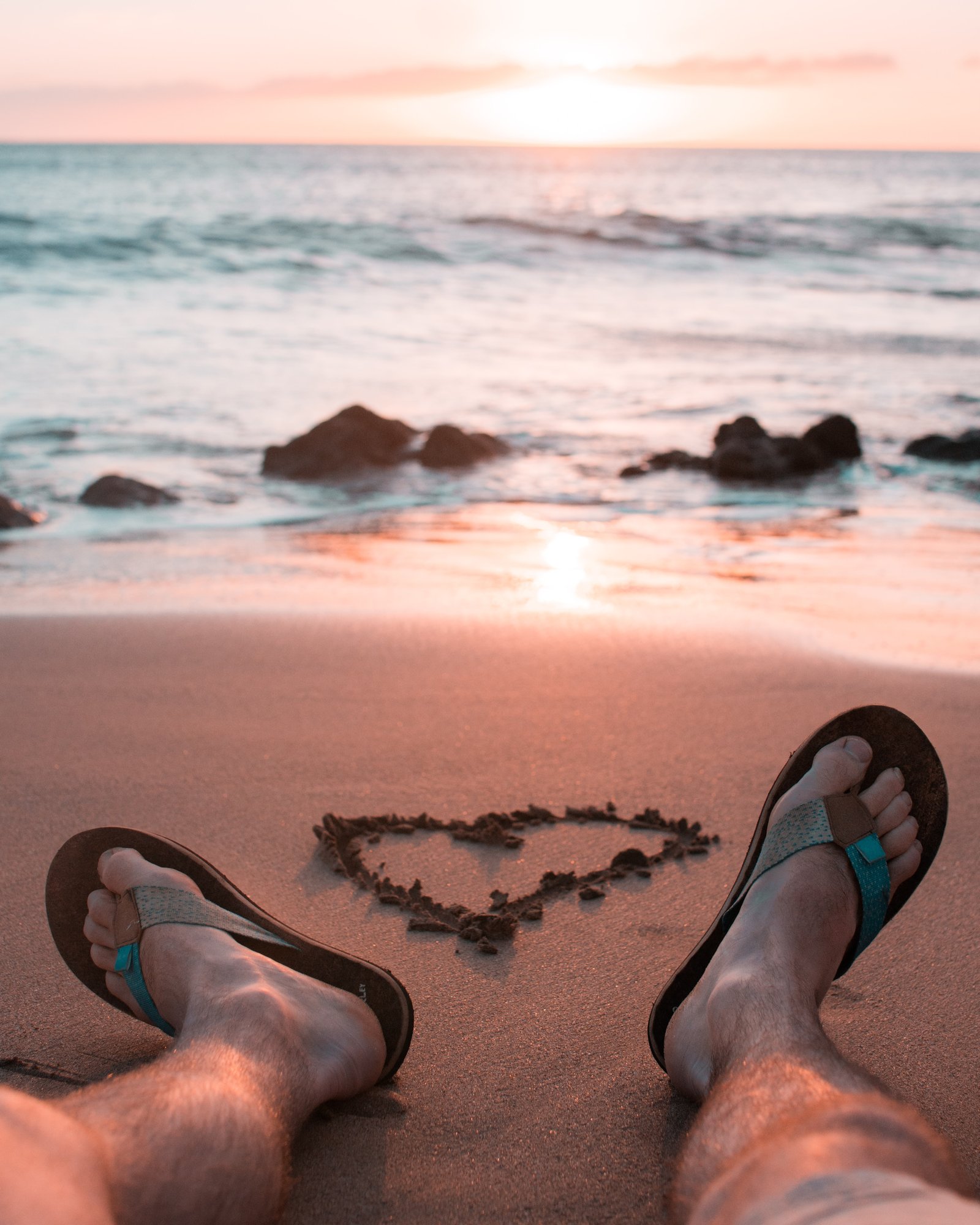
In Hawaii, flip-flops are slippers. Not thongs, not flip-flops, not sandals. It’s the standard local term, used in everyday conversation and on signs across the islands. You’ll hear “leave your slippers at the door” because shoes come off in a lot of homes and vacation rentals here. That’s the rule. A decent rubber pair is inexpensive. If you want a pair that survives wet sand, shower rinses, and miles of resort walking, look for real arch support, a grippy sole, and straps that do not rub when wet. OluKai, Reef, Sanuk, and similar beach-footwear brands all work better than the thin drugstore pair you buy after the first blister. You can browse OluKai men’s styles or women’s styles if you want to break a pair in before the trip. One pair of slippers will be on your feet from the moment you clear baggage claim at HNL until the flight home. Pack them in your carry-on so you can change out of your travel shoes the second you land.
2. Closed-Toe Trail Shoes
This is the pair most visitors skip and then regret. Hawaii has slippery red mud on the windward side of every island, crumbly lava on the Big Island, wet roots on Kauai’s north shore, and steep volcanic switchbacks in Haleakalā. Slippers don’t work on any of it. You don’t need full hiking boots for most visitor day hikes. A pair of trail running shoes with real tread handles more than a standard running shoe without adding boot weight. The Pīpīwai Trail in Haleakalā’s Kīpahulu district is roughly 4 miles round trip, passes through bamboo forest, and ends at the Waimoku Falls viewpoint. It is exactly the kind of wet, rooty trail where traction matters. A mid-priced trail runner is enough for many maintained hikes if you break it in first and check current trail conditions. Trail shoes also double as activity shoes. Zipline, ATV, horseback, and some farm or cultural tours commonly require closed-toe footwear, and the booking page usually says so. Check that requirement before you fly, because buying closed-toe shoes in a resort area is almost always more annoying than packing a pair you already trust. One note: don’t buy them new the week before you fly. Break them in at home. Breaking shoes in helps prevent blisters, and a blister on day one can shut down a whole vacation.
3. Water Shoes (or Reef Shoes)
The third pair earns its spot on lava-rock shorelines, in tide pools, and on the slick basalt around waterfall pools. Hawaii’s volcanic geology means a lot of the best-looking swim spots aren’t sand. They’re rock, sometimes with sea urchins (wana) wedged in cracks. The spines are brittle, lodge deep, and are brutal to remove. Anywhere you’d describe as “rocky” rather than “sandy” calls for water shoes: lava-rock shoreline access, some tide pools, some waterfall approaches, and reef-edge beaches where the entry is rough before the swimming gets good. A basic neoprene pair is usually enough for tide-pooling and rocky shoreline access. For actual snorkeling from reef or lava shelves, move slowly, keep your fins or shoes off living coral, and use the entry people are already using rather than inventing a shortcut across the reef. If you’re doing serious river or stream work, like fishing or advanced waterfall scrambling, locals use felt-bottom split-toe shoes called tabis. You’ll find them at outdoor stores and some Longs Drugs locations on island. Most visitors don’t need them; standard water shoes are fine for rocky shoreline and tide-pool walking. One important note: never stand on coral or living reef. It grows slowly, and a careless step leaves a scar.
4. (Optional) One Nicer Pair
Hawaii keeps the dress code loose. At places like Mama’s Fish House on Maui, Merriman’s, or Roy’s, a clean Aloha shirt and decent slippers usually fit the room. Most visitor-facing restaurants stay casual. The line is simple: no bare feet, no tank tops on men, no swimwear at the table. Sandals and shorts are normal at dinner. If you want to dress up a little for a special meal, pack a pair of leather sandals or low-profile loafers. That covers most luaus and resort dinners. You almost never need dress shoes or heels, and heels turn into a bad idea fast on uneven lava-rock paths around resorts. If you’re attending a private event, a wedding, or a specific upscale venue, check the dress code on the venue’s website before you pack. Many travelers skip this pair entirely and just wear their nicest slippers out to dinner. That’s fine too.
Clean Shoes Before You Fly
Clean the soles and treads of trail shoes before you pack them for Hawaii. Mud and seeds can move invasive plants and plant diseases between places, and Hawaii’s native forests are already under pressure. The state asks people to help prevent Rapid ʻŌhiʻa Death by keeping footwear and gear clean, especially before entering or moving between forested areas. The practical version takes five minutes: knock off dried mud, scrub the tread with a brush, and pack the shoes dry. If you hike on one island and fly to another, clean them again before the next trail day. Clean shoes keep the next trail from inheriting the last trail’s dirt.
What to Leave Home
Heavy hiking boots. They’re hot, heavy, and overkill for most visitor day hikes. Long routes like the 11-mile Kalalau Trail on Kauai, the Mauna Loa summit route on the Big Island, and Sliding Sands (Keoneheʻeheʻe) into the Haleakalā crater get hiked routinely in trail runners. Bring boots if you’re carrying a backpacking load, tackling rough off-trail terrain, or current trail conditions warrant it. Dress shoes and heels. The casual standard holds at most resort restaurants and luaus. Heels also become a liability on uneven lava-rock paths. Rain boots. Showers can be brief in many resort areas, and microclimates mean you can drive a short distance from a downpour into sunshine. Wet windward hikes still benefit from quick-dry trail shoes or a packable rain shell, but rubber boots aren’t worth the suitcase real estate. Brand-new shoes you haven’t broken in. Volcanic terrain and miles of resort walking are not the moment to debut a new pair. Bring shoes that already know your feet.
If You Forgot Something, You Can Buy On Island
The big-box stores carry basic footwear at fair prices. Longs Drugs has locations across the major islands (CVS Hawaii store locator), and Target’s Hawaii store locator lists stores on Oahu, Maui, Kauai, and Hawaii Island. For anything fit-sensitive, call first or buy before you fly. For higher-end gear like real trail shoes, technical socks, or hiking poles, check dedicated outdoor shops before you count on resort-area retail. On Oahu, Uloha in Honolulu is one local option. REI’s store locator is the simplest way to confirm whether REI has a Hawaii storefront before you plan around one. Specialty outdoor options on the neighbor islands are thinner, so pack trail shoes from home if a hike is central to the trip.
The Takeaway
Three pairs handle most Hawaii trips: slippers, trail shoes, water shoes. Add one nicer pair if you have a special dinner. Don’t bring heavy boots, don’t bring formal dress shoes unless an event requires them, don’t break in anything new on island, and clean your soles before you pack. The right four pairs let you walk a black-sand beach in the morning, hike to a waterfall after lunch, change for a sunset dinner, and end the day at a tide pool without a blister or a frantic Longs Drugs run on day three.