
Hawaii International Coastal Cleanup Day falls on Saturday, September 19, 2026 — the third Saturday in September, the same day the rest of the world runs Ocean Conservancy’s International Coastal Cleanup. Hawaiʻi shows up for it the way few places do. If you happen to be on the islands that weekend, you can join. You do not need to be a runner, a diver, or a card-carrying environmentalist. You just need a couple of hours, sunscreen, and a willingness to walk a shoreline picking up other people’s trash. This is a guide to what that morning actually looks like — which groups host the cleanups, where to sign up, and why a half day on the sand is one of the best uses of a Hawaiʻi vacation Saturday.
What International Coastal Cleanup Day actually is
The International Coastal Cleanup has been running since 1986. Ocean Conservancy describes it as the world’s largest single-day volunteer effort for the ocean and waterways. Volunteers walk a stretch of shoreline, pick up everything that doesn’t belong there, and log what they find on a tally card. The data goes into Ocean Conservancy’s global database — that’s where the running list of “most-found items” (cigarette butts, food wrappers, plastic bottle caps, straws) comes from. Hawaiʻi consistently turns out a lot of volunteers. The state is exposed to North Pacific Gyre debris that arrives on its windward shores year-round, which means the cleanups here are not symbolic. There’s real plastic, real fishing line, real ghost-net fragments to pull off the beach. The day is volunteer-run by local nonprofits. You sign up with whichever group is closest to where you’re staying, show up at the meeting point, and they hand you bags, gloves, a tally sheet, and a quick safety briefing. The work usually runs from about 8 a.m. to 11 a.m. — early enough to beat the heat and still leave the rest of your Saturday open.
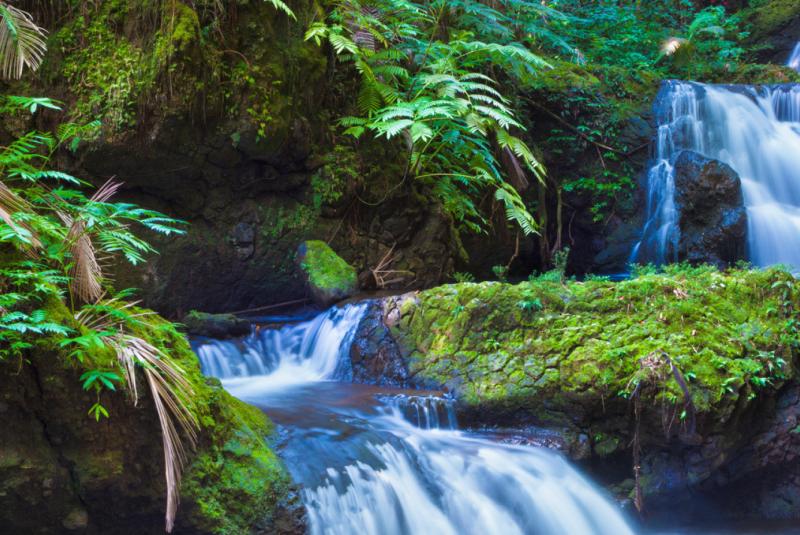
Cleanup-day mornings tend to run early, in the cooler half of the day, before regular beach traffic starts to fill in.
Who hosts cleanups in Hawaiʻi
The Hawaiʻi cleanup ecosystem is small enough that you can name most of the groups in a paragraph. These are the ones to look at first. Sustainable Coastlines Hawaiʻi is the Oʻahu flagship. They organize big public cleanups on the windward and North Shore coasts, log the marine debris data, and run an education program. Their event calendar is the first place to look for September dates on Oʻahu. 808 Cleanups is the volunteer-run Oʻahu group that hosts hundreds of cleanups a year — beaches, trails, reefs, even graffiti removal. Their site lists upcoming events by date and location, and many of their September events anchor to Coastal Cleanup Day weekend. Hawaiʻi Wildlife Fund is the long-running Maui- and Big-Island-based group that has been pulling marine debris off some of the most remote shorelines in the state for over twenty years. Their cleanups are heavier-lift expeditions — sometimes hike-in, sometimes boat-supported — but they take walk-up volunteers for the more accessible events. Surfrider Foundation has chapters on Oʻahu, Maui, Kauaʻi, and the Big Island that each host monthly cleanups and almost always run a flagship event on Coastal Cleanup Day. Check the Hawaiʻi chapter pages for the September meeting points. For the Big Island and Kauaʻi specifically, those Surfrider chapters and 808 Cleanups’ neighbor-island partners are your best entry points. A few additional grassroots groups run beach-specific events, but those are the four that consistently show up on the calendar.
How to sign up as a visitor
Registration typically opens in mid-to-late summer. The groups above publish their September events on their own websites, and most cross-list to the Ocean Conservancy’s cleanup map. Search by zip code or island and an event near you should surface. Subscribe to the host’s newsletter so you catch the registration window when it opens. The mechanics are pretty consistent across hosts. You RSVP online (free), the organizer emails a confirmation with meeting point coordinates, you show up at the listed time. Walk-ups are usually welcome too — these are not capacity-limited events on the scale of a sunrise-permit hike — but RSVPing helps the organizers prep supplies. Kids are welcome at almost every public-beach event. Some of the remote-shoreline cleanups (the Hawaiʻi Wildlife Fund expeditions, certain ghost-net pulls) have age minimums and require participants to handle uneven ground, so read the event page closely if you’re traveling with younger kids. No experience needed. The organizers will hand you what you need and walk you through it.
What to bring
A short, real-world list — not the wishful one. Reef-safe sunscreen. You’ll be on an exposed beach for two to three hours. Hawaiʻi’s sunscreen law prohibits the sale and distribution of sunscreens containing oxybenzone or octinoxate. The pharmacy aisle at any island ABC Store or Longs sells compliant options, or pack one from home — look for a non-nano zinc oxide formula. Water — at least a liter. Some events have a hydration station; many don’t. Bring a refillable bottle. Closed-toe or strap-on water shoes. Glass, fishing-hook fragments, and sharp shells are exactly the kinds of things you’ll be picking up. Flip-flops are the wrong call. A hat with a brim, sunglasses, and a long-sleeve sun shirt. The 9-to-11 a.m. window on a Hawaiʻi shoreline is still hot. Sun shirts make the difference between a comfortable cleanup and a sunburned afternoon. Reef-safe insect repellent if you’re going to a brackish-water or windward-side beach. Mosquitoes pick up midmorning on the wetter sides. Organizers provide the gloves, bags, and tally cards. You don’t need to bring those.
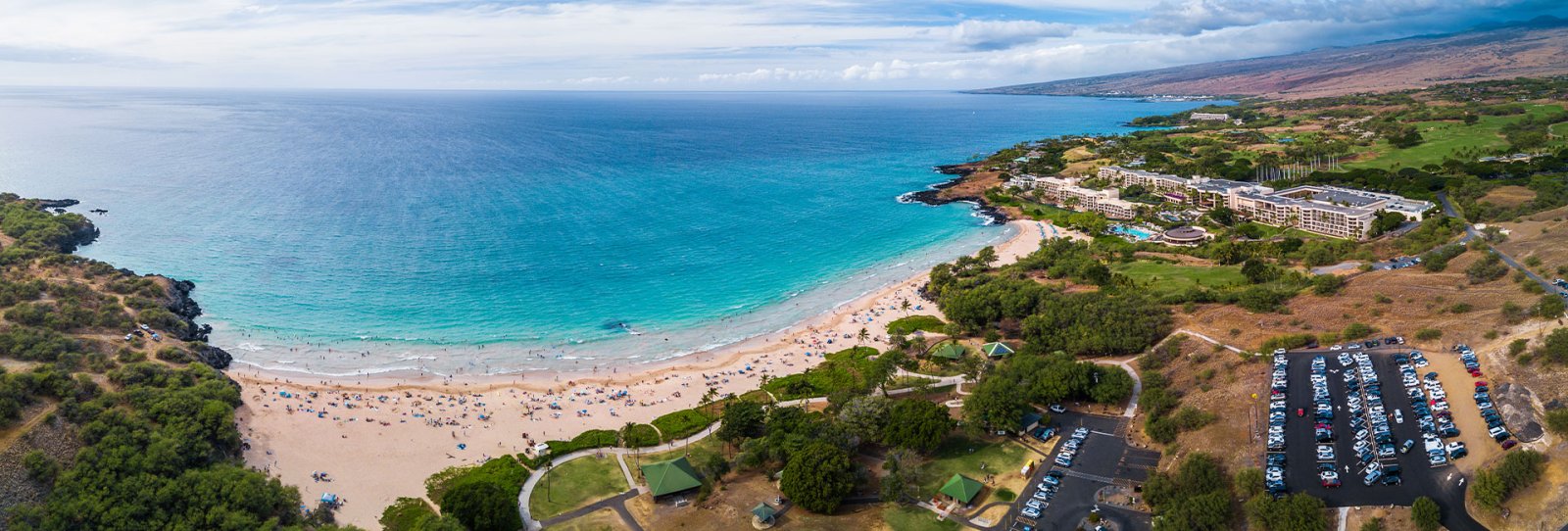
Hapuna Beach State Park on the Big Island's leeward Kohala Coast — one of several Big Island shorelines where regional chapters host September cleanups.
Why cleanups in Hawaiʻi are different
Hawaiʻi sits downstream of the North Pacific Subtropical Gyre. The NOAA factsheet on the Pacific Garbage Patch walks through the physics, but the short version is that surface currents concentrate ocean debris in the gyre, and Hawaiʻi’s windward shorelines — particularly on the northeast sides of each island — are where a meaningful share of that debris ends up. What this means in practice: the cleanups here pull material that is genuinely worth pulling. Microplastics, derelict fishing gear, household plastic that has crossed half an ocean. Not just the snack wrappers and bottle caps you’d find on a mainland beach. The other thing that’s different is the cultural frame. The Hawaiian word mālama means “to care for” — and the broader concept of mālama ʻāina, caring for the land, is one of the values the state’s Mālama Hawaiʻi initiative asks visitors to participate in directly. A cleanup is a concrete way to do that. You’re not buying a t-shirt with the word on it. You’re showing up.
If you want to make it the anchor of a trip
The weekend before Coastal Cleanup Day in 2026 is the long-running Hana Relay on Maui, scheduled for Saturday, September 12. The two events have nothing to do with each other organizationally, but back-to-back they’re a useful read on what mid-September feels like in the islands. Communities pull together for a particular day, and visitors who happen to be around get a different side of Hawaiʻi than the one they came for. If you’re building a trip around Coastal Cleanup Day, here’s how I’d sequence it. Pick the island first. Oʻahu has the deepest cleanup ecosystem and the most events on a single day — Sustainable Coastlines Hawaiʻi, 808 Cleanups, and Surfrider Oʻahu all run something on Coastal Cleanup Day. If you want choice, that’s the island. Maui and the Big Island have fewer but often deeper-impact events thanks to Hawaiʻi Wildlife Fund’s work. Kauaʻi has Surfrider’s chapter event and a few grassroots cleanups; smaller scale but the beaches are gorgeous. Pick the rest of the weekend around it. Cleanups wrap by lunch. That leaves Saturday afternoon plus Sunday for whatever your trip is actually about — a snorkel morning on the other side of the island, a Sunday hike, a long lunch in town. The cleanup is two or three hours, not your whole trip. Lock in a rental car. Most cleanup meeting points are 20 to 40 minutes from the major visitor lodging areas, and they start early. Public transit on the islands does not get you to most beach cleanups on time. Reserve through Discount Hawaii Car Rental when you book lodging. Stay reasonably close to your event. If you sign up for a North Shore Oʻahu cleanup, basing in Waikīkī is a long pre-dawn drive. A night or two in Haleʻiwa or Kāneʻohe puts you 15 minutes from most events.
Honest expectations about the morning
This is not a feel-good photo op for your social feed. It is a morning of bending over, scanning sand, and putting small things in a bag. The first hour is novel. By the second hour you’ve found your rhythm and you’ve stopped noticing how hot it is. By the third hour you’re tired and dirty and you’ve pulled an honest contribution out of one short stretch of beach. You will also see how much of what’s on the sand is small. The dramatic ghost-net hauls and the photo-ready bag-of-bottles shots are real, but most of what volunteers find on a typical Hawaiʻi cleanup is fragmented plastic the size of a fingernail — broken-down pieces of what used to be larger objects. That detail is what the Coastal Cleanup tally cards are designed to capture, and it’s also why the data matters: you can’t see microplastic pollution from the road. Then the organizers thank you, you turn in your bag and your tally, and you go find lunch. The whole morning is over by about 11:30. You’ll have a story for the rest of the trip that nothing else you did at the beach is going to give you.
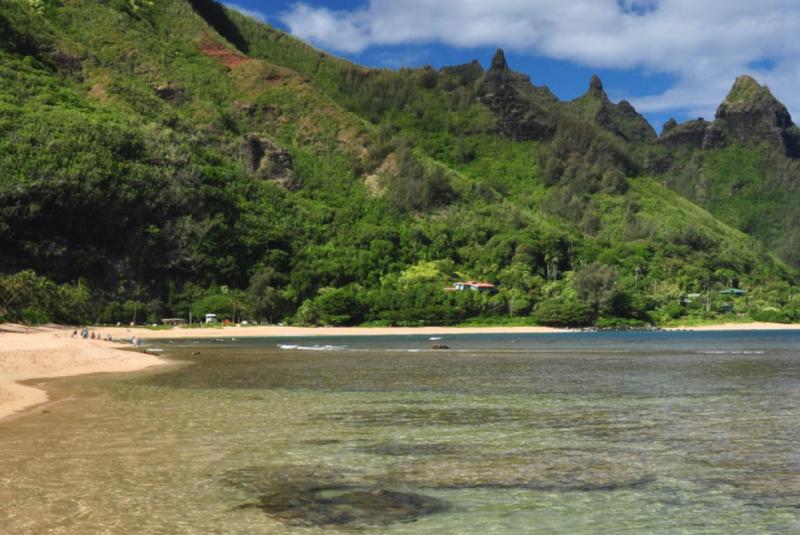
Makua (Tunnels) Beach on Kauaʻi's north shore — the kind of long sand crescent the island's Surfrider chapter and grassroots cleanup groups work each year.
If September 19 doesn't work — there are cleanups every weekend
One thing worth knowing: Coastal Cleanup Day is the headline, not the only chance. Sustainable Coastlines Hawaiʻi, 808 Cleanups, and the Surfrider chapters host beach cleanups year-round. If your trip lands on a different weekend, look at those organizations’ event calendars and join whichever cleanup is on while you’re in town. The Oʻahu calendars in particular usually have something running every weekend. The cleanup-as-volunteering-while-traveling angle also unlocks something practical: Hawaiʻi Tourism Authority’s Mālama Hawaiʻi program works with participating hotels to offer free or discounted nights to travelers who volunteer with approved partners. The participating hotels and the rules change over time, so check the program page for current offers — but if you’re already planning a service-included trip, that’s an easy way to align lodging and intent. For broader trip-planning context, our Mālama Hawaiʻi overview walks through how the hotel-partner system works in practice.
Booking timeline if you're starting today
Coastal Cleanup Day sits about twelve weeks out from this article. Here’s the sequence. Now through late July: book the flight. Set fare alerts on the route you’re watching and pull the trigger when something reasonable shows up. Late July through August: book lodging. Pick your island, then pick a hotel reasonably close to where you want to do the cleanup — that 6 a.m. drive across the island is no fun. Early to mid-August: when sign-ups open, RSVP to the cleanup. Subscribe to the host’s newsletter so you don’t miss the registration window. Late August through early September: finalize the rest. Confirm the car rental, pack the closed-toe shoes, pre-load the meeting point in Google Maps, and re-check the Hawaiʻi road and trail status page for anything between your base and the meeting point. The Central Pacific hurricane season runs through November 30, so a tropical system could in theory shift the calendar — most years it does not, but the contingency is real.
Why we keep recommending this
Twenty-plus years of writing about Hawaiʻi has taught me something specific: the parts of a trip people remember are rarely the parts they booked the trip for. The luau is great. The snorkel cruise is great. The thing visitors talk about a year later, more often than not, is the unexpected small experience — the conversation with a local at a farmers’ market, the rainstorm that pulled them into a coffee shop, the morning they ended up doing something they weren’t planning to do. A coastal cleanup is one of those mornings. Two hours on a beach with strangers who care about the same place you’re visiting. A small, concrete thing you did that left the shoreline better than you found it. A short, honest piece of the actual island — not the brochure version. If you’re going to be in Hawaiʻi on Saturday, September 19, 2026, give the morning to it. The rest of the weekend will still be waiting.
More reading to pair with a Coastal Cleanup Day trip: