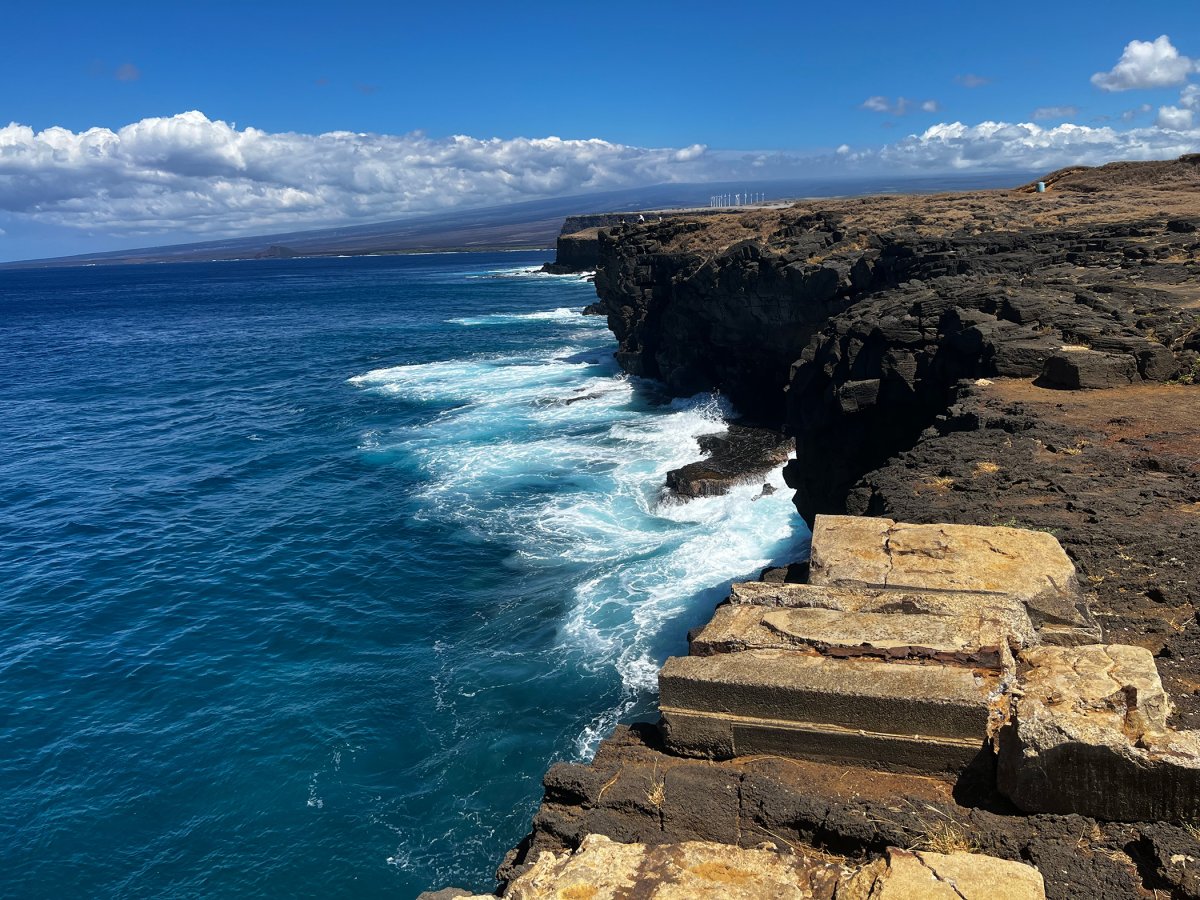

If you walk Waikiki on the right morning, you can watch the ocean reach places it normally doesn't. Water seeps up through storm drains in the parking lots. The wet line on the sand sits ten feet farther mauka than it did at lunch yesterday. A few oceanfront restaurants slide sandbags into their doorways before the lunch crowd arrives. None of it is a storm. It's a king tide — Hawaii's highest predictable tide, the one that quietly shows up a few times a year, peaks for a couple of days, and then slips back to normal.
For most visitors, king tides are a curiosity. For a few — the ones with a beachfront condo, an early-morning tide-pool plan, or a sunrise drive along a low-lying coast road — they're worth knowing about before you arrive. According to University of Hawaii Sea Grant, the islands' king tides typically cluster in summer (May through August) and winter (November through February), with the biggest of the year usually landing in the late-November-to-early-January stretch. If you're traveling here between October and the new year, this is a piece of the puzzle worth understanding.