


Doing laundry on a Hawaii vacation is not something most travelers think about until day three, when every swimsuit is still wet, the kids’ rash guards smell like sunscreen and seawater, and the beach bag has its own ecosystem of sand at the bottom. Hawaii eats clothes faster than other vacations because almost every day is a beach day, and a beach day here is wetter and saltier than the same day in California or Florida. Laundry math here is simple. You have three paid routes plus hand-washing in the sink, and the right one is usually decided for you the moment you book your accommodation. This is the practical guide: what each option costs, what to expect, and the tricks that keep one suitcase working through a week.
Option 1 — In-unit laundry at a vacation rental or condo
Many Hawaii condos in the resort corridors (Waikīkī, Kāʻanapali, Wailea, Poʻipū, the Kohala Coast) come with in-unit washer and dryer. Confirm this on the listing before you book if it matters to you.
This is the easy mode. If your rental has an in-unit washer and dryer (or even a stacked closet unit), laundry is essentially free, and you can throw in a load every other day. Many Hawaiʻi condos in the major resort corridors list in-unit laundry as an amenity, including Waikīkī on Oʻahu, Kāʻanapali and Wailea on Maui, the Kohala Coast and Kona on the Big Island, and Poʻipū and Princeville on Kauaʻi. The buildings are used mostly by longer-stay vacationers who would otherwise spend half the trip at a laundromat, so the amenity is common. A few things worth checking on the listing before you book if laundry matters to you: In-unit vs. shared building laundry. “Laundry on site” can mean a coin-operated machine in a hallway closet shared with thirty other units. Look for the specific phrase “in-unit washer/dryer” or check the photos for a small stacked unit in a closet or pantry. Detergent included or not. Some rentals leave a small bottle or a few pods under the sink as a starter pack. Many do not. Bring a small zip-top bag with a few single-use laundry detergent sheets or a couple of pods in a leakproof container and you’re covered for a week without taking up suitcase space. Stackable units run small. Many Hawaiʻi condo washers are compact stacked units rather than full-size mainland machines. A normal beach-towel-and-swim-trunks load fits, but a bedding wash for a king-sized condo bed will not.
Option 2 — Hotel and resort laundry
If you booked a hotel or resort room without an in-unit washer, the property itself will offer laundry. There are two on-property options, plus a third-party workaround that’s worth knowing. Valet (per-piece) laundry. You fill out a slip, hand your dirty clothes to housekeeping in a bag, and they come back the same day or the next morning pressed and folded. This is the priciest route by a wide margin. Most major Hawaiʻi resorts price valet on a per-item basis, so a single load of beach clothes (two swimsuits, two cover-ups, a few t-shirts, a couple pairs of shorts) can run into the three-figure range. It is convenient and it is overpriced. Use it for formal dinner clothes that actually need pressing, not for beach laundry. Guest self-service laundry rooms. Many resorts have a small coin- or card-operated guest laundry tucked into a side corridor near the pool deck or behind a back stairwell. Ask the front desk where it is when you check in, because the room map in the welcome packet often does not include it. Recent visitor reports from major Waikīkī resorts put pricing around $4–$6 per wash cycle and again for the dryer. Newer installs are card or app-based; older properties still use coin, so bring quarters as backup. Third-party “wash-and-fold” pickup services. In Waikīkī and around the major resort areas on Maui and the Big Island, independent shops will pick up from your hotel, do the laundry off-site, and drop it back the next day. These run meaningfully cheaper than valet, usually priced per pound rather than per item (Oʻahu shops like I Love Laundry list wash-and-fold rates around $2 per pound). Search for “wash and fold pickup near [your resort]” once you’re on island, or ask the concierge for current operators.
Option 3 — Public coin laundromats
Public laundromats let you re-set the suitcase mid-trip: bring half the clothes, wash once midweek, save the other half for the trip home.
Most larger towns and visitor hubs in Hawaiʻi have at least one public coin laundromat, easy to find with a Google Maps search for “laundromat” filtered by your current location. Pricing in Hawaiʻi runs slightly higher than on the mainland because everything on the islands does. Expect somewhere in the $4–$8 range per wash for a standard top-loader, plus drying charged in 6- to 10-minute increments, with most loads needing 30 to 40 minutes. A few practical things about laundromats in Hawaiʻi specifically: Hours skew early. Many close earlier than mainland laundromats, often by 9 or 10 PM, with some Maui-town locations closing as early as 7 PM. A handful run 24/7 in Honolulu, but those are the exception. Check the hours on Google Maps before you go. Cash, cards, or app. Newer Hawaiʻi laundromats use loyalty-card or app-based payment systems. Smaller older operations are still cash-and-quarters. Do not rely on the on-site bill changer. Bring small bills and a backup card. Wash-and-fold at the laundromat itself. Some laundromats run a wash-and-fold service at the same counter for around $2 per pound (see the I Love Laundry rates linked above for a current Oʻahu example). Drop your bag, run errands, pick it up folded later that afternoon. This is often the best value if you’re staying in a hotel without in-unit laundry and want to skip both the valet markup and an afternoon watching a dryer spin. Where the laundromat sits matters. Public laundromats in Hawaiʻi tend to cluster in residential and working neighborhoods rather than resort cores. Plan on a 10- to 25-minute drive each way from most major resort areas. If you are without a car, ride-share works but the round-trip math gets unfriendly, and the in-resort guest laundry or a wash-and-fold pickup service is usually the smarter call.
The sand-and-salt problem
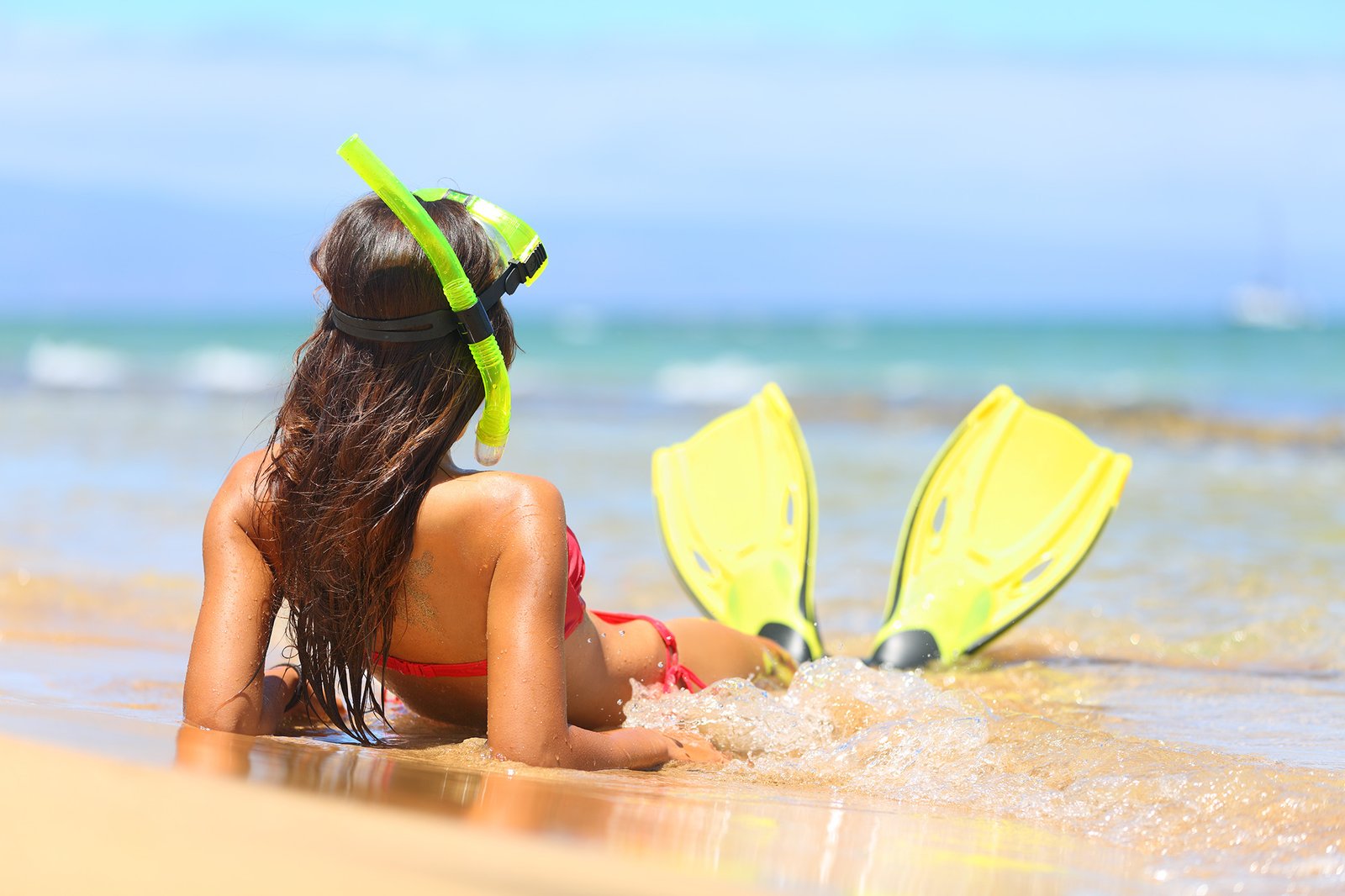
The thing nobody warns you about: fine beach sand at many Hawaiʻi beaches embeds in fabric like flour. Add ocean salt, mineral sunscreen residue, and the humidity that keeps everything damp, and beach clothes need a different routine than your home laundry. Rinse before washing. Take swimwear and rash guards into the shower with you (or use the in-unit kitchen sink) and rinse the salt and most of the sand out before they ever go into a washing machine. A single saltwater swim will not ruin a suit, but repeated salt exposure wears the elastic out faster when you let it dry into the fabric. Sand in a washer drum also gets ground into every other garment in the load. Shake the sand off outside. Beach towels and beach bags hold an astonishing amount of sand. Hang them over a balcony railing and whack them with your free hand before they go anywhere near a hamper. A small mesh laundry bag is useful for keeping sandy items separated from clean clothes inside a suitcase. Air-dry swimwear first, then wash later. If you’re not doing laundry the same night, hang swim trunks and rash guards over the shower rod or on the balcony to dry completely. A damp swimsuit shoved into a laundry bag for two days will mildew, and mildew on synthetic swim fabric is hard to get back out. Mineral sunscreen residue can be stubborn. Mineral sunscreens are common in Hawaiʻi because the state restricts the sale of sunscreens containing oxybenzone and octinoxate. The zinc-based alternatives leave a chalky residue on lighter swimwear and shirts. A pre-rinse with cool water and a normal wash cycle usually clears it. For stubborn marks, soak the item in a sink with a few drops of mild detergent before the wash.
Sink-washing — the budget-traveler hack that still works
For swimwear and lightweight quick-dry shirts, you do not really need a machine at all. A bathroom sink, a small amount of mild soap (hotel hand soap works in a pinch), a thirty-second swish, and a thorough rinse will get the salt and most of the sand out. Roll the item in a hotel bath towel, press out the water, and hang it on a portable travel clothesline across the shower stall or balcony. In Hawaiʻi’s humidity, lightweight swim fabric and synthetic athletic gear is usually dry by morning. Cotton takes longer, sometimes a full day if there’s no breeze. The Kona side of the Big Island and the leeward sides of Oʻahu, Maui, and Kauaʻi dry faster than the windward sides because the air sits drier. If you’re in Hāna, Hilo, or Princeville, give cotton an extra half-day. This is also the quiet way to extend the life of the swimwear you packed. Chlorine, sand, and salt are hard on elastic and printed fabrics, so a daily rinse plus an occasional gentle hand-wash keeps everything wearable for the whole trip.
How to pack so laundry happens once
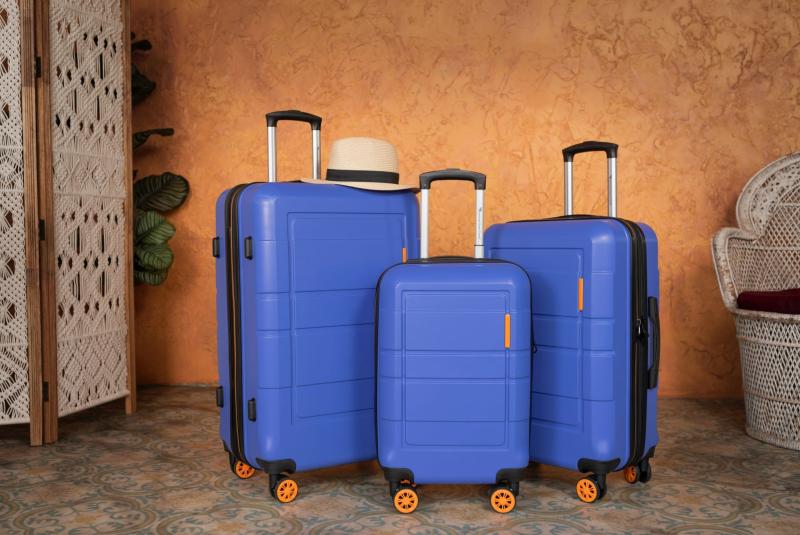
Lightweight, fast-drying fabrics let you wash less often. One laundry cycle midweek can keep many week-long Hawaii trips down to a single carry-on.
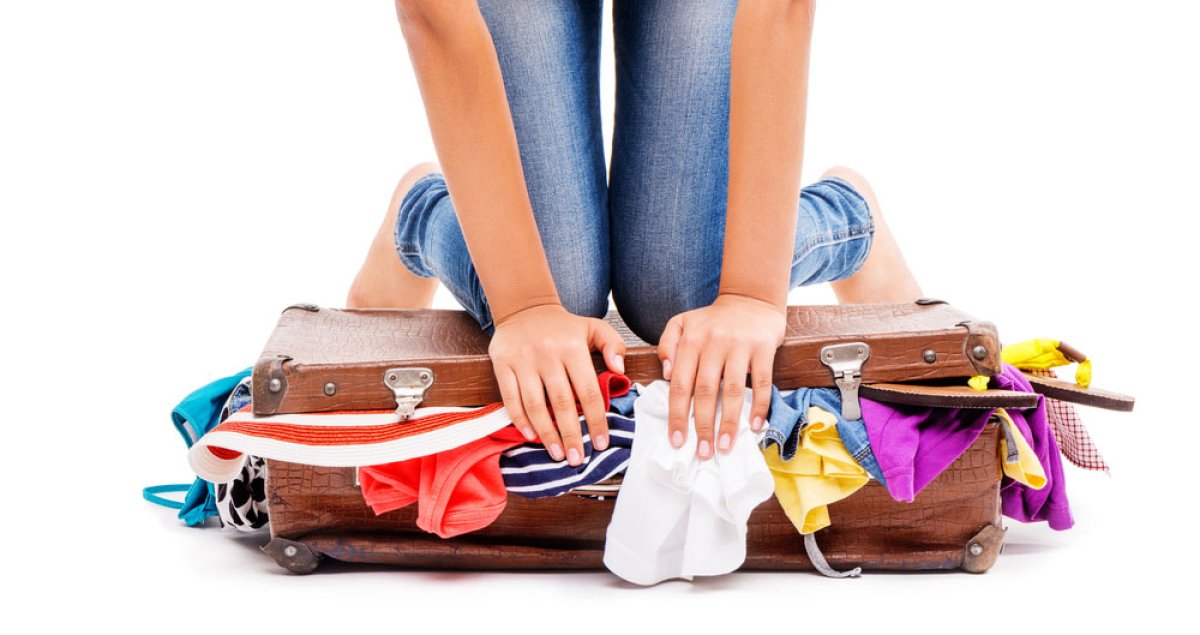
For a typical week in Hawaiʻi, pack about four to five days of clothing and plan one laundry session midweek. That’s enough margin to handle a soaked-through hike, a kid who decides to eat shave ice with her shirt, or a flight delay that pushes departure by a day. Skew the packing toward quick-dry synthetics and cotton-poly blends over heavy cotton. Cotton holds water and sand longer, takes noticeably longer to line-dry in humid air, and is the thing most likely to come out of a suitcase still damp at the end of the trip. A few practical beach-day basics go further than a full second suitcase: two swimsuits per person so one can dry while the other gets worn, two rash guards if you’re snorkeling or hiking through sun, a few performance t-shirts that wash and dry overnight, and one nicer outfit for a dinner or a luau. Our broader Hawaii packing list and the packing essentials companion guide go into more detail on the fabric and gear side.
Carless travelers and the laundromat run
Most travelers who end up at a public laundromat already have a rental car for the rest of the trip, so the laundry run is a short side errand. If you’re in Waikīkī’s walkable core without a car, a wash-and-fold pickup service from the resort skips the round trip entirely. On a neighbor island without a car, ride-share works for one laundromat run, but the math usually loses against paying the resort or a pickup service for the same load. If you’re still weighing whether a week-long rental is worth it, Discount Hawaii Car Rental aggregates rates from the major Hawaiʻi brands and holds the reservation without a deposit or prepayment, which fits a trip where plans are still moving.